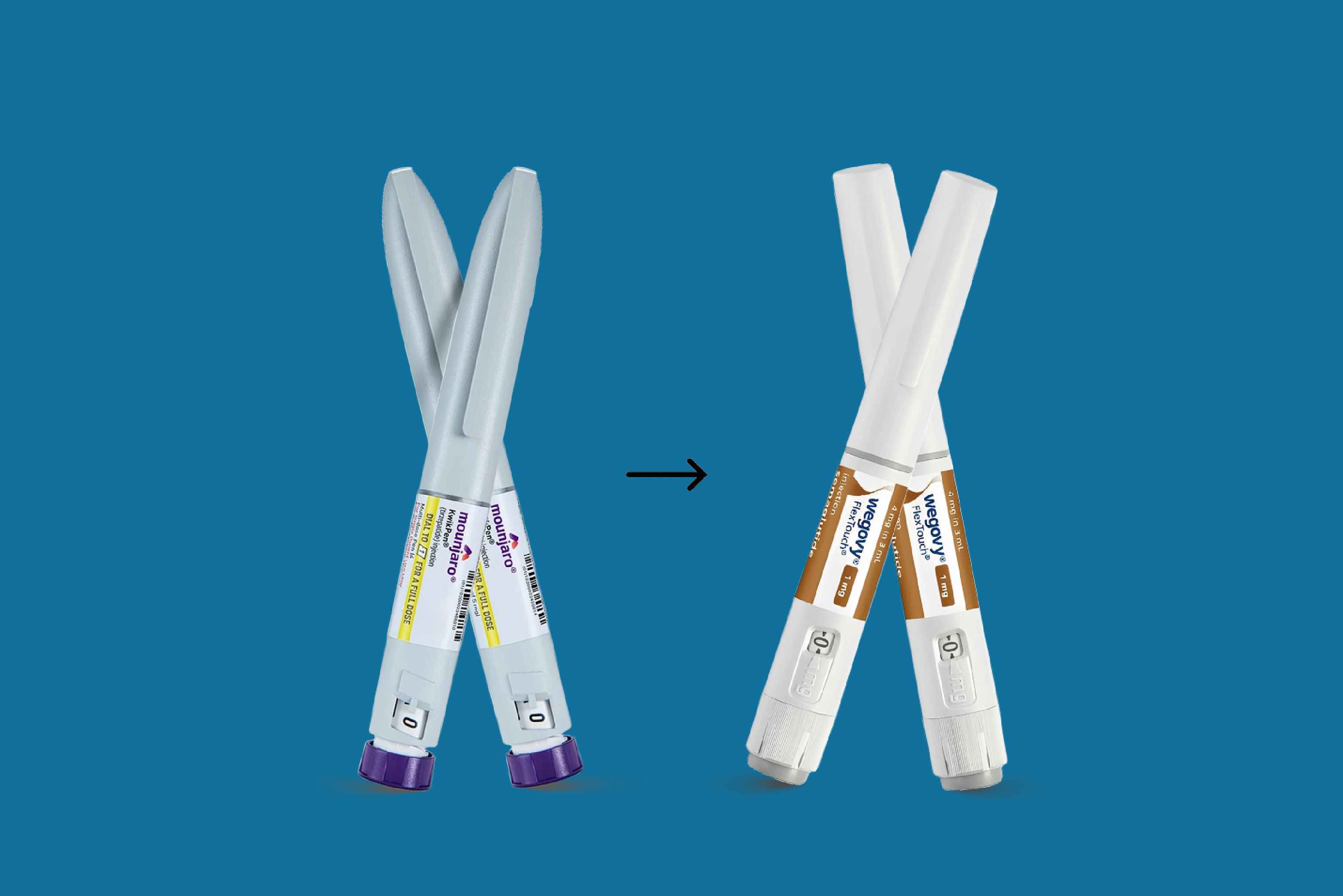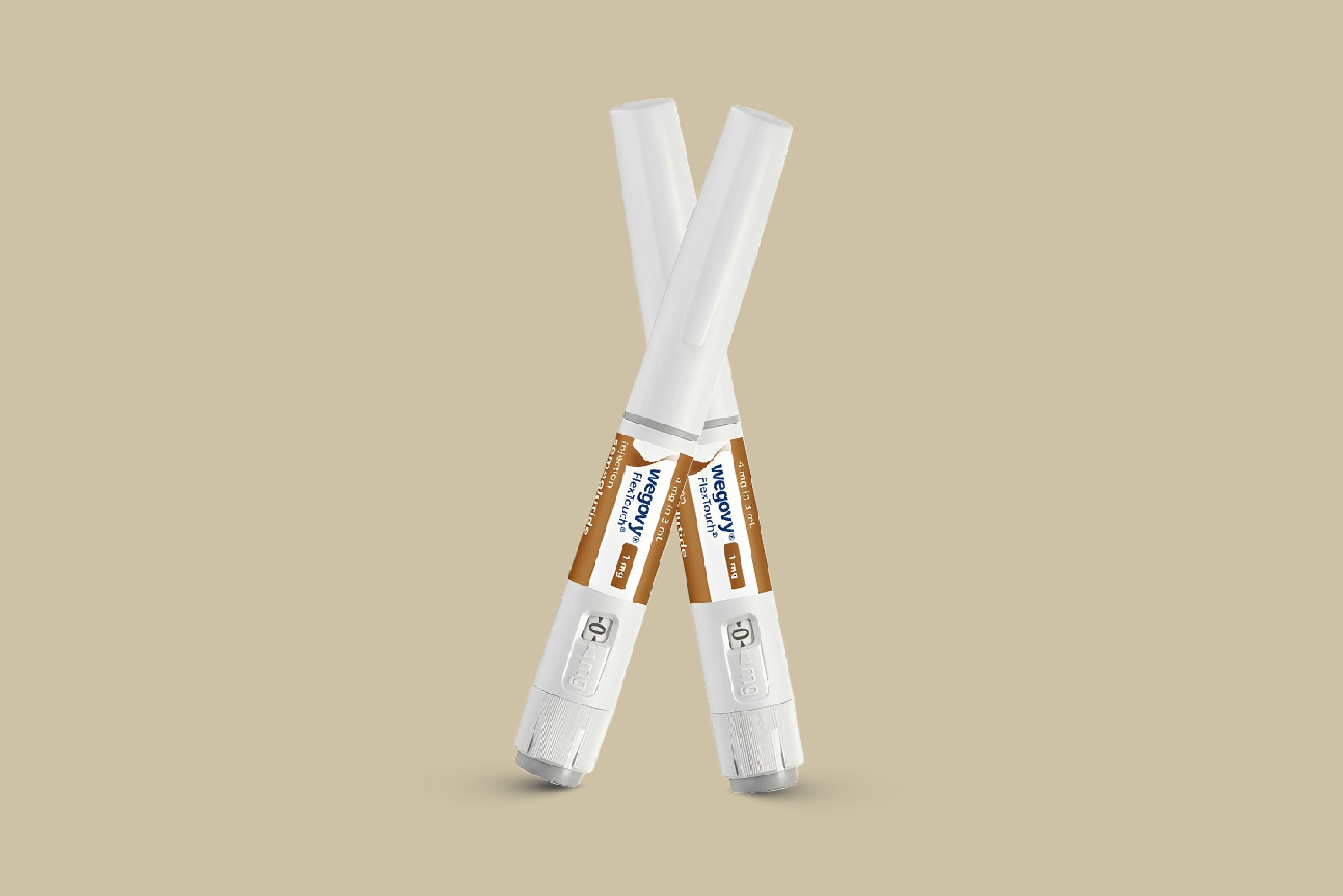

One moment you feel perfectly steady, and the next, a sudden wave of lightheadedness catches you off guard. Such unexpected sensations can raise concerns, especially during weight loss treatment. Feeling dizzy on Wegovy may be linked to reduced food intake, dehydration or changes in blood pressure when standing.
As semaglutide suppresses appetite, some patients may unintentionally eat or drink less than their body needs. Nausea or recent dose increases can make these episodes more noticeable. Although occasional dizziness may improve with rest and hydration, recurring symptoms or feeling faint should prompt medical advice to rule out other causes.
GLP-1
Wegovy
A weekly GLP-1 treatment proven to reduce hunger and support meaningful, long-term fat loss.
- ✔~16.9% average body weight loss
- ✔Boosts metabolic & cardiovascular health
- ✔Proven, long-established safety profile
- ✔Weekly injection, easy to use
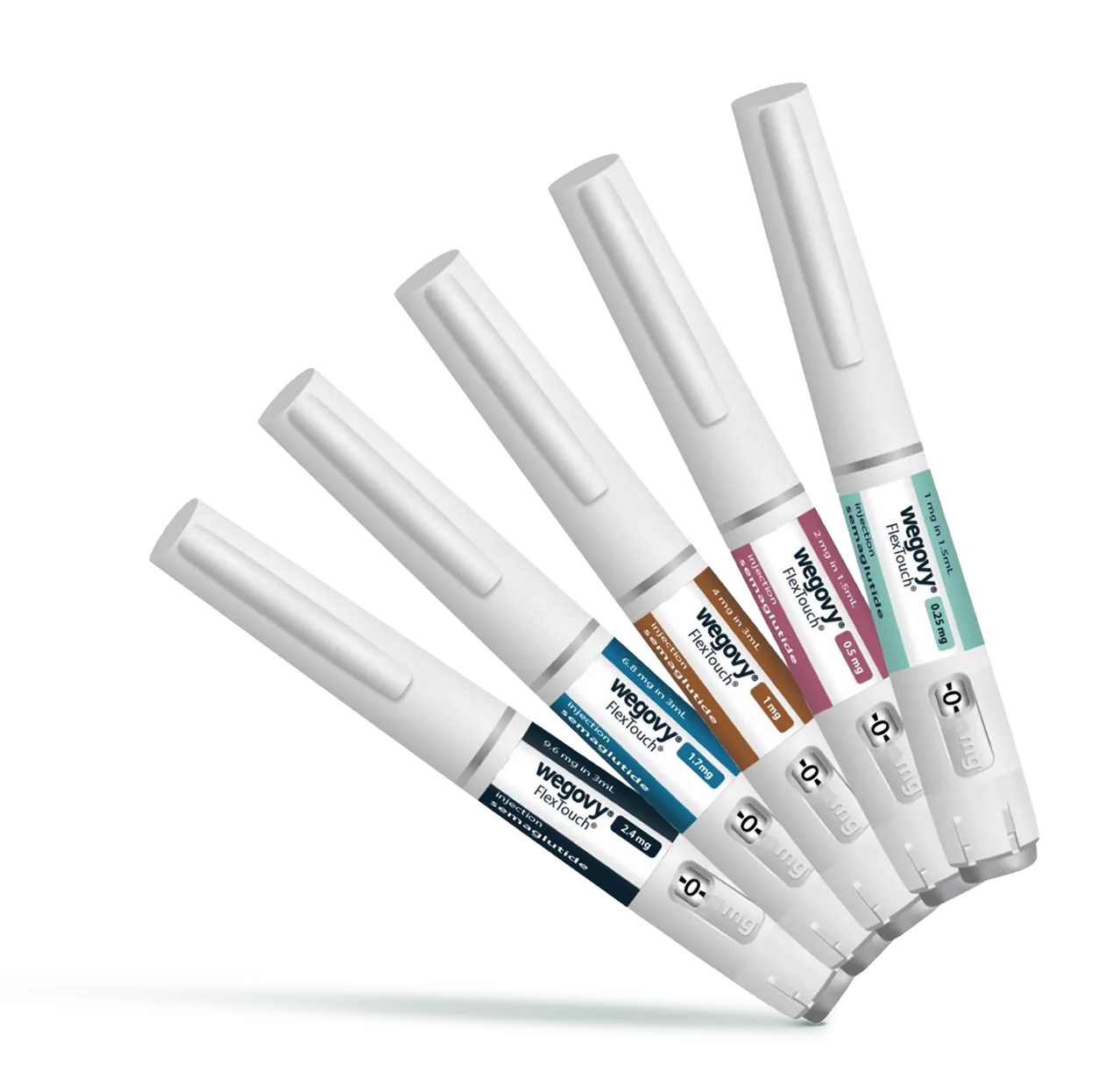
Key Insights About Wegovy Dizziness
- ✔Dizziness is a recognised Wegovy side effect, particularly during early treatment or dose increases.
- ✔Dehydration, inadequate food intake and blood pressure changes may contribute to lightheadedness.
- ✔Low blood sugar is a greater concern when Wegovy is combined with insulin or sulfonylureas.
- ✔Regular meals, sufficient fluids and gradual movements may help reduce dizzy spells.
- ✔Alcohol and certain medicines may worsen dizziness, making symptom monitoring important.
- ✔Persistent dizziness requires medical advice, while fainting, chest pain or sudden neurological symptoms need emergency attention.
Does Wegovy Cause Dizziness During Treatment?
Feeling dizzy on Wegovy is a recognised treatment-related complaint, particularly during the initial weeks or following dosage adjustments. The UK patient information leaflet lists dizziness as a common side effect and notes that it may occur mainly during the first three months of treatment. Changes in hydration, food intake or blood pressure may also contribute to episodes of lightheadedness.
While mild dizziness may settle as patients adapt to semaglutide, its cause should not automatically be attributed to the medication. Tracking when dizziness occurs, its duration and any accompanying symptoms can help identify patterns that may need further investigation. Persistent dizziness, fainting or symptoms that interfere with daily activities should be assessed by a healthcare professional.
What Causes Dizziness on Wegovy?
Several factors can contribute to feeling dizzy on Wegovy, ranging from changes in blood pressure to inadequate nutrition and fluid intake. These symptoms may appear when treatment begins or following a dosage increase. Identifying the underlying trigger is important because dizziness does not always result directly from semaglutide.
Changes in Blood Pressure
A reduction in body weight may also lower blood pressure, particularly in people already taking medication for hypertension. This can sometimes cause lightheadedness when moving quickly from lying or sitting to standing. The resulting sensation, known as postural hypotension, may briefly affect balance and increase the likelihood of feeling faint.
Inadequate Nutrition and Energy Intake
Wegovy reduces hunger, which can make it easier to unintentionally skip meals or consume insufficient calories. When nutritional intake falls considerably, some individuals experience fatigue, reduced energy and occasional lightheadedness. Maintaining regular, nutritious meals can help support daily energy requirements while undergoing weight loss treatment.
Fluid Loss and Dehydration
Vomiting, diarrhoea and difficulty drinking enough fluids can contribute to dehydration during semaglutide treatment. As fluid levels decline, circulating blood volume may decrease, potentially causing weakness or dizziness. Replacing lost fluids is particularly important when gastrointestinal symptoms interfere with normal eating and drinking habits.
Low Blood Glucose Levels
Hypoglycaemia is an important consideration for patients using insulin or sulfonylureas alongside Wegovy. A significant fall in blood glucose may produce sweating, trembling, weakness and dizziness. Although low blood sugar is less common with semaglutide alone, patients taking additional diabetes medicines may require closer monitoring and medication review.
Balance and Inner Ear Conditions
Not every episode of dizziness originates from blood pressure, hydration or food intake. Inner ear disorders, vertigo and other medical conditions can also cause unsteadiness during Wegovy treatment. A direct link between semaglutide and vestibular dysfunction has not been established, so persistent spinning sensations or balance disturbances warrant further investigation.
If dizziness continues or affects everyday activities, an online consultation with a qualified healthcare professional can help review possible causes, current medicines and treatment tolerance. This assessment may also establish whether further investigations or adjustments to the prescribed Wegovy schedule are appropriate.
Can Increasing Your Wegovy Dose Make You Dizzy?
Dizziness may become more noticeable after a Wegovy dose increase, particularly if stronger appetite suppression leads to reduced food or fluid intake. Gastrointestinal reactions such as nausea and vomiting may also intensify temporarily, increasing the likelihood of dehydration and lightheadedness.
Although these symptoms may ease as treatment becomes better tolerated, dizziness should not automatically be considered a normal adjustment. Repeated episodes, faintness or worsening weakness may indicate dehydration, low blood pressure or another underlying problem. Patients should discuss persistent symptoms with their prescriber before making further dosage changes.
Can Alcohol Increase Dizziness While Taking Wegovy?
Drinking alcohol during Wegovy treatment may increase the likelihood of feeling lightheaded, particularly when food consumption is lower than usual. Alcohol can affect coordination and blood pressure, while inadequate fluid intake may contribute to dehydration. Together, these factors can make episodes of dizziness more noticeable.
Alcohol may also lower blood glucose levels, especially when consumed without food or alongside certain diabetes medicines. Although Wegovy does not have a specifically established interaction that makes alcohol stronger, reduced food intake may influence how well it is tolerated. Patients who feel dizzy on Wegovy after drinking should avoid further alcohol, rehydrate and seek medical advice if symptoms persist or worsen.
How to Manage Dizziness on Wegovy
Managing occasional dizziness during Wegovy treatment involves recognising personal triggers and taking appropriate precautions. Simple changes to daily routines can help reduce discomfort, prevent falls and support safer weight management.
Immediate Steps During Dizziness
If you experience a dizzy spell, take these precautions:
- Rest safely: Sit or lie down until the sensation passes to reduce the risk of falling.
- Avoid driving: Do not operate vehicles or machinery while feeling lightheaded or unsteady.
- Stand gradually: Move slowly from lying to sitting, pause briefly and use a stable surface when standing.
Daily Habits to Prevent Dizziness
Small lifestyle adjustments may help reduce recurring episodes:
- Stay hydrated: Drink fluids regularly throughout the day. If vomiting or diarrhoea causes fluid loss, oral rehydration solutions may help restore essential fluids and electrolytes.
- Eat balanced meals: Include protein, fibre and slow-release carbohydrates in smaller, regular portions to maintain energy.
- Limit potential triggers: Reduce alcohol, excessive caffeine and nicotine if they worsen symptoms.
- Track dizzy spells: Record episodes alongside meals, fluid intake, injection dates and relevant blood pressure or glucose readings.
If dizziness persists or interferes with daily activities, seek advice from your prescriber. Online Weight Loss Clinic provides personalised weight management support to help patients assess treatment tolerance and identify suitable next steps.
Serious Dizziness on Wegovy: Warning Signs to Watch For
Feeling dizzy on Wegovy is not always a minor treatment reaction. Although occasional lightheadedness may settle, dizziness accompanied by neurological, cardiovascular or severe dehydration symptoms can indicate a more serious medical condition requiring immediate attention.
Symptoms That Require Urgent Medical Attention
Seek urgent medical assessment if dizziness occurs alongside any of the following:
- Sudden neurological changes: Difficulty speaking, one-sided weakness, numbness or problems with coordination may indicate a stroke.
- Visual disturbances: Sudden blurred vision, double vision or loss of sight requires immediate assessment.
- Fainting episodes: Collapse, loss of consciousness or repeated episodes of severe lightheadedness.
- Heart-related symptoms: Chest pain, breathlessness or a rapid, irregular heartbeat.
- Low blood sugar symptoms: Shaking, sweating, confusion or marked weakness, particularly when taking insulin or sulfonylureas.
- Severe dehydration: Persistent vomiting, frequent diarrhoea, very little urine or an inability to retain fluids.
Call 999 immediately for suspected stroke, heart attack, severe breathing difficulties or collapse with failure to recover promptly. Severe hypoglycaemia with impaired consciousness is also an emergency.
For ongoing dizziness without emergency symptoms, contact your GP, prescriber or NHS 111 for assessment. Do not assume that serious symptoms are simply caused by Wegovy or wait for them to resolve without appropriate medical advice.
Conclusion: Staying Safe With Wegovy Dizziness
Feeling dizzy on Wegovy may result from reduced food intake, dehydration or changes in blood pressure, especially during dose increases. Mild episodes may improve with regular meals, sufficient fluids and careful movement. Recognising personal triggers can help patients manage symptoms more effectively.
However, persistent dizziness requires medical assessment, particularly when accompanied by fainting, chest pain, confusion or repeated vomiting. Professional guidance can help identify underlying causes and determine whether treatment adjustments are needed for safer weight management.
FAQs About Wegovy Dizziness
How long does dizziness last after a Wegovy injection?
Dizziness may last a few minutes or persist intermittently, depending on its cause. Symptoms associated with treatment adjustments may improve over time, but ongoing episodes require medical review.
Can Wegovy cause vertigo or a spinning sensation?
Vertigo involves a sensation that you or your surroundings are moving. Although dizziness is a recognised Wegovy side effect, a direct connection with vertigo has not been established. Persistent spinning sensations should be investigated.
Does Wegovy cause dizziness even without diabetes?
Yes, dizziness can occur in people taking Wegovy without diabetes. Potential contributing factors include dehydration, reduced food intake and blood pressure changes, rather than necessarily having low blood sugar.
Can Wegovy cause dizziness several months into treatment?
Yes. Dizziness can develop later in treatment, particularly following weight loss, changes in medication or reduced fluid intake. New symptoms should be assessed rather than automatically attributed to Wegovy.
Can Wegovy cause dizziness and headaches together?
Headaches and dizziness are both recognised adverse reactions to Wegovy. They may occur together, particularly when fluid or nutritional intake is inadequate, although other medical causes should be considered.
Can you exercise while feeling dizzy on Wegovy?
Avoid exercising while dizzy, as reduced balance may increase the risk of injury. Resume physical activity only when symptoms have resolved, and seek medical advice if dizziness repeatedly occurs during exercise.
Can Wegovy interact with blood pressure medicines and cause dizziness?
Weight loss and reduced fluid intake may lower blood pressure, potentially increasing lightheadedness in people taking antihypertensive medicines. A clinician may need to review blood pressure readings and prescribed medication.
Should you check your blood pressure if Wegovy makes you dizzy?
Checking blood pressure may help identify whether low readings contribute to dizziness, particularly when standing. Record your measurements and symptoms for your prescriber, but do not adjust blood pressure medication independently.