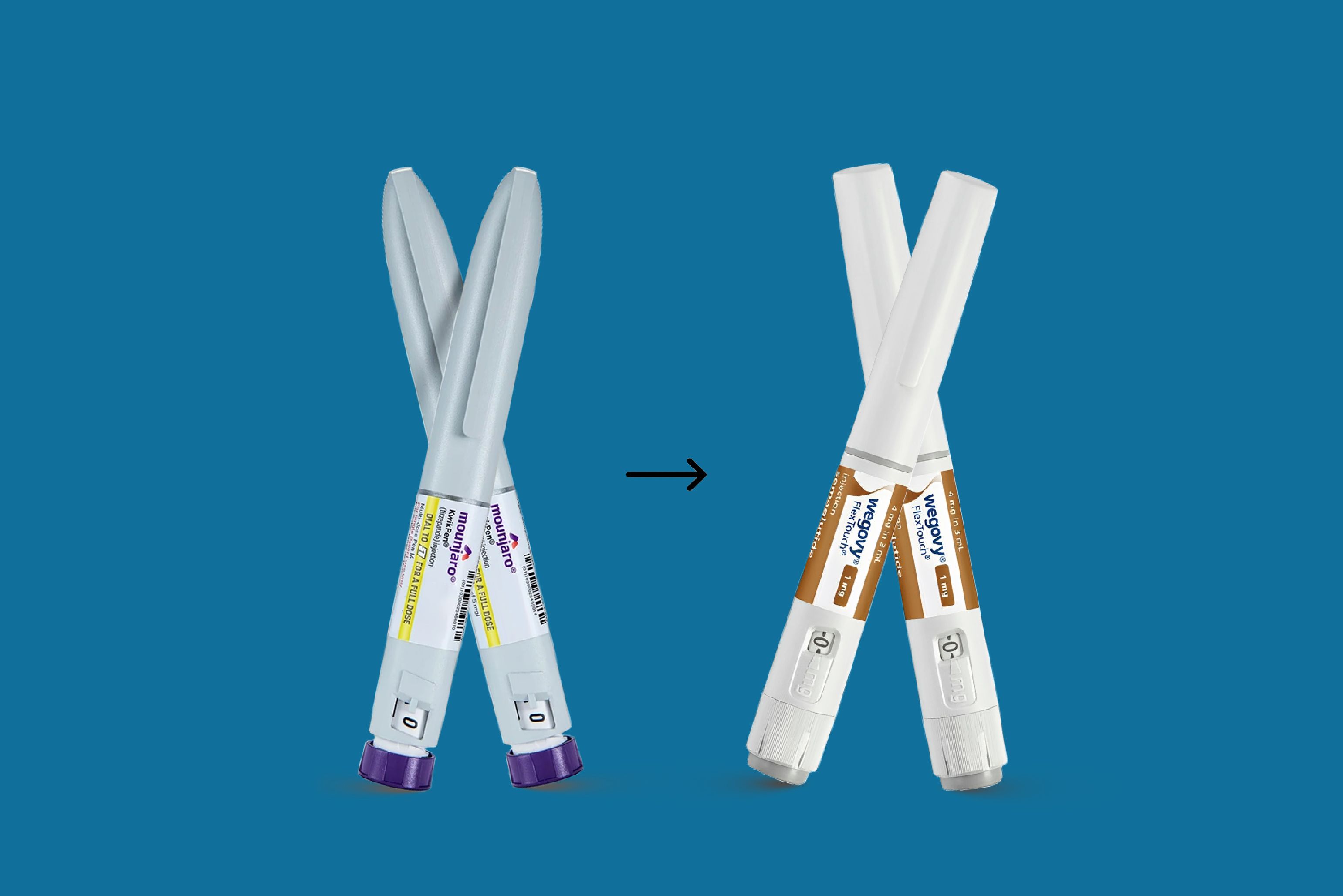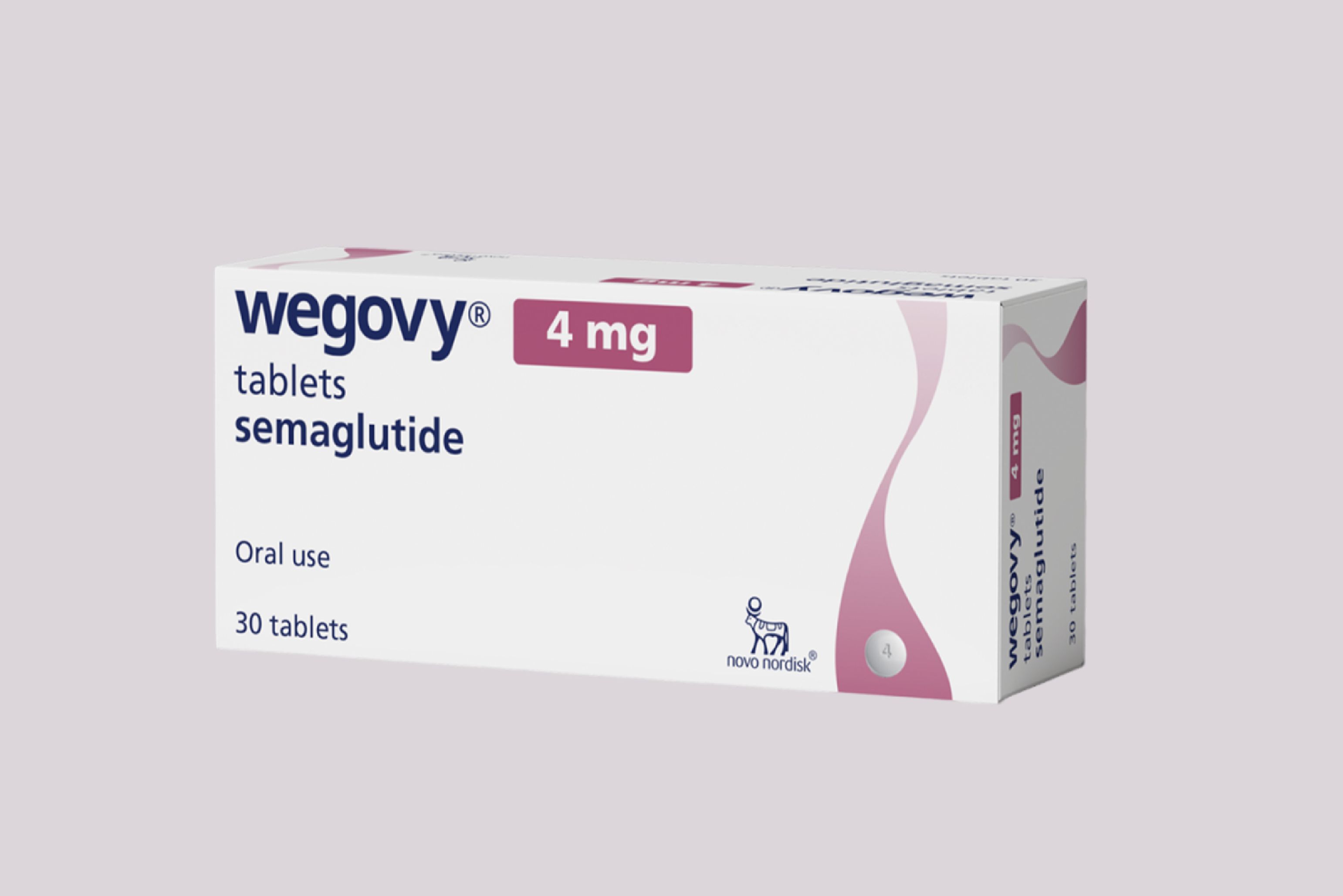

Sleep changes are something some people notice after starting Wegovy, although experiences can vary from person to person. While some users may find it harder to fall asleep or experience disrupted rest, others may feel more tired than usual during treatment. These effects can be linked to how the body adjusts to changes in appetite, digestion and weight management.
Understanding the connection between Wegovy and Sleep can help you recognise possible reasons behind these changes and find ways to support better rest. This guide explores what is known about sleep patterns during treatment and shares practical tips to help you maintain a healthier sleep routine.
GLP-1
Wegovy
A weekly GLP-1 treatment proven to reduce hunger and support meaningful, long-term fat loss.
- ✔~16.9% average body weight loss
- ✔Boosts metabolic & cardiovascular health
- ✔Proven, long-established safety profile
- ✔Weekly injection, easy to use
Key Takeaways for Wegovy and Breastfeeding
- ✔Sleep changes on Wegovy are usually temporary and may occur as your body adjusts to treatment, appetite changes, or dose increases.
- ✔Digestive symptoms, altered eating habits, and reduced calorie intake can all influence sleep quality during treatment.
- ✔Simple habits such as eating earlier, limiting caffeine, staying hydrated, and following a consistent bedtime routine may support better rest.
- ✔Weight loss achieved with Wegovy may improve sleep over time, particularly if excess weight has been affecting breathing during sleep.
- ✔Seek medical advice if sleep problems are persistent, severe, or accompanied by symptoms such as ongoing reflux, excessive daytime fatigue, or signs of sleep apnoea.
How Wegovy Can Influence Sleep Quality?
Wegovy injection may influence sleep quality indirectly as your body adjusts to changes in appetite, digestion, energy levels, and weight management. While sleep problems are not considered a direct common reaction, some people notice changes in their rest after starting treatment. These experiences can differ depending on how your body responds during each stage of treatment.
Sleep Disruptions
Some people may experience difficulty falling asleep, waking up during the night, or struggling to return to sleep, especially during the first few weeks of treatment or after a dose increase. These sleep changes may occur during the early stages of treatment or after dose increases as your body responds to Wegovy.
Daytime Fatigue
Adjustments in food intake and weight loss progress may affect daily energy levels while using Wegovy. Some people report feeling more tired, sluggish, or needing extra rest as their body adapts to changes in appetite, calorie intake, and overall routine.
Vivid Dreams
Some users notice more intense or unusual dreams while taking Wegovy, although this is not confirmed as a direct effect of the medication. Changes in sleep quality, daily habits, stress levels, or lifestyle adjustments may influence how dreams are experienced.
Better Sleep After Weight Loss
For some people, weight loss during Wegovy treatment may support better sleep over time. Reducing excess weight can help improve breathing-related sleep concerns, including obstructive sleep apnoea, meaning some individuals may notice positive changes in their overall sleep quality.
Why Does Wegovy Affect Sleep for Some People?
Wegovy may influence sleep through changes in digestion, appetite regulation, energy balance, and other processes involved in weight management. These effects can vary between individuals depending on how their body responds to treatment.
Slower Digestion
Wegovy slows the movement of food through the stomach, which may cause digestive discomfort for some users. Symptoms such as bloating, nausea, or acid reflux, especially after eating close to bedtime, may interrupt sleep or make it harder to rest comfortably.
Blood Sugar Changes
Wegovy can affect appetite and calorie intake, which may influence blood sugar patterns during the day and overnight. Reduced evening food intake or changes in energy use may sometimes contribute to restlessness or lighter sleep as the body adapts to a new energy balance.
Appetite Changes
Changes in appetite and eating habits may affect your usual routine while taking Wegovy. Some people notice differences in sleep patterns as their body adjusts to smaller meals, reduced calorie intake, and changes in daily energy levels.
Hormonal Adjustments
Wegovy works through GLP-1 pathways involved in appetite regulation and communication between the body and brain. As these processes adjust during treatment, some people may notice temporary sleep changes, such as vivid dreams or difficulty settling at night.
Managing Sleep Changes During Wegovy Treatment
Sleep changes during Wegovy treatment may be supported by adjusting daily habits and routines. Factors such as digestion, appetite changes, and treatment adjustments can influence rest, particularly during the early stages. Improving meal timing, hydration, bedtime habits, and your sleep environment may help promote better sleep while addressing ongoing concerns with professional guidance.
Adjust Evening Meal Timing
Wegovy may slow digestion, so eating too close to bedtime can increase feelings of fullness, nausea, bloating, or acid reflux. Planning balanced meals and following a structured approach to eating, such as these meal prep tips for weight loss, can help you maintain better meal timing. Finishing your final meal around 3 to 4 hours before sleep may give your body more time to process food comfortably.
Choose Lighter Evening Foods
Large, spicy, or high-fat meals may feel harder to tolerate during Wegovy treatment. Choosing smaller portions and lighter evening foods can help reduce digestive discomfort, while a small protein-rich snack may be a better option if you feel hungry before bed.
Stay Upright After Eating
Lying down soon after eating may increase discomfort for some people experiencing slower digestion. Staying upright for a while after meals may help reduce the chance of reflux or other digestive symptoms affecting your sleep.
Maintain Good Hydration
Drinking enough water throughout the day can support overall comfort and help manage some treatment-related symptoms. However, reducing fluid intake shortly before bedtime may help prevent frequent nighttime bathroom trips.
Limit Caffeine and Alcohol
Caffeine later in the day can make it harder to fall asleep, while alcohol may affect sleep quality and lead to more disrupted rest. Limiting these drinks, especially in the afternoon and evening, may support a healthier sleep routine.
Create a Consistent Sleep Routine
Maintaining a regular sleep schedule can help your body establish a healthier sleep pattern. Going to bed and waking up at consistent times each day supports your natural sleep cycle, while a relaxing bedtime routine can help your mind and body unwind before sleep.
Reduce Screen Time Before Bed
Using phones, tablets, or televisions close to bedtime may make it harder to switch off and relax. Reducing screen exposure for around an hour before sleep can create a more restful transition into bedtime.
Improve Your Sleep Environment
Creating a comfortable sleep space can support better rest while using Wegovy. Keeping your bedroom cool, dark, and quiet may help your body relax more easily. A calming environment, along with a consistent bedtime routine, can encourage more regular sleep patterns and make it easier to settle at night.
Review Ongoing Sleep Concerns
Monitoring your sleep patterns, symptoms, and any changes over time can help you better understand your experience during Wegovy treatment. This information can provide valuable context when speaking with your healthcare provider and help them assess your concerns more effectively.
How Weight Loss With Wegovy May Affect Sleep Quality
Weight changes can influence sleep patterns, especially for people who experience discomfort or breathing-related sleep concerns linked with excess weight. While Wegovy is not a sleep treatment, the weight loss achieved during treatment may indirectly support better rest by improving factors that affect sleep quality.
Short-Term Sleep Changes
Some people may notice temporary sleep disruption during the early stages of Wegovy treatment. These changes are often linked with the adjustment period rather than a direct effect on sleep itself. These effects are often related to the adjustment period rather than a direct impact on sleep itself.
Weight and Sleep Connection
Excess weight can contribute to sleep difficulties, including breathing problems during the night. As weight decreases, some people may experience changes in comfort, breathing, and overall sleep patterns.
Long-Term Sleep Effects
The effect of weight loss on sleep differs between individuals. Some people may notice changes in breathing comfort, sleep consistency, or symptoms linked with conditions such as obstructive sleep apnoea as their weight changes.
When Should You Seek Advice for Sleep Problems?
Sleep changes during Wegovy treatment can vary between individuals, and mild disruptions may improve as your body adjusts. However, ongoing or severe sleep concerns should be discussed with a healthcare professional, especially when they affect your daily activities, energy levels, or overall wellbeing.
Ongoing Sleep Issues
If sleep changes continue for several weeks without improvement, it may be helpful to seek professional advice. This is especially important if symptoms become worse after a dose increase or start affecting your daily routine and quality of life.
Severe Insomnia
Persistent difficulty falling asleep, frequent waking, or poor-quality rest may require further assessment. A healthcare professional can help identify whether your sleep concerns are linked to Wegovy, lifestyle factors, or another underlying issue.
Daytime Sleepiness
Excessive tiredness, difficulty staying alert, or needing frequent naps may suggest that your sleep quality is being affected. Discussing these symptoms can help determine possible causes and the right steps to support better rest.
Sleep Apnoea Signs
Loud snoring, breathing pauses during sleep, gasping for air, or waking up with morning headaches may be signs of sleep apnoea. These symptoms should be assessed by a healthcare professional, particularly if they continue over time.
Ongoing Reflux
Persistent nausea, acid reflux, or stomach discomfort that repeatedly interrupts sleep should be discussed with a healthcare professional. They can review your symptoms and suggest suitable ways to manage digestive issues affecting your rest.
Other Causes
Sleep problems are not always caused by Wegovy. Stress, lifestyle changes, other medications, or underlying health conditions may also affect sleep quality. Mood changes such as low mood, anxiety, or increased irritability alongside sleep problems should also be discussed.
If sleep concerns make you consider stopping Wegovy, speak with a healthcare professional first. Online Weight Loss Clinic can offer personalised guidance to help you understand your symptoms and explore the most suitable approach for your weight management journey.
Conclusion: Better Sleep With Wegovy
Sleep is an important part of overall wellbeing, and understanding how your body responds during Wegovy treatment can help you make informed decisions throughout your journey. Paying attention to changes, maintaining healthy routines, and staying connected with your healthcare team can help you feel more confident during treatment.
Every person’s experience with Wegovy is different, and there is no single approach that works for everyone. By listening to your body and addressing concerns early, you can support a healthier and more balanced weight management experience.
GLP-1
Wegovy
A weekly GLP-1 treatment proven to reduce hunger and support meaningful, long-term fat loss.
- ✔~16.9% average body weight loss
- ✔Boosts metabolic & cardiovascular health
- ✔Proven, long-established safety profile
- ✔Weekly injection, easy to use
GLP-1 / GIP
Mounjaro
Dual-agonist support that helps curb appetite, hunger, and cravings to drive substantial, sustained weight loss.
- ✔~22.5% average body weight loss
- ✔Significant weight reduction
- ✔Improves blood sugar levels
- ✔Clinically proven weight loss
FAQs About Wegovy and Sleep
Can Wegovy make you feel tired during the day?
Some people may experience tiredness while taking Wegovy, especially during the early stages of treatment. Changes in appetite, calorie intake, digestion, and weight management can all influence energy levels. If ongoing fatigue affects your daily activities, speak with a healthcare professional.
Does Wegovy affect your sleep cycle?
Wegovy is not known to directly change your natural sleep cycle. However, changes in appetite, digestion, and daily routines during treatment may influence sleep patterns for some people. Individual experiences can vary depending on how your body responds.
Can taking Wegovy at night affect sleep?
Some people notice sleep changes around their injection day, although Wegovy can be taken at any time of day. If you notice a pattern between your injection timing and sleep, discuss this with your healthcare provider before making changes.
Does Wegovy cause nightmares?
Nightmares are not a confirmed common side effect of Wegovy. However, some users report experiencing vivid or unusual dreams during treatment. Changes in sleep quality, stress levels, or lifestyle habits may influence dream experiences.
Can Wegovy affect your energy levels?
Wegovy may affect energy levels indirectly through changes in appetite, food intake, and weight management. Some people feel more tired while adjusting to treatment, while others may notice changes as their body adapts over time.
Can lack of sleep affect Wegovy weight loss results?
Poor sleep can influence appetite, energy levels, and healthy lifestyle habits, which may affect your overall weight management journey. Maintaining a balanced routine, including good sleep habits, can support your treatment goals.
Can I take sleep medication while using Wegovy?
Do not start any sleep medication, including over-the-counter options, without discussing it with a healthcare professional. They can consider your overall health, current medicines, and Wegovy treatment before recommending suitable options.
How long do sleep changes last after starting Wegovy?
Sleep changes may vary between individuals. Some people notice temporary changes during the early adjustment period, while others may experience ongoing symptoms. If sleep problems continue or become disruptive, speak with a healthcare professional.