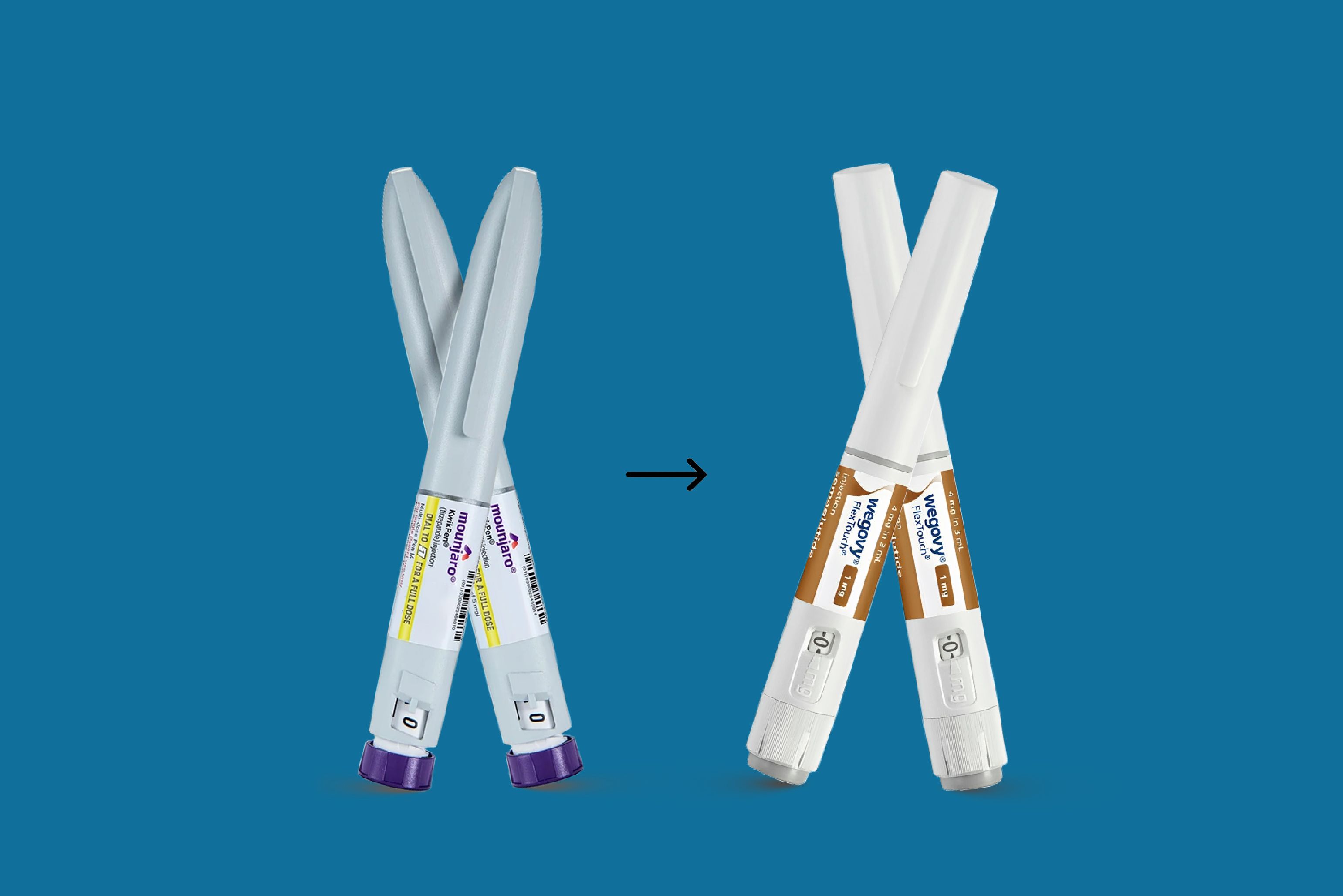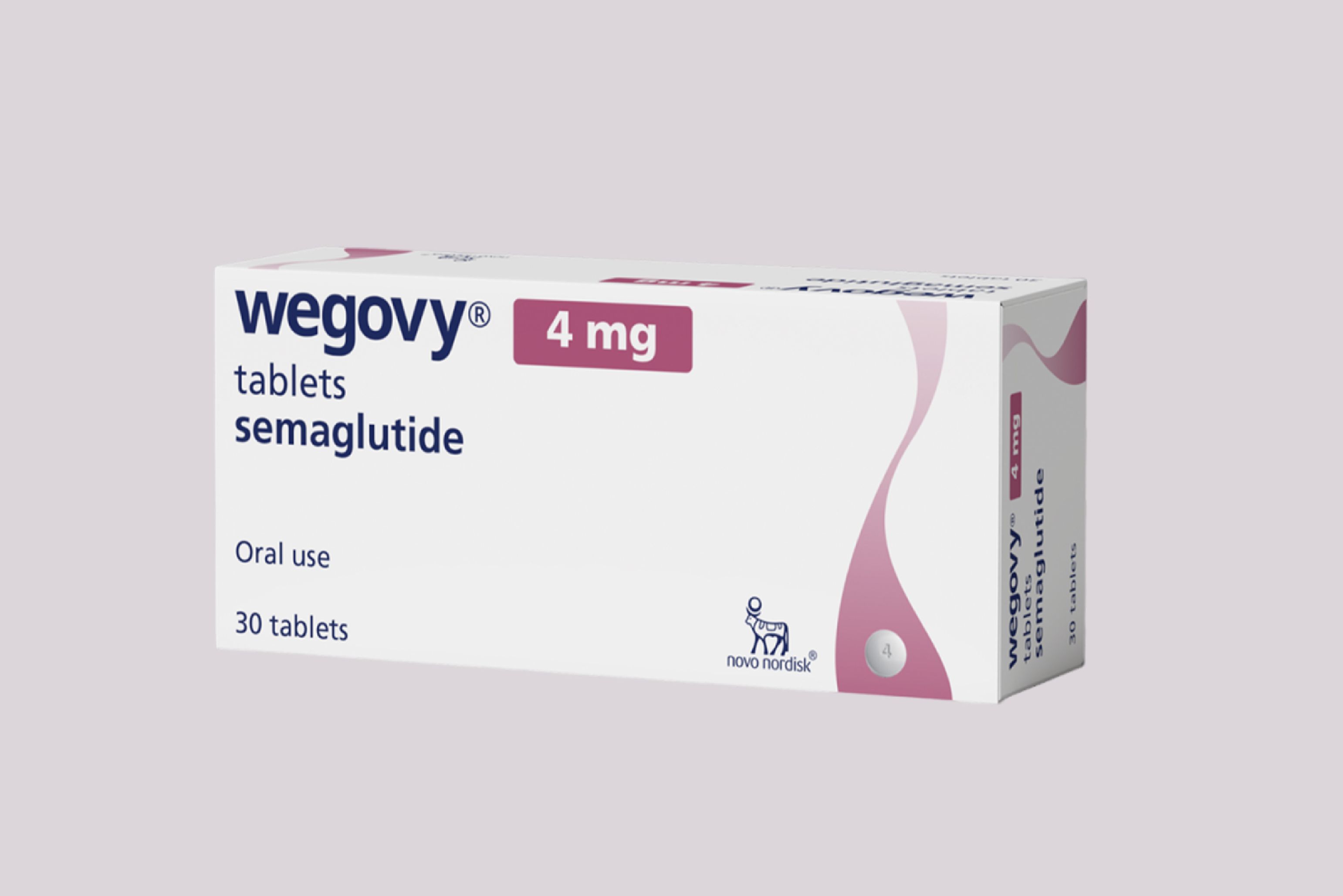

A few routine blood tests before starting Wegovy injection treatment can provide valuable information about your overall health. They help your clinician identify any conditions that may need attention and create a safe baseline before your weight loss journey begins.
Blood tests may assess blood sugar through HbA1c and fasting glucose, kidney function using creatinine and eGFR, liver enzymes including ALT and AST, thyroid function with TSH, cholesterol and triglycerides through a lipid profile and your general health with a complete blood count (CBC).
GLP-1
Wegovy
A weekly GLP-1 treatment proven to reduce hunger and support meaningful, long-term fat loss.
- ✔~16.9% average body weight loss
- ✔Boosts metabolic & cardiovascular health
- ✔Proven, long-established safety profile
- ✔Weekly injection, easy to use
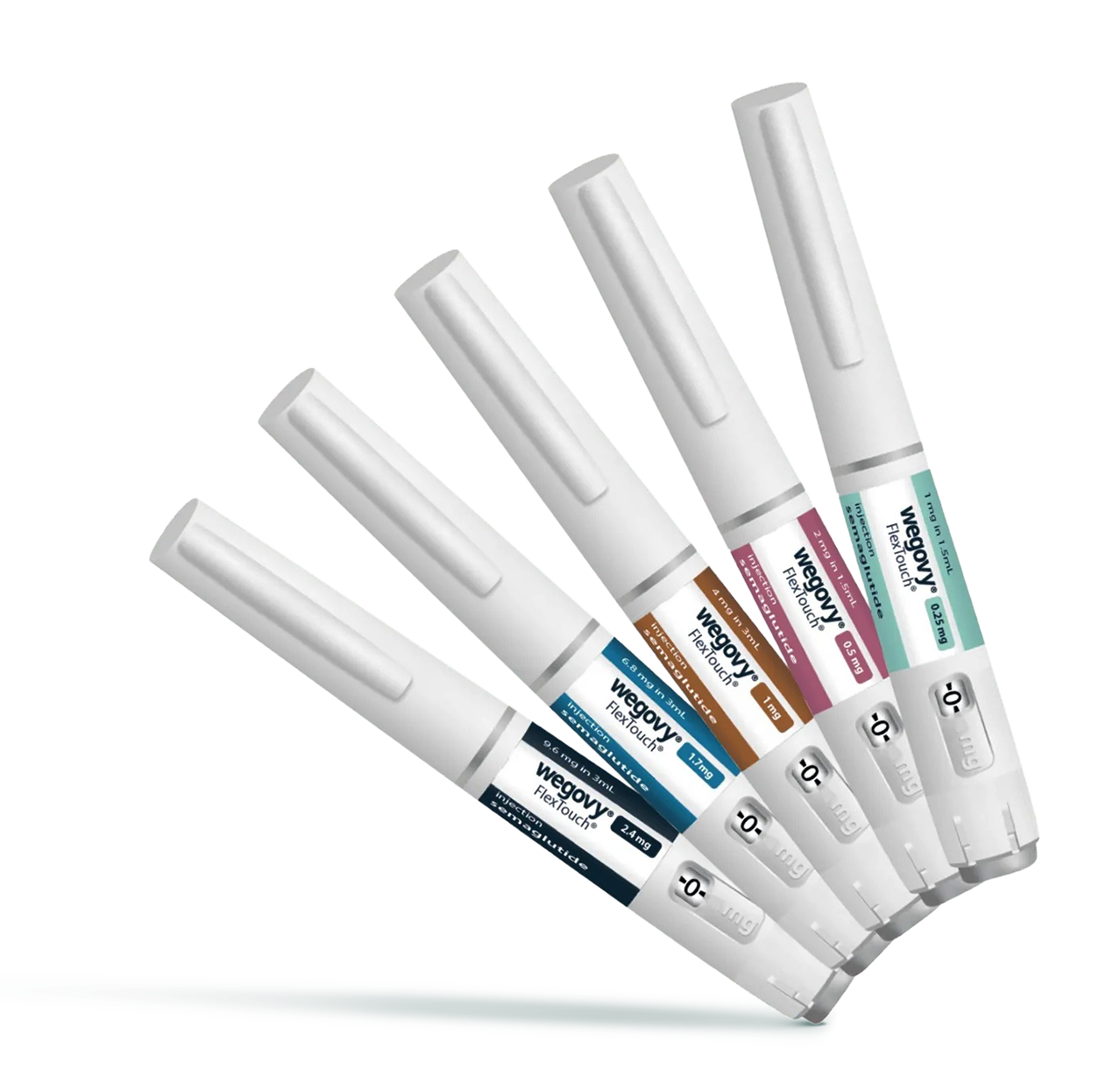
Key Facts: Essential Blood Tests for Safe Wegovy Treatment
- ✔Baseline blood tests help determine whether Wegovy is suitable for your individual health needs before treatment begins.
- ✔Routine checks can assess blood sugar, liver and kidney function, thyroid health and overall metabolic wellbeing.
- ✔Blood test results provide a baseline that helps clinicians monitor your progress and identify any changes during treatment.
- ✔Ongoing monitoring may be recommended to support safe prescribing and ensure your body is responding well to treatment.
- ✔Following your clinician's advice on blood tests and follow-up appointments can help you get the most from your weight loss journey.
Why Blood Tests Are Required Before Weight Loss Injection
Before prescribing Wegovy for weight loss, your clinician may recommend a blood test before Wegovy treatment to assess your overall health and ensure the medicine is suitable for you. These baseline checks help identify underlying conditions, assess important organ function and provide a safe starting point for monitoring your progress throughout treatment.
- Check blood sugar: HbA1c and other glucose tests help identify diabetes or pre-diabetes before treatment begins.
- Assess liver and kidney health: Blood tests evaluate whether these organs are functioning well enough to support treatment safely.
- Screen for thyroid conditions: Thyroid function tests can help identify conditions such as hypothyroidism that may contribute to weight gain and may be considered where clinically appropriate.
- Review pancreatic health: In some cases a blood test before Wegovy may include pancreatic enzyme tests if clinically indicated or if there is a history suggesting an increased risk of pancreatic problems.
If you are considering treatment, a Wegovy online consultation provides an opportunity to assess your suitability, review any existing blood test results and determine whether further investigations are recommended before prescribing.
Which Blood Tests Are Usually Checked Before Starting Wegovy Treatment?
Before starting Wegovy injection treatment, your clinician may recommend a range of baseline blood tests to assess your overall health and determine whether the medicine is suitable for you. These tests help identify any underlying conditions, establish a reference point for future monitoring and support safe prescribing based on your individual clinical assessment.
HbA1c or Fasting Glucose
HbA1c and fasting glucose measure your blood sugar levels and help identify diabetes or pre-diabetes before treatment begins. These results also provide a useful baseline for monitoring any changes in glucose control during treatment.
Comprehensive Metabolic Panel (CMP)
A comprehensive metabolic panel assesses important markers of kidney and liver function, including creatinine, eGFR, ALT and AST. These results help your clinician evaluate whether your body can safely process and eliminate the medication.
Lipid Profile
A lipid profile measures cholesterol and triglyceride levels to provide an overview of your cardiovascular health. Recording these values before treatment allows your clinician to monitor any improvements that may occur as weight loss progresses.
Thyroid Stimulating Hormone (TSH)
A TSH test evaluates thyroid function and may be recommended if symptoms or your medical history suggest an underlying thyroid condition. Identifying thyroid disorders is important because they can contribute to weight gain and may require separate management.
Pancreatic Enzymes
In some cases, your clinician may request amylase or lipase tests before prescribing a slimming injection, particularly if your medical history indicates an increased risk of pancreatic problems. These tests are not required for everyone but may be considered when clinically appropriate.
If you are considering treatment, the clinicians at Online Weight Loss Clinic can review your medical history, assess any existing blood test results and advise whether additional investigations are needed before starting Wegovy.
Baseline vs Ongoing Monitoring
Baseline tests are the first set taken before starting the once-weekly obesity treatment. They establish a reference point for your health at the beginning.
Ongoing monitoring tests are repeated during treatment. In clinical practice, clinicians often monitor:
- Blood sugar trends through HbA1c
- Cholesterol changes during weight loss
- Kidney and liver values over time
Repeat testing is essential because some markers can change gradually during treatment with the weight loss injection once a week.
How Wegovy Affects Key Organs
The Wegovy injection works through appetite control and metabolism, but its effects reach multiple organs. This is why routine monitoring is used to ensure the body is responding safely and as expected throughout treatment.
- Pancreas: Current research indicates that this medication affects insulin release and digestion. It helps improve blood sugar control, but in rare cases, pancreatic irritation or inflammation can occur. This is why enzymes such as amylase or lipase are sometimes checked before and during treatment.
- Liver: Weight loss improves liver health for most patients, but monitoring remains important. Rapid fat breakdown can temporarily alter liver enzyme levels, especially in people with existing fatty liver disease or past liver concerns.
- Kidneys: Rapid changes in hydration or blood sugar can affect kidney strain. Dehydration from reduced appetite, nausea, or vomiting may temporarily impact kidney function if fluid intake is not maintained.
- Metabolism: Blood sugar and fat metabolism improve steadily under supervision. Many patients see better glucose stability and healthier lipid levels over time with medical guidance and lifestyle support.
This is why organ monitoring is part of safe prescribing.
How Often Are Blood Tests Needed?
Standard practice usually follows this timeline:
- Before starting treatment
- Every 3–6 months during treatment
More frequent testing may be needed if:
- You have type 2 diabetes
- You develop digestive symptoms
- Your dose of the Wegovy injection is increased quickly
- You have kidney or liver conditions
Clinical guidance suggests that testing frequency is always individualised, never one-size-fits-all.
How to Prepare for Your Blood Test
Many people feel anxious while waiting for results, but most tests come back within safe limits and simply help guide treatment.
- 12-hour fasting: Helps stabilise glucose and cholesterol levels, giving a clearer picture of your metabolic health.
- 24-hour alcohol avoidance: Prevents temporary changes in liver enzymes and triglycerides that could affect result interpretation.
- Stay well hydrated: Drink water only, as dehydration can negatively impact kidney readings.
- Avoid iron supplements for 24 hours: Before the test, as they may interfere with certain blood markers.
- Limit vigorous exercise for 48 hours beforehand: Intense activity can temporarily raise muscle-related markers in the blood.
- Avoid heavy meals, especially meat, for 12 hours: Before testing to prevent short-term lipid and enzyme fluctuations.
Poor preparation can skew lipid levels, liver enzymes, and blood sugar values, which may lead to unnecessary concern or repeat testing. Proper preparation ensures your results reflect your true baseline health as accurately as possible.
Conclusion: Health Check for Wegovy Treatment
Before starting a Wegovy injection, having the appropriate blood tests helps your clinician build a clear picture of your overall health and determine whether the treatment is suitable for you. These baseline checks support safe prescribing and provide a reliable reference point for monitoring your progress throughout your weight loss journey.
Regular monitoring during treatment allows your clinician to assess how your body is responding and identify any changes that may require further review. Following personalised medical advice, attending follow-up appointments and completing any recommended blood tests can help ensure your treatment remains both safe and effective.
GLP-1
Wegovy
A weekly GLP-1 treatment proven to reduce hunger and support meaningful, long-term fat loss.
- ✔~16.9% average body weight loss
- ✔Boosts metabolic & cardiovascular health
- ✔Proven, long-established safety profile
- ✔Weekly injection, easy to use
GLP-1 / GIP
Mounjaro
Dual-agonist support that helps curb appetite, hunger, and cravings to drive substantial, sustained weight loss.
- ✔~22.5% average body weight loss
- ✔Significant weight reduction
- ✔Improves blood sugar levels
- ✔Clinically proven weight loss
FAQs
Do you need a blood test before starting Wegovy?
A blood test is commonly recommended before starting Wegovy to assess your overall health and identify any medical conditions that could affect treatment suitability. Your clinician will decide which tests are appropriate based on your medical history and individual circumstances.
Which blood tests are usually checked before Wegovy?
Typical blood tests include HbA1c or fasting glucose, liver and kidney function, thyroid function, a lipid profile and a complete blood count (CBC). Additional investigations may be requested if clinically indicated.
How often are blood tests needed while taking Wegovy?
The frequency of blood tests depends on your health and treatment plan. Some people only require routine monitoring, while others with existing medical conditions or dose changes may need more frequent testing.
Can I start Wegovy without recent blood test results?
In some cases, recent blood test results may be accepted if they remain clinically relevant. If suitable results are unavailable, your clinician may recommend repeat testing before prescribing.
What should I do before my first Wegovy injection?
Before your first injection, follow your clinician's advice, understand how to use the injection pen correctly, stay well hydrated and attend any recommended health assessments or blood tests.
Who may not be suitable for Wegovy?
Wegovy may not be suitable for everyone. It is generally not prescribed for people with certain medical conditions, including a personal or family history of medullary thyroid carcinoma or MEN2, active pancreatitis, pregnancy, breastfeeding or other contraindications identified during clinical assessment.
Will abnormal blood test results prevent me from taking Wegovy?
Not necessarily. Mild abnormalities may only require repeat testing or further investigation. Your clinician will review your results alongside your medical history before deciding whether treatment is appropriate.
Why are follow-up blood tests important during Wegovy treatment?
Follow-up blood tests help monitor your response to treatment, assess blood sugar and organ function and identify any changes that may require further medical review. This helps support safe and effective treatment over time.
References:
https://pmc.ncbi.nlm.nih.gov/articles/PMC11818918/