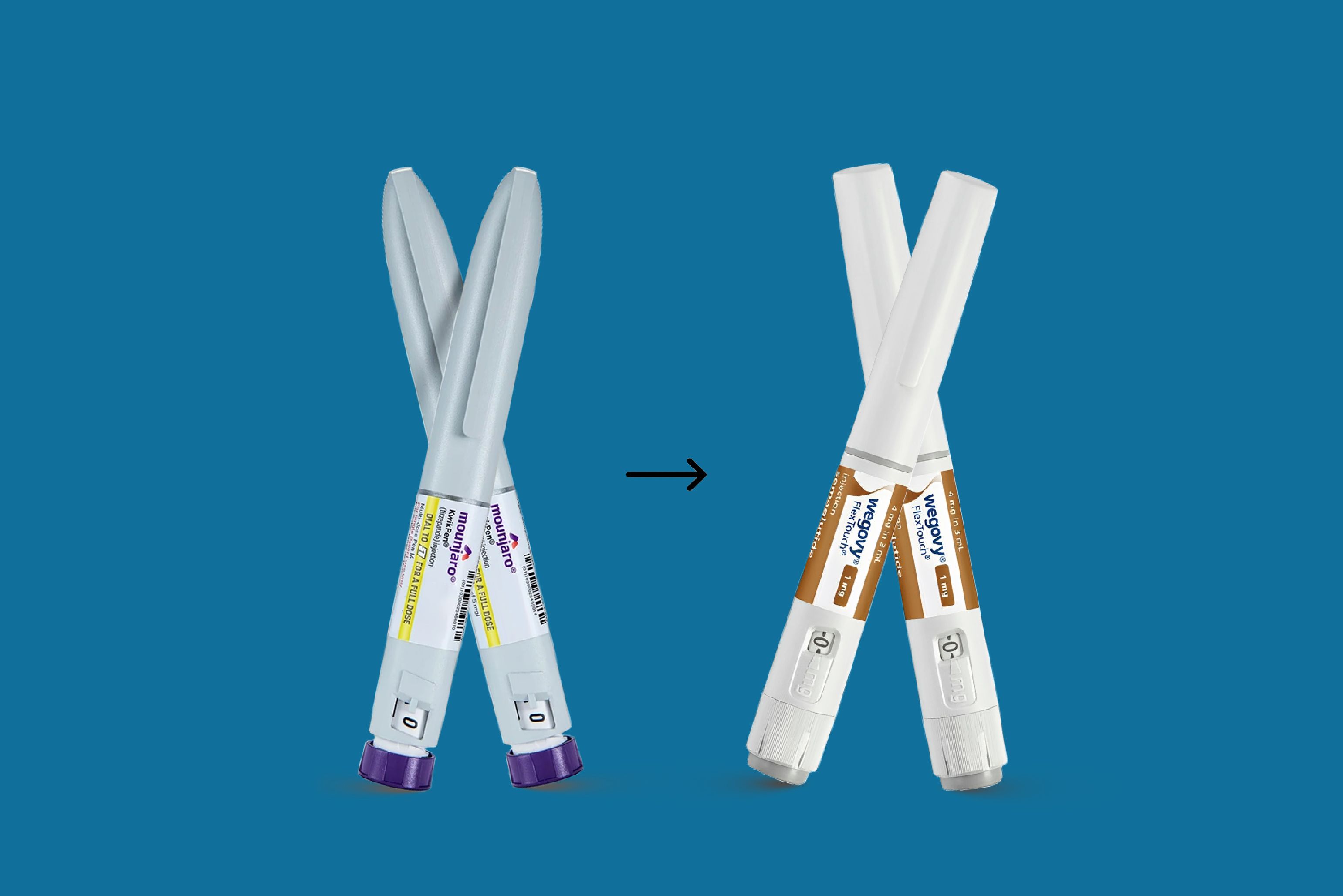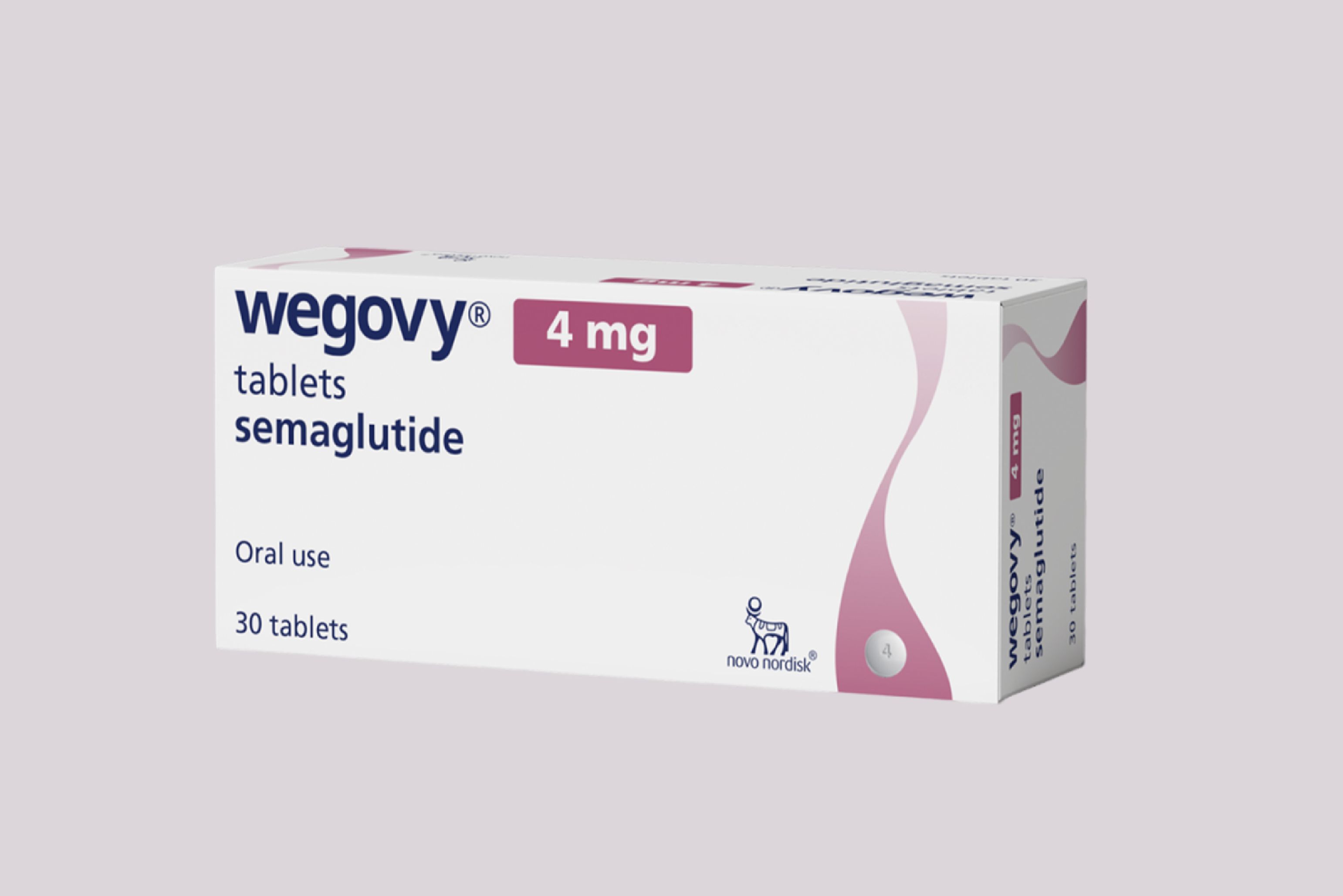

Many people see impressive early results with the Wegovy injection, but it’s very common for progress to slow after a few weeks or months. NHS and NICE guidance highlight that plateaus are a normal part of treatment, not a sign that the medication has stopped working. As your body becomes lighter, your metabolism adjusts, your appetite stabilises, and your daily routine may shift without you realising.
These natural changes can gently reduce the pace of weight loss. Understanding why this slowdown happens can help you stay motivated, reduce unnecessary worry, and feel more confident about your plan. With patience, support, and small lifestyle adjustments, most people continue to see steady progress with the weekly weight-loss injection. If you’d like to understand this journey more clearly, please continue reading.
GLP-1
Wegovy
A weekly GLP-1 treatment proven to reduce hunger and support meaningful, long-term fat loss.
- ✔~16.9% average body weight loss
- ✔Boosts metabolic & cardiovascular health
- ✔Proven, long-established safety profile
- ✔Weekly injection, easy to use
Key Takeaways
- ✔A slowdown in progress while using the Wegovy injection is common and supported by clinical research.
- ✔Your metabolism naturally adapts as you lose weight, which can temporarily reduce the calorie deficit.
- ✔Hormones linked to hunger, stress, and sleep can influence your weekly progress.
- ✔Lifestyle factors such as meal timing, low protein intake, and reduced movement often contribute more than patients expect.
- ✔Medical conditions such as PCOS, menopause, and hypothyroidism can affect results.
- ✔Reviewing your routine, dosage, and expectations can help restart progress safely.
Breaking Down the Wegovy Injection: A Simple Overview
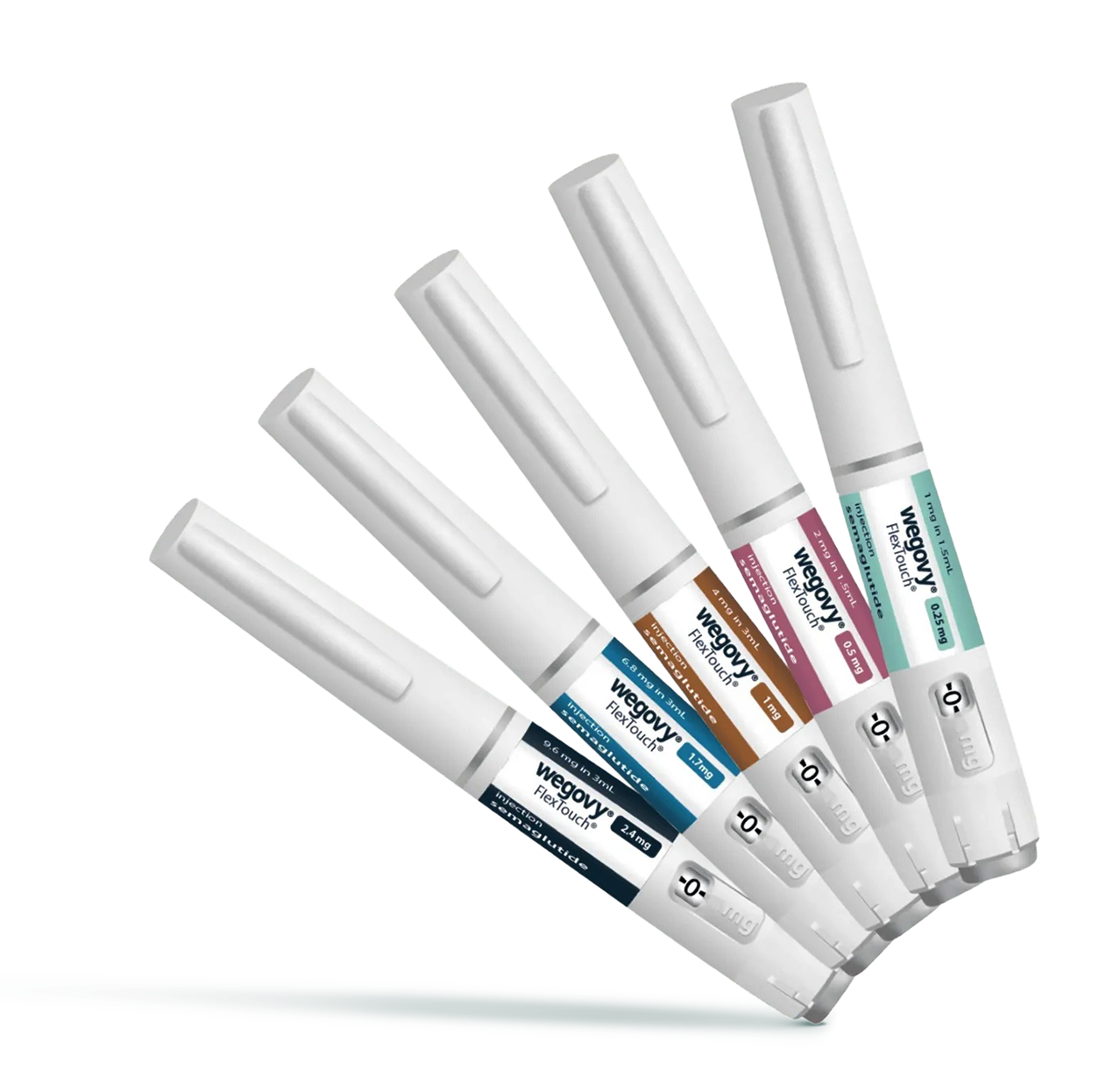
The Wegovy injection contains semaglutide, a GLP-1 medicine used to support safe and clinically monitored weight loss. It functions by copying the action of a natural hormone involved in controlling appetite and blood sugar levels. This leads to a gentler sense of hunger, helps you feel comfortably full after eating, and encourages steady, manageable changes in daily habits.
Patients often notice that smaller portions feel more filling and that their urge to snack gradually decreases. Treatment begins with a lower starting dose and is slowly increased over several weeks. This process helps your body adapt and reduces the risk of side effects such as nausea. Research on semaglutide for weight loss in the UK shows that patients can lose around 10–15% of their starting body weight over time, although results vary.
It’s normal for weight loss to slow as the body adapts. The early phase often brings quick changes due to reduced calorie intake, but the pace naturally becomes steadier once your metabolism adjusts. Some patients using semaglutide injection for weight loss notice clear patterns: rapid early progress, followed by plateaus, then renewed steady loss.
The Science Behind Why Weight Loss Slows Down
Clinical studies published in journals such as JAMA and The Lancet explain why plateaus occur:
1. Metabolic Adaptation
As your body becomes lighter, it burns fewer calories. This is called metabolic adaptation. Even if your habits stay the same, the calorie deficit decreases, and weight loss slows.
2. Adjustments to Hunger Hormones
Semaglutide affects GLP-1, but other hormones, such as ghrelin (hunger hormone) and insulin, gradually stabilise. This can slightly increase appetite again or make you feel hungrier on certain days.
3. Improved Blood Sugar Control
When blood sugar stabilises, your body becomes more efficient at using energy. This can reduce the rate of loss, even though the treatment is still helping.
4. Behaviour and Routine Changes
Patients often report that when the once-weekly obesity treatment becomes routine, small habits slip back larger portions, less movement, or missed meals leading to low energy.
5. Mind-Body Responses
Stress, poor sleep, and routine disruptions trigger cortisol release, which influences appetite and fat storage. NHS guidance highlights this cycle as a key part of any long-term weight-management plan.
Evidence-Based Benefits of Wegovy Injection
Clinical guidelines and research note the following:
- Helps regulate appetite for more consistent eating patterns
- Supports a sustainable calorie reduction
- Improves blood sugar levels and insulin response
- Reduces cravings, especially for high-fat and high-sugar foods
- Helps patients develop longer-term behaviour changes
- Encourages steady and safe weight loss when combined with lifestyle support
Common Reasons Weight Loss Slows Down
Natural Plateaus
This is the most common reason that progress slows. After an initial period of steady loss, the body naturally adjusts and settles into a new balance. Clinical studies show that plateaus happen with all GLP-1 treatments and are considered a normal part of long-term weight management.
Not Enough Protein
Low protein intake can reduce muscle mass, which in turn lowers your metabolic rate and slows progress. For example, one of our patients, Sarah, realised that busy days led her to snack instead of eating balanced meals. Once she added more protein, her weight loss began moving again.
Inconsistent Meal Timing
Skipping meals or eating at irregular times can disrupt hunger signals and make it easier to overeat later in the day. This pattern can also affect blood sugar stability, which may influence cravings and energy levels.
Reduced Movement
People often underestimate how much daily movement drops as they become more comfortable with treatment. Fewer steps, shorter walks, or less household activity can all reduce daily calorie burn without you noticing.
Stress and Cortisol
High stress increases cortisol, a hormone that can trigger emotional eating, stronger cravings, and slower fat loss. Poor sleep caused by stress can also affect appetite regulation and overall motivation.
Dose Not Yet Optimised
Some individuals simply need more time to reach the dose that delivers consistent appetite control. Clinicians usually increase doses gradually, so weight loss may remain steady but slow until the body adapts to the therapeutic level.
Temporary Water Retention
Hormonal changes, higher salt intake, or menstrual cycles can cause the body to hold onto extra water. This may mask fat loss on the scale for a few days, even though progress is still happening internally.
Who Is More Likely to Experience Slower Weight Loss?
Certain groups commonly notice slower progress while using Wegovy injection. People with PCOS often experience hormonal resistance, which can make fat loss slower and more gradual. Those with hypothyroidism may have a naturally reduced metabolic rate, affecting their overall calorie deficit.
Individuals with insulin resistance or Type 2 diabetes process energy differently, which can influence how the body uses stored fat. Women in perimenopause or menopause may experience changes in oestrogen levels that affect appetite, mood, and metabolism.
High-stress lifestyles can also contribute, as elevated cortisol increases cravings and encourages fat storage. Finally, people with low daily activity often need more structured movement routines to see consistent progress.
How the Wegovy Online Prescription Process Works (UK)
A Wegovy online prescription typically involves:
- Completing a secure medical questionnaire
- Clinical review by a licensed prescriber
- Assessment of eligibility, BMI, and medical history
- Guidance on safe dosage escalation
- Delivery from a regulated UK pharmacy
This process ensures you receive genuine treatment, correct dosing, and appropriate monitoring.
Practical Tips to Restart Weight Loss on Wegovy
Increasing your daily hydration can support digestion and help you recognise natural appetite cues more clearly. Adding a source of protein to each meal helps maintain muscle mass and supports a healthy metabolism. Meanwhile, fibre-rich foods such as vegetables, oats, and whole grains can improve fullness and stabilise energy levels.
Simple movement routines, like taking short walking breaks throughout the day, can gently boost calorie burn without feeling overwhelming. Prioritising good-quality sleep is also essential, as it helps regulate hormones linked to hunger and stress. Tracking your hunger patterns can give insight into how your appetite is changing over time, and reviewing your dosage with a clinician can be useful if progress begins to slow.
Weekly weigh-ins, rather than daily checks, provide a more accurate picture of your long-term trend. Practising stress-reduction techniques such as breathing exercises or short mindful pauses can further support your journey. Many patients find that these small, consistent lifestyle choices help restore momentum when using the weekly weight-loss shot.
Conclusion: Plateaus on Wegovy
A slower pace of progress while using a Wegovy injection is a recognised and normal part of weight management. NHS and NICE guidance notes that changes in metabolism can affect the rate of loss over time. With realistic expectations, consistent habits, and gradual lifestyle adjustments, steady progress often continues.
If you are concerned about your results, experiencing side effects, or unsure how to move forward, speaking with a healthcare professional can be helpful. Providers such as Online Weight Loss Clinic offer access to treatment that is subject to medical assessment and ongoing review, ensuring care remains safe, appropriate, and tailored to individual circumstances.
GLP-1
Wegovy
A weekly GLP-1 treatment proven to reduce hunger and support meaningful, long-term fat loss.
- ✔~16.9% average body weight loss
- ✔Boosts metabolic & cardiovascular health
- ✔Proven, long-established safety profile
- ✔Weekly injection, easy to use
GLP-1 / GIP
Mounjaro
Dual-agonist support that helps curb appetite, hunger, and cravings to drive substantial, sustained weight loss.
- ✔~22.5% average body weight loss
- ✔Significant weight reduction
- ✔Improves blood sugar levels
- ✔Clinically proven weight loss
FAQs
Is it normal for weight loss to slow down while using Wegovy?
Yes. Clinical guidance recognises that weight-loss plateaus are common during treatment. As body weight decreases, metabolism adapts, which can temporarily slow progress without meaning the treatment has stopped working.
Does a plateau mean the Wegovy injection is no longer effective?
No. A slower pace does not indicate loss of effect. Many people experience phases of steady loss, pauses, and renewed progress as the body adjusts over time.
Why does metabolism slow as I lose weight?
When body weight reduces, fewer calories are required to maintain basic functions. This natural metabolic adaptation can reduce the calorie deficit, leading to slower weight loss.
Can lifestyle habits affect results even while on treatment?
Yes. Factors such as protein intake, meal timing, physical activity, sleep quality, and stress levels play a significant role and may influence progress more than expected.
Do medical conditions affect how well Wegovy works?
Certain conditions, including PCOS, hypothyroidism, menopause, and insulin resistance, can influence metabolic response and may result in slower or more gradual weight loss.
Should my dose be reviewed if progress slows?
Dose adjustments are sometimes considered as part of routine clinical review. Any changes should only be made following assessment by a qualified healthcare professional.
Is it safe to continue treatment during a weight-loss plateau?
In many cases, yes. Plateaus are a recognised part of long-term weight management. Ongoing monitoring helps ensure treatment remains appropriate and safe.
When should I seek medical advice while using Wegovy?
You should seek advice if you experience side effects, persistent fatigue, dizziness, or uncertainty about progress. Clinical review helps ensure your plan remains suitable and safe.
References:
https://www.health.com/ozempic-wegovy-weight-loss-plateau-7975174
https://diet.mayoclinic.org/us/blog/2024/how-does-semaglutide-work/