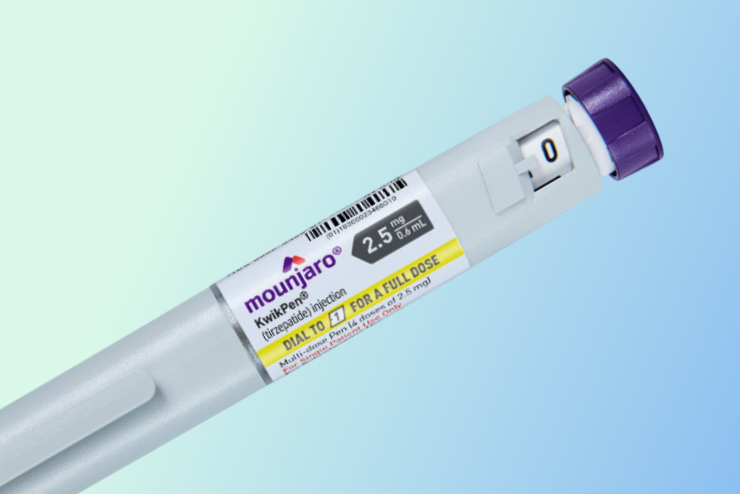
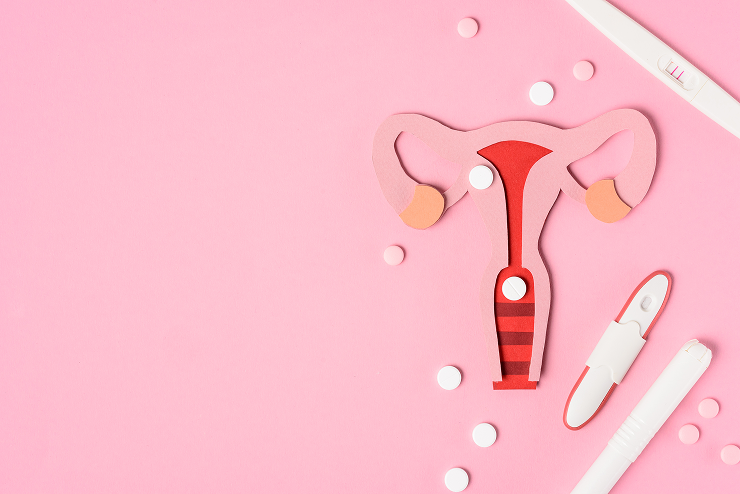
Mounjaro (tirzepatide) is prescribed as Mounjaro for weight loss to support adults living with overweight or obesity when clinically appropriate. While it is not known to directly improve or reduce fertility, the weight loss and metabolic changes it promotes may help restore ovulation and support reproductive health in some people.
If you are planning a pregnancy, it is important to discuss your treatment with your prescriber in advance. Mounjaro and pregnancy are not recommended together, and treatment should generally be stopped at least one month before trying to conceive. As the medicine may reduce the effectiveness of oral contraceptive pills, additional non-oral contraception should be used during treatment.
GLP-1 / GIP
Mounjaro
Dual-agonist support that helps curb appetite, hunger, and cravings to drive substantial, sustained weight loss.
- ✔~22.5% average body weight loss
- ✔Significant weight reduction
- ✔Improves blood sugar levels
- ✔Clinically proven weight loss
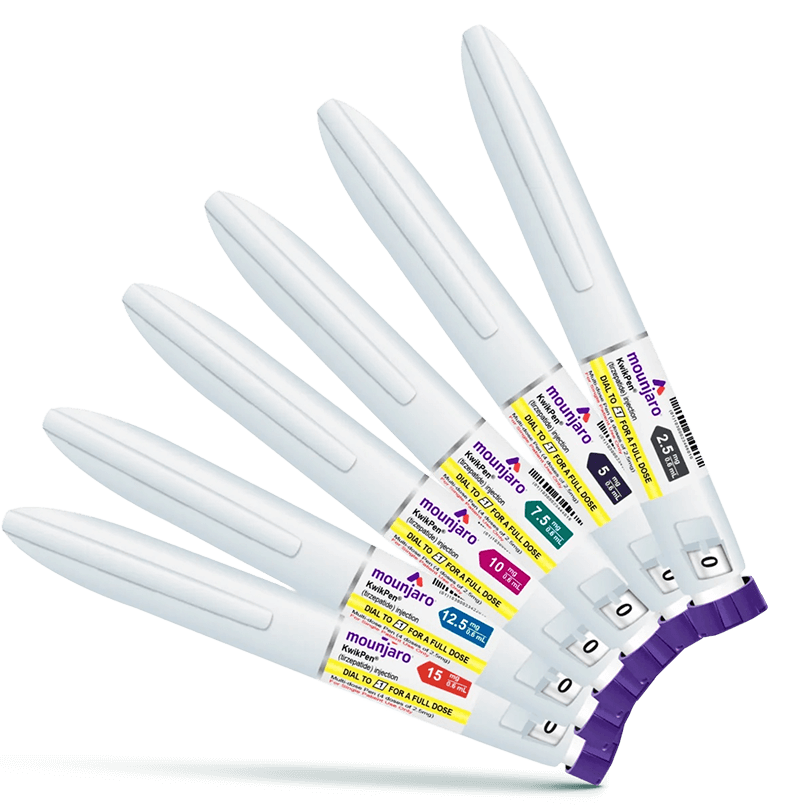
Key Facts About Mounjaro Fertility and Pregnancy
- ✔Mounjaro does not directly affect fertility, but weight loss and improved metabolic health may help restore ovulation in some people.
- ✔Mounjaro should not be used during pregnancy and is generally stopped at least one month before trying to conceive.
- ✔The medicine may reduce the effectiveness of oral contraceptive pills, so a reliable non-oral method or additional barrier contraception is recommended.
- ✔Current evidence on Mounjaro in pregnancy is limited, which is why avoiding treatment during pregnancy remains the safest approach.
- ✔If you become pregnant while taking Mounjaro, stop the medication and seek medical advice promptly to discuss the most appropriate next steps.
What is Mounjaro and How Does It Work?
Mounjaro (tirzepatide) is a prescription, once-weekly injectable medicine used to treat adults with type 2 diabetes and is also prescribed as Mounjaro for weight loss for eligible adults living with overweight or obesity. It works by targeting hormones involved in appetite and blood sugar regulation, helping to reduce food intake, improve glucose control and support sustainable weight management when combined with healthy lifestyle changes.
How It Works
- Targets two gut hormones: Mounjaro is the first dual GIP and GLP-1 receptor agonist, designed to support appetite regulation and blood sugar control.
- Reduces appetite: It helps signal to the brain that you are full, making it easier to eat smaller portions and reduce cravings.
- Slows stomach emptying: Food leaves the stomach more slowly, helping you feel fuller for longer after meals.
- Supports blood sugar control: It encourages insulin release when blood sugar levels rise and reduces the amount of glucose produced by the liver, helping maintain healthier blood sugar levels.
A Mounjaro online consultation allows a qualified prescriber to assess your medical history, eligibility and treatment goals before recommending the most appropriate weight management plan.
Does Mounjaro for Weight Loss Affect Fertility?
Mounjaro does not appear to directly affect fertility. However, the weight loss and improved metabolic health achieved during Mounjaro treatment may help restore ovulation and improve reproductive function in some people. If you are planning to conceive, speak to your prescriber before starting or continuing treatment.
If you are trying to conceive:
- Stop treatment before pregnancy: Mounjaro should generally be stopped at least 1 month before trying to become pregnant, allowing enough time for the medicine to leave your body.
- Avoid use during pregnancy: Animal studies have shown potential harm to the developing baby, so Mounjaro is not recommended during pregnancy.
- Use effective contraception: If you can become pregnant, use reliable contraception while taking Mounjaro.
- Consider non-oral contraception: As Mounjaro slows stomach emptying, it may reduce the effectiveness of the contraceptive pill. A non-oral method, such as an implant, intrauterine device (coil), vaginal ring, or an additional barrier method, is recommended.
What Does the Research Say About Mounjaro and Pregnancy?
Research on Mounjaro (tirzepatide) and pregnancy is currently very limited. Most of the available safety information comes from animal studies, where exposure to tirzepatide was associated with developmental abnormalities and reduced fetal growth. As a precaution, Mounjaro is not recommended during pregnancy, and patients planning to conceive should stop treatment in advance after discussing this with their prescriber.
What do the current human data show?
The human evidence available so far comes from a very small number of unintended pregnancies that occurred during clinical trials. Among 4,701 women who participated in these studies, 6 women became pregnant while receiving Mounjaro.
The reported pregnancy outcomes included:
- 1 healthy live birth
- 1 miscarriage (spontaneous abortion)
- 1 ectopic pregnancy
- 1 elective termination of pregnancy
- 2 pregnancies with no reported outcomes
Because these cases represent such a small number of pregnancies, there is not enough evidence to determine whether Mounjaro directly affects pregnancy outcomes. Until more robust human safety data become available, Mounjaro should be avoided during pregnancy, and anyone planning a pregnancy should consult their healthcare professional before starting or continuing treatment.
When Should You Stop Mounjaro Before Pregnancy?
If you are planning to become pregnant, you should stop taking Mounjaro at least one month before trying to conceive. This allows sufficient time for the medicine to be cleared from your body and follows current prescribing recommendations to help reduce any potential risk to a developing baby.
Some people may choose to stop treatment earlier for added reassurance or based on advice from their healthcare professional. If you are planning a pregnancy, speak to your prescriber before stopping Mounjaro so that your weight management and overall health can continue to be supported safely throughout this transition.
Potential Benefits for Fertility Through Weight Reduction
Weight loss itself is not the medicine but it may improve fertility in several ways:
- Improved ovulation due to reduced insulin resistance
- More regular menstrual cycles
- Lower inflammation
- Reduced androgen levels in PCOS
- Improved outcomes for fertility treatments like IVF
Clinicians often highlight that even a 5–10% reduction in body weight can positively affect natural conception chances.
When to Rush for Medical Help
You should speak with a clinician or contact NHS 111 if you experience:
- Severe abdominal pain
- Persistent vomiting
- Missed periods unexpectedly
- Symptoms suggesting low blood sugar
- Suspected pregnancy
- Heavy or prolonged bleeding
Stop using the Mounjaro for weight loss shots until you receive medical advice.
What Should You Do If You Become Pregnant While Taking Mounjaro
If you accidentally got pregnant on Mounjaro stop taking the medication as soon as you know you are pregnant and contact your GP specialist or maternity team without delay. As Mounjaro and pregnancy are not recommended together seeking prompt medical advice will help ensure you receive appropriate care and any necessary changes to your treatment.
What should you do next?
- Stop your injections: Do not take any more doses unless your healthcare professional tells you to do so.
- Speak to your healthcare team promptly: Tell your GP diabetes specialist or midwife that you are pregnant and have been taking Mounjaro. If you are using it to manage Type 2 diabetes your treatment may need to be changed to a medicine that is considered suitable during pregnancy.
- Provide your treatment details: Be ready to share your current dose, the date of your last injection and how long you have been taking the medication.
- Arrange early antenatal care: Book your first pregnancy appointment as soon as possible so you can receive appropriate assessment support and ongoing monitoring.
- Follow your clinician's advice: Your healthcare team may recommend additional monitoring throughout your Mounjaro pregnancy and record the exposure through established medicine safety reporting systems to help improve understanding of pregnancy outcomes.
Need advice about Mounjaro and pregnancy? Speak with the healthcare professionals at Online Weight Loss Clinic for personalised guidance based on your medical history and pregnancy plans.
Conclusion: Mounjaro Fertility and Pregnancy
While Mounjaro for weight loss may improve fertility indirectly by supporting weight loss and better metabolic health, it is not intended to enhance fertility or to be used during pregnancy. If you are planning to conceive or think you may be pregnant, speak to your healthcare professional as early as possible to discuss the safest approach to your treatment.
Careful planning is essential when using Mounjaro around pregnancy. Following current prescribing guidance, using effective contraception during treatment and stopping the medication before trying to conceive can help reduce potential risks. Your prescriber can advise on suitable alternatives and provide ongoing support based on your individual health needs.
GLP-1
Wegovy
A weekly GLP-1 treatment proven to reduce hunger and support meaningful, long-term fat loss.
- ✔~16.9% average body weight loss
- ✔Boosts metabolic & cardiovascular health
- ✔Proven, long-established safety profile
- ✔Weekly injection, easy to use
GLP-1 / GIP
Mounjaro
Dual-agonist support that helps curb appetite, hunger, and cravings to drive substantial, sustained weight loss.
- ✔~22.5% average body weight loss
- ✔Significant weight reduction
- ✔Improves blood sugar levels
- ✔Clinically proven weight loss
FAQs
Does Mounjaro affect fertility in the long term?
There is currently no evidence that Mounjaro causes long-term fertility problems. In some people, particularly those with insulin resistance or PCOS, the weight loss and metabolic improvements achieved during treatment may help restore ovulation and support reproductive health.
Can you get pregnant while taking Mounjaro?
Yes. Pregnancy can occur while taking Mounjaro, particularly if weight loss leads to improved ovulation and more regular menstrual cycles. As Mounjaro may reduce the effectiveness of oral contraceptive pills, effective non-oral contraception or an additional barrier method is recommended during treatment.
Is it safe to use Mounjaro while trying to conceive?
No. Mounjaro is not recommended if you are trying to become pregnant. If you are planning a pregnancy, speak to your prescriber so your treatment can be reviewed and stopped before you start trying to conceive.
How long before pregnancy should I stop taking Mounjaro?
Current prescribing guidance recommends stopping Mounjaro at least one month before trying to conceive. This provides enough time for the medicine to leave your body before pregnancy begins.
Can Mounjaro improve fertility in women with PCOS?
Mounjaro is not approved as a fertility treatment. However, weight loss and improved insulin sensitivity may help restore ovulation, regulate menstrual cycles and support fertility in some women with PCOS.
What should I do if I miss a period while taking Mounjaro?
If you miss a period or think you may be pregnant, stop taking Mounjaro and contact your GP or healthcare professional promptly. They can confirm the pregnancy and advise on the safest next steps for your treatment.
Does Mounjaro affect male fertility?
There is currently no evidence that Mounjaro has a negative effect on male fertility. If you have concerns about fertility or family planning while taking the medication, discuss them with your healthcare professional.
Can I restart Mounjaro after pregnancy?
You should only restart Mounjaro after pregnancy if your healthcare professional advises that it is appropriate. This decision will depend on your individual health needs, whether you are breastfeeding and your long-term weight management plan.
References:
https://www.ema.europa.eu/en/documents/product-information/mounjaro-epar-product-information_en.pdf
https://dom-pubs.onlinelibrary.wiley.com/doi/full/10.1111/dom.16437
https://www.bda.uk.com/resource/a-clinical-update-on-diet-and-fertility.html