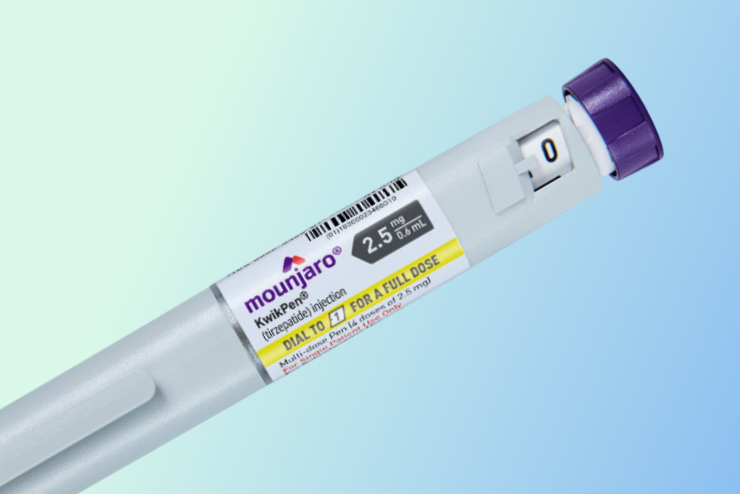

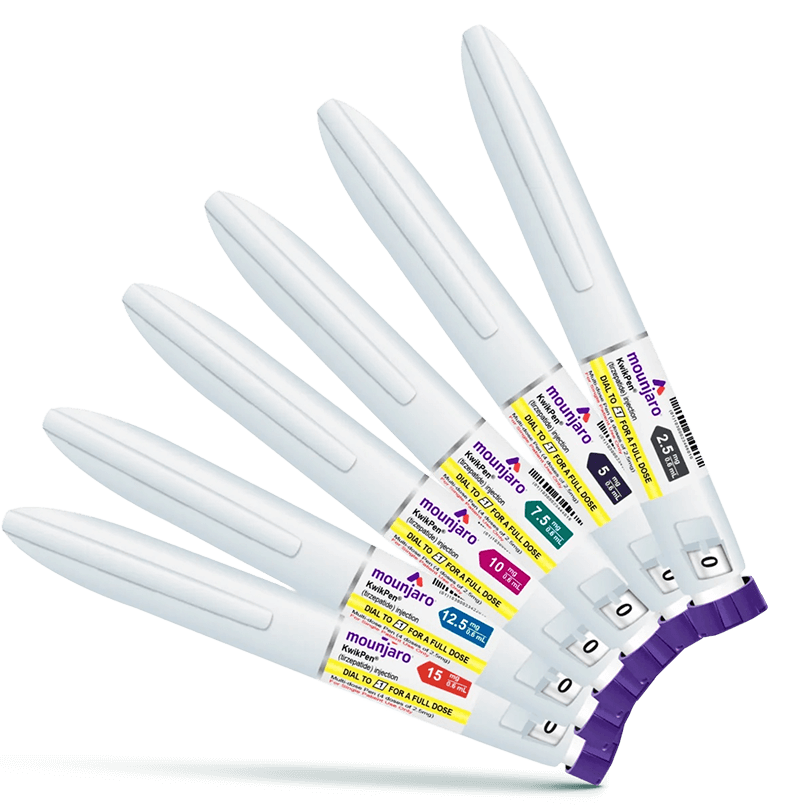
Discovering that you may have taken two Mounjaro injections instead of one can be worrying. Dosing mistakes do happen, and the effects can vary depending on the amount taken, your treatment stage, and your overall health.
If you accidentally took a double dose of Mounjaro, a higher-than-prescribed dose may increase the likelihood of side effects such as nausea, vomiting, diarrhoea, and stomach discomfort. Understanding what symptoms to watch for and when medical advice may be needed can help you respond appropriately and avoid unnecessary panic.
GLP-1 / GIP
Mounjaro
Dual-agonist support that helps curb appetite, hunger, and cravings to drive substantial, sustained weight loss.
- ✔~22.5% average body weight loss
- ✔Significant weight reduction
- ✔Improves blood sugar levels
- ✔Clinically proven weight loss
Key Insights: Mounjaro Double Dose
- ✔A double dose may mean two injections on the same day, taking a dose too early, or accidentally repeating an injection.
- ✔Symptoms are often digestive, including nausea, vomiting, diarrhoea, stomach pain, and loss of appetite.
- ✔A double dose does not always cause a medical emergency, but symptoms should be monitored carefully.
- ✔People using insulin or sulfonylureas may have a higher risk of low blood sugar.
- ✔Severe vomiting, dehydration, severe abdominal pain, allergic symptoms, or confusion need urgent medical advice.
- ✔Do not adjust future doses or skip doses without guidance from a healthcare professional.
- ✔A weekly routine, diary, or reminder app can help prevent repeat dosing mistakes.
What Happens in Your Body After Taking Too Much Mounjaro?
Taking too much Mounjaro injection can intensify its usual effects on appetite, digestion, and blood sugar regulation. The most common symptoms are nausea, vomiting, diarrhoea, stomach discomfort, fatigue, and reduced appetite. Because tirzepatide remains active in the body for several days, symptoms may last longer than expected and can vary significantly between patients.
How Tirzepatide Works
Tirzepatide activates GLP-1 and GIP receptors, two hormone pathways involved in appetite and blood sugar regulation. These signals help reduce hunger, increase fullness, support insulin release, and slow stomach emptying. Taking more than prescribed can make these effects stronger than intended.
Effects on GLP-1 and GIP Activity
When more tirzepatide is taken than prescribed, these effects may become stronger. Patients may feel full for longer, eat less than usual, and experience slower digestion. What many people do not realise is that stronger digestive effects can sometimes lead to reduced fluid intake, increasing the risk of dehydration.
Why Side Effects May Feel Stronger
Higher exposure can intensify common side effects such as nausea, vomiting, diarrhoea, constipation, stomach pain, dizziness, and fatigue. Patients who are new to treatment or have recently increased their dose often report stronger reactions than those who have been using Mounjaro for longer.
Factors That Influence Severity
The severity of symptoms can depend on:
- Current dose strength
- Stage of treatment
- Use of insulin or sulfonylureas
- Hydration status
- Existing kidney, stomach, or gallbladder conditions
- Individual sensitivity to tirzepatide
Two patients can take the same unintended extra dose and have very different experiences. One may notice little more than mild nausea, while another develops persistent digestive symptoms that affect eating, drinking, and daily activities for several days. This is why symptom monitoring is more important than assuming the outcome will be the same for everyone.
Common Side Effects After a Double Dose of Mounjaro
Mounjaro overdose symptoms are often an intensified version of known side effects. Some symptoms may appear within hours, while others may develop later.
- Nausea: Nausea is one of the most common symptoms after excess tirzepatide exposure. It may feel stronger than usual and can affect eating and drinking.
- Vomiting: It can increase the risk of dehydration, especially if it continues or you cannot keep fluids down.
- Diarrhoea: It may occur with stomach cramps, weakness, or reduced appetite. Fluids are important during this time.
- Stomach Pain: Mild stomach discomfort can occur, but severe or persistent abdominal pain should be treated more seriously and reviewed urgently.
- Loss of Appetite: A double dose may cause a stronger drop in appetite. Try not to skip fluids, even if food feels difficult.
- Dizziness: It may be linked to dehydration, low food intake, or low blood sugar in higher-risk patients.
- Fatigue: Feeling tired can happen after reduced eating, poor sleep, vomiting, or dehydration. It should improve as symptoms settle.
- Low Blood Sugar Risk: Mounjaro alone is less likely to cause low blood sugar than when used with certain diabetes medicines. However, patients using insulin or sulfonylureas may face higher risk. Symptoms can include sweating, shaking, hunger, confusion, weakness, or feeling faint.
If nausea, vomiting, or other digestive symptoms make eating difficult after a double dose, it may help to focus on foods that are easier on the stomach. Our guide on managing Mounjaro nausea provides practical dietary tips that may support comfort during recovery.
What Should You Do If You Accidentally Take a Double Dose?
If you Accidentally Took a Double Dose of Mounjaro, the most helpful response is usually a calm and structured one. A common mistake is assuming that taking less medication later will automatically correct the problem. In reality, future dosing decisions should be based on professional advice rather than self-adjustments.
Confirm What Was Taken
Start by checking the dose strength, the number of injections given, and the timing of each dose. Recording these details can help a healthcare professional assess the situation more accurately and provide appropriate guidance.
Monitor Symptoms
Pay attention to symptoms such as nausea, vomiting, diarrhoea, stomach discomfort, dizziness, fatigue, reduced appetite, and blood sugar changes if you monitor glucose levels. What many people do not realise is that symptoms can sometimes become more noticeable a day or two after the dosing error rather than immediately.
Prioritise Hydration
Maintaining fluid intake is particularly important if digestive symptoms develop. Small, regular sips of water may be easier to tolerate than large amounts at once, especially if nausea is present.
Choose Simple Foods
If eating feels difficult, focus on small, easy-to-digest meals rather than large portions. Skipping food completely may leave some patients feeling weaker, particularly if vomiting or diarrhoea occurs.
Seek Professional Advice
Contact your prescriber, pharmacist, or weight-loss provider if symptoms are significant, you take insulin or sulfonylureas, have kidney problems, or are unsure how the dosing mistake may affect your treatment plan.
Avoid Changing Future Doses
Do not skip, delay, or alter upcoming injections without guidance. One overlooked factor is that symptom severity, dose strength, and treatment history can all influence the safest next step, which is why individual advice is important.
When Should You Seek Urgent Medical Attention?
Most people who accidentally take an extra dose of Mounjaro will not require emergency treatment. However, the following symptoms should not be ignored
- Severe dehydration: Inability to keep fluids down, very little urine, extreme weakness, or dizziness.
- Persistent vomiting: Repeated vomiting that prevents normal fluid intake.
- Severe abdominal pain: Especially if it is intense, persistent, or accompanied by vomiting.
- Low blood sugar symptoms: Shaking, sweating, confusion, faintness, or unusual weakness, particularly in patients using insulin or sulfonylureas.
- Allergic reactions: Swelling of the face, lips, tongue, or throat, breathing difficulties, widespread rash, or collapse.
- Rapidly worsening symptoms: Symptoms that become severe quickly or make you feel unsafe at home.
If you are unsure how a dosing mistake may affect your treatment, a Mounjaro consultation can help. A qualified clinician can review your symptoms, medication history, and treatment plan to provide appropriate guidance based on your individual circumstances.
How Long Can Symptoms Last After a Mounjaro Double Dose?
Symptoms after a Mounjaro double dose can last from several hours to a few days, depending on the amount taken, your treatment stage, and how your body responds. Digestive symptoms such as nausea, vomiting, diarrhoea, and reduced appetite are often the most noticeable because tirzepatide continues working in the body for an extended period. What many people do not realise is that symptoms may peak a day or two after the dosing mistake rather than immediately.
Recovery times can vary considerably between patients. Someone who accidentally took a double dose of Mounjaro 2.5 mg may experience only mild and short-lived symptoms, while higher doses can sometimes lead to a longer recovery period. Symptoms that are gradually improving can often be monitored with professional guidance, but ongoing vomiting, worsening symptoms, or difficulty maintaining hydration should be reviewed promptly.
How to Prevent Future Mounjaro Dosing Mistakes
Most dosing errors can be avoided with a simple routine and clear dose tracking. Small habits often make the biggest difference.
Prevention Checklist
- Keep the same injection day each week.
- Set medication reminders on your phone.
- Record each dose immediately after injecting.
- Check the dose strength before every injection.
- Store used and unused pens separately.
- Avoid injecting when distracted or rushed.
- Use a calendar or treatment diary to track doses.
- Speak to your provider before changing your dosing schedule.
For personalised prescribing guidance and ongoing treatment support, speak with a qualified clinician at Online Weight Loss Clinic to discuss your individual circumstances.
Conclusion: Safe Response to a Dosing Mistake
If you accidentally take too much Mounjaro, the effects can vary. Some people may have mild symptoms, while others may experience stronger nausea, vomiting, diarrhoea, stomach pain, dizziness, dehydration, or low blood sugar risk.
A double dose does not always lead to serious complications, but it should be taken seriously. Monitor symptoms, stay hydrated, and contact a healthcare professional if you are unsure what to do next. Do not adjust future doses without guidance. A simple routine, treatment diary, reminder app, and clear pen storage can reduce the risk of repeat mistakes.
GLP-1
Wegovy
A weekly GLP-1 treatment proven to reduce hunger and support meaningful, long-term fat loss.
- ✔~16.9% average body weight loss
- ✔Boosts metabolic & cardiovascular health
- ✔Proven, long-established safety profile
- ✔Weekly injection, easy to use
GLP-1 / GIP
Mounjaro
Dual-agonist support that helps curb appetite, hunger, and cravings to drive substantial, sustained weight loss.
- ✔~22.5% average body weight loss
- ✔Significant weight reduction
- ✔Improves blood sugar levels
- ✔Clinically proven weight loss
FAQs About Mounjaro Double Dose
What happens if you take the wrong dose of Mounjaro?
Taking the wrong dose may increase side effects such as nausea, vomiting, diarrhoea, stomach discomfort, and reduced appetite. Contact your prescriber or pharmacist for guidance.
Is a Mounjaro double dose dangerous?
A double dose is not always dangerous, but it can cause stronger side effects. Severe symptoms, dehydration, severe abdominal pain, allergic symptoms, or low blood sugar signs need urgent advice.
Should I skip my next dose if I accidentally doubled up?
Do not skip or change your next dose without professional guidance. Your prescriber or pharmacist can advise based on the dose taken and your symptoms.
How long do symptoms last after taking too much Mounjaro?
Symptoms may last from several hours to a few days. Persistent or worsening symptoms should be reviewed by a healthcare professional.
Can a double dose cause low blood sugar?
It can increase low blood sugar risk in patients using insulin or sulfonylureas. Symptoms include sweating, shaking, hunger, confusion, weakness, or faintness.
When should I seek emergency medical help?
Seek urgent help for severe dehydration, persistent vomiting, severe abdominal pain, allergic reaction symptoms, confusion, fainting, or severe low blood sugar symptoms.
Can taking two doses of Mounjaro cause severe side effects?
Yes, severe side effects are possible, although not everyone will experience them. Risk depends on dose strength, treatment stage, other medicines, and overall health.
How can I avoid dosing mistakes in the future?
Use a fixed injection day, reminder app, treatment diary, clear pen storage, and dose-strength checks before every injection.