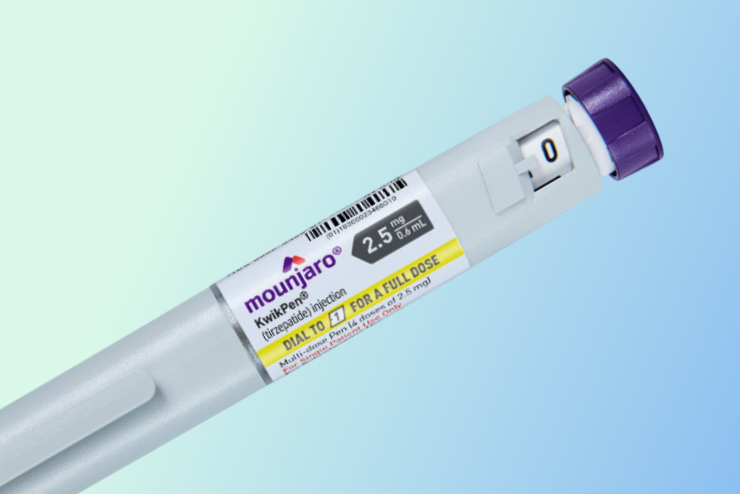

One of the most overlooked parts of successful treatment with a Mounjaro injection is staying properly hydrated. Because the medication slows stomach emptying and may lead to nausea, vomiting or diarrhoea some patients can lose more fluids than expected. Drinking enough water each day helps the body function normally and supports overall wellbeing during treatment.
Strong Mounjaro hydration habits become even more important when reduced appetite leads to lower food and fluid intake. Dehydration can develop gradually and may not always be obvious at first. Understanding how much fluid your body needs and recognising early warning signs can help you manage treatment more confidently and safely.
GLP-1 / GIP
Mounjaro
Dual-agonist support that helps curb appetite, hunger, and cravings to drive substantial, sustained weight loss.
- ✔~22.5% average body weight loss
- ✔Significant weight reduction
- ✔Improves blood sugar levels
- ✔Clinically proven weight loss
Key Facts About Dehydration While Using Mounjaro
- ✔Mounjaro can reduce thirst and appetite, making hydration easy to overlook.
- ✔Drinking enough fluids may help reduce constipation, dizziness, headaches, and fatigue.
- ✔Dark urine, dry mouth, and tiredness can be early signs of dehydration.
- ✔Simple habits like carrying a water bottle and setting reminders can help.
- ✔Seek medical advice if you cannot stay hydrated or develop severe symptoms.
Why Staying Hydrated Is Essential When Using Mounjaro for Weight Loss
Proper Mounjaro hydration is an important part of treatment and should not be overlooked. Tirzepatide can affect appetite digestion and fluid intake which may increase the risk of dehydration in some patients. Maintaining healthy hydration habits can help support treatment goals and improve overall wellbeing while using the medication.
Mitigates Digestive Side Effects
One of the common concerns with Mounjaro for weight loss is digestive discomfort during the early stages of treatment or after dose increases. Symptoms such as nausea, vomiting and diarrhoea can lead to fluid loss. Replacing lost fluids may help the body cope better with these effects and support recovery.
Prevents Constipation
Because Mounjaro slows the movement of food through the digestive system some patients may experience constipation. Adequate drinking water on Mounjaro helps keep stools softer and supports healthy bowel function. This can make digestion more comfortable and reduce the likelihood of ongoing constipation.
Replaces Missed Fluid Intake
A reduced appetite may mean eating and drinking less throughout the day. This is one reason why Mounjaro and dehydration can become a concern if fluid intake is not monitored carefully. Many foods naturally provide water so consuming less food can also reduce overall hydration levels.
Supports Kidney Function
Good hydration plays an important role in helping the kidneys work effectively. When fluid levels are low the body may struggle to maintain normal kidney function particularly if vomiting or diarrhoea occurs. Paying attention to water intake on Mounjaro can help support the body's natural filtering processes and reduce dehydration related risks.
Boosts Energy and Metabolism
Water is essential for many normal bodily functions including energy production and metabolism. Staying hydrated may also help reduce feelings of tiredness, dizziness or weakness that some patients experience while adjusting to treatment. Consistent fluid intake supports overall health and can help you feel your best throughout your weight loss journey.
If you have questions about fluid intake side effects or safe use of tirzepatide a Mounjaro online consultation can provide personalised advice based on your medical history, treatment stage and individual health needs.
How Much Water Should You Drink on Mounjaro?
There is no single fluid target that suits everyone but many adults benefit from drinking around 2 to 3 litres of water each day unless advised otherwise by a healthcare professional. When using a Mounjaro injection it is important to stay aware of your fluid intake as the treatment can slow digestion and increase the likelihood of dehydration if side effects such as vomiting or diarrhoea occur.
Paying attention to drinking water on Mounjaro is especially important because reduced appetite may also lead to lower fluid consumption throughout the day. Staying well hydrated can help support normal body functions and may reduce symptoms such as tiredness, constipation and dizziness. However some signs of dehydration can be easy to miss which is why recognising the early warning signals is so important.
How to Tell If You Are Drinking Enough on Mounjaro
Staying hydrated is an important part of Mounjaro treatment. A simple way to monitor your fluid levels is to check that your urine remains a pale yellow colour and to drink fluids regularly throughout the day. Because appetite and thirst can be reduced while taking tirzepatide it is important to recognise the early signs of dehydration.
- Dark Urine: Urine that is darker than a pale straw colour may indicate that your body needs more fluids.Dry Mouth: A dry or sticky mouth along with chapped lips can be an early warning sign of Mounjaro and dehydration.
- Digestive Issues: Constipation may become more noticeable when fluid intake is too low and can add to existing digestive side effects.
- Dizziness: Feeling light headed or dizzy when standing up quickly may occur when your body is not getting enough fluids.
- Fatigue: Unusual tiredness muscle cramps or recurring headaches can sometimes develop when hydration levels are lower than they should be.
How to Recognise the Signs of Dehydration While Using Mounjaro
Dehydration can develop gradually while taking tirzepatide because reduced appetite and digestive side effects may lead to lower fluid intake. Symptoms such as nausea, vomiting or diarrhoea can increase fluid loss and make it harder for the body to stay properly hydrated. Knowing what to look for can help you take action before symptoms become more serious.
Mild Dehydration Signs
Early signs of dehydration are often easy to miss but should not be ignored. These may include a dry mouth headache, darker urine tiredness, dizziness, constipation and increased thirst. Paying attention to these symptoms can help you address low fluid levels before they worsen.
More Serious Dehydration Signs
More severe dehydration may affect how the body functions and can require urgent medical attention. Warning signs include confusion, fainting , passing very little urine, severe weakness, a fast heartbeat or being unable to keep fluids down. These symptoms suggest that the body may be struggling to maintain normal fluid balance.
When to Seek Help in the UK
If vomiting or diarrhoea continues or you are struggling to drink enough fluids to stay hydrated contact your prescriber or healthcare provider for advice. You should also seek medical guidance if dehydration symptoms do not improve or begin to affect your daily activities.
If you experience severe weakness, confusion, fainting chest pain or any other worrying symptoms contact a healthcare professional immediately.
Concerned About Dizziness Fatigue or Headaches? These symptoms may sometimes be linked to low fluid intake and Online Weight Loss Clinic provides guidance on recognising potential causes.
Tips to Improve Your Daily Hydration Routine on Mounjaro
Maintaining good Mounjaro hydration is an important part of treatment. As tirzepatide can reduce appetite and make you less aware of thirst it is helpful to drink fluids regularly throughout the day to support your overall health and lower the risk of dehydration while using the medication.
Start Drinking Earlier in the Day
Try to spread your fluid intake throughout the day rather than leaving most of it until the evening. Drinking regularly from the morning onwards can help maintain steady hydration levels and may be easier on the stomach.
Keep a Bottle Nearby
Keeping a reusable water bottle within reach can make it easier to monitor how much you are drinking. A bottle with volume markings can be particularly useful during work travel or busy daily routines.
Link Water to Existing Habits
Building hydration into your daily routine can help make it a consistent habit. Consider drinking water after waking up before meals after physical activity or alongside other regular daily activities.
Use Phone Reminders
Reduced appetite and thirst signals can make it easy to forget about hydration. Setting reminders on your phone throughout the day can encourage regular fluid intake and help you stay on track.
Add Flavour Without Adding Sugar
If plain water feels unappealing try adding natural flavour with lemon cucumber mint or berries. Sugar free flavourings may also help increase fluid intake without adding unnecessary calories or sugar.
Conclusion: Staying Hydrated During Mounjaro Treatment
Maintaining good Mounjaro hydration habits is an important part of using tirzepatide safely and effectively. Because the medication can affect appetite and digestion, staying aware of your fluid intake may help reduce the risk of dehydration and support your overall wellbeing throughout treatment.
Simple steps such as drinking fluids regularly, recognising early warning signs, and seeking medical advice when symptoms become concerning can help you stay on track. By making hydration a daily priority, you can better support your body while managing common side effects and working towards your weight loss goals.
GLP-1
Wegovy
A weekly GLP-1 treatment proven to reduce hunger and support meaningful, long-term fat loss.
- ✔~16.9% average body weight loss
- ✔Boosts metabolic & cardiovascular health
- ✔Proven, long-established safety profile
- ✔Weekly injection, easy to use
GLP-1 / GIP
Mounjaro
Dual-agonist support that helps curb appetite, hunger, and cravings to drive substantial, sustained weight loss.
- ✔~22.5% average body weight loss
- ✔Significant weight reduction
- ✔Improves blood sugar levels
- ✔Clinically proven weight loss
FAQs
Does Mounjaro cause dehydration?
Mounjaro can increase the risk of dehydration in some patients, particularly if side effects such as nausea, vomiting, diarrhoea, or reduced appetite lead to lower fluid intake or increased fluid loss.
How much water should you drink on Mounjaro?
Fluid needs vary from person to person, but many adults benefit from drinking around 2 to 3 litres of fluids daily unless advised otherwise by a healthcare professional.
Why do you need to drink water on Mounjaro?
Drinking enough water helps replace lost fluids, supports normal body functions, and may help reduce symptoms such as constipation, dizziness, tiredness, and headaches.
Does Mounjaro make you thirsty?
Some patients may notice changes in thirst while using Mounjaro. However, reduced appetite and altered thirst signals can sometimes make it easier to drink less than the body needs.
Can dehydration make Mounjaro side effects worse?
Yes. Dehydration may worsen symptoms such as dizziness, fatigue, headaches, constipation, and feelings of weakness during treatment.
What colour should urine be when you are properly hydrated?
Pale yellow or straw coloured urine is generally considered a sign of adequate hydration, while darker urine may indicate that more fluids are needed.
Can I drink other fluids besides water on Mounjaro?
Yes. Sugar free drinks, milk, and other non alcoholic fluids can contribute to your daily fluid intake, although water should remain your main source of hydration.
When should I contact a healthcare professional about dehydration?
Seek medical advice if you cannot keep fluids down, experience ongoing vomiting or diarrhoea, or develop symptoms such as severe weakness, confusion, fainting, or chest pain.