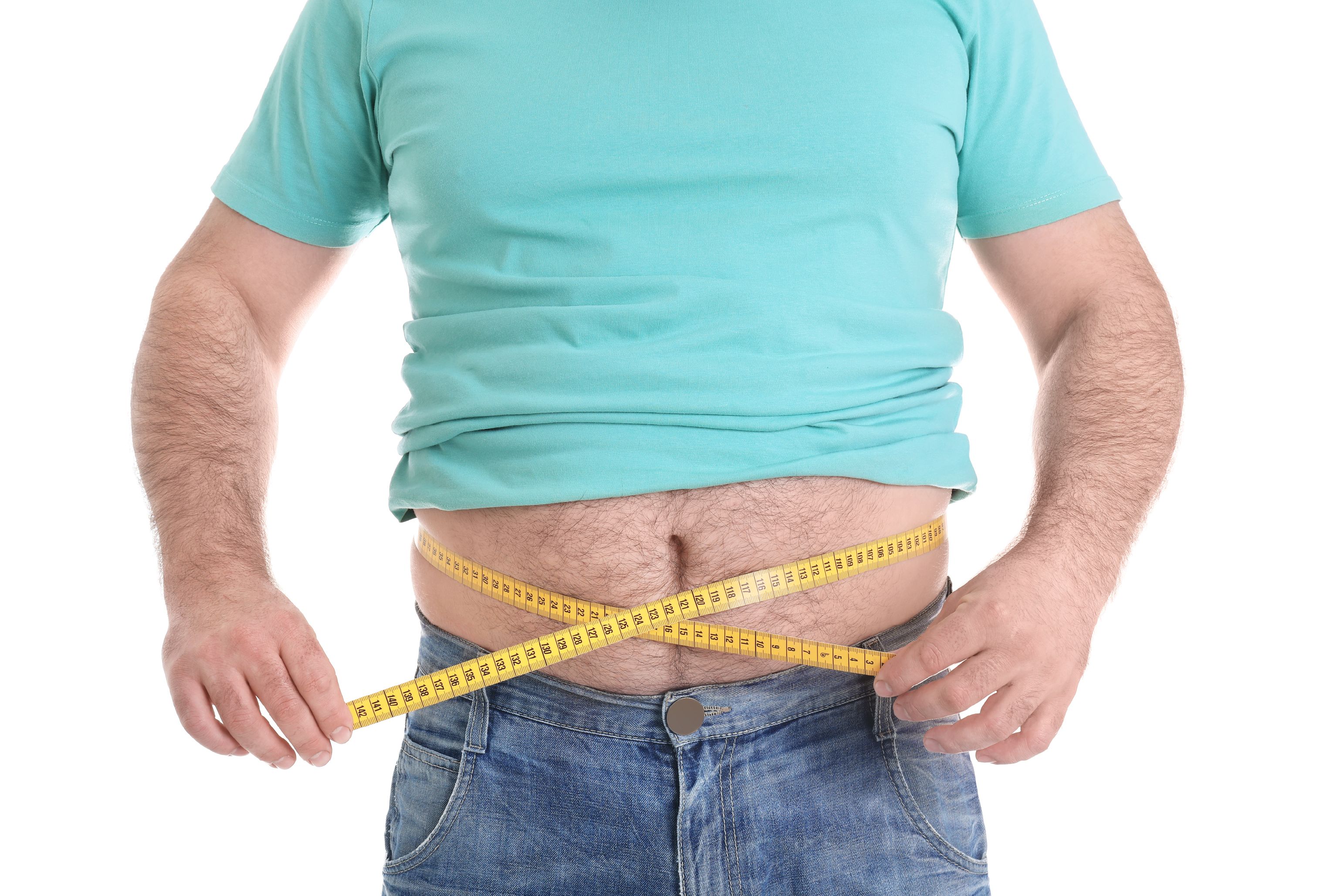

Over half of adults in England are now classified as overweight or living with obesity, with 64.5% affected in 2023 to 2024. This growing public health challenge has driven significant interest in medically supervised weight loss treatments, particularly the newly approved injection therapies like Mounjaro and Wegovy.
Weight loss injections have emerged as scientifically proven options for those struggling with obesity, offering clinical results when combined with lifestyle changes. These MHRA-approved treatments work differently from traditional diet pills and require professional medical supervision for safe use in the UK.
GLP-1
Wegovy
A weekly GLP-1 treatment proven to reduce hunger and support meaningful, long-term fat loss.
- ✔~16.9% average body weight loss
- ✔Boosts metabolic & cardiovascular health
- ✔Proven, long-established safety profile
- ✔Weekly injection, easy to use
GLP-1 / GIP
Mounjaro
Dual-agonist support that helps curb appetite, hunger, and cravings to drive substantial, sustained weight loss.
- ✔~22.5% average body weight loss
- ✔Significant weight reduction
- ✔Improves blood sugar levels
- ✔Clinically proven weight loss
Key Insights About Calories and Weight Loss
- ✔Calorie needs vary based on age, body size, activity levels, and overall health.
- ✔A moderate calorie deficit can support steady and sustainable weight loss.
- ✔Protein, fibre, hydration, movement, and sleep can help manage hunger.
- ✔Mounjaro and Wegovy are designed to support healthy lifestyle changes.
- ✔Long-term success comes from realistic and sustainable habits.
What Are Calories and Why Do They Matter?
Calories are units of energy found in food and drink. Your body uses this energy for essential functions such as breathing, digestion, circulation, movement, and maintaining body temperature.
Calories also influence weight management. Consuming more calories than your body uses can lead to weight gain, while understanding average weight gain can provide useful context around how excess energy intake may affect body weight over time. Healthy eating habits and appropriate calorie intake remain important for long-term weight management.
How Many Calories Should I Eat to Lose Weight?
The number of calories required for weight loss depends on your maintenance calorie needs and the size of the calorie deficit created.
Many UK weight-management recommendations use a calorie deficit of approximately 500 to 600 calories per day. This level of reduction may help many adults lose around 0.5 kg to 1 kg per week when combined with healthy lifestyle changes.
As a general guide:
| Goal | Women | Men |
|---|---|---|
These figures are estimates only and should not replace personalised medical advice. Individual calorie requirements can vary considerably.
The UK's Growing Weight Management Challenge
Understanding calorie intake is becoming increasingly important as rates of excess weight continue to rise across the UK.
According to the latest UK obesity figures, around 66% of adults were either overweight or living with obesity in 2024, while approximately 30% were living with obesity alone. Data published by the Health Survey for England 2024 highlights the scale of the challenge and the growing need for effective weight-management strategies.
The survey also found that 70% of men and 62% of women were overweight or living with obesity, demonstrating that weight-related health concerns affect a substantial proportion of the UK population. These findings are available through the NHS Digital obesity data.
Further evidence from the government's UK Obesity Profile Statistics showed that 64.5% of adults in England were overweight or living with obesity during 2023–2024, continuing a long-term upward trend.
These statistics underline why sustainable calorie management, balanced nutrition, and healthy lifestyle habits remain important components of long-term weight and health improvement.
Why Calorie Needs Are Different for Everyone
Two people of the same age may require very different calorie intakes.
Someone with greater muscle mass generally burns more calories throughout the day. Likewise, people who perform physically demanding jobs or exercise regularly often require more energy than those who are largely sedentary.
Other factors affecting calorie needs include:
- Height and Weight: Larger bodies generally require more energy for basic daily functions.
- Age: Metabolism often slows gradually with age, reducing calorie requirements and making weight management after 40 an important consideration for long-term health.
- Activity Levels: Walking, exercise, sports, manual labour, and even daily movement contribute to overall energy expenditure.
- Medical Conditions: Certain health conditions and medications can affect appetite, metabolism, and body weight.
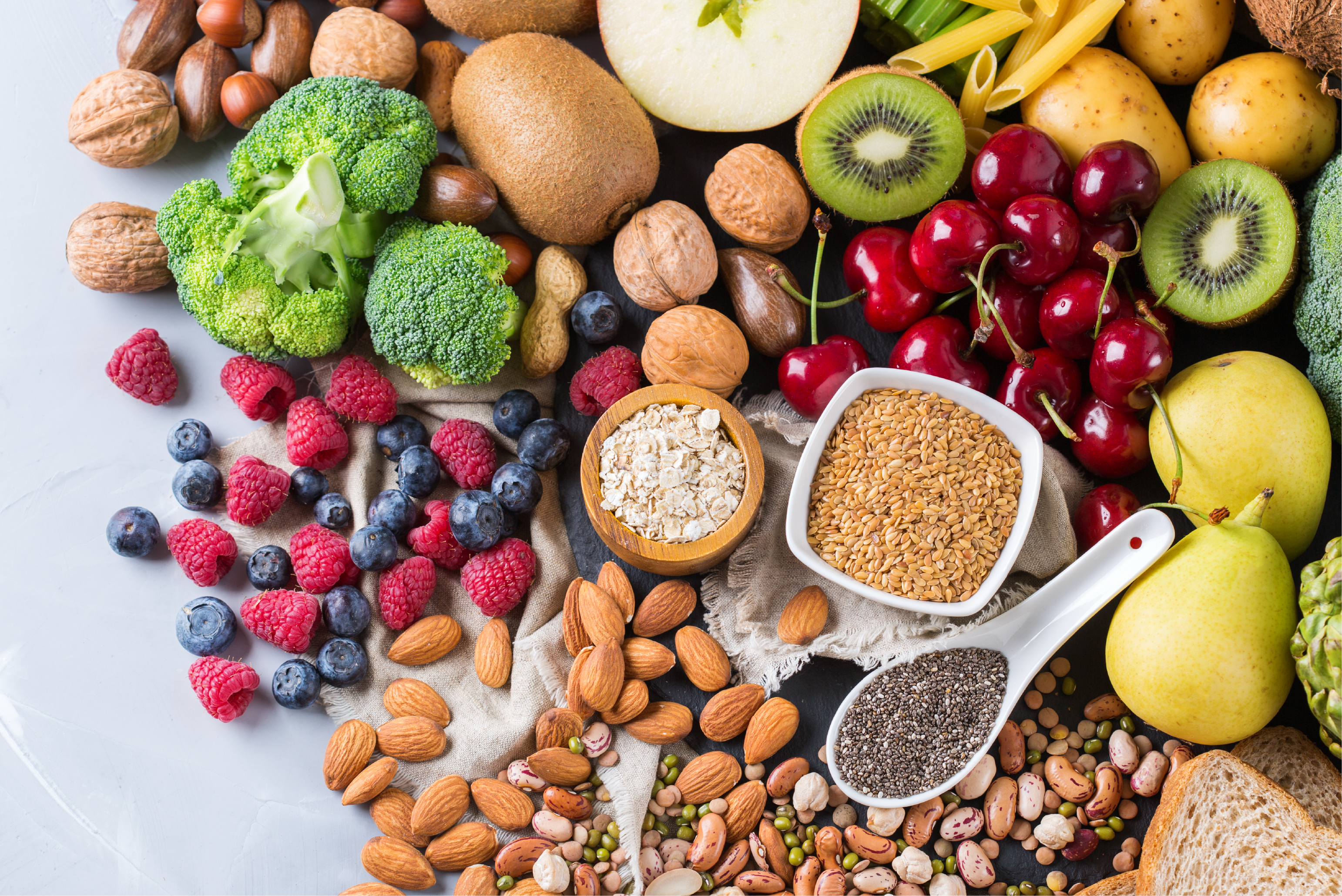
What Foods Help You Stay Full on Fewer Calories?
Creating a calorie deficit becomes much easier when meals are satisfying and nutrient-dense.
Foods that may help support fullness include:
Lean Protein
Examples include:
- Chicken breast
- Turkey
- Fish
- Eggs
- Greek yoghurt
- Tofu
Protein can help maintain muscle mass during weight loss and may improve satiety.
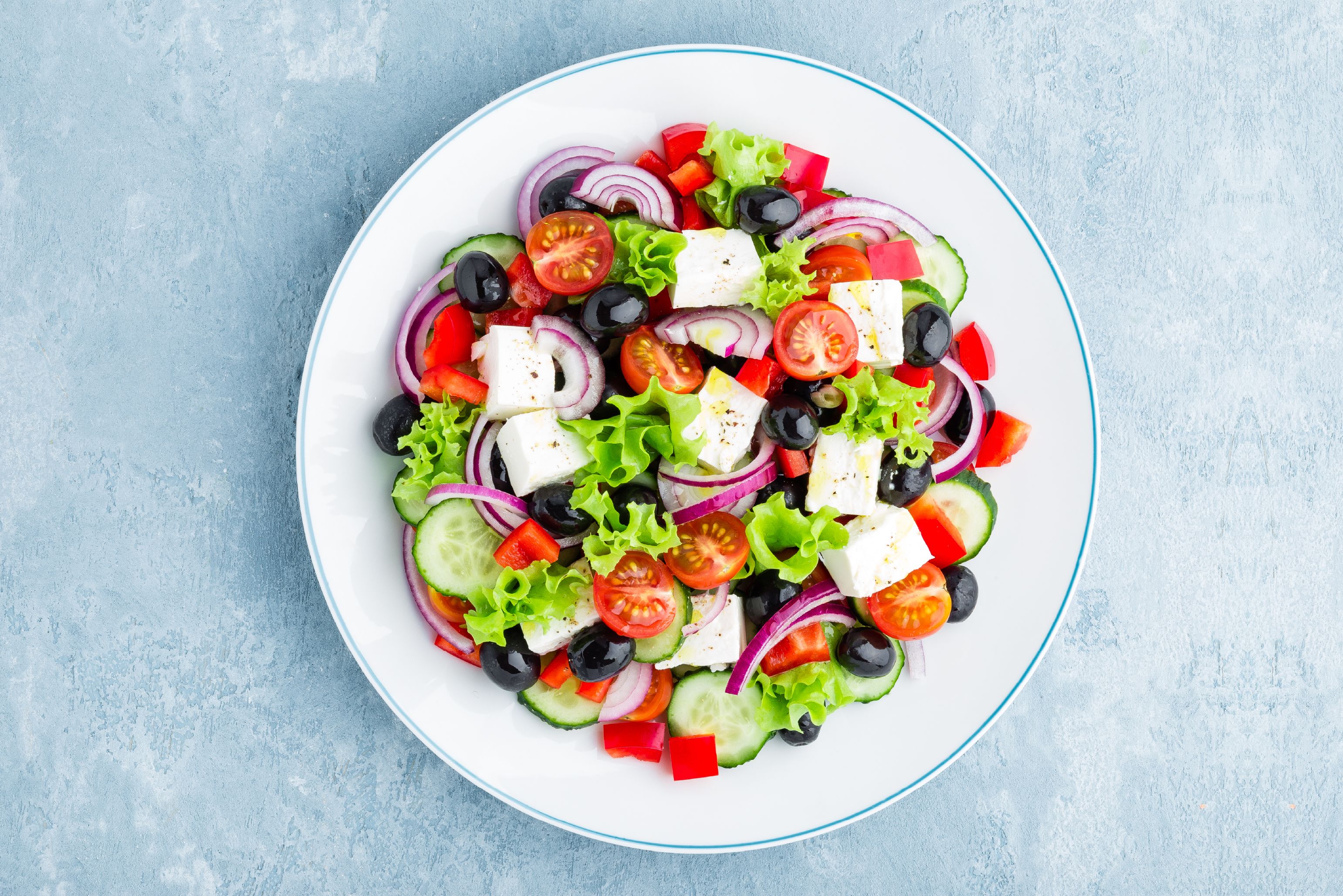
Vegetables
Vegetables provide volume, fibre, vitamins, and minerals while typically remaining relatively low in calories.
Fruit
Fruit can help satisfy sweet cravings while providing fibre and nutrients.
Wholegrains
Examples include:
- Oats
- Brown rice
- Wholemeal bread
- Wholewheat pasta
These foods may help maintain energy levels throughout the day.
Healthy Fats
Examples include:
- Nuts
- Seeds
- Avocados
- Olive oil
Although higher in calories, healthy fats can contribute to fullness and overall nutrition.
How Do Mounjaro and Wegovy Fit Into Weight Management?
For some adults who meet specific prescribing criteria, healthcare professionals may consider prescription weight loss injections alongside healthy lifestyle changes. These treatments are intended to support a broader weight-management plan rather than act as a standalone solution.
Both Mounjaro for weight loss and Wegovy injection treatments work by helping to regulate appetite and increase feelings of fullness. They are generally used alongside a reduced-calorie diet and regular physical activity, with suitability assessed by a qualified healthcare professional.
Common Mistakes When Reducing Calories
- Avoid eating extra food after exercise, as calorie burn is often overestimated.
- Watch out for calories from coffees, alcohol, smoothies, and sugary drinks.
- Do not assume all diet or low-fat products are lower in calories.
- Be mindful of hidden calories in oils, dressings, sauces, and spreads.
- Maintain healthy habits at weekends to avoid undoing your weekly progress.
- Avoid cutting calories too aggressively. Current NHS guidance on healthy weight loss supports gradual, sustainable changes that are easier to maintain long term.
Signs You May Be Eating Too Little
Extremely low calorie intake may lead to:
- Constant hunger
- Fatigue
- Poor concentration
- Irritability
- Reduced exercise performance
- Nutritional deficiencies
If you experience persistent symptoms or concerns about your diet, seeking professional medical advice is recommended.
Practical Tips to Create a Sustainable Calorie Deficit
- Include a source of protein with each meal to help you feel fuller for longer and support muscle maintenance.
- Eat more fibre-rich foods such as vegetables, fruits, legumes, and wholegrains to help manage hunger throughout the day.
- Stay well hydrated, as thirst can sometimes be mistaken for hunger.
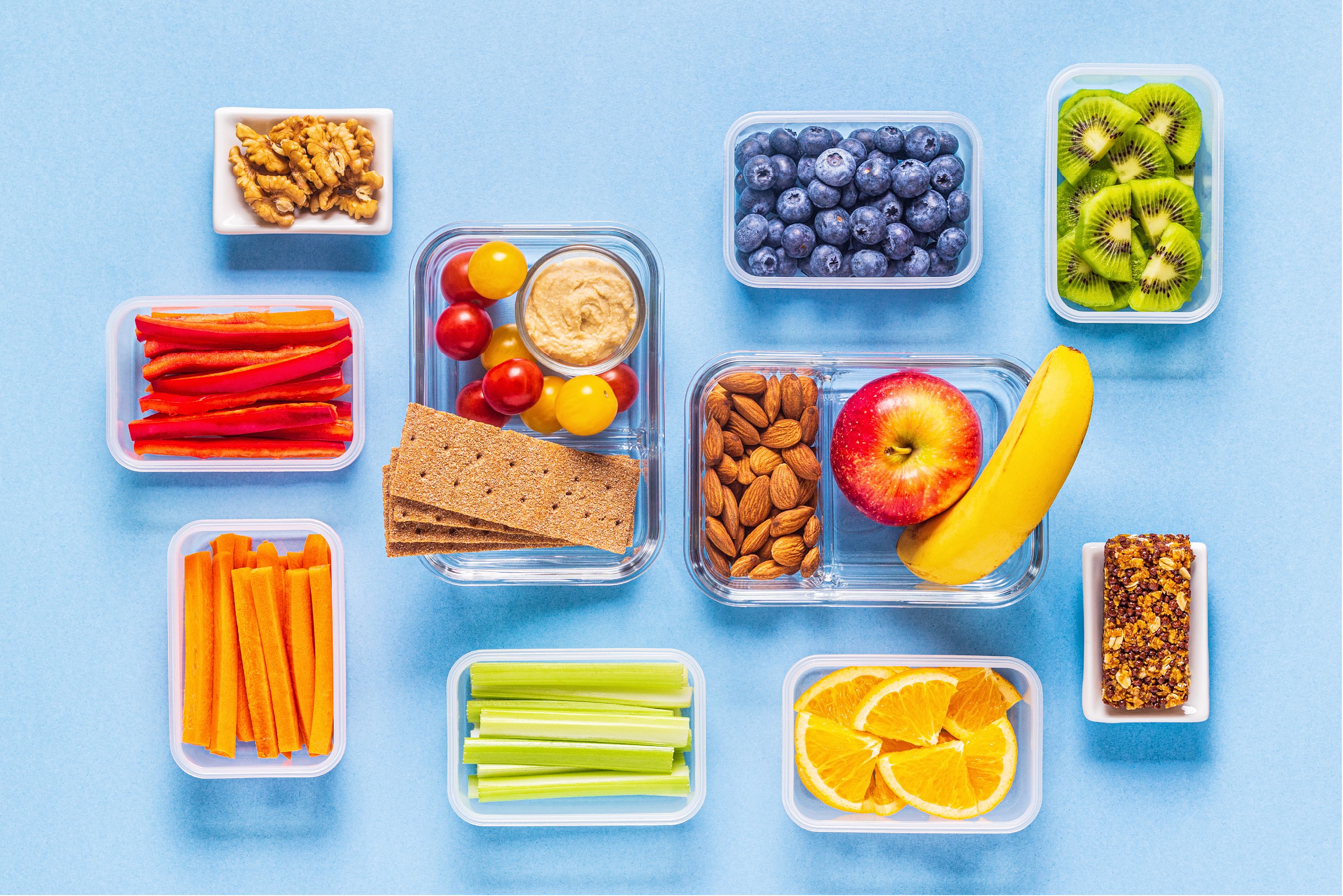
- Plan meals in advance and explore practical meal prep ideas to make losing weight with a busy schedule easier and reduce the likelihood of impulsive or less nutritious food choices.
- Increase daily movement through activities such as walking, cycling, or regular exercise to support calorie expenditure.
- Aim for adequate sleep, as poor sleep can influence appetite and hunger regulation.
Building a Sustainable Approach to Weight Loss
Understanding your calorie needs is an important part of healthy weight loss. While a calorie deficit supports weight management, the right calorie intake varies based on factors such as age, body size, activity levels, and overall health. For older adults, these considerations can be particularly important when planning weight management after 60.
Sustainable weight loss relies on more than simply eating less. A balanced diet, regular physical activity, good sleep, and long-term healthy habits remain essential. For some eligible adults, treatments such as Mounjaro and Wegovy may offer additional support when used under professional medical guidance.
GLP-1
Wegovy
A weekly GLP-1 treatment proven to reduce hunger and support meaningful, long-term fat loss.
- ✔~16.9% average body weight loss
- ✔Boosts metabolic & cardiovascular health
- ✔Proven, long-established safety profile
- ✔Weekly injection, easy to use
GLP-1 / GIP
Mounjaro
Dual-agonist support that helps curb appetite, hunger, and cravings to drive substantial, sustained weight loss.
- ✔~22.5% average body weight loss
- ✔Significant weight reduction
- ✔Improves blood sugar levels
- ✔Clinically proven weight loss
FAQs
How Many Calories Should I Cut Per Day to Lose Weight?
Many adults aim for a calorie deficit of around 500 to 600 calories per day, which may support gradual weight loss. However, individual requirements can vary significantly.
Can I Lose Weight Without Counting Calories?
Yes. Some people successfully lose weight by focusing on portion control, balanced meals, mindful eating, and increased physical activity rather than tracking every calorie.
How Many Calories Should a Woman Eat to Lose Weight?
As a general guide, some women may aim for around 1,400 calories per day for weight loss, although individual needs can differ depending on age, size, and activity levels.
How Many Calories Should a Man Eat to Lose Weight?
Some men may target around 1,900 calories per day for weight loss. However, calorie requirements vary, particularly when considering men's weight loss and factors such as age, body composition, and activity levels, so personalised advice may be beneficial.
Do Weight Loss Injections Work Without a Calorie Deficit?
Weight loss injections are typically intended to be used alongside a reduced-calorie diet and increased physical activity. Maintaining a calorie deficit remains important for achieving weight loss.
What Foods Help Keep You Full While Losing Weight?
Protein-rich foods, vegetables, fruits, wholegrains, and healthy fats can help increase fullness and make a calorie-controlled diet easier to maintain.
Is It Safe to Eat Less Than 1,200 Calories Per Day?
Very low-calorie diets are not suitable for everyone and may increase the risk of nutritional deficiencies. Medical supervision may be required in certain situations.
What Are the Signs That I Am Eating Too Few Calories?
Persistent hunger, fatigue, poor concentration, irritability, reduced exercise performance, and nutritional deficiencies may indicate that calorie intake is too low.