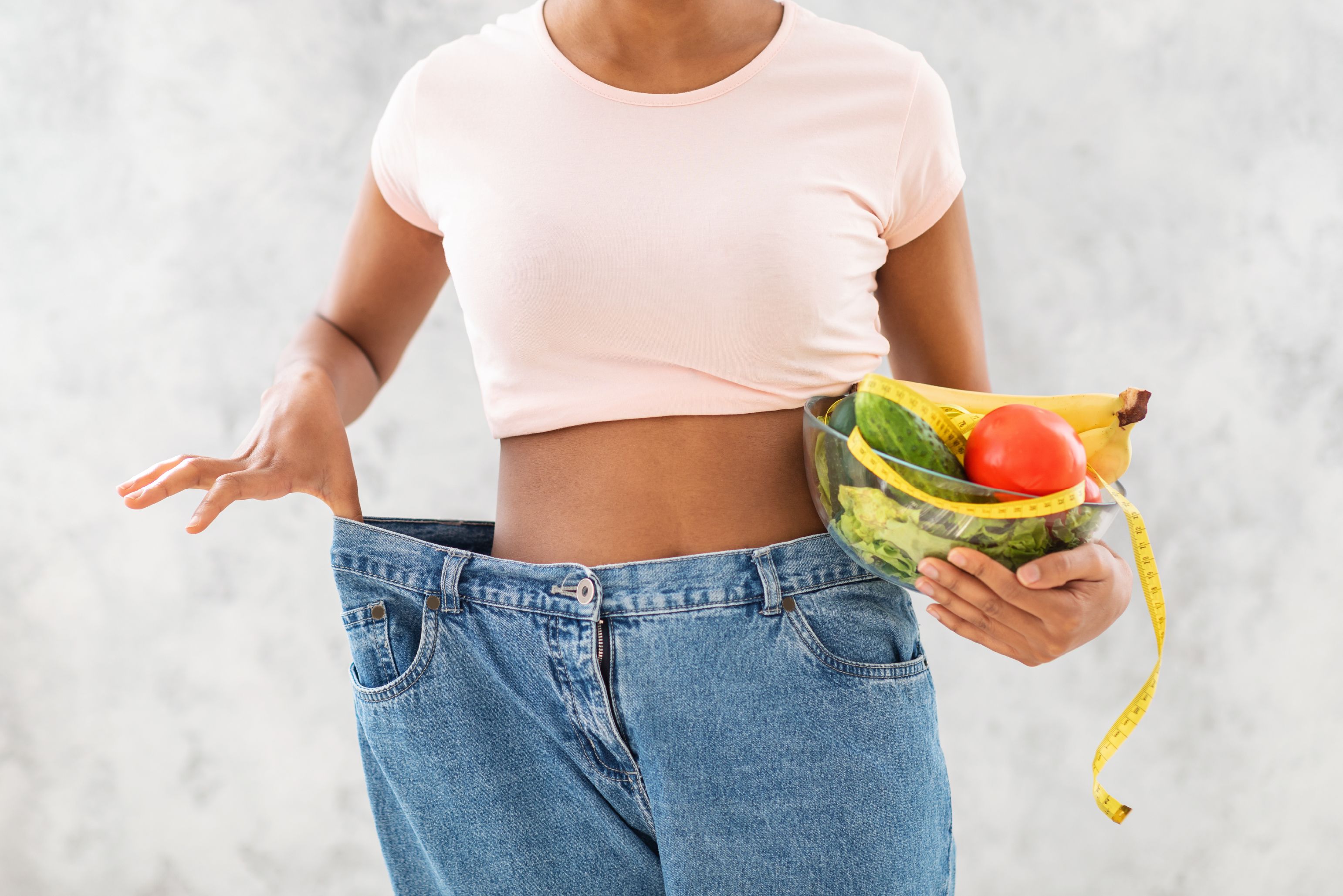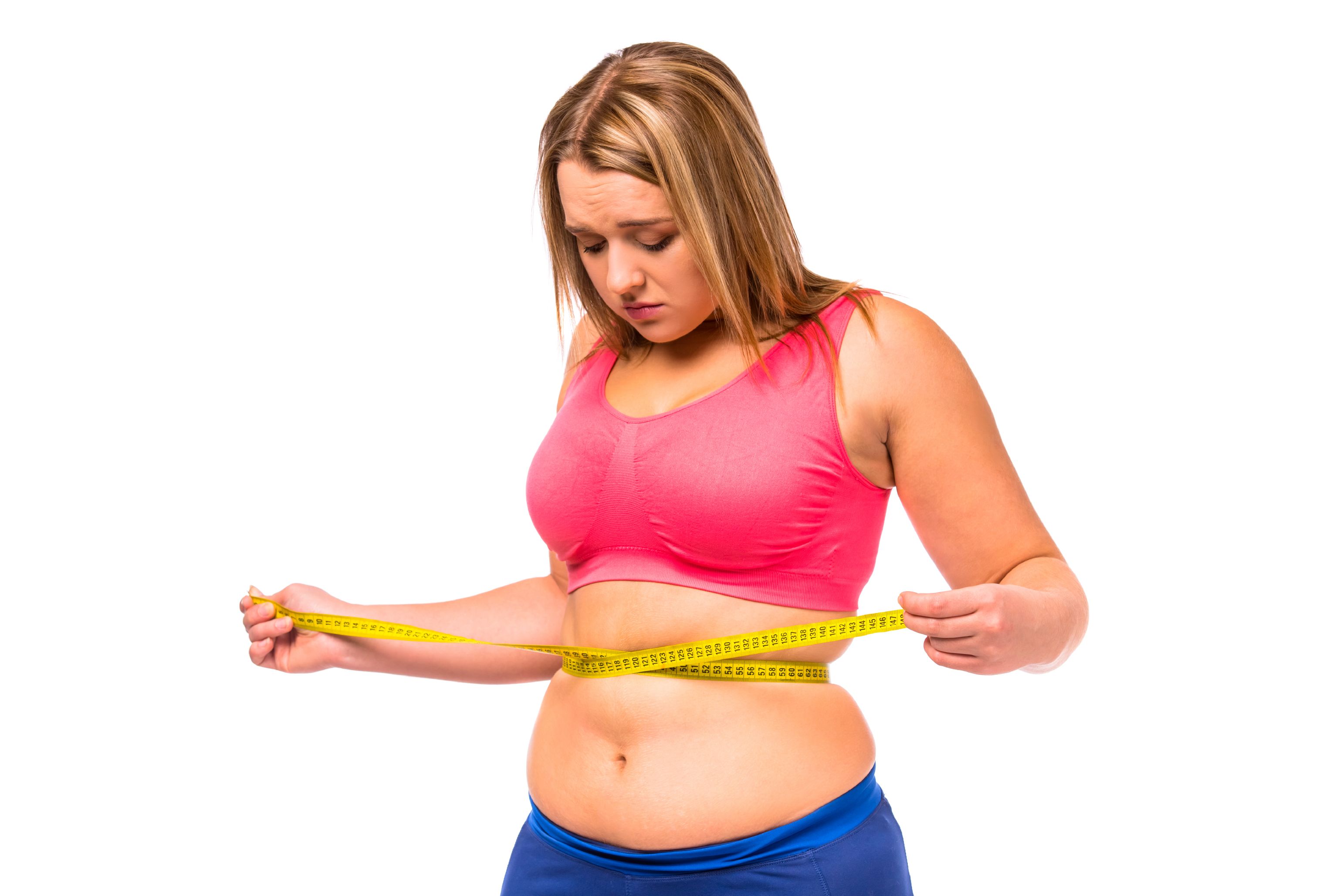
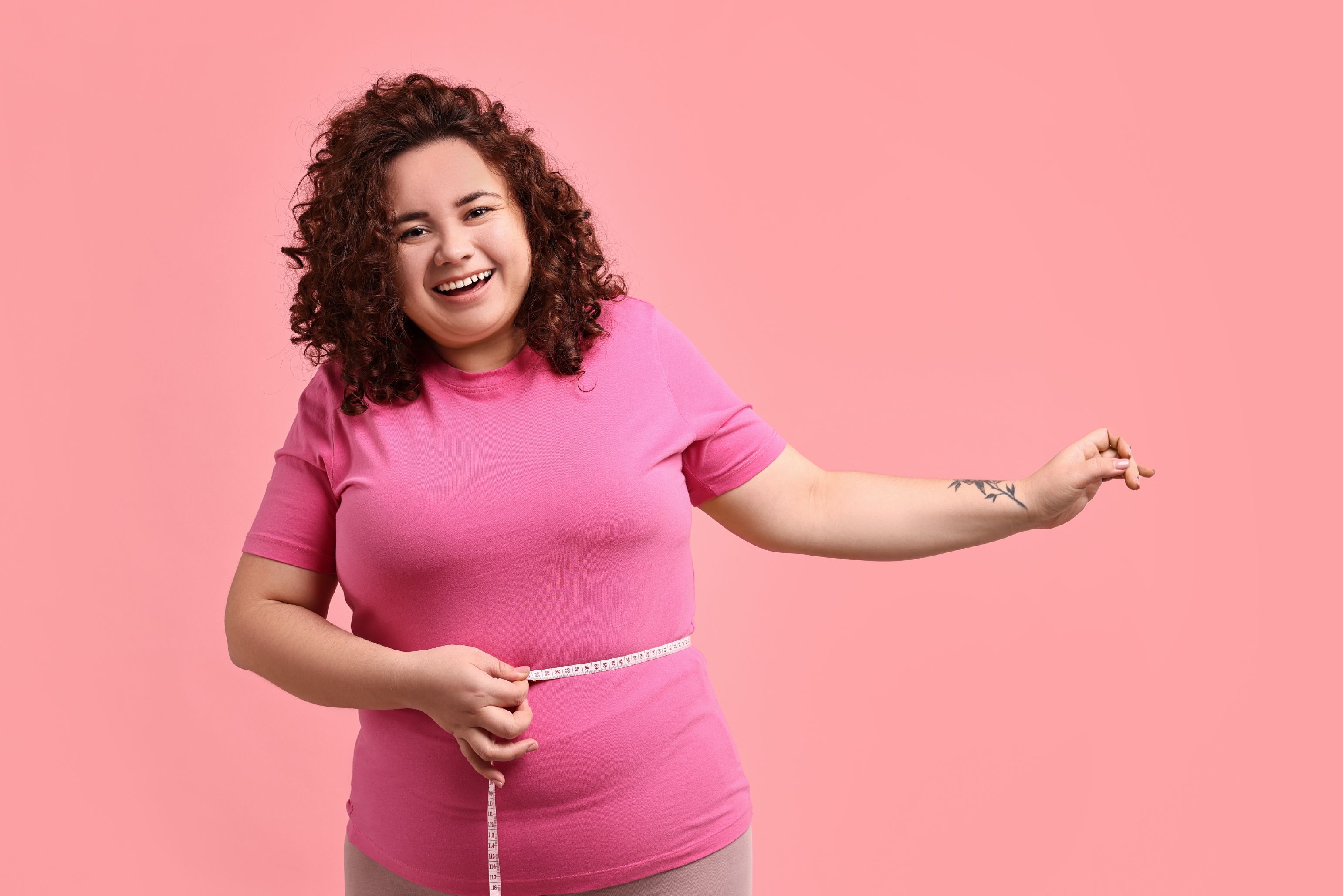
The female stages of weight loss usually follow a gradual pattern rather than a straight line. Many women first notice a small drop in weight from water loss before moving into a steadier period of fat loss through healthy eating, regular physical activity, and, where clinically appropriate, prescribed treatment.
Understanding step by step weight loss can help set realistic expectations. Weight loss often slows during plateaus, while hormonal changes, including the menstrual cycle and menopause, may cause temporary fluctuations on the scales. A steady loss of around 0.5 kg to 1 kg per week is generally considered a healthy and sustainable goal for many adults.
GLP-1
Wegovy
A weekly GLP-1 treatment proven to reduce hunger and support meaningful, long-term fat loss.
- ✔~16.9% average body weight loss
- ✔Boosts metabolic & cardiovascular health
- ✔Proven, long-established safety profile
- ✔Weekly injection, easy to use
GLP-1 / GIP
Mounjaro
Dual-agonist support that helps curb appetite, hunger, and cravings to drive substantial, sustained weight loss.
- ✔~22.5% average body weight loss
- ✔Significant weight reduction
- ✔Improves blood sugar levels
- ✔Clinically proven weight loss
Key Takeaways: Your Guide to the Female Weight Loss Journey
- ✔Weight loss for women usually progresses through four stages, from early water loss to long-term maintenance.
- ✔Hormonal changes can affect the scales temporarily without stopping healthy weight loss.
- ✔Balanced nutrition, regular activity, and strength training support steady, sustainable progress.
- ✔Clinically prescribed weight-loss treatments may help eligible adults alongside healthy lifestyle changes.
- ✔Consistent habits and realistic goals are key to achieving and maintaining long-term results.
What Can You Expect During the Female Stages of Weight Loss?
The female stages of weight loss usually develop gradually rather than following a perfectly straight line. Most women experience an initial reduction in weight, followed by a steady period of fat loss, occasional plateaus, and finally a long-term maintenance phase. Knowing what happens at each stage can help you stay motivated and set realistic expectations.
Every weight loss journey is unique and influenced by factors such as age, hormones, lifestyle, and overall health. Taking a week by week weight loss approach allows you to focus on consistent, healthy progress instead of short-term changes on the scales.
Stage 1: Rapid Weight Loss (Weeks 1 to 6)
During the first few weeks, many women notice the quickest changes in body weight. This is largely because the body uses stored glycogen for energy, releasing water that was stored alongside it. Clothes may feel looser, bloating often reduces, and the scales can show encouraging early progress.
Stage 2: Slow, Steady Fat Loss (Months 2 to 6)
After the initial stage, weight loss typically becomes slower but more sustainable. As glycogen stores become depleted, the body relies more on burning stored body fat for energy. Losing around 0.5 kg to 1 kg per week is generally regarded as a healthy and realistic rate of progress.
Stage 3: Weight Loss Plateau
Many women experience a plateau after several months of consistent weight loss. As body weight decreases, fewer calories are needed to maintain daily activities, which naturally slows progress. Maintaining balanced eating habits, staying active, and including strength training can help support continued results.
Stage 4: Long-Term Weight Maintenance
Reaching your target weight is the beginning of maintaining your results rather than the end of the journey. Long-term success relies on continuing the healthy eating, regular physical activity, and sustainable lifestyle habits developed throughout the weight loss process.
How Do Hormonal Changes Affect Women's Weight Loss?
Women's weight loss naturally varies due to hormonal changes at different stages of life, so progress is not always consistent. Short-term changes on the scales are common and do not necessarily reflect changes in body fat.
- Menstrual Cycle: Hormonal fluctuations during the menstrual cycle can temporarily increase water retention, cravings, and appetite, leading to small, short-lived changes in body weight.
- Perimenopause: During perimenopause, changing hormone levels may affect appetite, sleep, and energy levels, making it more difficult to maintain previous weight loss habits. Consistent healthy lifestyle choices remain important during this stage.
- Menopause: As oestrogen levels decline during menopause, metabolism may slow and fat is more likely to be stored around the abdomen. Although progress may become more gradual, maintaining healthy eating habits and regular physical activity can continue to support sustainable weight management.
Can Medical Weight-Loss Treatments Support the Different Stages of Weight Loss?
Clinically prescribed weight loss treatment may support adults throughout the different stages of weight loss when combined with a reduced-calorie diet, increased physical activity, and long-term lifestyle changes. Depending on individual clinical suitability, options such as Mounjaro for weight loss or the Wegovy injection may help reduce appetite, improve feelings of fullness, and support steady, sustainable progress.
Medical treatment is designed to complement healthy habits rather than replace them. For eligible patients, healthcare professionals can recommend the most appropriate option, including the Wegovy pill where clinically indicated and available, alongside ongoing clinical support to help maintain weight loss over the longer term.
Understanding your treatment options is an important part of successful weight management. Online Weight Loss Clinic provides evidence-based clinical support to help eligible adults make informed decisions.
What Common Challenges Can Affect a Woman's Weight Loss Journey?
The female stages of weight loss can look different for every woman, with progress influenced by hormones, health, lifestyle, and daily routines. Recognising these common challenges can help you set realistic expectations and build habits that support safe, sustainable results over time.
- Hormonal Changes: Fluctuations during the menstrual cycle, perimenopause, menopause, or conditions such as PCOS can affect appetite, water retention, and where the body stores fat.
- Lower Daily Energy Needs: Women generally have less muscle mass than men, meaning they often burn fewer calories at rest. This makes planning weight loss through balanced nutrition and regular activity especially important.
- Thyroid Conditions: An underactive thyroid can reduce metabolism, lower energy levels, and make weight management more challenging without appropriate medical care.
- Busy Lifestyle Demands: Work, family responsibilities, and caring commitments can make it difficult to prepare healthy meals or maintain a regular exercise routine.
- Ongoing Stress: Long-term stress may increase appetite and encourage fat storage around the abdomen, making steady progress more difficult.
- Avoiding Strength Training: Some women worry that lifting weights will make them bulky, but resistance exercise helps preserve lean muscle and supports a healthy metabolism.
- Restrictive Dieting: Repeated crash diets can make it harder to maintain long-term progress. A realistic weight loss per week combined with healthy weight loss per month goals is more sustainable and easier to maintain over time.
How Can Women Stay Motivated Throughout Their Weight Loss Journey?
Staying motivated during weight loss is about building consistent, healthy habits rather than striving for perfection. Although progress may vary due to hormones, lifestyle, or everyday challenges, focusing on realistic goals and long-term routines can help you stay committed and achieve sustainable results.
Set Realistic Goals
Break your overall target into smaller, achievable milestones that focus on healthy habits instead of rapid results. Setting realistic goals for nutrition, physical activity, and daily routines can make progress feel more manageable and help maintain motivation.
Celebrate Non-Scale Victories
Success is about more than weight alone. Improvements such as increased energy, better sleep, enhanced fitness, looser-fitting clothes, or greater confidence are all valuable signs that your healthy lifestyle changes are making a positive difference.
Track Progress Regularly
Monitoring your progress can help you recognise patterns and stay focused on your goals. Alongside weighing yourself, consider tracking waist measurements, activity levels, healthy eating habits, or how you feel physically and mentally over time.
Build Sustainable Habits
Long-term weight management is supported by habits you can maintain every day. Eating a balanced diet, staying physically active, getting enough sleep, and planning meals ahead can all contribute to steady progress and help you maintain your results in the future.
Stay Consistent After Setbacks
Everyone experiences occasional setbacks during a weight loss journey, and they do not undo your progress. Instead of giving up after an off day or week, refocus on your healthy habits, learn from the experience, and continue moving towards your long-term goals with confidence.
Conclusion: Understand Women Weight Loss Stages
Understanding the female stages of weight loss can help you approach your journey with realistic expectations and greater confidence. While progress may vary because of hormones, lifestyle, and individual health factors, building consistent healthy habits is the foundation of long-term success.
Sustainable weight management is achieved through balanced nutrition, regular physical activity, and ongoing lifestyle changes. For some adults, clinically prescribed weight-loss treatment may also be appropriate alongside these healthy habits, following an assessment by a qualified healthcare professional to support safe and lasting results.
GLP-1
Wegovy
A weekly GLP-1 treatment proven to reduce hunger and support meaningful, long-term fat loss.
- ✔~16.9% average body weight loss
- ✔Boosts metabolic & cardiovascular health
- ✔Proven, long-established safety profile
- ✔Weekly injection, easy to use
GLP-1 / GIP
Mounjaro
Dual-agonist support that helps curb appetite, hunger, and cravings to drive substantial, sustained weight loss.
- ✔~22.5% average body weight loss
- ✔Significant weight reduction
- ✔Improves blood sugar levels
- ✔Clinically proven weight loss
FAQs
How long does it take to see weight loss results?
Many women notice changes within the first few weeks, although early weight loss is often due to water loss. Long-term fat loss develops gradually with consistent healthy habits.
Is it normal for weight loss to slow down?
Yes. Weight loss commonly slows after the initial stages as your body adapts. Plateaus are a normal part of the journey and do not necessarily mean your progress has stopped.
Why does my weight change during my menstrual cycle?
Hormonal changes during the menstrual cycle can cause temporary water retention and increased appetite, leading to short-term fluctuations on the scales.
Can menopause make weight loss more difficult?
Yes. Hormonal changes during menopause may slow metabolism and alter fat distribution, but healthy eating and regular physical activity can still support successful weight management.
What is considered a healthy rate of weight loss?
For many adults, losing around 0.5 kg to 1 kg per week is generally considered a realistic and sustainable rate when following a healthy lifestyle plan.
Should I include strength training in my weight loss routine?
Yes. Strength training helps preserve lean muscle, supports metabolism, and complements regular aerobic exercise as part of a balanced weight management programme.
Can prescribed weight-loss treatments help with weight management?
For eligible adults, prescribed weight-loss treatments may support weight management when used alongside a reduced-calorie diet, increased physical activity, and ongoing lifestyle changes under clinical supervision.
How can I stay motivated during my weight loss journey?
Focus on building sustainable habits, setting realistic goals, tracking progress beyond the scales, and recognising improvements in your health, fitness, and overall wellbeing.