The weight loss timeline for men often follows a predictable pattern, with early weight changes mainly reflecting water loss before fat loss becomes the primary source of progress. As the body adapts, weight loss may slow, but consistent healthy habits can help maintain steady results.
Healthy weight loss for men focuses on long-term progress rather than quick fixes. Losing around 0.5 kg to 1 kg (1 to 2 lbs) each week is a realistic goal for many people. Prescription treatments such as Mounjaro work best when combined with dietary changes and regular exercise.
GLP-1
Wegovy
A weekly GLP-1 treatment proven to reduce hunger and support meaningful, long-term fat loss.
- ✔~16.9% average body weight loss
- ✔Boosts metabolic & cardiovascular health
- ✔Proven, long-established safety profile
- ✔Weekly injection, easy to use
GLP-1 / GIP
Mounjaro
Dual-agonist support that helps curb appetite, hunger, and cravings to drive substantial, sustained weight loss.
- ✔~22.5% average body weight loss
- ✔Significant weight reduction
- ✔Improves blood sugar levels
- ✔Clinically proven weight loss
Key Takeaways for Successful Weight Loss in Men
- ✔Healthy weight loss is usually gradual, with most men aiming to lose around 0.5 kg to 1 kg per week through sustainable lifestyle changes.
- ✔Long-term results depend on a balanced diet, regular physical activity, quality sleep, and consistent healthy habits.
- ✔Factors such as age, metabolism, starting weight, stress, and existing health conditions can all influence weight-loss progress.
- ✔Strength training helps preserve muscle while losing fat, making body composition a better measure of progress than the scales alone.
- ✔For eligible individuals, clinician-prescribed weight-loss treatments can support lifestyle changes and improve long-term weight management.
What Is a Realistic Weight-Loss Timeline for Men?
A realistic approach to weight loss for men focuses on gradual, sustainable progress rather than rapid results. Many men can safely lose around 0.5 kg to 1 kg (1 to 2 lbs) per week through a reduced-calorie diet, regular physical activity, and healthy lifestyle changes. Where clinically appropriate, prescribed weight-loss treatment may be used alongside these measures.
Standard Timeline Expectations
- Weeks 1–4: Early weight loss may be quicker as the body uses stored glycogen and loses excess water. A well-planned male weight loss plan may also lead to noticeable changes in clothing fit during this stage.
- Months 2–3: Weight loss often becomes steadier, with body fat reducing gradually while energy levels and healthy routines become more consistent.
- Months 4–6: Healthy weight loss for men typically aims for a gradual reduction of around 5% to 10% of starting body weight over six months, depending on individual goals, adherence, and clinical guidance.
What Can Influence Your Weight Loss Timeline? Key Factors Every Man Should Know
Every weight loss timeline is different, as progress depends on a combination of lifestyle, health, and biological factors. While many men can safely lose around 0.5 kg to 1 kg per week, individual results vary. Understanding what affects progress can help you set realistic expectations and build long-term habits.
Metabolism & Body Composition
One of the main factors that affect body weight is your metabolism and the amount of lean muscle you have. Men generally have more muscle mass than women, allowing them to burn more calories at rest. Maintaining muscle through regular activity and adequate protein intake can help support steady fat loss.
Starting Weight
Men with a higher starting weight may notice a faster drop during the first few weeks, largely due to water loss and the body's higher energy requirements. As weight decreases, progress often becomes more gradual, which is a normal part of the process.
Age
As men get older, metabolism naturally slows and muscle mass may decline if it is not maintained. This can make men's weight loss slower than it was at a younger age. Strength training, balanced nutrition, and regular movement can help support healthy progress.
Calorie Deficit
Creating a moderate calorie deficit is essential for losing weight. However, cutting calories too drastically may increase the risk of muscle loss and make it harder to maintain progress. A balanced approach is more sustainable over time.
Sleep and Stress Levels
Poor sleep and ongoing stress can affect appetite, food choices, and energy levels, all of which may influence weight loss speed. Prioritising good sleep and managing stress can help support healthier eating habits and consistent progress.
Health Conditions & Medications
Some medical conditions and prescribed medicines can make weight management more challenging. If you have concerns about your progress, speak with a clinician who can assess your individual circumstances and recommend the most appropriate approach, including prescription treatment where suitable.
Diet Quality
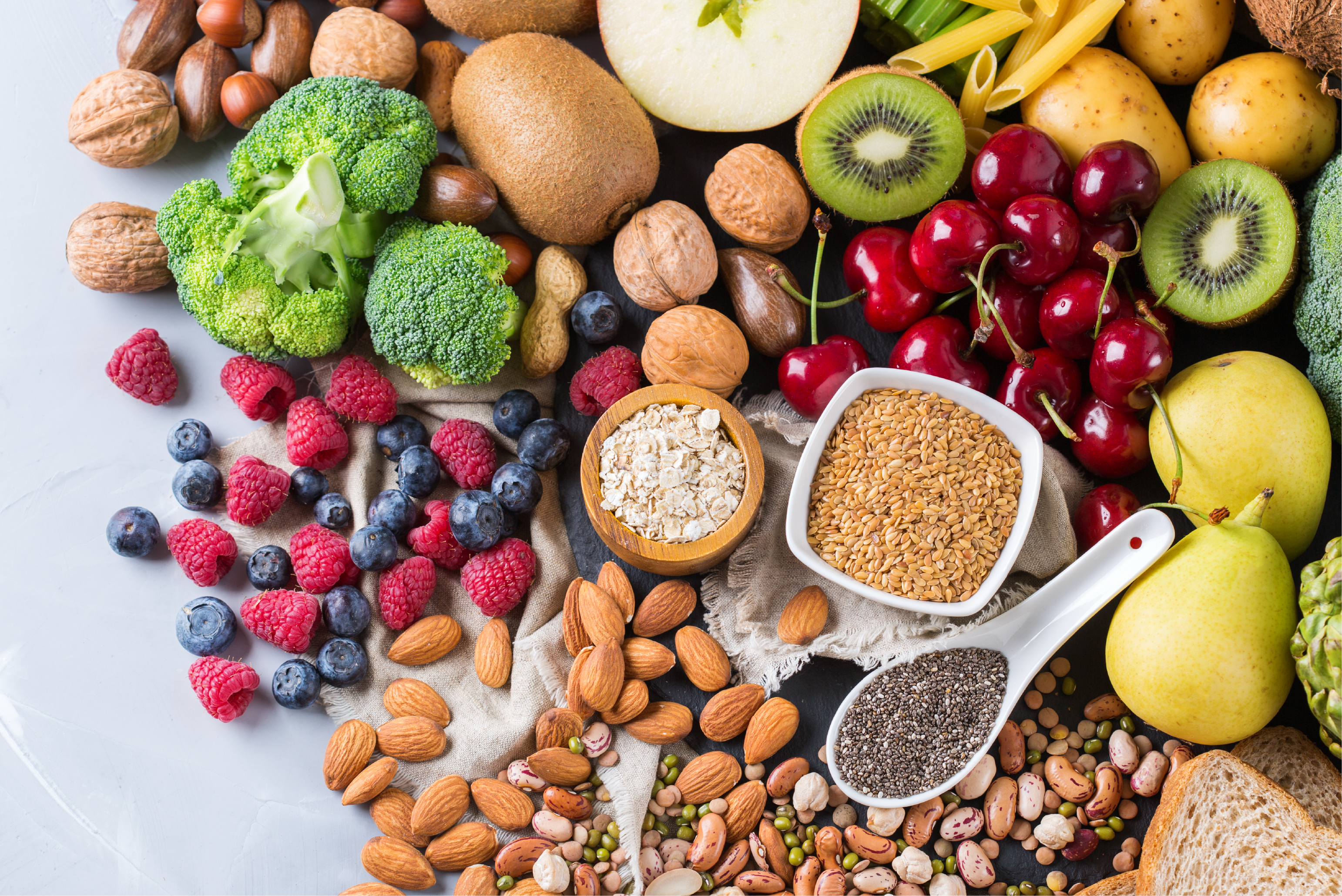
Following the best diet for men to lose weight means choosing balanced meals that include protein, fibre, wholegrains, fruit, vegetables, and healthy fats. A nutritious eating pattern helps you stay fuller for longer, supports muscle maintenance, and promotes sustainable weight loss alongside regular physical activity.
What Are the Most Common Obstacles Men Face During Weight Loss?
Successful weight loss for men is not always straightforward. Alongside healthy eating and regular exercise, several biological, lifestyle, and psychological factors can influence progress. Recognising these challenges can help you stay realistic, adapt your approach, and maintain long-term results.
- Hormonal Changes: Changes in hormone levels during weight loss may affect energy, muscle maintenance, and appetite. Focusing on healthy weight loss for men through balanced nutrition and regular strength training can help support overall wellbeing.
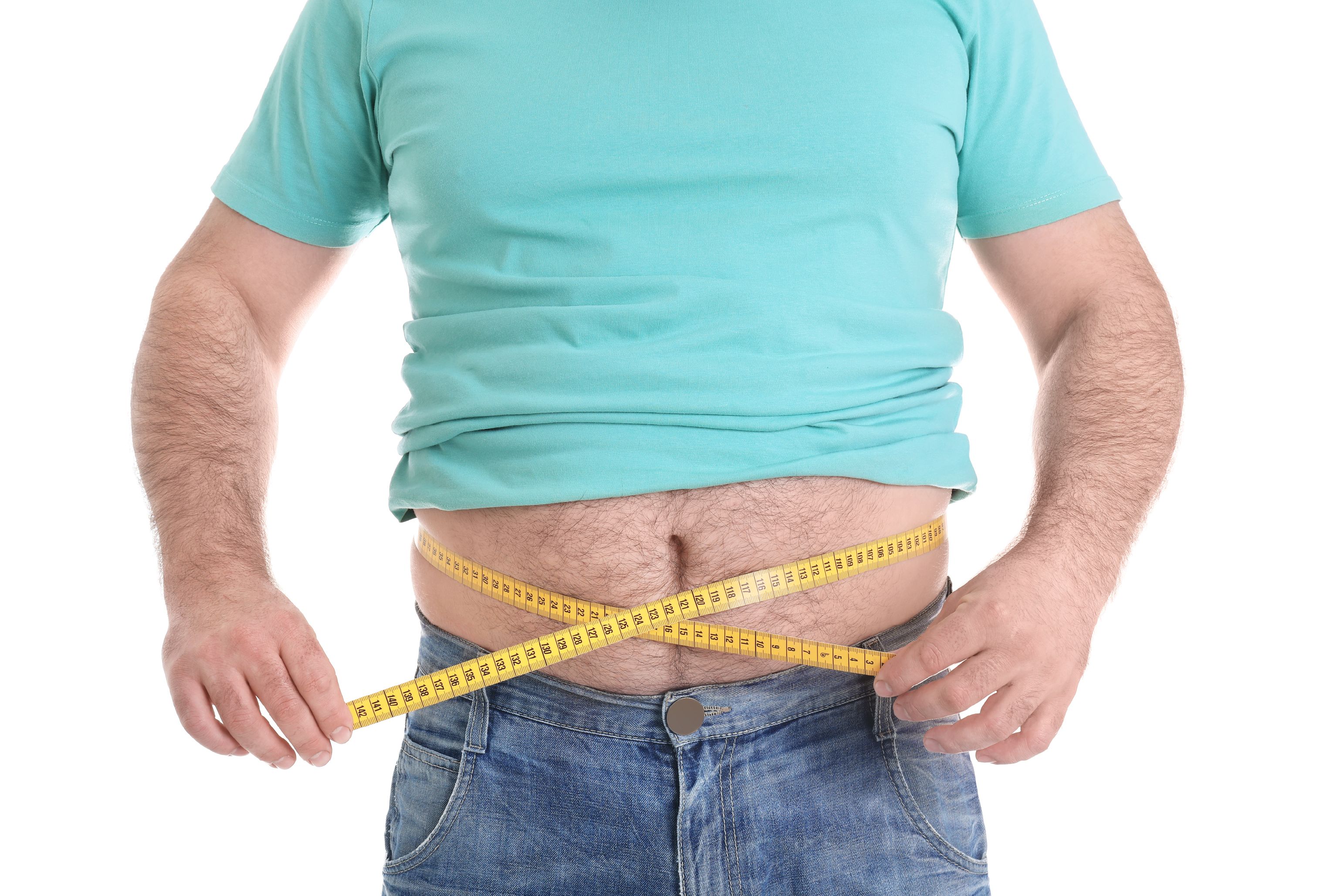
- Abdominal Fat: Men are more likely to carry fat around the abdomen, which may take longer to reduce even with consistent effort. This can make the weight loss timeline feel slower, although steady progress is still being made.
- Work and Social Commitments: Busy schedules, travel, and eating out can make it harder to stick to healthy routines. Planning meals and staying active where possible can help you remain consistent.
- Genetics: Where your body stores fat is largely influenced by genetics. Although some areas may change more slowly than others, gradual fat loss across the body is normal.
- Muscle Gain: Regular strength training can increase or maintain muscle while reducing body fat. As a result, weight loss speed on the scales may appear slower, even though your body composition is improving.
- Finding the Right Support: Some men delay seeking professional advice or structured support. Following the best diet for men to lose weight, together with clinician-guided treatment where appropriate, can help build sustainable habits and improve long-term success.
How Important Is Exercise for Men's Weight Loss?
Exercise is an essential part of weight loss for men because it helps preserve muscle, improves fitness, and supports overall health. Regular physical activity also makes it easier to maintain weight after losing it when combined with healthy lifestyle habits.
Although exercise is valuable, healthy eating has the greatest impact on reducing body weight. A balanced reduced-calorie diet together with regular physical activity provides the strongest foundation for lasting results. Where clinically appropriate, prescription weight-loss treatment should be used alongside these lifestyle changes.
Can Prescription Weight-Loss Treatments Support Men's Progress?
For eligible men, a clinically supervised weight loss treatment can provide additional support when combined with a reduced-calorie diet and increased physical activity. Prescription medicines such as Mounjaro weight loss injection and Wegovy for weight loss are intended to support long-term weight management alongside healthy lifestyle changes and ongoing clinical care.
Men-Specific Benefits of Weight-Loss Treatments
- Supports Hormonal Health: Losing excess body fat may help improve hormone balance in some men, particularly when weight loss is achieved and maintained as part of a healthy lifestyle.
- May Benefit Reproductive Health: Weight loss can contribute to better overall health, which may have a positive effect on reproductive wellbeing. Individual results vary, and more research is continuing in this area.
- Supports Heart Health: For eligible patients, achieving and maintaining a healthier weight may help reduce cardiovascular risk factors. Wegovy tablets, when available and prescribed, should also be used alongside healthy lifestyle changes.
- Improves Overall Wellbeing: Weight loss may help improve mobility, confidence, energy levels, and quality of life. Some men may also experience improvements in obesity-related conditions as their health progresses.
How Can Men Maintain Weight Loss After Reaching Their Goal?
Reaching your target weight is an important milestone, but maintaining it requires consistent healthy habits. A sustainable male weight loss plan focuses on balanced nutrition, regular physical activity, and ongoing lifestyle changes rather than short-term dieting.
Continue Healthy Eating Habits
Choose balanced meals that include lean protein, fibre-rich foods, wholegrains, fruit, and vegetables. Maintaining healthy eating habits can help manage appetite and support long-term weight maintenance.
Stay Physically Active
Keep active with a combination of aerobic exercise and strength training throughout the week. Regular movement helps maintain muscle mass, supports overall health, and makes it easier to sustain your weight.
Monitor Weight Regularly
Check your weight at regular intervals to spot small changes early. If your weight begins to increase, reviewing your eating habits and activity levels can help you return to your routine before small gains become significant.
Conclusion: Man Weight Loss Journey
Successful weight loss for men is achieved through consistent lifestyle changes rather than quick fixes. Eating a balanced diet, staying physically active, getting enough sleep, and setting realistic goals all contribute to steady progress that is easier to maintain over time.
If healthy lifestyle changes alone are not enough, clinically supervised prescription treatment may be an option for eligible individuals. A personalised plan that combines nutrition, exercise, and ongoing clinical support offers the best opportunity to achieve and maintain a healthier weight safely.
GLP-1
Wegovy
A weekly GLP-1 treatment proven to reduce hunger and support meaningful, long-term fat loss.
- ✔~16.9% average body weight loss
- ✔Boosts metabolic & cardiovascular health
- ✔Proven, long-established safety profile
- ✔Weekly injection, easy to use
GLP-1 / GIP
Mounjaro
Dual-agonist support that helps curb appetite, hunger, and cravings to drive substantial, sustained weight loss.
- ✔~22.5% average body weight loss
- ✔Significant weight reduction
- ✔Improves blood sugar levels
- ✔Clinically proven weight loss
FAQs
Is it harder for men to lose weight as they get older?
Yes. Ageing can slow metabolism and reduce muscle mass, making weight loss more gradual. Regular strength training, balanced nutrition, and an active lifestyle can help support healthy progress.
How much weight can a man safely lose in a week?
For most men, losing around 0.5 kg to 1 kg (1 to 2 lbs) per week is considered a realistic and sustainable target when following healthy lifestyle changes.
Does strength training help with weight loss?
Yes. Strength training helps preserve and build muscle while losing body fat. Maintaining muscle also supports metabolism and long-term weight management.
Why has my weight loss slowed down?
Weight loss often slows as your body adapts to changes in diet and activity. Reviewing your calorie intake, exercise routine, and lifestyle habits can help you continue making progress.
Can I lose weight without going to the gym?
Yes. Walking, cycling, home workouts, and other forms of regular physical activity combined with a balanced diet can support healthy weight loss.
Are prescription weight-loss medicines suitable for everyone?
No. Prescription treatments are only appropriate for eligible patients following a clinical assessment. A healthcare professional will determine whether they are suitable based on your individual circumstances.
What foods should men include in a weight-loss diet?
A balanced diet should include lean protein, wholegrains, fruit, vegetables, healthy fats, and fibre-rich foods to help support satiety, muscle maintenance, and overall health.
How can I maintain my weight after reaching my goal?
Continue following healthy eating habits, stay physically active, monitor your weight regularly, and seek clinical advice if you need additional support to maintain your results.