
Weight retention after childbirth is common and can be influenced by hormonal changes, recovery demands, disrupted sleep, breastfeeding, and the challenges of caring for a newborn. Progress is often gradual, and slower weight loss does not mean something is wrong.
As interest in prescription weight-loss treatments grows, many women are asking whether Mounjaro after pregnancy may be suitable. However, treatment decisions depend on recovery, breastfeeding status, overall health, and individual clinical assessment. Understanding these factors is important because the right timing may not be what many new mothers expect.
GLP-1 / GIP
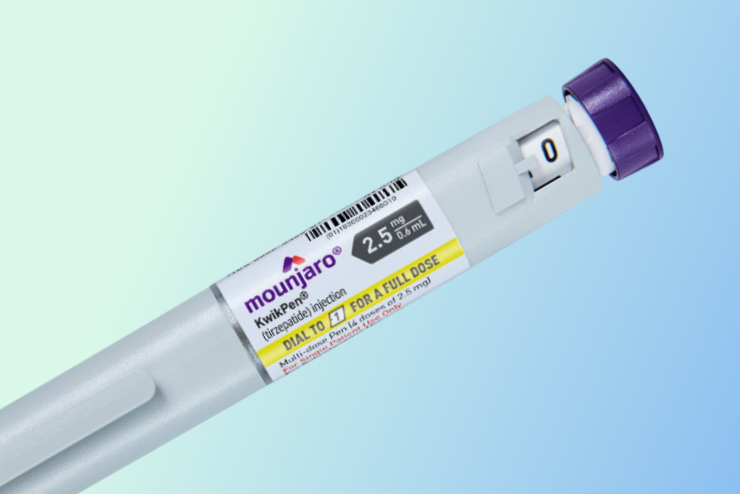
Mounjaro
Dual-agonist support that helps curb appetite, hunger, and cravings to drive substantial, sustained weight loss.
- ✔~22.5% average body weight loss
- ✔Significant weight reduction
- ✔Improves blood sugar levels
- ✔Clinically proven weight loss
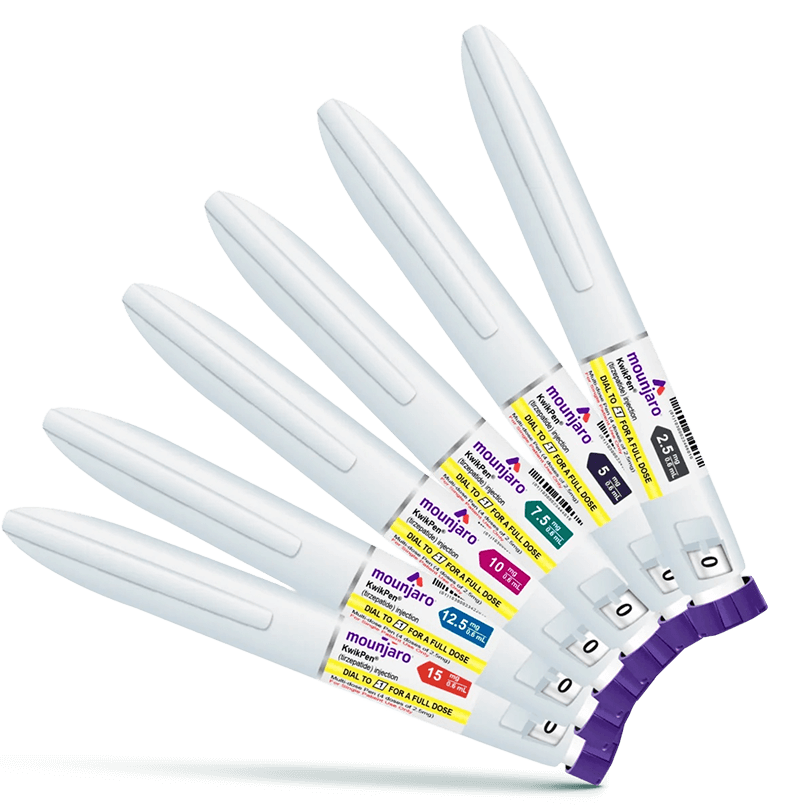
Key Insights About Mounjaro After Pregnancy
- ✔Mounjaro should not be used during pregnancy.
- ✔Postpartum suitability varies from person to person.
- ✔Breastfeeding status is an important consideration when assessing treatment.
- ✔Recovery after childbirth should remain a priority before starting weight-loss medication.
- ✔Healthcare professionals assess each patient individually before prescribing.
- ✔Sustainable weight management involves nutrition, activity, sleep, and recovery.
- ✔Long-term health improvements matter more than rapid weight loss.
Is Mounjaro Safe to Use After Pregnancy?
For some women, Mounjaro after pregnancy may be considered following a clinical assessment. However, suitability depends on factors such as recovery progress, breastfeeding status, overall health, and future pregnancy plans. One common misunderstanding is that treatment can begin as soon as the baby is born. In reality, recovery from childbirth remains the priority, and healthcare professionals assess each patient individually before prescribing.
Pregnancy Safety Considerations
Mounjaro weight loss injection contains tirzepatide and should not be used during pregnancy. Weight-loss medication is not recommended during pregnancy because maternal nutrition and healthy fetal development remain the focus. Women who become pregnant while using Mounjaro should seek medical advice regarding ongoing treatment.
Postpartum Suitability Factors
There is no single timeline that applies to every mother. While some women may feel physically recovered within a few months, others may require longer due to breastfeeding, recovery demands, medical conditions, or pregnancy-related complications. What many people do not realise is that readiness for treatment is often influenced by overall recovery rather than body weight alone.
Recovery After Vaginal Birth
Recovery following a vaginal birth varies significantly. Some mothers regain energy and mobility relatively quickly, while others need more time to recover physically and emotionally. Healthcare professionals often consider healing progress, nutritional status, mental wellbeing, and daily functioning before discussing weight-management medication.
Recovery After Caesarean Section
Women considering Mounjaro after C section delivery may require additional recovery time. A Caesarean section is major abdominal surgery, and healing remains an important priority during the months that follow. Pain management, wound healing, mobility, and caring for a newborn can all influence when treatment becomes appropriate.
Who May Be a Suitable Candidate?
Suitability depends on several factors, including:
- Current body weight and BMI
- Recovery status
- Breastfeeding plans
- Existing medical conditions
- Previous weight-management efforts
- Long-term health goals
- Future pregnancy intentions
An important consideration that is often overlooked is contraception planning. Tirzepatide may affect the absorption of oral contraceptives in some patients, and women who may become pregnant again should discuss appropriate contraception and future family plans with their healthcare professional before starting treatment.
When Can You Start Mounjaro After Giving Birth?
Many women ask, when can I start Mounjaro after giving birth? The answer depends on individual recovery and medical circumstances.
- No Universal Timeline: Recovery after childbirth is highly individual. Some women may be medically suitable earlier than others, while some may benefit from waiting until recovery milestones have been reached.This is why healthcare professionals avoid applying a fixed timeframe for all patients.
- Recovery From Childbirth: The body continues healing long after delivery. Hormonal changes, physical recovery, sleep disruption, and nutritional demands all affect overall health during the postpartum period. Starting weight-loss treatment too early may not always be appropriate if recovery remains the primary focus.
- Recovery Following a C-Section: Women considering postpartum Mounjaro following a Caesarean section often require additional consideration due to surgical recovery. Healthcare professionals may assess mobility, wound healing, pain levels, nutritional intake, and overall recovery before discussing treatment options.
- Existing Health Conditions: Conditions such as gestational diabetes history, hypertension, thyroid disorders, or mental health concerns may influence treatment decisions. A comprehensive review helps ensure weight management plans align with overall health needs.
- Breastfeeding Status: Breastfeeding remains one of the most important considerations when assessing eligibility. Current recommendations differ for breastfeeding and non-breastfeeding mothers. This is why clinicians ask detailed questions about feeding plans before prescribing treatment.
- Prescribing Assessments: Readiness is about more than body weight alone. Healthcare providers consider physical recovery, nutritional status, medical history, medications, and future pregnancy plans before recommending treatment.
If you are considering treatment, a Mounjaro online consultation can help determine whether it is suitable for your individual circumstances and weight-management goals.
Mounjaro and Breastfeeding: What Current Guidance Says
Breastfeeding is one of the most important factors considered when assessing whether Mounjaro may be suitable after pregnancy. While many mothers are eager to begin weight management treatment, infant safety remains the priority during this stage.
Limited Human Safety Data
There is currently limited human data on the use of tirzepatide during breastfeeding. Because the available evidence is insufficient to fully understand potential risks, healthcare professionals take a cautious approach when assessing treatment suitability for nursing mothers.
Breastfeeding Considerations
Mounjaro is generally not recommended during breastfeeding. A common misunderstanding is that a medication can be considered safe simply because it is taken by the mother rather than the baby. However, when evidence is limited, healthcare professionals prioritise caution until more safety data becomes available.
Potential Infant Exposure
It is not yet known whether tirzepatide passes into human breast milk or what effects it may have on a breastfed infant. Newborns and young babies are particularly sensitive to changes in nutrition and medication exposure, which is why breastfeeding status plays a central role in prescribing decisions.
Weight Management While Nursing
For mothers who are breastfeeding, the focus is often placed on gradual and sustainable health habits rather than medication. Balanced nutrition, regular movement, adequate hydration, and recovery support can all contribute to healthy weight management during this period. What many mothers do not realise is that slower weight loss while nursing is common, and in many cases, the body's increased energy demands can temporarily influence progress on the scales.
Why Postpartum Weight Loss Can Be More Challenging Than Expected
Many women expect weight loss to happen naturally after childbirth. While some pregnancy weight may reduce during the first weeks, ongoing weight loss is often slower than expected. This does not mean something is wrong. Several biological and lifestyle factors can make progress more difficult during the postpartum period.
Hormonal Changes
Pregnancy and childbirth cause major hormonal shifts. These changes can influence appetite, energy levels, fluid balance, and how the body stores fat. Hormones continue adjusting for months after delivery, which can affect weight management efforts.
Sleep Deprivation
New mothers often experience interrupted sleep for weeks or months. Poor sleep can affect hunger hormones, increase cravings, and reduce energy levels. A mother who is waking several times each night may find healthy eating and regular activity more difficult than expected.
Increased Hunger and Appetite Changes
Many women notice stronger hunger signals after pregnancy, particularly when breastfeeding. The body requires additional energy during recovery and infant care, which can naturally increase appetite. This can make calorie control more challenging despite good intentions.
Emotional Eating and Stress
Adjusting to life with a newborn can be emotionally demanding. Stress, anxiety, and feeling overwhelmed may influence eating behaviours. Some mothers find themselves reaching for convenient comfort foods when time, energy, and support are limited.
Reduced Time for Exercise
Caring for a newborn often leaves little time for structured workouts. Even women who were highly active before pregnancy may struggle to return to previous exercise routines. This is a common experience and should not be viewed as a personal failure.
Recovery Demands Following Childbirth
Recovery requires energy. Whether a woman has experienced a vaginal birth or a Caesarean section, the body needs time to heal. A new mother who retained weight after pregnancy may feel frustrated by slower progress despite healthy habits. However, recovery demands, hormonal changes, and sleep disruption can all influence weight loss during this stage.
Building a Sustainable Postpartum Weight Loss Plan With Mounjaro
For women who are medically suitable, postpartum Mounjaro should support a broader health plan rather than replace healthy habits. Sustainable weight management is usually achieved through gradual lifestyle changes that fit realistically around recovery and the demands of motherhood.
- Nutrition After Pregnancy: Good nutrition remains essential after childbirth. Recovery, hormone regulation, and overall wellbeing all depend on adequate nutrient intake. Restrictive diets are rarely beneficial during the postpartum period and may slow recovery.
- Protein and Muscle Support: Protein helps support muscle maintenance, recovery, and satiety. Including protein-rich foods throughout the day may help manage hunger while supporting healthy body composition during weight loss.
- Walking and Strength Training: Walking is often one of the most practical ways for new mothers to increase activity. As recovery progresses, gentle strength training may help support physical function, muscle preservation, and long-term health.
- Sleep and Recovery: Although uninterrupted sleep is often difficult with a newborn, recovery should remain a priority. Rest, stress management, and self-care can support overall wellbeing and make healthy lifestyle changes easier to maintain.
- Realistic Expectations: One common misconception is that postpartum weight loss should happen quickly. In reality, healthy progress is often measured over months rather than weeks, particularly while the body continues to recover from pregnancy and childbirth.
- Long-Term Habits: Successful weight management rarely depends on medication alone. Consistent nutrition, regular movement, recovery, and sustainable habits are usually the foundation of long-term results, with Mounjaro acting as one part of a wider health strategy.
Signs You Need to Consult Healthcare Professional
Women considering Mounjaro after pregnancy should seek professional advice if they:
- Have questions about breastfeeding and medication safety
- Experienced complications during pregnancy or childbirth
- Are recovering from a recent Caesarean section
- Have existing medical conditions or take regular medication
- Are unsure whether they meet prescribing criteria
- Plan to become pregnant again in the future
- Have concerns about weight management after childbirth
Healthcare professionals can assess your recovery, breastfeeding status, medical history, and weight management goals before recommending treatment. If you are considering Mounjaro after pregnancy, our Online Weight Loss Clinic consultation can help determine whether treatment may be suitable for your individual circumstances.
Conclusion: Recovery Before Treatment
Mounjaro after pregnancy may be suitable for some women, but treatment decisions should be based on recovery, breastfeeding status, medical history, and individual health goals. Healthcare professionals assess these factors carefully before recommending treatment.
Postpartum weight management is rarely about quick results. Healthy nutrition, regular movement, recovery, and sustainable habits remain essential for long-term success. For many women, the goal is not rapid weight loss but building a healthier foundation for the months and years ahead.
GLP-1
Wegovy
A weekly GLP-1 treatment proven to reduce hunger and support meaningful, long-term fat loss.
- ✔~16.9% average body weight loss
- ✔Boosts metabolic & cardiovascular health
- ✔Proven, long-established safety profile
- ✔Weekly injection, easy to use
GLP-1 / GIP
Mounjaro
Dual-agonist support that helps curb appetite, hunger, and cravings to drive substantial, sustained weight loss.
- ✔~22.5% average body weight loss
- ✔Significant weight reduction
- ✔Improves blood sugar levels
- ✔Clinically proven weight loss
FAQs About Mounjaro After Pregnancy
When can I start Mounjaro after giving birth?
There is no universal timeline. Healthcare professionals assess recovery, breastfeeding status, medical history, and overall suitability before prescribing treatment.
How soon after pregnancy can Mounjaro be prescribed?
The timing varies between patients. Recovery status, breastfeeding plans, and medical history all influence prescribing decisions.
Why is postpartum weight loss often difficult?
Hormonal changes, sleep deprivation, increased hunger, stress, reduced activity, and recovery demands can all affect weight loss after childbirth.
Can Mounjaro affect breast milk?
There is limited information regarding whether tirzepatide passes into breast milk, which is why breastfeeding requires careful assessment before treatment.
Do I need a medical assessment before starting Mounjaro postpartum?
Yes. Healthcare professionals assess suitability individually before prescribing postpartum Mounjaro treatment.
What are alternatives to Mounjaro while breastfeeding?
Depending on individual circumstances, clinicians may recommend lifestyle-based weight management strategies while breastfeeding continues.
Can I use Mounjaro if I plan to become pregnant again?
Future pregnancy plans should be discussed with a healthcare professional before starting treatment.
Does Mounjaro work differently after pregnancy?
The medication works through the same biological mechanisms, but postpartum recovery, hormones, sleep, and lifestyle factors can influence overall weight-management outcomes.