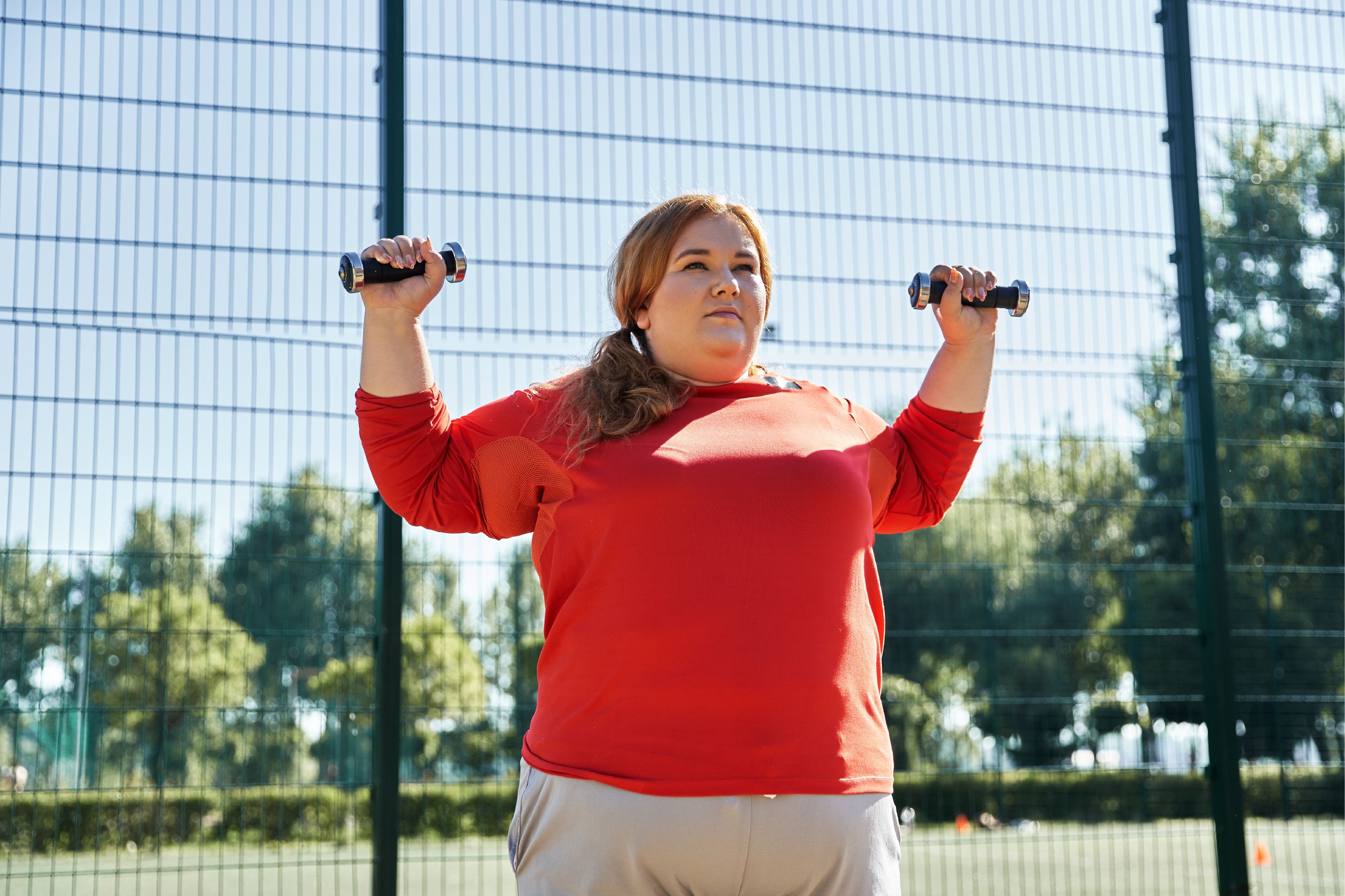

Mounjaro reduces appetite and calorie intake, which supports weight loss but may also increase the risk of losing muscle if activity is limited. Combining Mounjaro and exercise can help preserve strength, support fitness and maintain muscle as body weight decreases.
Treatment response can vary, so your workout intensity should match your energy levels and how your body adapts. A gradual approach that combines activity with enough recovery is usually easier to maintain long term.
GLP-1 / GIP
Mounjaro
Dual-agonist support that helps curb appetite, hunger, and cravings to drive substantial, sustained weight loss.
- ✔~22.5% average body weight loss
- ✔Significant weight reduction
- ✔Improves blood sugar levels
- ✔Clinically proven weight loss

Key Takeaways: Mounjaro and Exercise
- ✔Mounjaro works best alongside regular movement and healthy lifestyle habits.
- ✔Strength training and balanced activity can support muscle maintenance during weight loss.
- ✔Progress your routine gradually based on your fitness and energy levels.
- ✔Recovery, hydration and nutrition are important parts of sustainable exercise.
- ✔Listen to your body and adjust activity when needed.
- ✔Consistent, sustainable activity is more valuable than pushing through intense workouts.
Can You Exercise While Taking Mounjaro?
Yes, most people can exercise while taking Mounjaro. For weight management, the medicine is intended to be used alongside a reduced calorie diet and increased physical activity, and clinical trials of tirzepatide followed this combined approach. This makes Mounjaro and exercise part of the same broader weight management strategy rather than two separate approaches.
Maintaining strength and fitness during weight loss requires adjusting your routine as your needs change. Your food intake, recovery and activity levels should work together to support steady progress throughout treatment. Balancing training, recovery and nutrition can help make treatment more manageable.
What Types of Exercise Work Best While Taking Mounjaro?
There is no fixed workout routine you need to follow during Mounjaro treatment. A balanced approach to Mounjaro and exercise should include strength training, aerobic activity and enough recovery to match your fitness level, energy and how you feel as treatment progresses.
Strength and Resistance Training
Strength training is especially useful during weight loss because it helps maintain muscle strength as body weight decreases. Aim to work the major muscle groups at least twice a week using weights, resistance bands or bodyweight movements such as squats, lunges and push-ups. It can form an important part of a balanced Mounjaro diet and exercise routine.
Low-Impact Cardio
Brisk walking, cycling and swimming can increase your heart rate without requiring highly demanding workouts. Adults should generally aim for around 150 minutes of moderate activity each week, although shorter sessions still provide benefits when building fitness. Lower-impact options may also feel more manageable when treatment temporarily affects energy or digestion.
Flexibility and Mobility
Yoga, Pilates and mobility exercises can support flexibility, balance and comfortable movement alongside cardio and strength training. They are particularly useful on lighter activity or recovery days and can help keep your weekly routine varied. These sessions should complement rather than replace aerobic and muscle-strengthening activity.
High-Intensity Interval Training
HIIT is an optional addition rather than a requirement for better Mounjaro and exercise results. People who already have a good fitness base may include short periods of vigorous exercise, while beginners may benefit from developing aerobic fitness first. If nausea, vomiting, diarrhoea or low energy is affecting you, reducing workout intensity may be more appropriate until you feel able to progress.
A Practical Mounjaro Exercise Plan That Progresses With You
A good Mounjaro and exercise routine should become more challenging only when your energy, fitness and treatment tolerance allow. The aim is to build towards regular aerobic activity and at least two strength sessions each week, rather than pushing for maximum intensity from the beginning.
Weeks 1–4: Build Consistency First
During the early weeks, focus on creating the habit of regular movement. Start with 15 to 30 minutes of brisk walking, easy cycling or another manageable activity, then add light bodyweight or resistance exercises once or twice a week. If nausea, diarrhoea or low energy affects a session, reduce the duration or intensity rather than trying to train through it.
A simple starting week could include:
- 3 × 20–30 minute brisk walks
- 1–2 × light strength sessions
- 1 × stretching or mobility session
- Rest or gentle movement between harder days
Weeks 5–12: Add Strength and Longer Sessions
As your fitness develops, gradually increase your weekly activity while maintaining a balance between training days and recovery. Progress at a pace that feels sustainable rather than increasing intensity too quickly. Walking, cycling and swimming can fill the remaining active days without making every workout demanding.
A developing weekly routine could include:
- 2 × 30–40 minute moderate cardio sessions
- 2 × full-body strength sessions
- 1 × easy walk, yoga or mobility session
- 2 × recovery or lighter activity days
Month 4 and Beyond: Progress Without Overtraining
Once your routine feels comfortable, continue improving by gradually increasing the duration, resistance or intensity of your workouts. Make small adjustments over time and allow enough recovery between challenging sessions to support long-term progress.
A more established week could include:
- 2 × full-body strength sessions
- 2 × 30–45 minute moderate cardio sessions
- 1 × optional interval or higher-intensity session
- 1 × mobility or active recovery session
- 1 × full rest day
This approach provides structure while allowing flexibility, as exercise progression can vary between individuals. Consistency with regular movement and a balanced routine is often more sustainable than focusing on intense workouts.
What Safety Steps Should You Consider Before Exercising on Mounjaro?
Exercising during Mounjaro treatment should focus on steady progress rather than pushing too hard too soon. Building fitness gradually, using correct techniques and allowing recovery can help reduce the risk of injury.
- Use Proper Form: Focus on learning correct technique before increasing weights or workout intensity. Gradually progressing resistance and movement difficulty can help you exercise more safely.
- Know Your Limits: Your routine should reflect your fitness level, health conditions and treatment needs. If you are unsure where to start, a healthcare professional can provide guidance suited to your circumstances.
- Seek Advice When Needed: Stop exercising if you experience symptoms such as dizziness, unusual pain or feeling unwell. Seeking medical advice before continuing can help you return to activity safely.
Smart Workout Tips for Exercising Comfortably on Mounjaro
A successful approach to Mounjaro and exercise involves more than choosing the right workouts. Tirzepatide-related weight loss can include some loss of lean mass, while nausea, vomiting, diarrhea, and reduced appetite may occasionally affect energy or hydration. Your routine should therefore balance training with adequate nutrition, fluids, and recovery.
Keep Hydration Steady
Nausea, vomiting, and diarrhea associated with Mounjaro can increase the risk of dehydration, particularly during dose escalation. Drink fluids regularly throughout the day and around your workouts rather than waiting until you feel very thirsty. If gastrointestinal symptoms are significant, reducing exercise intensity may be sensible until hydration improves.
Include Enough Protein
Weight loss with tirzepatide can involve reductions in both fat mass and lean mass, making muscle maintenance an important consideration. Include protein rich foods across your meals while combining adequate nutrition with regular resistance training. This can make your Mounjaro diet and exercise routine more supportive of strength as your weight decreases.
Choose the Right Meal Timing
Mounjaro can slow gastric emptying and may cause nausea or a feeling of fullness, so large meals immediately before demanding exercise may feel uncomfortable for some people. Choose a meal size and timing that you tolerate well rather than following a fixed waiting period. Lighter food may be easier to manage before training when appetite or digestion feels different.
Adjust Your Training Load
Your exercise routine may need to change as your treatment progresses. Adjust the intensity, duration or recovery time based on your energy levels, fitness improvements and how your body responds. Making gradual changes can help you stay consistent while avoiding unnecessary strain.
Stay Active on Recovery Days
Recovery days are an important part of a sustainable workout routine. Gentle activities such as walking, stretching or mobility exercises can help maintain consistency while allowing your muscles and body enough time to recover between more demanding sessions. Balancing movement with rest can support long-term progress during treatment.
Adjust on Symptom Days
When balancing exercise and Mounjaro, your workout does not need to look identical every day. Nausea, vomiting, diarrhea, or reduced energy are more common during dose escalation, so a shorter walk, mobility session, or rest day may sometimes be more appropriate than intense training. Returning to your usual workload once you feel better can help keep the routine sustainable.
For personalised support with Mounjaro, nutrition and physical activity, Online Weight Loss Clinic can help you follow a treatment plan suited to your individual needs.
Conclusion: Exercise Smarter on Mounjaro
The best approach to Mounjaro and exercise is one that supports your changing energy, fitness and treatment response. Combining strength training, moderate cardio, mobility work and regular recovery can help you stay active while protecting muscle and maintaining overall fitness as your weight changes.
Progress does not need to be fast or intense to be effective. A flexible routine, supported by good hydration and adequate protein, can be easier to maintain during treatment. Gradual workout progression can also help make physical activity a consistent part of your long-term weight management plan.
GLP-1
Wegovy
A weekly GLP-1 treatment proven to reduce hunger and support meaningful, long-term fat loss.
- ✔~16.9% average body weight loss
- ✔Boosts metabolic & cardiovascular health
- ✔Proven, long-established safety profile
- ✔Weekly injection, easy to use
GLP-1 / GIP
Mounjaro
Dual-agonist support that helps curb appetite, hunger, and cravings to drive substantial, sustained weight loss.
- ✔~22.5% average body weight loss
- ✔Significant weight reduction
- ✔Improves blood sugar levels
- ✔Clinically proven weight loss
FAQs About Mounjaro and Exercise
Can I start exercising when I first begin Mounjaro?
Yes, you can usually start exercising when beginning Mounjaro, but it is best to begin at a comfortable level. Light activities such as walking or gentle strength exercises can help you build consistency while your body adjusts to treatment.
Does Mounjaro make it harder to build muscle?
Mounjaro does not directly prevent muscle growth, but weight loss can involve some loss of lean mass alongside fat. Combining resistance training with adequate protein intake can help support muscle maintenance during treatment.
Should I exercise before or after taking my Mounjaro injection?
There is no specific exercise time required around your Mounjaro injection. Choose a workout time that feels most comfortable for you, and consider lighter activity if you experience temporary side effects after your dose.
Can I go to the gym while taking Mounjaro?
Yes, many people continue going to the gym while using Mounjaro. Focus on exercises that match your current fitness level, such as resistance training, cardio machines or group classes, and adjust intensity if your energy levels change.
Can exercise reduce Mounjaro side effects?
Exercise may support overall wellbeing, but it does not prevent all Mounjaro side effects. Gentle movement may help you stay active when you feel well, while rest and hydration may be more suitable during periods of nausea, fatigue or digestive discomfort.
How much exercise should I do while taking Mounjaro?
The amount of exercise depends on your current fitness, health and goals. General guidance for adults is to aim for regular aerobic activity alongside muscle-strengthening exercises, but your routine should be increased gradually.
Can I exercise if I feel tired on Mounjaro?
Yes, but adjust your activity based on your energy levels. Gentle movement such as walking or stretching may be more suitable on lower-energy days, while harder workouts can be resumed when you feel ready.
What should I avoid when exercising on Mounjaro?
Avoid pushing through severe nausea, dizziness, dehydration or extreme fatigue. Training too intensely when your body is not recovering well may make exercise harder to maintain, so adjust your routine based on how you feel.