
Insulin resistance occurs when muscle, fat and liver cells respond less effectively to insulin, making blood glucose harder to control. The link between Mounjaro and insulin resistance is important because tirzepatide activates GIP and GLP-1 receptors, increasing glucose-dependent insulin release and reducing glucagon when appropriate.
Mounjaro may also support insulin sensitivity as treatment progresses. This article explains how these effects develop, what changes may be expected and which factors can influence the response.
GLP-1 / GIP
Mounjaro
Dual-agonist support that helps curb appetite, hunger, and cravings to drive substantial, sustained weight loss.
- ✔~22.5% average body weight loss
- ✔Significant weight reduction
- ✔Improves blood sugar levels
- ✔Clinically proven weight loss

Key Takeaways for Mounjaro and Insulin Resistance
- ✔Mounjaro may improve insulin sensitivity by enhancing glucose-dependent insulin release and helping regulate glucagon.
- ✔Improvements can begin early but may become more noticeable with continued treatment and weight loss.
- ✔Response varies based on weight, metabolic health, diet, activity and treatment progression.
- ✔Insulin resistance alone does not determine Mounjaro suitability; individual clinical factors and eligibility criteria matter.
- ✔Benefits may lessen after stopping treatment, particularly if weight or metabolic risk factors return.
- ✔Healthy eating, regular activity and sustainable weight management remain important for maintaining metabolic health.
How Does Mounjaro Improve Insulin Sensitivity?
The relationship between Mounjaro and insulin resistance extends beyond weight loss. Tirzepatide acts on GIP and GLP 1 receptors and influences several processes involved in glucose regulation, helping the body manage blood sugar more effectively.
GIP and GLP 1 Action
Tirzepatide activates GIP and GLP 1 receptors, helping the pancreas release insulin when blood glucose is elevated. As this response is glucose dependent, insulin secretion increases according to the body’s needs rather than remaining constantly raised.
Liver Glucose Control
The liver releases glucose between meals to maintain energy levels, but excessive production can contribute to high blood sugar. Tirzepatide reduces glucagon concentrations in a glucose dependent manner, helping limit unnecessary glucose release from the liver.
Slower Digestion
Mounjaro delays gastric emptying, particularly during the earlier stages of treatment. Food therefore moves from the stomach more slowly, which can moderate rises in blood glucose after meals. This effect generally becomes less pronounced with continued treatment.
Improved Insulin Sensitivity
Improved insulin sensitivity means tissues such as muscle and fat can respond more effectively to insulin and take up glucose from the bloodstream. Mounjaro may support this metabolic response, while reductions in excess body fat can contribute to further improvement over time.
How Quickly Can Mounjaro Improve Insulin Resistance?
Changes in glucose control may begin during the early stages of treatment, while broader improvements in insulin sensitivity can take longer. There is no single timeline, as response depends on individual circumstances and treatment progression.
Early Metabolic Effects
Changes in glucose regulation may occur before substantial weight loss, but these early effects do not necessarily represent the full response to treatment. Improvements in insulin sensitivity may develop progressively as treatment continues.
Changes During Dose Escalation
Mounjaro starts at a lower dose and is increased gradually when appropriate. Metabolic improvements may continue as treatment progresses, but increasing the dose does not guarantee faster or greater improvement.
Longer Term Improvement
Longer term improvements may become more apparent as treatment progresses, particularly when weight management is sustained. However, the extent of change can differ considerably between individuals.
Why Results Vary
Insulin sensitivity can change at different rates depending on baseline metabolic health, treatment response and daily habits. Factors such as existing glucose levels, weight, diet and physical activity can influence how quickly measurable improvements develop.
Measuring Your Progress
HbA1c, fasting glucose and other metabolic markers can show changes more reliably than symptoms alone. An online consultation allows a healthcare professional to review these results alongside your medical history, medicines and treatment progress to advise on suitable next steps.
Does Mounjaro Help Insulin Resistance Without Diabetes?
Yes, Mounjaro may improve insulin sensitivity in people without type 2 diabetes, but insulin resistance alone does not mean the medicine is suitable. Insulin resistance, prediabetes and type 2 diabetes are distinct conditions with different clinical considerations.
In the UK, Mounjaro is authorised for treating type 2 diabetes and for weight management in eligible adults who meet specific criteria. This means a person does not need to have diabetes to be prescribed Mounjaro for weight management, provided they meet the relevant eligibility requirements.
If insulin resistance is present without diabetes, a clinician should consider BMI, weight related health conditions, HbA1c or fasting glucose, current medicines and medical history. Insulin resistance alone should not be used as a standalone reason for treatment.
What Can Influence Insulin Sensitivity While Taking Mounjaro?
Mounjaro is only one factor affecting glucose control during treatment. Body weight, dose progression, other glucose lowering medicines, food intake and physical activity can also influence the response.
Weight Loss
Reducing excess body fat, particularly visceral fat, can improve how tissues respond to insulin. Changes in weight may also affect glucose levels and insulin requirements, making ongoing monitoring important for some patients.
Dose Progression
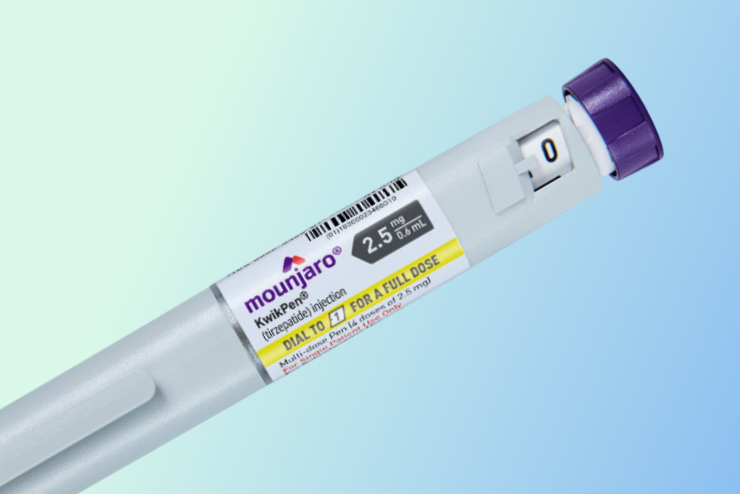
Mounjaro is started at 2.5 mg once weekly and increased gradually when appropriate. Glucose lowering effects can change as treatment progresses, but a higher dose does not automatically mean better insulin sensitivity for every patient. Dose changes should follow the prescribed titration schedule.
Other Diabetes Medicines
Taking Mounjaro alongside insulin or a sulfonylurea can increase the risk of low blood sugar with Mounjaro. A healthcare professional may need to review the dose of these medicines as glucose control changes rather than patients adjusting treatment themselves.
Dietary Intake
Reduced appetite can change portion sizes, carbohydrate intake and overall energy consumption. These dietary changes may affect blood glucose levels and insulin requirements, particularly in people who also use insulin or other glucose lowering medicines.
Physical Activity
Regular physical activity can increase glucose uptake by muscles and improve insulin sensitivity independently of weight loss. Combining appropriate activity with treatment may therefore contribute to better metabolic control over time.
Meal Patterns
Skipping meals or making substantial changes to usual eating patterns can affect glucose levels, especially when diabetes medicines are being used alongside Mounjaro. Maintaining an appropriate eating pattern and monitoring glucose when advised can help identify changes that require clinical review.
Can Mounjaro Reverse Insulin Resistance Permanently?
Mounjaro can improve insulin sensitivity and glucose control, but these benefits should not be considered a permanent cure for insulin resistance. Their durability depends on weight, metabolic health, lifestyle and what happens after treatment ends.
Benefits During Treatment
Tirzepatide can improve glucose regulation and support weight loss during treatment. However, these improvements do not necessarily mean the underlying tendency towards insulin resistance has disappeared.
Changes After Stopping
Some benefits may lessen after stopping Mounjaro, particularly if weight is regained or metabolic risk factors return. This makes longer term weight and metabolic management important after treatment.
Lifestyle Still Matters
Diet, physical activity and weight management remain important during and after treatment. Maintaining these habits can help support metabolic health and the improvements achieved with treatment. .
Conclusion: Mounjaro and Insulin Resistance
For people exploring Mounjaro and insulin resistance, the key consideration is whether tirzepatide is clinically appropriate for their individual circumstances. Insulin resistance alone does not determine suitability for treatment.
A personalised assessment can help establish glucose status, relevant metabolic risks and treatment suitability. Online Weight Loss Clinic offers online consultations where a healthcare professional can review your medical history and individual circumstances before advising whether Mounjaro may be an appropriate option.
GLP-1
Wegovy
A weekly GLP-1 treatment proven to reduce hunger and support meaningful, long-term fat loss.
- ✔~16.9% average body weight loss
- ✔Boosts metabolic & cardiovascular health
- ✔Proven, long-established safety profile
- ✔Weekly injection, easy to use
GLP-1 / GIP
Mounjaro
Dual-agonist support that helps curb appetite, hunger, and cravings to drive substantial, sustained weight loss.
- ✔~22.5% average body weight loss
- ✔Significant weight reduction
- ✔Improves blood sugar levels
- ✔Clinically proven weight loss
FAQs About Mounjaro and Insulin Resistance
Can insulin resistance cause weight gain?
Insulin resistance can be associated with weight gain because the body may become less effective at using glucose for energy. However, weight changes also depend on factors such as appetite, energy intake, physical activity, genetics and overall metabolic health.
Can Mounjaro prevent type 2 diabetes?
Mounjaro is not licensed specifically to prevent type 2 diabetes. However, its effects on weight management and glucose regulation may help address some metabolic factors associated with the risk of developing type 2 diabetes.
Does insulin resistance always lead to diabetes?
No. Insulin resistance can remain stable or improve without progressing to type 2 diabetes. The risk depends on factors such as weight, genetics, glucose levels, physical activity and other aspects of metabolic health.
What blood tests can show insulin resistance?
There is no single routine blood test that confirms insulin resistance in every person. A healthcare professional may assess HbA1c and fasting glucose alongside BMI, medical history and other risk factors to evaluate glucose regulation and diabetes risk.
Can insulin resistance improve without medication?
Insulin sensitivity can improve through changes such as weight management, regular physical activity and a balanced diet. Whether these measures are sufficient depends on the individual and their underlying metabolic health.
Can Mounjaro affect insulin requirements?
Mounjaro can improve glucose control, which may change insulin requirements in people who use insulin for diabetes management. Because combining treatments can increase the risk of hypoglycaemia, any insulin adjustment should be guided by a healthcare professional.
Does insulin resistance cause high fasting glucose?
Insulin resistance can contribute to raised fasting glucose because the body may have difficulty maintaining normal glucose levels. However, high fasting glucose can have several causes and should be interpreted alongside other clinical results.
Can improving insulin sensitivity help with prediabetes?
Improving insulin sensitivity can support better glucose regulation and may help reduce factors associated with progression from prediabetes to type 2 diabetes. The appropriate approach depends on individual glucose results, weight, health history and overall diabetes risk.