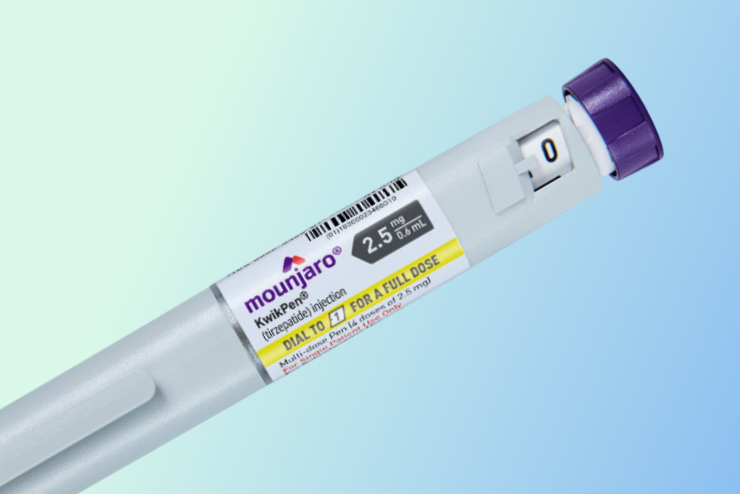

Some people experience headaches while taking Mounjaro, which may be linked to indirect factors such as dehydration, reduced food intake or changes in blood glucose. A Mounjaro headache may be more noticeable when starting treatment or adjusting to a new dose, although the underlying cause can vary between individuals.
If you develop headaches on Mounjaro, you may wonder what they feel like, how long they can last and whether they need medical attention. This guide explores the possible causes, typical symptoms, duration, practical ways to manage headaches and when to speak to a healthcare professional.
GLP-1 / GIP
Mounjaro
Dual-agonist support that helps curb appetite, hunger, and cravings to drive substantial, sustained weight loss.
- ✔~22.5% average body weight loss
- ✔Significant weight reduction
- ✔Improves blood sugar levels
- ✔Clinically proven weight loss
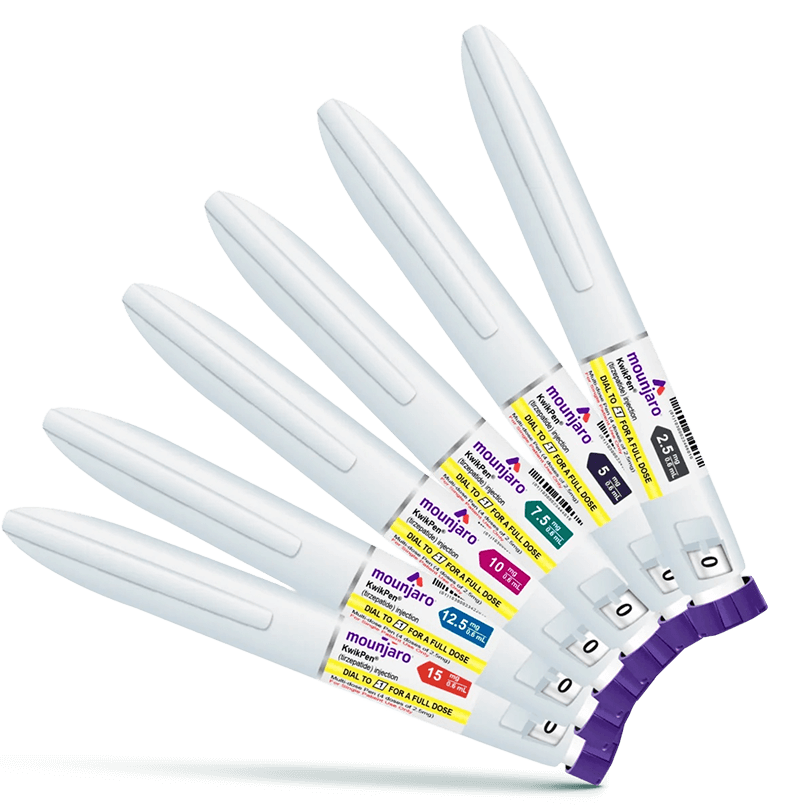
Key Insights About Mounjaro Headaches
- ✔Headaches can occur during Mounjaro treatment, but they are not necessarily caused directly by the medicine.
- ✔Dehydration, reduced food intake, caffeine withdrawal, low blood glucose, sleep changes and other factors may contribute.
- ✔Headaches may appear after starting Mounjaro or increasing the dose and can last from several hours to a few days, depending on the cause.
- ✔Regular fluids, balanced meals, adequate sleep and following the prescribed dosing schedule may help reduce avoidable triggers.
- ✔If headaches are severe, persistent, recurrent or accompanied by neurological symptoms, significant vomiting or signs of low blood glucose, seek medical advice promptly.
Can Mounjaro Cause Headaches?
Headache is not specifically listed as a common adverse effect of Mounjaro injection, but it can still occur during treatment. One possible explanation is low blood glucose, particularly when Mounjaro is used alongside insulin or a sulphonylurea for type 2 diabetes, as these combinations can increase the risk of hypoglycaemia.
For some people, headaches on Mounjaro may appear alongside symptoms such as dizziness, weakness, sweating or feeling unusually hungry. Identifying whether low blood glucose or another factor is responsible for a Mounjaro headache is important, as the appropriate way to manage it may differ depending on the cause.
Why Does Mounjaro Cause Headaches?
The cause of a Mounjaro headache is not always the same. Changes in hydration, food intake, blood glucose and everyday habits can all play a role, so identifying what happens around the time of the headache can provide useful clues.
Dehydration and Fluid Loss
Nausea, vomiting and diarrhoea can lead to fluid loss, while reduced appetite may mean some people drink less than usual. If fluids are not adequately replaced, dehydration may contribute to headache, thirst, tiredness or dizziness.
Low Blood Glucose
Hypoglycaemia can cause headache alongside sweating, shaking, hunger, dizziness, weakness or confusion. The risk is particularly important when Mounjaro is combined with insulin or a sulphonylurea. Blood glucose should therefore be considered when investigating headaches on Mounjaro in people receiving diabetes treatment.
Reduced Food Intake
Mounjaro can reduce appetite, making meals smaller or less frequent. Eating considerably less than your body needs or regularly skipping meals may contribute to hunger related headaches and low energy. Maintaining balanced, regular nutrition can therefore be important during treatment.
Tiredness and Lifestyle Changes
Changes to eating habits, physical activity and daily routines can sometimes leave the body feeling tired while adjusting to a new weight management programme. Fatigue, disrupted sleep or increased physical and emotional stress may make an existing headache feel more noticeable or difficult to manage.
Changes in Blood Pressure
Fluid loss, reduced food intake and changes in body weight may influence blood pressure in some people. Lower blood pressure can be associated with dizziness, weakness or feeling light headed, particularly when standing. Persistent headaches accompanied by these symptoms should be assessed by a healthcare professional.
Caffeine and Dietary Changes
Starting Mounjaro may coincide with reducing coffee, tea, energy drinks or other caffeinated beverages. A sudden reduction in caffeine can cause withdrawal headaches independently of the medicine. Looking at recent changes in your diet can therefore help identify whether caffeine withdrawal could be contributing to your symptoms.
What Does a Mounjaro Headache Feel Like and How Long Does It Last?
A Mounjaro headache can vary in intensity and may feel different depending on the underlying cause. Common experiences may include:
- A dull or aching sensation
- Mild to moderate head discomfort
- Pressure around the forehead or temples
- Tightness or tension across the head
- Headache alongside dizziness, nausea or tiredness
When Can Headaches Occur?
Headaches may be noticed when starting Mounjaro or following a dose increase, particularly while your body adjusts to changes associated with treatment. Their timing can vary, and some people may notice them more during periods when other treatment related symptoms are also present.
How Long Can They Last?
Depending on the cause, headaches may last a few hours or a few days. Temporary headaches may improve as contributing factors such as hydration and regular food intake are addressed and the body adjusts to treatment.
If headaches keep returning, become more severe or persist longer than expected, do not automatically assume Mounjaro is responsible. Speak to a healthcare professional so your symptoms can be assessed and other possible causes considered.
How Can You Manage and Prevent Headaches While Taking Mounjaro?
Managing a Mounjaro headache often depends on identifying and addressing the underlying trigger. The following practical steps may help reduce mild headaches and prevent avoidable factors from making them worse.
Stay Hydrated
Drink fluids regularly throughout the day. Around 6 to 8 glasses daily is a general guide, although individual needs vary and fluid losses from vomiting or diarrhoea may increase your requirements.
Eat Regularly
Avoid regularly skipping meals because reduced food intake may contribute to headaches and low energy. Choose smaller balanced meals containing protein, healthy fats and suitable carbohydrate sources when your appetite is reduced.
Follow Your Prescribed Dose
Take Mounjaro according to the dosing schedule provided by your prescriber. Do not increase the dose early, take additional doses or change your treatment schedule without clinical advice.
Limit Alcohol
Alcohol can contribute to dehydration and may make nausea or other digestive symptoms harder to manage. Limiting your intake may therefore help reduce avoidable headache triggers during treatment.
Manage Caffeine Intake
Suddenly cutting down on coffee, tea or other caffeinated drinks can cause withdrawal headaches. If you want to reduce caffeine, doing so gradually may help minimise these symptoms.
Prioritise Sleep
Poor or insufficient sleep can trigger headaches or make existing discomfort feel worse. Aim for a consistent sleep routine and allow yourself adequate rest, particularly while adjusting to treatment.
Consider Pain Relief
Paracetamol may be appropriate for occasional headache relief when taken according to its instructions. Ask a pharmacist or healthcare professional before regularly using painkillers or if you are unsure which option is suitable for you.
Monitor Blood Glucose
If you have diabetes, follow the blood glucose monitoring plan recommended by your healthcare team. Repeated headaches on Mounjaro accompanied by symptoms of low blood glucose should be discussed with a healthcare professional.
Try a Cool Compress
Placing a cool compress on your forehead or neck may provide temporary relief from mild headache discomfort. Resting somewhere quiet and reducing exposure to bright light may also help while symptoms settle.
When Should You Seek Medical Advice for a Mounjaro Headache?
Speak to a healthcare professional if a Mounjaro headache is severe, keeps returning, becomes progressively worse, does not improve with appropriate pain relief or starts affecting your daily activities.
Seek urgent medical attention if a headache occurs with confusion, fainting, sudden vision changes, weakness, difficulty walking or speaking, or other new neurological symptoms. Severe vomiting, inability to keep fluids down or signs of significant dehydration also require medical assessment.
If you take insulin or a sulphonylurea, headache with sweating, shaking, dizziness, hunger or confusion may indicate low blood glucose. Follow your diabetes management plan and seek appropriate medical advice. Do not stop Mounjaro or change your dose because of headaches without discussing your symptoms with your prescriber first.
If you are concerned about headaches or other symptoms during treatment, consider an Online Weight Loss Clinic consultation. A clinical review can assess your symptoms, medicines and treatment progress and provide personalised guidance on the appropriate next steps.
Conclusion: Managing Mounjaro Headaches
Experiencing a Mounjaro headache does not necessarily mean the treatment is unsuitable for you. What matters is recognising changes in your symptoms, understanding your individual response and avoiding assumptions about what may be responsible.
Headaches can have many possible explanations, so their timing, pattern and accompanying symptoms can provide valuable context. Taking a considered approach can help you better understand how your body is responding throughout Mounjaro treatment.
GLP-1
Wegovy
A weekly GLP-1 treatment proven to reduce hunger and support meaningful, long-term fat loss.
- ✔~16.9% average body weight loss
- ✔Boosts metabolic & cardiovascular health
- ✔Proven, long-established safety profile
- ✔Weekly injection, easy to use
GLP-1 / GIP
Mounjaro
Dual-agonist support that helps curb appetite, hunger, and cravings to drive substantial, sustained weight loss.
- ✔~22.5% average body weight loss
- ✔Significant weight reduction
- ✔Improves blood sugar levels
- ✔Clinically proven weight loss
FAQs About Mounjaro and Headaches
Can Mounjaro headaches feel like a migraine?
A headache while taking Mounjaro may occasionally resemble migraine symptoms, but this does not necessarily mean Mounjaro is the cause. If you develop a new migraine pattern or your usual migraines noticeably change during treatment, discuss this with your healthcare professional.
Can Mounjaro cause headaches the day after an injection?
Some people may notice a headache after their weekly injection, but timing alone does not confirm that Mounjaro caused it. Consider other factors such as food and fluid intake, sleep and any accompanying symptoms when looking for a pattern.
Can Mounjaro cause headaches every week?
Recurring headaches around the same point in your weekly dosing schedule are worth monitoring. Keeping a simple record of your injection day and symptoms can help your prescriber assess whether there is a consistent pattern or another possible explanation.
Does the Mounjaro injection site affect headaches?
There is no established evidence that injecting Mounjaro into the abdomen, thigh or upper arm changes your likelihood of developing a headache. Follow the injection instructions provided with your medicine and rotate injection sites as recommended.
Can you take paracetamol with Mounjaro for a headache?
There is no known direct interaction between Mounjaro and paracetamol. However, paracetamol may not be suitable for everyone, so follow the recommended dose and ask a pharmacist or healthcare professional if you take other medicines or have relevant medical conditions.
Can Mounjaro cause migraines if you already get them?
Mounjaro is not established as a direct cause of migraine, but changes occurring during treatment may coincide with existing migraine triggers. If your migraines become more frequent, severe or different from usual, seek medical advice rather than assuming they are treatment related.
Should I keep a headache diary while taking Mounjaro?
A headache diary can be useful if symptoms repeatedly occur. Record the timing, duration, severity, injection day and any accompanying symptoms to help identify patterns that you can discuss with your prescriber.
Can switching from another weight loss injection to Mounjaro cause headaches?
A headache after switching treatments should not automatically be attributed to Mounjaro. Changes in medicines, appetite, eating patterns and other individual factors may be relevant, so switching between weight loss treatments should always be managed with your prescriber.