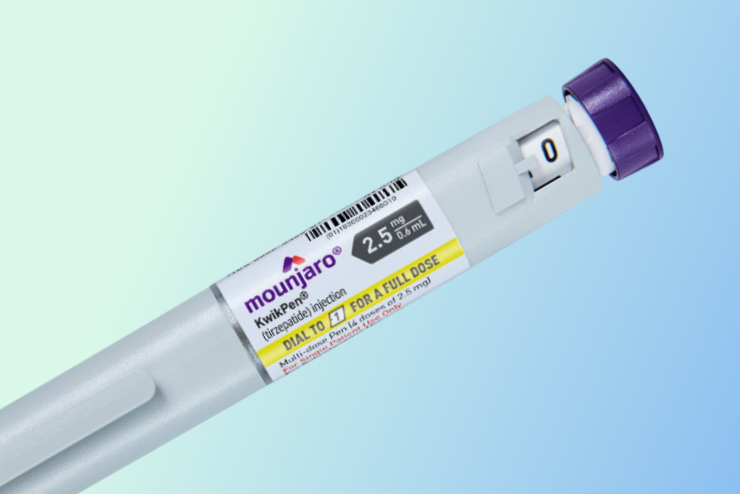

Starting Mounjaro (tirzepatide) involves an adjustment period as your body adapts to changes in appetite, digestion and blood sugar regulation. Side effects such as nausea, diarrhoea, constipation and stomach discomfort are more likely to appear when treatment begins or after a dose increase.
If you are wondering how long does Mounjaro side effects last, it can vary depending on the symptom, dosage and individual response. Some effects may be temporary, while others may continue as part of how the medicine works. This guide explains what influences side effect duration and when additional support may be needed.
GLP-1 / GIP
Mounjaro
Dual-agonist support that helps curb appetite, hunger, and cravings to drive substantial, sustained weight loss.
- ✔~22.5% average body weight loss
- ✔Significant weight reduction
- ✔Improves blood sugar levels
- ✔Clinically proven weight loss

Key Insights About Mounjaro Side Effects
- ✔Side effects can change as your treatment progresses, so tracking when symptoms occur can help identify patterns.
- ✔Eating habits, hydration and meal size can influence how comfortable you feel while your body adjusts to Mounjaro.
- ✔Persistent symptoms should not be managed by changing your dose yourself; your prescriber can assess whether your treatment needs adjusting.
- ✔Severe symptoms or difficulty maintaining food and fluid intake warrant prompt medical assessment.
- ✔Individual tolerance matters, so treatment decisions should be based on your symptoms and overall response rather than side effects alone.
What Side Effects Are Most Commonly Reported With Mounjaro?
Most side effects with Mounjaro injection are related to changes in appetite, digestion and how quickly food moves through the stomach. These effects are usually more noticeable during the early stages of treatment, particularly when your body is adapting to a new dose.
Nausea and Vomiting
Nausea and vomiting are among the most commonly reported digestive effects of Mounjaro. These symptoms may occur as tirzepatide changes appetite signals and digestion during treatment.
Diarrhoea and Constipation
Changes in bowel habits, including diarrhoea and constipation, are common digestive effects reported with Mounjaro. The severity can vary depending on how your body responds to treatment.
Stomach Pain and Bloating
Some people experience abdominal discomfort, bloating, gas or stomach cramps while taking Mounjaro. These symptoms are often linked to changes in digestion and may vary depending on your dose and individual tolerance.
Reduced Appetite and Reflux
A reduced appetite is one of the intended effects of Mounjaro and may contribute to lower calorie intake during treatment. However, some people may experience increased fullness, indigestion, acid reflux or discomfort after eating.
Other Common Effects
Other reported effects may include tiredness, dizziness, headaches and injection site reactions. These symptoms are usually mild but should be monitored, especially during the first few weeks of treatment or after dose changes.
Mounjaro Side Effects Timeline: What to Expect
Side effects are often more noticeable shortly after starting Mounjaro or after a dose increase. For some people, symptoms may last around 24 to 72 hours after an injection, with common effects such as nausea, stomach discomfort, vomiting or changes in bowel habits occurring as the body adjusts to tirzepatide.
Symptoms may settle over time, although temporary changes can occur after dose increases. The duration and severity depend on the specific symptom, dosage and individual response to treatment.
How Long Can Individual Mounjaro Side Effects Last?
The following timeframes provide a general guide for common symptoms. Individual experiences may differ based on treatment stage, dosage and personal response.
Nausea and Feeling Sick
Typical duration: Peaks at two to four days, and eases by day seven
Nausea is one of the most common effects when starting Mounjaro or increasing the dose. Many people notice it most during the first few days after a dose change before symptoms gradually become less noticeable.
Vomiting
Typical duration: 2 to 4 weeks as the body adjusts
Mounjaro vomiting is more likely to occur when beginning treatment or after moving to a higher dose. Persistent vomiting should be discussed with a healthcare professional, especially if it affects hydration or daily activities.
Diarrhoea
Typical duration: From a few days up to 1 to 2 weeks
Changes in bowel habits, including Mounjaro sickness and diarrhea, are common during treatment. Symptoms may improve gradually but can vary depending on your dose and individual response.
Constipation
Typical duration: Lasts a few weeks
Constipation can persist longer than some other digestive effects and may fluctuate throughout treatment. Its duration can depend on factors such as your dose, eating patterns, fluid intake and how your body responds to Mounjaro.
Stomach Pain and Cramps
Typical duration: A few days to two or three weeks
Some people experience bloating, abdominal discomfort or Mounjaro stomach cramps, particularly after starting treatment or changing doses. These symptoms often improve as the digestive system adapts.
Fatigue and Low Energy
Typical duration: 2 to 6 weeks
Feeling tired may occur while your body adjusts to reduced calorie intake and changes in eating habits. Energy levels often improve as your routine becomes more stable.
Longer-Term Digestive Effects
Typical duration: 2 to 4 weeks
Some effects, such as feeling full sooner or slower digestion, may continue because they are linked to how Mounjaro works. However, many early adjustment symptoms become less noticeable over time.
Important: These timeframes are estimates, not guarantees. Side effects may vary by dose, health, individual response and other medicines. Seek medical advice for severe, persistent or worsening symptoms, including repeated vomiting, dehydration or severe abdominal pain.
Practical Ways to Make Mounjaro Side Effects Easier to Manage
Practical changes to meals, hydration, injection timing and daily habits may help reduce discomfort and support a smoother treatment experience.
Plan Your Injection Day
Choosing an injection day that fits your schedule may help you manage temporary symptoms more easily. Some people prefer taking their dose before a quieter period, especially if they notice nausea, tiredness or digestive changes after injections.
Keep Meals Smaller
Large portions can feel harder to tolerate because Mounjaro slows stomach emptying. Eating smaller meals more regularly and stopping when you feel satisfied may help reduce feelings of fullness, nausea and stomach discomfort.
Choose Gentle Foods
During periods of nausea or digestive upset, simpler foods may feel easier to manage. Limiting greasy, spicy or heavily processed foods can help reduce triggers, while balanced meals with lean protein can support energy and muscle maintenance.
Drink Fluids Regularly
Reduced appetite or digestive symptoms can make it easier to drink less than usual. Taking regular sips of water throughout the day can support hydration, particularly if you experience diarrhoea or vomiting.
Avoid Skipping Meals
Although Mounjaro may reduce hunger, going long periods without eating can leave some people feeling more tired or unwell. Smaller, balanced meals can help provide steady nutrition without overwhelming digestion.
Include Enough Protein
Protein intake is important during weight loss because it helps support muscle maintenance. Including protein rich foods in your meals can help you maintain strength while your body adjusts to changes in appetite and calorie intake.
For personalised support with managing Mounjaro side effects, nutrition and treatment adjustments, Online Weight Loss Clinic offers online consultations to help you follow a plan suited to your individual needs.
When Are Mounjaro Side Effects No Longer Typical?
While many side effects are manageable, symptoms that become severe, persistent or interfere with eating, drinking or daily activities should be reviewed rather than waiting for them to settle.
Symptoms to Review
Speak with your prescriber if side effects are persistent, worsening or disrupting your daily routine. Ongoing nausea, vomiting, diarrhoea, constipation or stomach discomfort may need further assessment, especially if they affect your nutrition, hydration or ability to continue treatment comfortably.
Digestive Warning Signs
Digestive symptoms are common with Mounjaro, but severe or unusual symptoms should not be ignored. Severe abdominal pain, repeated vomiting, difficulty keeping fluids down or signs of dehydration require prompt medical advice rather than waiting for symptoms to improve.
Serious Reactions
Rarely, more serious reactions can occur and need urgent attention. Seek immediate medical help for symptoms such as severe allergic reactions, breathing difficulties, sudden swelling or severe abdominal symptoms that feel different from usual treatment effects.
Daily Life Impact
The aim is not to push through symptoms that are affecting your wellbeing. If side effects prevent you from eating normally, staying hydrated or completing everyday activities, contacting a healthcare professional can help identify the right next step.
Conclusion: Managing Mounjaro Side Effects
Understanding your symptoms and recognising how your body responds to treatment can help you make informed decisions throughout your Mounjaro journey. While side effects may vary between individuals, staying aware of changes and making appropriate adjustments can support a smoother experience.
Managing Mounjaro side effects involves finding the right balance between monitoring symptoms, maintaining healthy habits and seeking professional advice when needed. With the right approach, you can continue focusing on your weight management goals while adapting to the changes that come with treatment.
GLP-1
Wegovy
A weekly GLP-1 treatment proven to reduce hunger and support meaningful, long-term fat loss.
- ✔~16.9% average body weight loss
- ✔Boosts metabolic & cardiovascular health
- ✔Proven, long-established safety profile
- ✔Weekly injection, easy to use
GLP-1 / GIP
Mounjaro
Dual-agonist support that helps curb appetite, hunger, and cravings to drive substantial, sustained weight loss.
- ✔~22.5% average body weight loss
- ✔Significant weight reduction
- ✔Improves blood sugar levels
- ✔Clinically proven weight loss
FAQs About Mounjaro Side Effects
Can Mounjaro side effects start after months of treatment?
Yes, side effects can sometimes appear again after months of treatment, especially after a dose increase. Your body may need time to adjust whenever the amount of tirzepatide changes, even if previous doses were well tolerated.
Do Mounjaro side effects get worse with each dose increase?
Dose increases do not always cause stronger side effects. Some people notice a temporary change after moving to a higher dose, while others tolerate increases without major changes.
Can changing my diet reduce Mounjaro side effects?
Yes, adjusting your eating habits may help manage some digestive symptoms. Smaller meals, slower eating and avoiding foods that trigger nausea or discomfort may make treatment easier to tolerate.
Can Mounjaro side effects affect sleep?
Some people may find symptoms such as nausea, reflux, stomach discomfort or needing the toilet more often can affect sleep. Managing meal timing and avoiding heavy meals close to bedtime may help reduce disruption.
Is it normal to feel tired after taking Mounjaro?
Feeling tired can happen, especially during the early stages of treatment or after a dose increase. Changes in calorie intake, appetite and digestion may contribute to lower energy while your body adjusts.
Can Mounjaro side effects come back after stopping treatment?
Some effects may change after stopping Mounjaro as your appetite, digestion and eating patterns adjust. Any decision to stop treatment should be discussed with a healthcare professional for appropriate guidance.
Should I change my Mounjaro dose because of side effects?
You should not adjust your dose on your own. If side effects are difficult to manage, speak with your prescriber, who can review your symptoms and advise on the most suitable next step.
Are Mounjaro side effects different for everyone?
Yes, people can experience different symptoms and durations during treatment. Factors such as dose, health conditions, diet, other medicines and individual sensitivity can influence how your body responds.