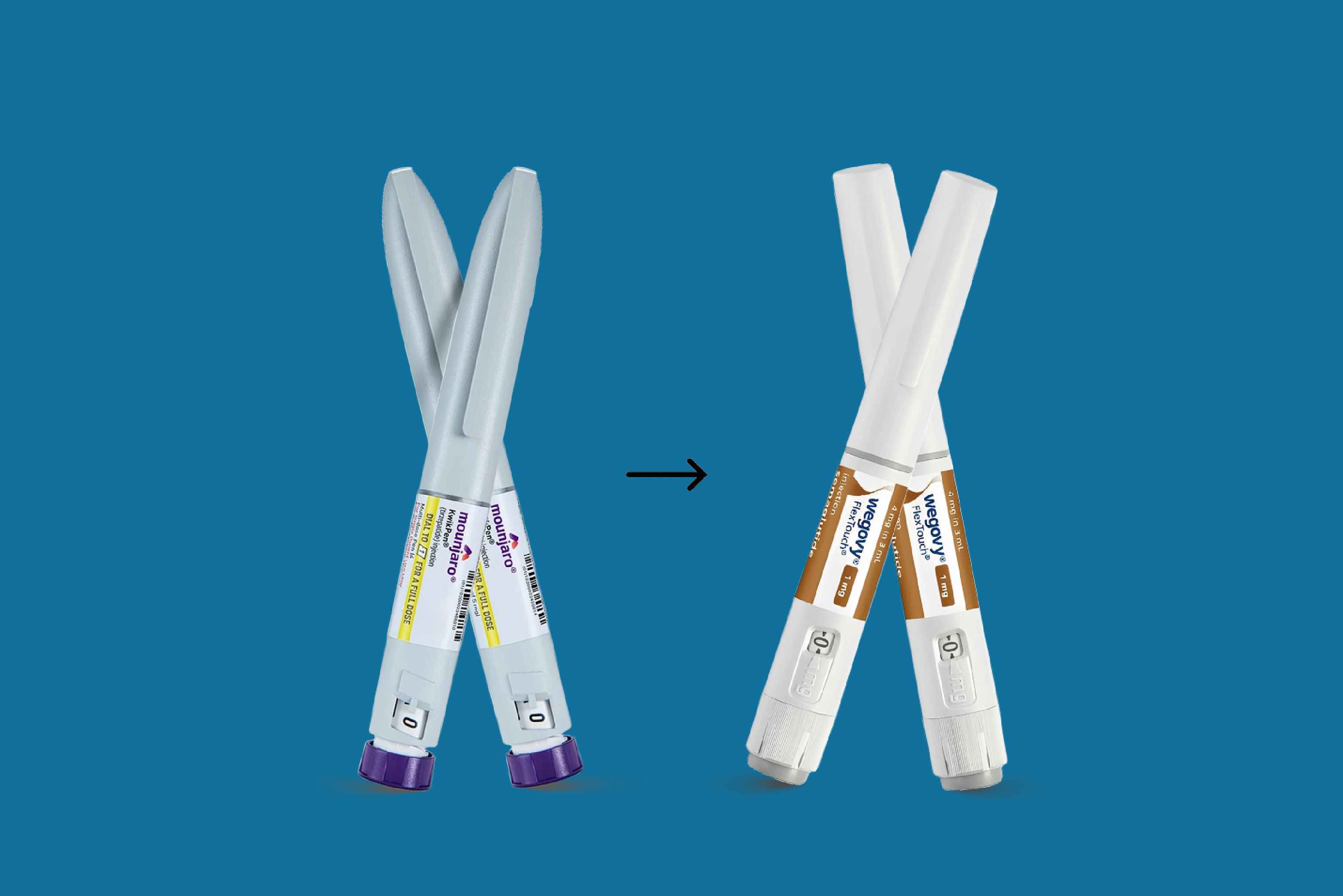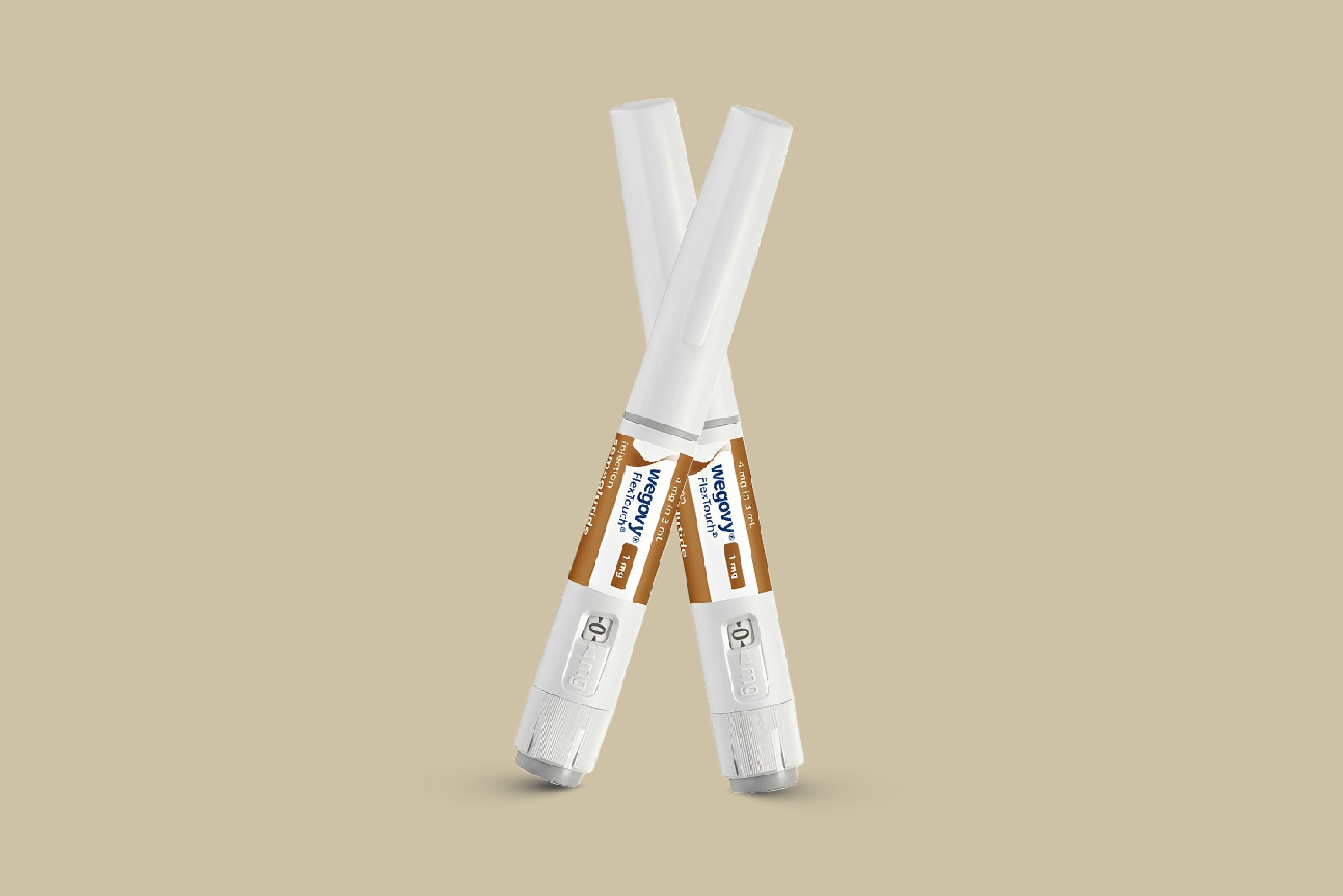

Achieving a healthier weight is an important milestone, but preserving those results often requires continued support. The Wegovy maintenance dose helps regulate hunger and sustain weight management once the gradual dose-increase schedule is complete. For some individuals, ongoing treatment may help prevent unwanted weight regain and support lasting progress.
Deciding how long to remain on Wegovy involves more than reaching a number on the scales. Treatment response, tolerability and overall health all influence the next steps. Regular clinical reviews can help determine suitable dosing, address unwanted effects and establish whether continued medication remains appropriate for individual weight management goals.
Key Facts About Wegovy Maintenance Dose
- ✔The standard Wegovy maintenance dose in the UK is 2.4 mg weekly, with 7.2 mg available for eligible adults with obesity.
- ✔Long-term treatment may help sustain weight loss and limit regain by supporting appetite regulation.
- ✔STEP 4 and STEP 1 extension studies highlight the benefits of continued treatment and the possibility of weight regain after stopping.
- ✔Dose suitability depends on treatment response, tolerability and regular clinical assessments.
- ✔Smaller meals, adequate hydration and balanced nutrition can help manage digestive side effects.
- ✔Missed injections, prolonged treatment breaks and dose adjustments require adherence to UK prescribing guidance and appropriate clinical supervision.
GLP-1
Wegovy
A weekly GLP-1 treatment proven to reduce hunger and support meaningful, long-term fat loss.
- ✔~16.9% average body weight loss
- ✔Boosts metabolic & cardiovascular health
- ✔Proven, long-established safety profile
- ✔Weekly injection, easy to use
Wegovy Maintenance Dose in the UK: What You Need to Know
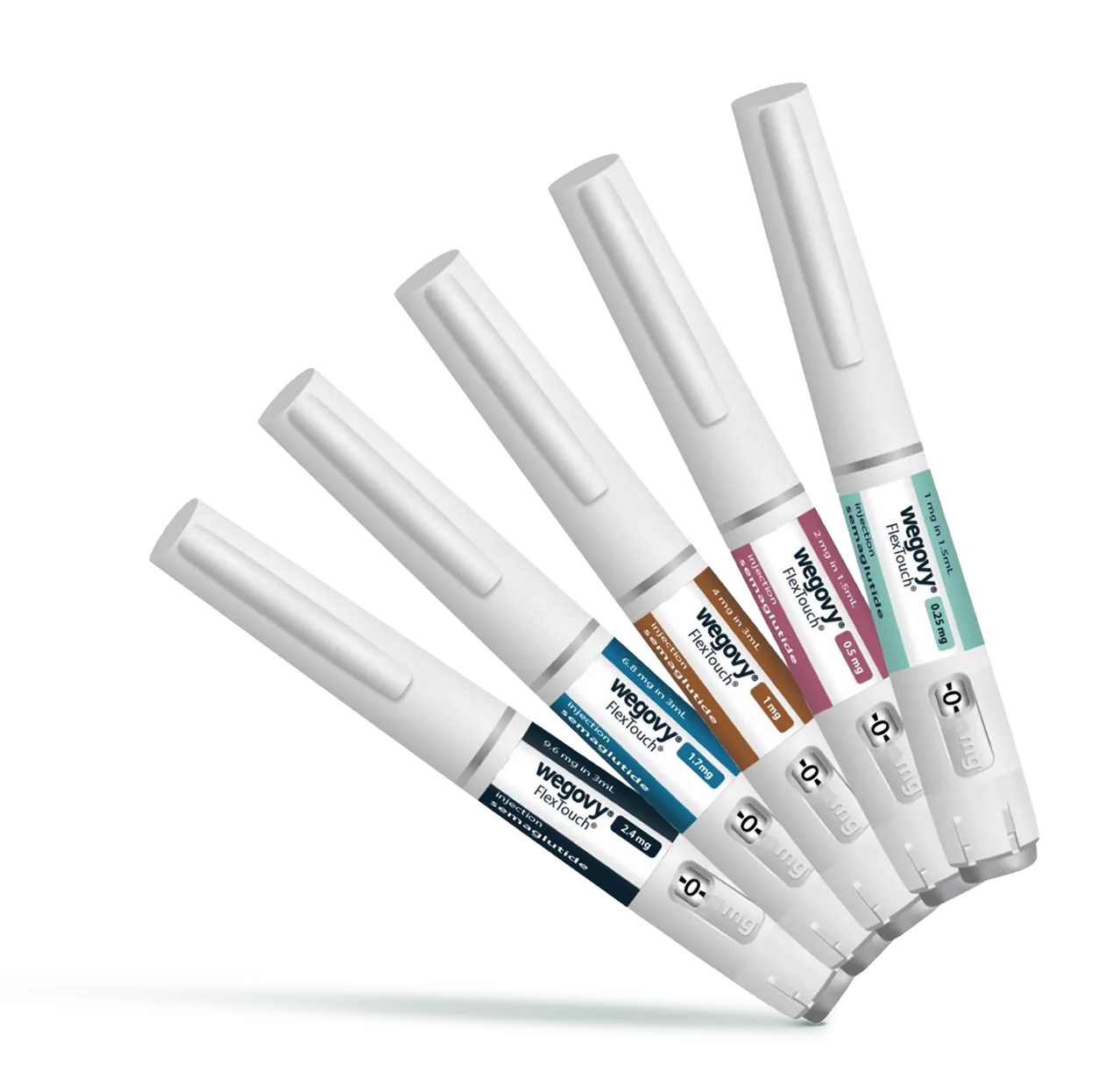
For most adults, 2.4 mg once weekly is the standard Wegovy maintenance dose used after completing the initial treatment stages. This ongoing semaglutide dose helps control appetite and support weight maintenance alongside healthy eating and physical activity. Some adults with obesity may qualify for a higher dose following clinical assessment.
Wegovy Weekly Dosing Schedule
Treatment begins with a smaller injection to allow the body to adjust gradually. The prescribed amount increases at four-week intervals, helping limit digestive discomfort before reaching the maintenance stage.
| Treatment period | Weekly Wegovy dose |
|---|---|
| Weeks 1–4 | 0.25 mg |
| Weeks 5–8 | 0.5 mg |
| Weeks 9–12 | 1 mg |
| Weeks 13–16 | 1.7 mg |
| From week 17 | 2.4 mg (standard maintenance) |
| From week 21, if clinically appropriate | 7.2 mg (eligible adults with obesity only) |
Under current UK prescribing guidance, the higher 7.2 mg weekly maintenance dose may be considered for adults with obesity after completing at least four weeks at 2.4 mg. This increase is not routine and must be directed by a qualified prescriber.
Can You Maintain Results on a Lower Dose?
Not everyone tolerates each increase equally. Where nausea, vomiting or other gastrointestinal symptoms become troublesome, a clinician may recommend remaining at the current stage longer or temporarily returning to the preceding dose. The 1.7 mg strength is generally part of dose escalation rather than the standard adult maintenance regimen in the UK.
Continuing Wegovy Once Your Weight Stabilises
A stable weight does not automatically signal the end of medication. Wegovy may remain appropriate to help manage hunger and support the results already achieved. Decisions about continuing treatment should consider sustained benefits, adverse effects and changing health circumstances, with the maintenance dose reviewed regularly by the prescribing clinician.
How Long Should You Continue Wegovy for Maintenance?
There is no fixed maximum duration for the Wegovy maintenance dose under its UK marketing authorisation. The decision to continue semaglutide beyond the initial treatment period should reflect its ongoing clinical benefits and suitability for long-term use. The appropriate duration depends on sustained effectiveness, tolerability and regular clinical assessments rather than reaching a particular weight.
Evidence from clinical trials demonstrates the importance of ongoing treatment:
- STEP 4 trial: Over 48 weeks, participants who remained on semaglutide 2.4 mg experienced a further 7.9% reduction in body weight. In contrast, those switched to placebo regained 6.9% on average.
- STEP 1 extension: Following treatment withdrawal and the end of structured lifestyle support, participants regained around two-thirds of their previous weight loss over the subsequent year. Several improvements in cardiometabolic health also moved back towards baseline.
These results show why maintaining progress may require ongoing support, although individual responses after discontinuation vary considerably.
Under NICE guidance, NHS-funded Wegovy treatment within the specified specialist weight-management pathway is limited to two years. This funding restriction does not automatically determine the duration of privately prescribed treatment. For longer-term use, clinicians should periodically assess weight stability, adverse effects and overall health before recommending continuation or withdrawal.
Factors That Determine Your Wegovy Maintenance Dose
Selecting a suitable Wegovy maintenance dose involves assessing how your body responds to semaglutide over time. Rather than increasing the strength solely to achieve greater weight loss, your prescriber evaluates treatment effectiveness, tolerability and relevant health conditions to decide whether the standard maintenance regimen remains appropriate.
Weight and Appetite Control
Changes in body weight provide one measure of treatment success, but hunger levels, cravings and improvements in weight-related conditions also matter. Clinicians consider these factors when reviewing long-term effectiveness. Importantly, reaching the maintenance stage depends on completing the prescribed dose-escalation schedule, not achieving a specific target weight.
Side Effects and Tolerance
Persistent nausea, vomiting or digestive discomfort may require changes to the planned dose increase. A prescriber might extend the time spent at a particular strength or consider a temporary reduction where appropriate. Moving to a higher dose is not always suitable, particularly when treatment causes significant gastrointestinal intolerance.
Regular Treatment Reviews
Regular follow-ups allow clinicians to assess changes in health, concurrent medication and treatment benefits. Kidney function may also require attention if dehydration or relevant medical conditions are present. In line with UK guidance, treatment should be reconsidered when less than 5% of initial body weight has been lost after six months of use.
Never alter your prescribed injection strength or weekly schedule independently. An online consultation with a qualified clinician can help evaluate your progress, address side effects and determine whether your current maintenance regimen remains appropriate.
How to Control Side Effects on Wegovy Maintenance
Digestive discomfort can occasionally continue beyond the initial stages of semaglutide treatment. Nausea, constipation, diarrhoea, vomiting and acid reflux are among the recognised side effects. Although symptoms often become less troublesome over time, maintaining suitable eating habits and addressing persistent problems can make long-term treatment more manageable.
Dietary Adjustments
Simple changes to your daily routine may help ease common digestive symptoms:
- Reduce portion sizes: Have smaller meals throughout the day and avoid eating beyond comfortable fullness.
- Choose gentle foods: Include easily digested options such as bananas, plain rice, toast and lean protein. Reduce fatty or heavily spiced foods if they aggravate symptoms.
- Improve eating habits: Chew thoroughly, avoid rushing meals and remain upright after eating to minimise reflux and bloating.
- Maintain fluid intake: Sip water consistently, especially during episodes of loose stools or vomiting. Oral rehydration solutions may help replace lost fluids and electrolytes when appropriate.
- Support bowel regularity: Introduce fibre gradually, remain physically active and consult a pharmacist if constipation continues.
Symptoms Requiring Attention
Some reactions warrant medical assessment rather than routine self-management. Prolonged vomiting or diarrhoea may cause dehydration, sometimes accompanied by dizziness or reduced urine output. Severe abdominal pain that persists or extends towards the back needs urgent evaluation for possible pancreatitis. Upper abdominal discomfort associated with fever or yellowing of the skin may indicate gallbladder complications.
When to Review Treatment
Persistent symptoms that disrupt meals, fluid intake or everyday activities should be discussed with your prescriber. Depending on their severity, a clinician may recommend symptom relief, reassess the prescribed strength or modify the treatment schedule. Ongoing difficulties should not be ignored, as timely clinical assessment can help prevent complications and support safer long-term Wegovy use.
Missed Wegovy Doses, Treatment Breaks and Restarting
Interrupting weekly Wegovy injections may weaken appetite control and affect weight maintenance. The appropriate next steps depend on how many doses were missed and your previous treatment strength.
Missed Dose Guidelines
According to UK Wegovy prescribing guidance:
- Within 5 days: Take the missed injection immediately, then resume your usual schedule.
- After 5 days: Skip the forgotten dose and continue on your next scheduled injection day.
- Multiple missed doses: Consult your prescriber, as restarting at a lower strength may be necessary.
Never take a double dose to compensate for a missed injection.
Stopping Wegovy
Semaglutide has a half-life of approximately seven days and may remain in circulation for around seven weeks after the final 2.4 mg injection. Appetite may gradually return, increasing the possibility of weight regain.
Stopping Wegovy generally does not require tapering to prevent withdrawal symptoms. However, discuss discontinuation with your clinician, particularly when planning pregnancy, as treatment must stop at least two months before conception. Balanced nutrition, adequate protein and fibre, and regular exercise can support weight maintenance.
Restarting After a Break
Resuming your previous Wegovy maintenance dose after a prolonged interruption may cause gastrointestinal side effects. Your prescriber may recommend repeating part of the dose-escalation schedule, particularly after multiple missed injections. Always seek clinical guidance before restarting treatment.
Conclusion: Sustaining Progress With Wegovy
Long-term weight management requires more than reaching a desired weight. The Wegovy maintenance dose can remain part of an effective treatment strategy when clinically appropriate, supported by healthy routines and regular assessments. Maintaining progress also involves adapting your approach as your health needs change.
Achieving your desired weight does not necessarily mark the end of Wegovy treatment. Ongoing clinical assessments can help determine whether adjustments or continued use are appropriate. Online Weight Loss Clinic offers clinician-led guidance to support informed treatment decisions, healthy routines and sustainable weight management.
FAQs About Wegovy Maintenance Dose
Can you take Wegovy every two weeks for maintenance?
Wegovy is designed for once-weekly administration. Injecting it every two weeks is not an approved maintenance schedule in the UK and may reduce consistent appetite control. Any changes to injection frequency should be discussed with your prescriber.
Does Wegovy stop working after several months?
Wegovy does not necessarily lose effectiveness over time. However, weight loss may slow as the body adapts to a lower weight. A plateau does not automatically indicate treatment failure, and your clinician can assess whether further intervention is appropriate.
Can you switch from Wegovy to Mounjaro for maintenance?
Switching from Wegovy to Mounjaro may be considered following a clinical assessment. Both medicines support weight management but contain different active ingredients and have distinct dosing schedules. They should not be combined or switched without prescriber guidance.
Is Wegovy maintenance treatment available privately in the UK?
Wegovy can be prescribed privately for ongoing weight management when clinically appropriate. Treatment eligibility, available strengths and monitoring requirements depend on individual circumstances and current UK prescribing guidance.
Can you drink alcohol while taking Wegovy maintenance doses?
Alcohol is not specifically prohibited during Wegovy treatment, but excessive consumption may worsen nausea, dehydration and digestive discomfort. Alcohol also contributes additional calories, which can affect weight management. Moderate intake and individual medical advice are recommended.
Can you exercise normally while taking Wegovy long term?
Most people can continue exercising during Wegovy treatment. Combining resistance training with aerobic activity helps maintain fitness and muscle strength. Exercise intensity should reflect individual ability, nutritional intake and any treatment-related symptoms.
Does Wegovy maintenance affect muscle mass?
Weight reduction during Wegovy treatment may involve some loss of lean body mass alongside fat. Adequate protein intake and regular resistance exercise can help preserve muscle. Your clinician may recommend additional nutritional support based on your progress.
Can Wegovy maintenance doses affect menstrual cycles?
Menstrual changes may occur during substantial weight loss, particularly when hormonal balance or conditions such as PCOS are involved. However, a direct effect of Wegovy maintenance dosing on menstrual cycles has not been established. Persistent irregularities should be assessed by a healthcare professional.