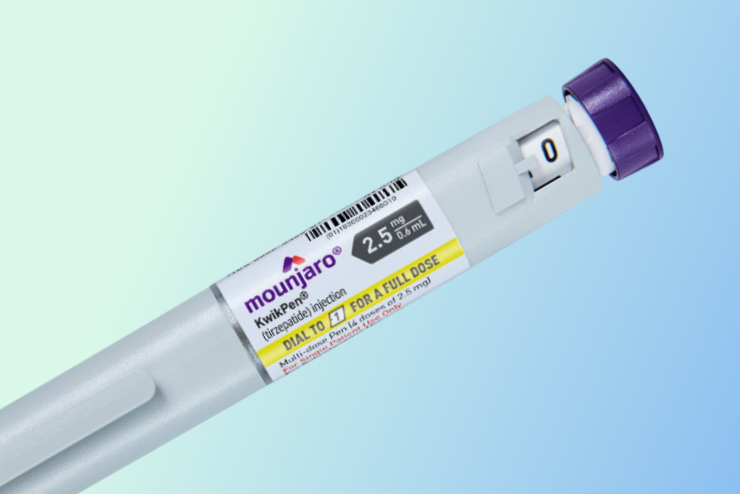

Mounjaro can reduce appetite and help you feel fuller for longer, but it does not always remove hunger completely. If you are still hungry on Mounjaro, this does not necessarily mean the treatment is not working. Appetite suppression can vary between individuals and may change as your body adjusts to tirzepatide.
Your current dose, how long you have been taking Mounjaro, meal composition, activity levels, hydration and other factors can all influence hunger. Understanding why you may be feeling hungry on Mounjaro can help you decide whether simple dietary changes are enough or whether persistent hunger should be discussed with your prescriber.
Key Insights About Mounjaro and Hunger
- ✔Mounjaro can reduce hunger and cravings, but it does not remove normal appetite completely.
- ✔Feeling hungry is more common during early treatment or while adjusting to a lower dose.
- ✔Protein, fibre, balanced meals and good hydration can help improve fullness.
- ✔Stress, poor sleep, activity levels and hormonal changes can also influence hunger.
- ✔Do not increase your dose or change injection timing without prescriber guidance.
- ✔Persistent or worsening hunger may need a treatment review, especially if appetite was previously well controlled.
GLP-1 / GIP
Mounjaro
Dual-agonist support that helps curb appetite, hunger, and cravings to drive substantial, sustained weight loss.
- ✔~22.5% average body weight loss
- ✔Significant weight reduction
- ✔Improves blood sugar levels
- ✔Clinically proven weight loss

How Mounjaro Affects Hunger and Appetite
Mounjaro contains tirzepatide, a GIP and GLP-1 receptor agonist that influences appetite, blood sugar and digestion. It can reduce hunger, food cravings and overall intake while increasing fullness and satiety. It also delays gastric emptying, helping smaller portions feel more satisfying, although this effect may lessen over time.
Tirzepatide has a half-life of about five days and reaches peak blood levels within roughly 8 to 72 hours after injection. Some people notice stronger appetite control earlier in the week and more hunger before their next dose. Treatment starts at 2.5 mg weekly and increases gradually as appropriate.
Why Am I Still Hungry on Mounjaro?
If you are still hungry on Mounjaro, it may be because you are early in treatment, taking a lower dose, adjusting to tirzepatide or experiencing changes in diet, hydration, activity or stress. Mounjaro can regulate hunger and fullness signals, but it does not remove normal physical hunger completely.
Still Adjusting
Appetite changes do not always happen immediately. Some people notice less hunger within the first few weeks, while others need longer, especially after starting treatment or moving to a new dose. Allow your body time to adjust and follow the prescribed dosing schedule rather than expecting complete appetite suppression straight away.
Dose May Be Low
Mounjaro starts at 2.5 mg once weekly so the body can gradually adjust to treatment. Appetite control may become more noticeable as the dose is increased where clinically appropriate. If you remain consistently hungry on Mounjaro, speak to your prescriber rather than increasing the dose yourself.
Hunger May Return Before Your Dose
Tirzepatide has a half-life of around five days, so some people notice appetite returning towards the end of the weekly dosing cycle. Mild hunger before your next injection does not necessarily mean the medicine has stopped working, particularly if appetite control remains improved overall.
You May Be Eating Too Little
Skipping meals or cutting calories too aggressively can leave you genuinely hungry, even when Mounjaro is reducing appetite. Your body still needs enough energy and nutrients to function properly. Regular, balanced meals can help prevent persistent hunger and support your activity levels throughout treatment.
Meals May Not Be Filling
Meals low in protein, fibre or healthy fats may provide less lasting fullness. Highly refined or ultra-processed foods can also leave you hungry again sooner. Building meals around protein, vegetables, whole grains and other fibre-rich foods can support satiety and make appetite easier to manage.
Stress Can Trigger Hunger
Stress, boredom, tiredness and routine eating can trigger cravings independently of Mounjaro’s effects on appetite. Emotional hunger may appear suddenly or centre around a specific food, whereas physical hunger usually builds gradually. Recognising the difference can help you respond to hunger more appropriately.
Activity Can Increase Hunger
Exercise and increased daily movement raise your energy needs, so becoming more active can naturally increase appetite. This does not necessarily mean tirzepatide is becoming less effective. Make sure your food intake still supports your activity level, particularly if you have recently increased workout frequency or intensity.
Thirst Can Feel Like Hunger
Mild dehydration can sometimes be mistaken for hunger, especially if you are exercising more or experiencing vomiting or diarrhoea. Drinking regularly throughout the day may help you recognise your true appetite more clearly. Seek medical advice if you develop dizziness, dark urine or persistent weakness.
Hormones Can Affect Appetite
Hormonal fluctuations can temporarily increase hunger regardless of Mounjaro treatment. Some people notice stronger appetite or cravings at certain stages of the menstrual cycle, particularly before a period. A predictable, short-lived pattern may reflect normal hormonal changes rather than reduced effectiveness of tirzepatide.
What to Do If You’re Still Hungry on Mounjaro
If you are still hungry on Mounjaro, particularly during early treatment at 2.5 mg or 5 mg, your body may still be adjusting. Rather than changing your dose yourself, focus on nutrition, hydration, sleep and eating habits while continuing treatment according to your prescribed schedule.
Prioritise Protein and Fibre
Protein and fibre support longer-lasting fullness. Include lean meat, fish, eggs, tofu, yoghurt, beans or lentils alongside vegetables, whole grains and other fibre-rich carbohydrates. Combining these foods may make meals more satisfying and help reduce hunger between meals.
Build Balanced Meals
Aim to combine protein, fibre-rich carbohydrates and vegetables with a modest amount of healthy fat, such as nuts, avocado or olive oil. This provides a more balanced source of energy and can help meals keep you satisfied for longer than options dominated by refined or highly processed foods.
Stay Well Hydrated
Thirst can sometimes be confused with hunger, so drink fluids regularly throughout the day. Hydration becomes particularly important if you exercise frequently or experience vomiting or diarrhoea. Water and other low-sugar drinks can help maintain fluid intake without adding substantial extra calories.
Keep Regular Meal Patterns
Skipping meals or leaving very long gaps between them can lead to stronger hunger later. Maintain an eating pattern that works with your appetite and daily routine. Regular, nutritionally balanced meals can make it easier to distinguish normal physical hunger from cravings triggered by becoming overly hungry.
Eat Slowly and Mindfully
Eat slowly, chew thoroughly and pause between bites to give fullness signals time to register. Mindful eating can also help you recognise whether you are genuinely hungry or responding to boredom, stress or habit, making it easier to stop when you feel comfortably satisfied.
Avoid Extreme Calorie Restriction
Mounjaro may reduce how much you want to eat, but your body still requires sufficient energy and nutrients. Cutting calories too aggressively can increase hunger, fatigue and the likelihood of overeating later. Aim for a sustainable calorie deficit rather than severely restricting your intake.
Plan Meals Ahead
Preparing balanced meals and snacks in advance can make nutritious choices easier when hunger appears, reduce last-minute food decisions and help you maintain a more consistent eating routine.
Support Sleep and Stress
Poor sleep and ongoing stress can influence the body systems involved in appetite and make cravings harder to manage. Prioritising regular sleep, recovery and practical stress-management strategies can therefore support appetite control alongside Mounjaro, rather than relying on the medicine alone.
Give Treatment Time
Track how your hunger changes over several weeks rather than judging treatment by a single day or meal, as appetite can fluctuate during treatment. If persistent hunger continues despite following your prescribed schedule, discuss your response with your prescriber rather than increasing the dose independently.
When Persistent Hunger on Mounjaro May Need Medical Advice
Consider discussing your symptoms with your prescriber if:
- Hunger remains strong despite following your prescribed treatment and eating a balanced diet.
- Appetite returns noticeably after previously being well controlled.
- You frequently struggle with portions, cravings or overeating.
- You are unsure whether your current dose is still appropriate.
- Your weight, appetite or other symptoms change significantly.
- Hunger persists for several weeks without an obvious explanation.
Do not increase your Mounjaro dose or shorten the interval between injections yourself. Your prescriber may need to review your treatment response, diet, activity, medicines and other factors first. If you are unsure about your current plan, start a free online consultation for clinically guided advice on the next appropriate step.
Can You Still Lose Weight If You’re Hungry on Mounjaro?
Yes. You can still lose weight even if you feel hungry while taking Mounjaro. Tirzepatide can reduce appetite and increase fullness, but it does not remove normal hunger completely. Weight loss depends more on your overall energy balance, food intake and ability to maintain sustainable habits over time.
Occasional hunger can still occur while you are losing weight, provided your overall food intake and energy balance continue to support progress. Appetite control may become stronger as treatment progresses under clinical supervision, but results vary. If hunger remains persistent and difficult to manage, your prescriber can review your response and current treatment plan.
Conclusion: Managing Hunger on Mounjaro
Being still hungry on Mounjaro does not automatically mean your treatment has failed. Tirzepatide is designed to improve appetite control rather than eliminate normal hunger, so some variation in appetite can still occur during treatment.
Continue following your prescribed treatment alongside sustainable eating and lifestyle habits. If hunger remains strong or becomes harder to manage, Online Weight Loss Clinic can provide clinically guided support with Mounjaro treatment, dose reviews and ongoing weight-management advice tailored to your progress.
FAQs About Mounjaro and Hunger
Does Mounjaro stop food noise?
Mounjaro may reduce persistent thoughts about food or cravings for some people by influencing appetite-regulating pathways. However, the effect varies between individuals, and occasional thoughts about food or normal hunger can still occur during treatment.
Can you snack while taking Mounjaro?
Yes, you can have snacks while taking Mounjaro if you are genuinely hungry. Choose options containing protein or fibre, such as yoghurt, fruit, nuts or vegetables, and pay attention to portion size and fullness cues.
What happens if you overeat on Mounjaro?
Eating a large meal while taking Mounjaro may feel uncomfortable because tirzepatide slows gastric emptying. Some people may experience increased nausea, bloating, reflux or abdominal discomfort, so smaller portions and slower eating may be easier to tolerate.
Can Mounjaro make you hungry at night?
Night-time hunger can still occur on Mounjaro, particularly if you have eaten too little during the day, exercised more than usual or left a long gap after your evening meal. Reviewing your overall intake and meal timing may help identify the cause.
Should you eat if you are not hungry on Mounjaro?
You should still aim to meet your nutritional needs even when your appetite is reduced. Very low food intake can make it difficult to get enough protein, vitamins and minerals, so small, nutrient-dense meals may be helpful when larger portions feel difficult.
Can you change your Mounjaro injection day because of hunger?
Mounjaro's injection day can sometimes be changed, but specific timing rules apply between doses. Do not move injections closer together simply to manage hunger. Check the patient information leaflet or speak to your prescriber before altering your usual schedule.
Does Mounjaro reduce cravings as well as hunger?
It can. Tirzepatide may reduce both physical hunger and cravings by affecting brain pathways involved in appetite and reward. However, cravings linked to stress, habit or particular situations may still occur even when physical appetite has decreased.
Can hunger return after stopping Mounjaro?
Yes. Appetite may increase again after treatment is stopped because tirzepatide is no longer providing the same appetite-regulating effects. This is why sustainable eating, activity and weight-management habits remain important before, during and after treatment.