
Reduced appetite is one of the reasons many people experience eating too little on Mounjaro during their weight loss journey. While a lower appetite can support weight reduction, consistently not eating enough may make it harder for your body to get the nutrients and energy it needs.
Understanding how reduced appetite affects your nutritional intake can help you recognise when your eating habits may need adjusting during treatment. If these symptoms continue, it is important to understand when additional support may be needed.
GLP-1 / GIP
Mounjaro
Dual-agonist support that helps curb appetite, hunger, and cravings to drive substantial, sustained weight loss.
- ✔~22.5% average body weight loss
- ✔Significant weight reduction
- ✔Improves blood sugar levels
- ✔Clinically proven weight loss

Key Takeaways: Eating Enough While Taking Mounjaro
- ✔Appetite reduction on Mounjaro can make it easier to unintentionally eat too little.
- ✔Low food intake may contribute to tiredness, dizziness and loss of muscle mass.
- ✔Eating insufficiently does not always improve weight loss results and may affect overall wellbeing.
- ✔A balanced diet with enough protein and nutrients is important during treatment.
- ✔Small, nutrient-dense meals can help maintain a healthy intake when appetite is reduced.
- ✔Speak with a healthcare professional if you experience ongoing symptoms or concerns about your nutrition.
Signs You May Not Be Eating Enough on Mounjaro
Reduced hunger can sometimes make it difficult to notice that your intake has become too low. Recognising physical and nutritional changes early can help you maintain a healthier approach to weight loss. Recognising the signs early can help you make adjustments and maintain a healthy approach.
Early Warning Signs
- Low energy: A noticeable lack of energy, tiredness or feeling sluggish throughout the day may indicate that your body is not receiving enough fuel.
- Headaches: Frequent headaches can sometimes occur when food intake is too low, particularly if reduced eating is combined with inadequate fluid intake.
- Mood changes: Feeling more irritable, frustrated or experiencing changes in mood may occur when your body is not getting the nutrients and energy it needs.
Signs of Nutritional Deficiency
- Hair changes: Inadequate intake of essential nutrients, especially protein, may affect hair health and contribute to thinning or increased shedding.
- Reduced strength: Feeling weaker than usual or struggling with normal activities may be a sign that your body is not receiving enough fuel.
- Hormonal changes: Long-term under-eating can affect normal hormone balance, potentially influencing metabolism, mood and other areas of health.
Less Obvious Signs to Notice
- Changes in appetite patterns: Some people may notice their hunger cues become less predictable when they are consistently eating very small amounts.
- Feeling unusually cold: A reduced calorie intake can affect how your body regulates temperature, causing some people to feel colder than usual.
- Slower recovery: If you are not getting enough nutrients, your body may take longer to recover after exercise or daily activities.
Paying attention to these signs can help you maintain a balanced approach to weight loss while taking Mounjaro. If you are concerned that you may not be eating enough during treatment, speaking with a qualified healthcare professional can help you understand your nutritional needs and make appropriate adjustments to support safe and sustainable weight management.
What Happens When You Eat Too Little on Mounjaro?
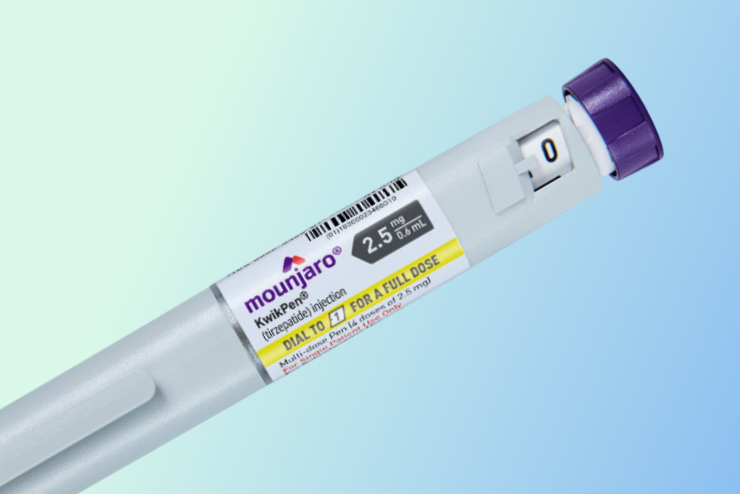
Eating too little on Mounjaro injection can affect your nutritional intake, strength and overall weight loss progress. While Mounjaro (tirzepatide) can naturally reduce appetite, consistently eating very small amounts or skipping meals may make it difficult to get enough protein, vitamins and essential nutrients. Over time, inadequate intake may affect muscle maintenance and your ability to achieve sustainable weight loss.
- Muscle Loss: Not consuming enough calories or protein may make it harder to maintain muscle mass during weight loss. Reduced muscle can affect strength, body composition and overall metabolic health.
- Nutrient Deficiencies: A very limited diet may reduce your intake of essential vitamins and minerals. This may contribute to tiredness, poor concentration, changes in hair health and reduced immune function.
- Low Energy Levels: Insufficient food intake can leave you feeling weak, fatigued or less able to maintain daily activities. Balanced meals can help support your energy throughout your weight loss journey.
- Slower Progress: Although a calorie deficit supports weight loss, consistently eating too little may make it harder to maintain muscle, energy levels and long-term progress.
Why Eating Too Little on Mounjaro May Slow Weight Loss
Eating too little on Mounjaro may seem like a way to accelerate results, but consistently restricting your intake can affect how your body responds to weight loss. When your energy intake is too low, your body may adapt by conserving energy, which can make progress less predictable and harder to maintain.
Very low calorie intake may also affect factors that support healthy weight management, including muscle preservation, daily energy levels and overall activity. Maintaining an appropriate balance of calories and nutrients can help your body respond better throughout your treatment journey.
How Many Calories Should You Eat on Mounjaro for Weight Loss?
When taking Mounjaro (tirzepatide), the goal is to create a sustainable calorie deficit that supports healthy weight loss. A common approach is consuming around 500–750 calories below your Total Daily Energy Expenditure (TDEE), which may support a gradual loss of around 0.5–1kg per week. However, your needs will vary based on factors such as body size, activity level and weight loss goals.
Some people may eat around 1,400 calories daily for women and 1,900 calories for men, while others may naturally consume 1,000–1,500 calories due to reduced appetite. Rather than focusing only on calorie numbers, prioritise nutrient-rich foods that provide enough protein, fibre, vitamins and minerals.
Eating too little can increase the risk of fatigue, dizziness and muscle loss, so avoid extreme restriction. If reduced appetite makes eating difficult, smaller meals or protein-based options can help you maintain adequate nutrition while listening to hunger and fullness cues.
How to Maintain Nutrition on Mounjaro When You Have Little Appetite
Mounjaro can reduce hunger levels, which may make it harder for some people to eat enough to meet their nutritional needs. While a lower appetite can support weight loss, consistently eating too little may affect energy levels, muscle maintenance and overall wellbeing. Focusing on smaller portions, nutrient-rich foods and a structured routine can help you stay nourished throughout your treatment.
Smaller Meals
When larger meals feel difficult, smaller portions spread throughout the day can be easier to manage. Eating regularly rather than waiting for hunger cues can help ensure you are getting enough protein, vitamins and essential nutrients.
Liquid Options
If solid foods are unappealing, options such as protein smoothies, soups and yoghurt-based meals can provide important nutrients in a more manageable format. These choices can help support your intake when your appetite is reduced.
Protein-Rich Foods
Protein is important during weight loss because it helps support muscle maintenance. Including simple options such as eggs, Greek yoghurt, lean proteins and protein-based snacks can help you meet your needs without requiring large meals.
Meal Routine
Reduced hunger signals can make it easy to unintentionally under-eat. Following a planned meal schedule can help you maintain regular nutrition and support a healthier weight loss approach.
Seek Support When Needed
If you are struggling to eat enough, experiencing ongoing low energy or finding it difficult to maintain a balanced diet, professional advice can help. An online consultation with Online Weight Loss Clinic can provide personalised guidance to support your nutritional needs and weight loss journey.
Conclusion: Healthy Eating With Mounjaro
Maintaining adequate nutrition is an important part of achieving sustainable results while using Mounjaro. Although reduced appetite is an expected part of treatment, your body still requires essential nutrients to support muscle maintenance, wellbeing and long-term progress.
Rather than focusing on severe calorie restriction, aim for a balanced approach that includes regular meals, adequate protein, fluids and nutrient-rich foods. If you are unsure whether you are meeting your nutritional needs during treatment, seeking guidance from a healthcare professional can help you follow a safe and sustainable Mounjaro weight loss plan.
GLP-1
Wegovy
A weekly GLP-1 treatment proven to reduce hunger and support meaningful, long-term fat loss.
- ✔~16.9% average body weight loss
- ✔Boosts metabolic & cardiovascular health
- ✔Proven, long-established safety profile
- ✔Weekly injection, easy to use
GLP-1 / GIP
Mounjaro
Dual-agonist support that helps curb appetite, hunger, and cravings to drive substantial, sustained weight loss.
- ✔~22.5% average body weight loss
- ✔Significant weight reduction
- ✔Improves blood sugar levels
- ✔Clinically proven weight loss
FAQs About Eating on Mounjaro
Can Mounjaro make you lose your appetite completely?
Mounjaro can significantly reduce appetite for some people, but a complete loss of appetite is not expected for everyone. If you find it difficult to eat enough or maintain your usual intake, speak with a healthcare professional for advice.
Should I force myself to eat when I am not hungry on Mounjaro?
You may need to be more intentional with meals when your appetite is reduced. Rather than forcing large meals, focus on smaller portions that provide essential nutrients, protein and energy to support your body during weight loss.
Can eating too little on Mounjaro cause constipation?
Eating a very small amount of food may contribute to constipation for some people, particularly if fibre and fluid intake are also low. Maintaining hydration and including suitable fibre sources can support digestive health during treatment.
Can I drink meal replacement shakes while taking Mounjaro?
Meal replacement shakes or protein drinks may be useful for some people who struggle with solid foods due to reduced appetite. However, they should complement a balanced diet rather than replace all meals unless advised by a healthcare professional.
Does Mounjaro affect your relationship with food?
Mounjaro can change hunger signals and eating patterns by reducing appetite. Some people may need time to adjust to eating based on nutritional needs rather than previous hunger cues.
Can Mounjaro change your hunger cues over time?
Mounjaro can affect appetite regulation, meaning some people may need to adjust to recognising nutritional needs instead of relying only on hunger signals. These changes can vary throughout treatment.
Can I still lose weight if I eat more on Mounjaro?
Yes. Weight loss depends on creating a sustainable calorie deficit rather than eating as little as possible. Consuming enough nutrients can help support energy, muscle maintenance and long-term weight management.
When should I contact a healthcare professional about my appetite on Mounjaro?
Seek advice if reduced appetite makes it difficult to eat regularly, you experience ongoing weakness, unexplained weight changes or concerns about your overall nutrition. A healthcare professional can help review your treatment and dietary needs.