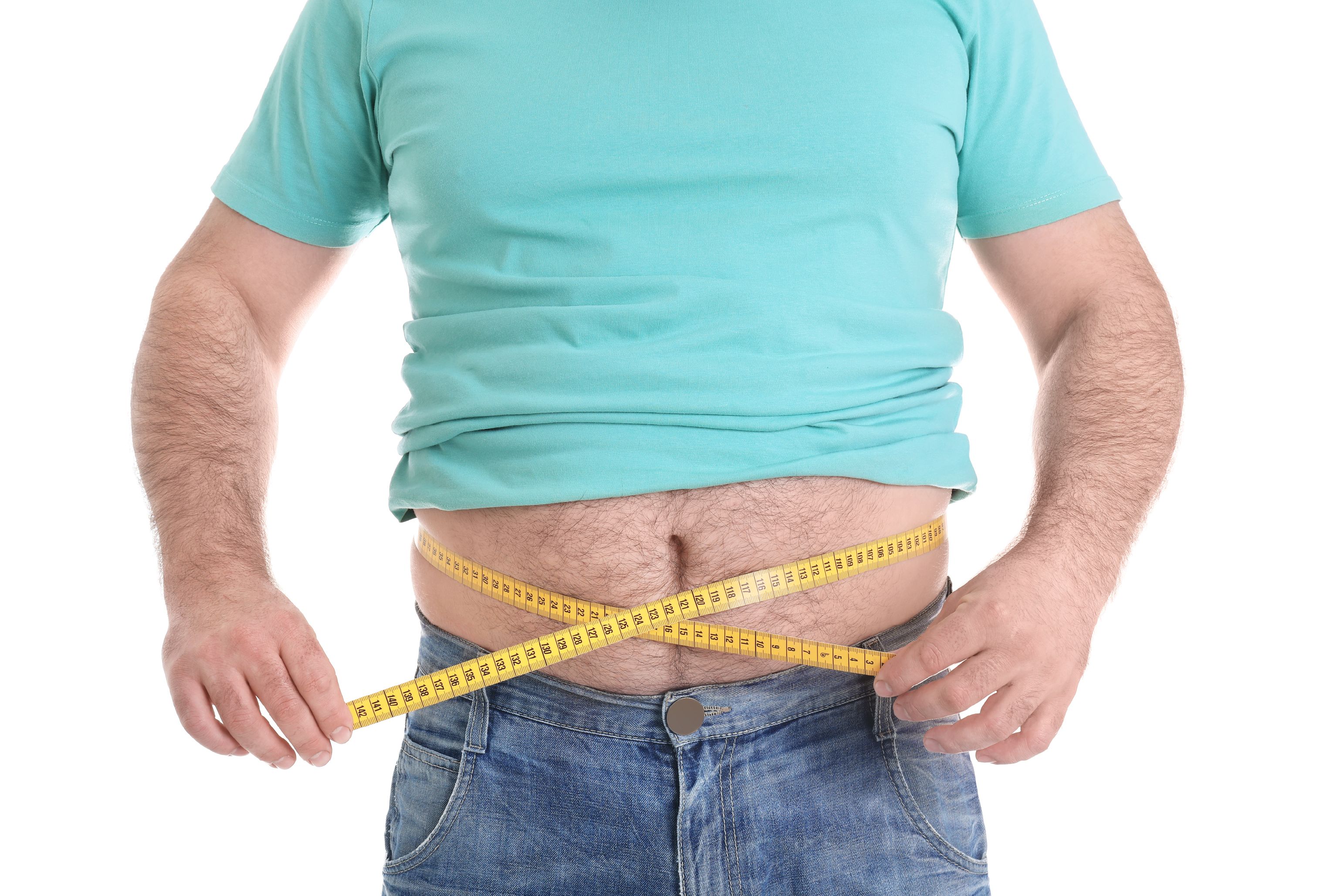
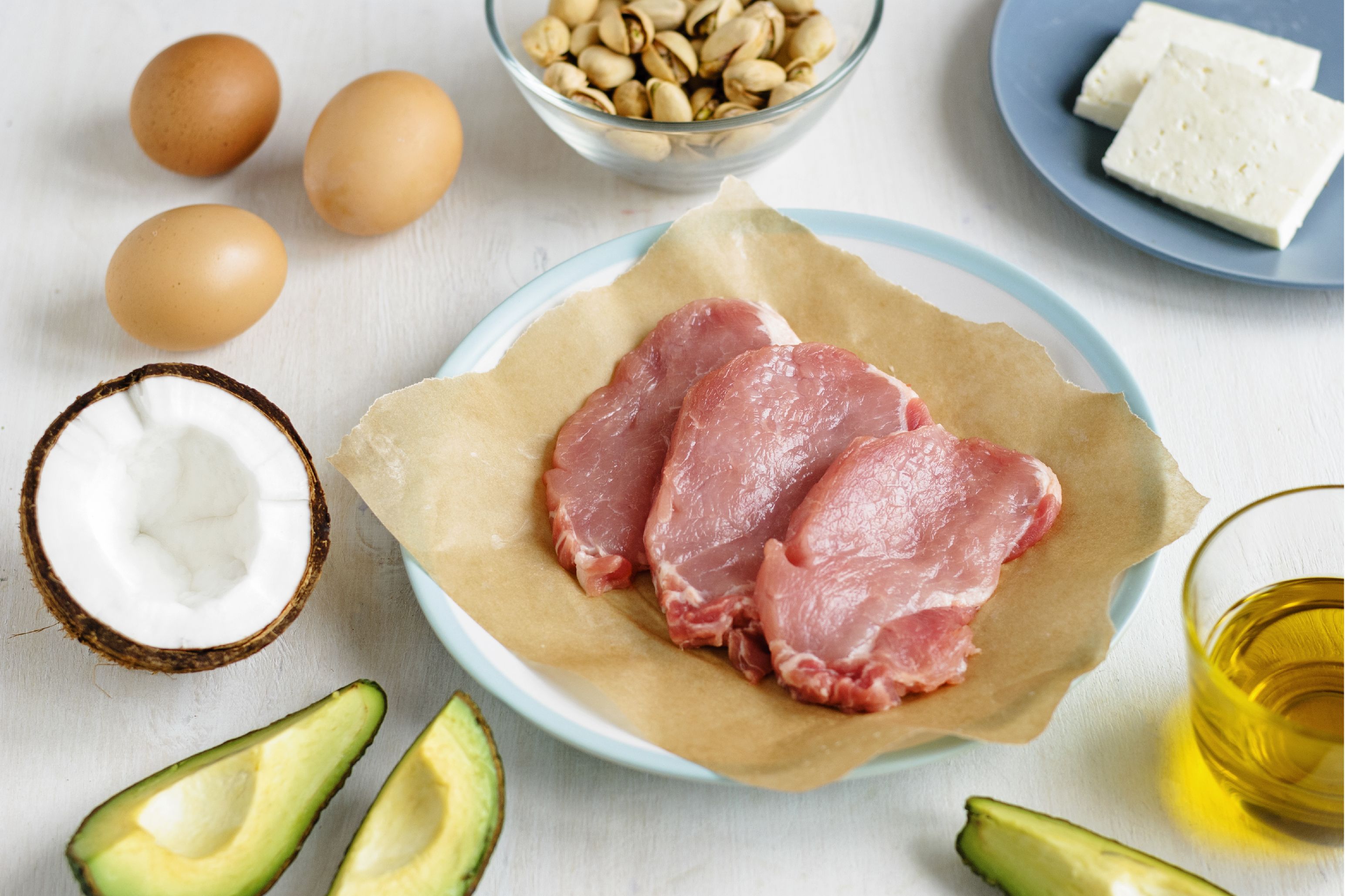
Protein plays an important role in successful weight management, particularly when reducing calorie intake. A higher daily intake of protein may help you feel fuller for longer, support appetite control, and assist in maintaining lean muscle mass while losing weight. This can make it easier to follow a healthy eating plan and achieve sustainable results over time.
While individual requirements vary depending on factors such as age, activity levels, and overall health, many adults aiming for weight loss may benefit from increasing their protein intake as part of a balanced diet. Combining adequate protein with regular physical activity, healthy food choices, and clinically supervised weight management treatments where appropriate can help support both weight loss and long-term wellbeing.
GLP-1
Wegovy
A weekly GLP-1 treatment proven to reduce hunger and support meaningful, long-term fat loss.
- ✔~16.9% average body weight loss
- ✔Boosts metabolic & cardiovascular health
- ✔Proven, long-established safety profile
- ✔Weekly injection, easy to use
GLP-1 / GIP
Mounjaro
Dual-agonist support that helps curb appetite, hunger, and cravings to drive substantial, sustained weight loss.
- ✔~22.5% average body weight loss
- ✔Significant weight reduction
- ✔Improves blood sugar levels
- ✔Clinically proven weight loss
Key Facts About Protein and Weight Loss
- ✔Protein can help increase feelings of fullness, making it easier to manage hunger and reduce unnecessary snacking.
- ✔Adequate protein intake supports the maintenance of lean muscle mass while encouraging a greater proportion of weight loss to come from body fat.
- ✔Healthy adults generally require around 0.75 g of protein per kilogram of body weight each day as a baseline recommendation.
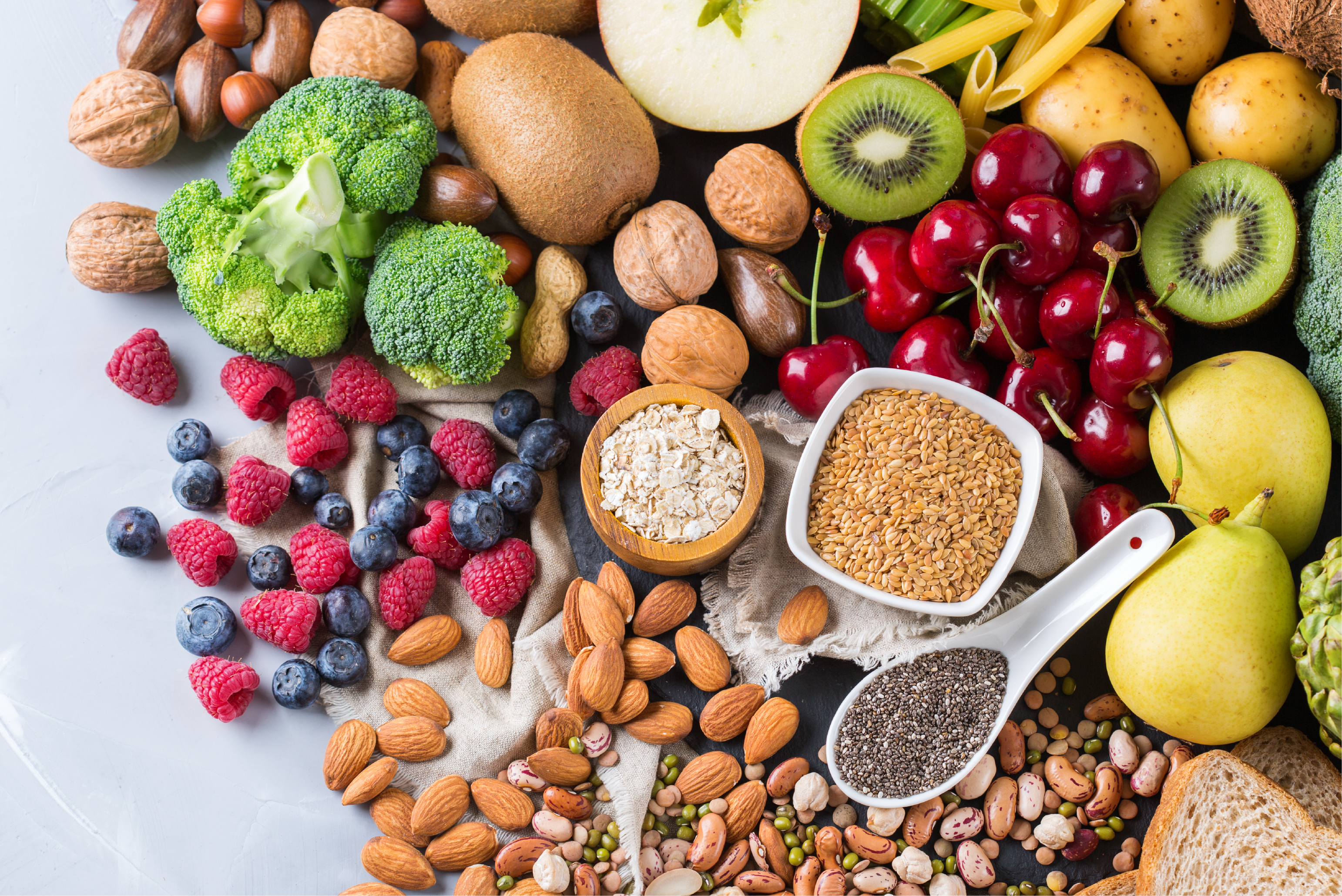
- ✔Lean foods such as chicken, fish, eggs, Greek yoghurt, tofu, and legumes can help contribute towards daily protein needs.
- ✔People using weight loss injections may benefit from paying closer attention to protein intake to help maintain muscle health during treatment.
Why Does Protein Matter So Much When Trying to Lose Weight?
Weight loss involves more than simply reducing calories. Protein plays an important role in managing hunger, preserving muscle mass, and supporting metabolism during a calorie deficit.
Whether you are following a healthy eating plan or using treatments such as Mounjaro for weight loss or Wegovy injection alongside lifestyle changes, maintaining an adequate daily intake of protein may help support more sustainable weight loss and healthier body composition over time.
Boosts Satiety and Helps Control Hunger
Protein digests more slowly than many other nutrients, helping you feel fuller for longer after eating. Research has shown that protein can reduce ghrelin, the hormone associated with hunger, while increasing hormones linked to satiety, which may naturally lower overall calorie intake throughout the day.
Preserves Lean Muscle During Weight Loss
During a calorie deficit, the body can break down both fat and muscle tissue for energy. Meeting your daily protein requirement helps preserve lean muscle mass, encouraging a greater proportion of weight loss to come from body fat while supporting strength and physical function.
Supports a Higher Metabolic Rate
Protein has a higher thermic effect than carbohydrates and fats, meaning the body uses more energy to process it. Studies suggest that approximately 20–30% of the calories consumed from protein are used during digestion and metabolism, compared with 5–10% for carbohydrates and 0–3% for fats.
Helps Maintain Resting Energy Expenditure
Because muscle tissue remains metabolically active even at rest, preserving it can help maintain daily energy expenditure. Combined with regular resistance exercise, adequate protein intake may support those looking to lose belly fat and manage weight effectively, although no single nutrient can help you lose weight fast on its own.
How Much Protein Does the Average UK Adult Need?
Protein requirements are often based on body weight rather than age or gender alone. Evidence suggests that healthy adults need approximately 0.75 g of protein per kilogram of body weight each day to support normal bodily functions, muscle maintenance, and overall health.
For those focusing on weight management, understanding your daily intake of protein can be an important part of building a balanced and sustainable eating plan. Individual needs may vary, but this baseline recommendation provides a useful starting point for most healthy adults.
How Can Low Protein Intake Affect Weight Loss?
When losing weight, eating too little protein can affect muscle maintenance, hunger levels, physical performance, and recovery. Ensuring adequate protein intake can help support healthier body composition, improve satiety, and promote more sustainable weight loss results.
- Loss of Muscle Mass: Without enough protein, the body may break down muscle tissue for energy during weight loss. This can reduce lean muscle mass and affect overall body composition.
- Increased Hunger and Cravings: Low protein intake may leave you feeling less satisfied after meals. As a result, hunger and food cravings can become more frequent throughout the day.
- Reduced Strength and Physical Performance: Protein supports muscle function and physical performance. Consuming too little may contribute to reduced strength, lower energy levels, and decreased exercise capacity.
- Slower Recovery After Exercise: Protein helps repair and rebuild muscle tissue after physical activity. Inadequate intake may slow recovery, increase muscle soreness, and make it harder to maintain regular exercise.
Understanding healthy weight ranges can also provide useful context when setting realistic targets. Learn more about the average weight of women and the average weight of men in the UK.
What Are the Best High-Protein Foods for Weight Loss?
Choosing protein-rich foods can make weight loss more manageable by helping you feel fuller for longer and supporting the maintenance of lean muscle mass. Foods such as chicken breast, eggs, Greek yoghurt, tuna, tofu, and other lean protein sources provide substantial nutrition without adding excessive calories.
Including these foods as part of your diet plan for weight loss can help improve appetite control and support healthier eating habits. They can also contribute towards your daily intake of protein, making it easier to maintain a balanced approach to weight management while meeting your nutritional needs.
Do Weight-Loss Injections Affect Your Protein Needs?
A weight loss injection does not directly change the body's basic protein requirements, but reduced appetite can make it easier to consume too little protein. Paying closer attention to protein intake can help support muscle maintenance and overall nutritional balance during weight loss.
- Aim for Adequate Protein Intake: Many nutrition professionals recommend around 1.2 to 1.6 g of protein per kilogram of ideal body weight each day to help preserve lean muscle during weight loss.
- Spread Protein Throughout the Day: Consuming approximately 20–30 g of protein at each meal may help support muscle maintenance and make it easier to meet daily protein goals.
- Combine Protein with Strength Training: Protein works best when paired with regular resistance or strength-based exercise, helping the body maintain muscle mass while reducing body fat.
Small nutritional changes can make a meaningful difference over time. Online Weight Loss Clinic helps explain the role of protein, healthy eating, and lifestyle habits in long-term weight management.
Conclusion: Protein as Part of a Sustainable Weight Loss Strategy
Protein plays an important role in weight management by supporting muscle maintenance, helping control hunger, and contributing to overall metabolic health. Monitoring your daily intake of protein can help you make informed dietary choices while working towards your weight loss goals.
Whether you are following a healthy eating plan or using clinically supervised weight management treatments, adequate protein intake can support healthier body composition and long-term wellbeing. Combining good nutrition with regular physical activity remains key to sustainable results.
GLP-1
Wegovy
A weekly GLP-1 treatment proven to reduce hunger and support meaningful, long-term fat loss.
- ✔~16.9% average body weight loss
- ✔Boosts metabolic & cardiovascular health
- ✔Proven, long-established safety profile
- ✔Weekly injection, easy to use
GLP-1 / GIP
Mounjaro
Dual-agonist support that helps curb appetite, hunger, and cravings to drive substantial, sustained weight loss.
- ✔~22.5% average body weight loss
- ✔Significant weight reduction
- ✔Improves blood sugar levels
- ✔Clinically proven weight loss
FAQs
How much protein should I eat each day to lose weight?
Protein needs vary between individuals, but many people aiming to lose weight may benefit from consuming more than the minimum recommended intake while maintaining a balanced diet.
Can eating more protein help reduce hunger?
Yes. Protein can help increase feelings of fullness and may reduce hunger between meals, making it easier to manage calorie intake.
What are the best sources of protein for weight loss?
Lean meats, fish, eggs, Greek yoghurt, tofu, beans, lentils, and low-fat dairy products are commonly recommended protein-rich foods.
Can I lose weight without eating enough protein?
Weight loss is possible with a calorie deficit, but inadequate protein intake may increase the risk of muscle loss and reduced satiety.
Does protein help preserve muscle during weight loss?
Yes. Adequate protein intake helps support muscle maintenance, particularly when combined with regular physical activity and strength training.
Should I increase protein intake while using weight loss injections?
Reduced appetite may make it harder to meet nutritional needs, so paying attention to protein intake can help support muscle health during treatment.
Is it better to spread protein intake across the day?
Many nutrition professionals recommend distributing protein across meals to help support muscle maintenance and meet daily requirements more consistently.
Can protein alone help me lose weight fast?
No. Protein can support weight management, but sustainable weight loss typically requires a combination of healthy eating habits, physical activity, and long-term lifestyle changes.