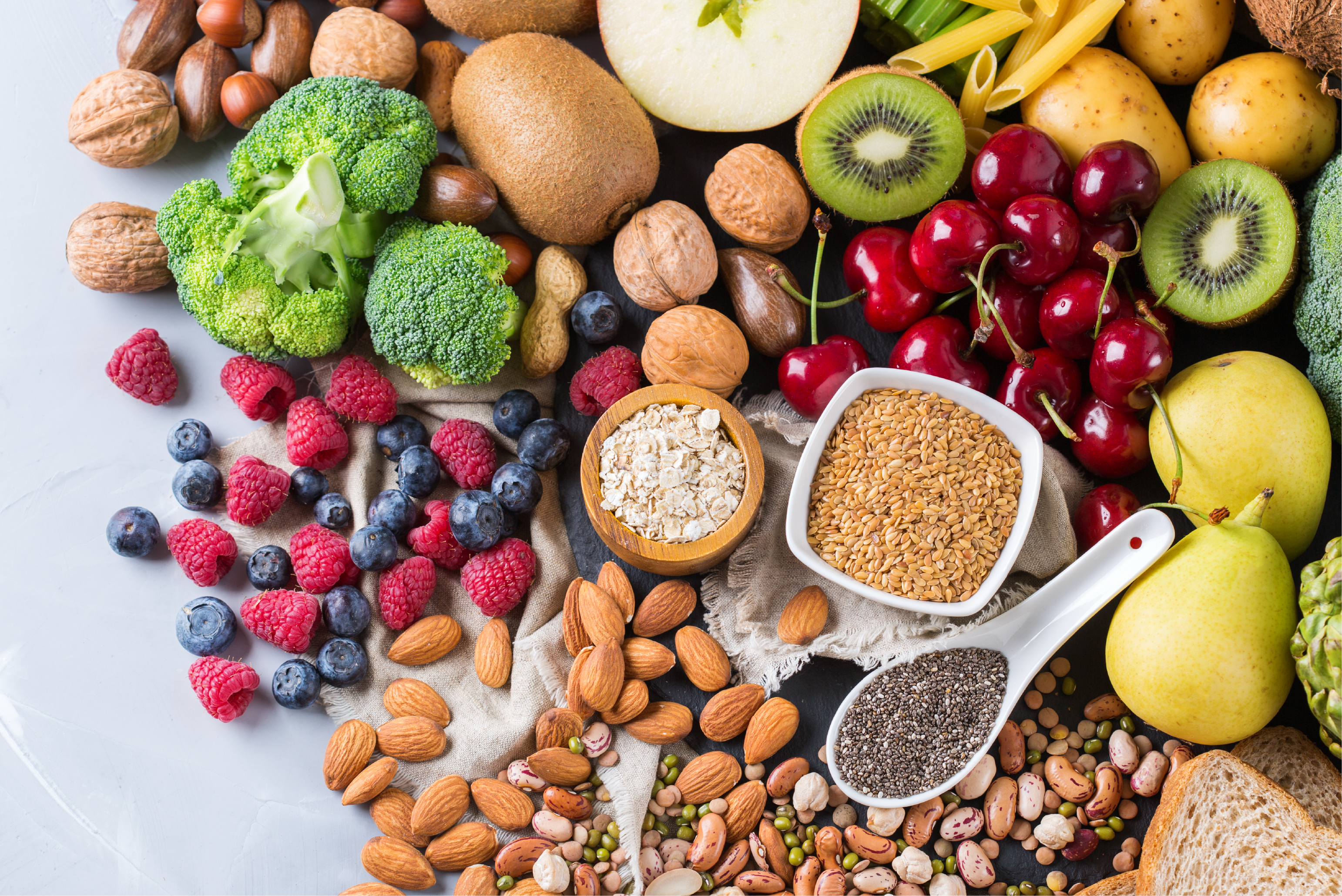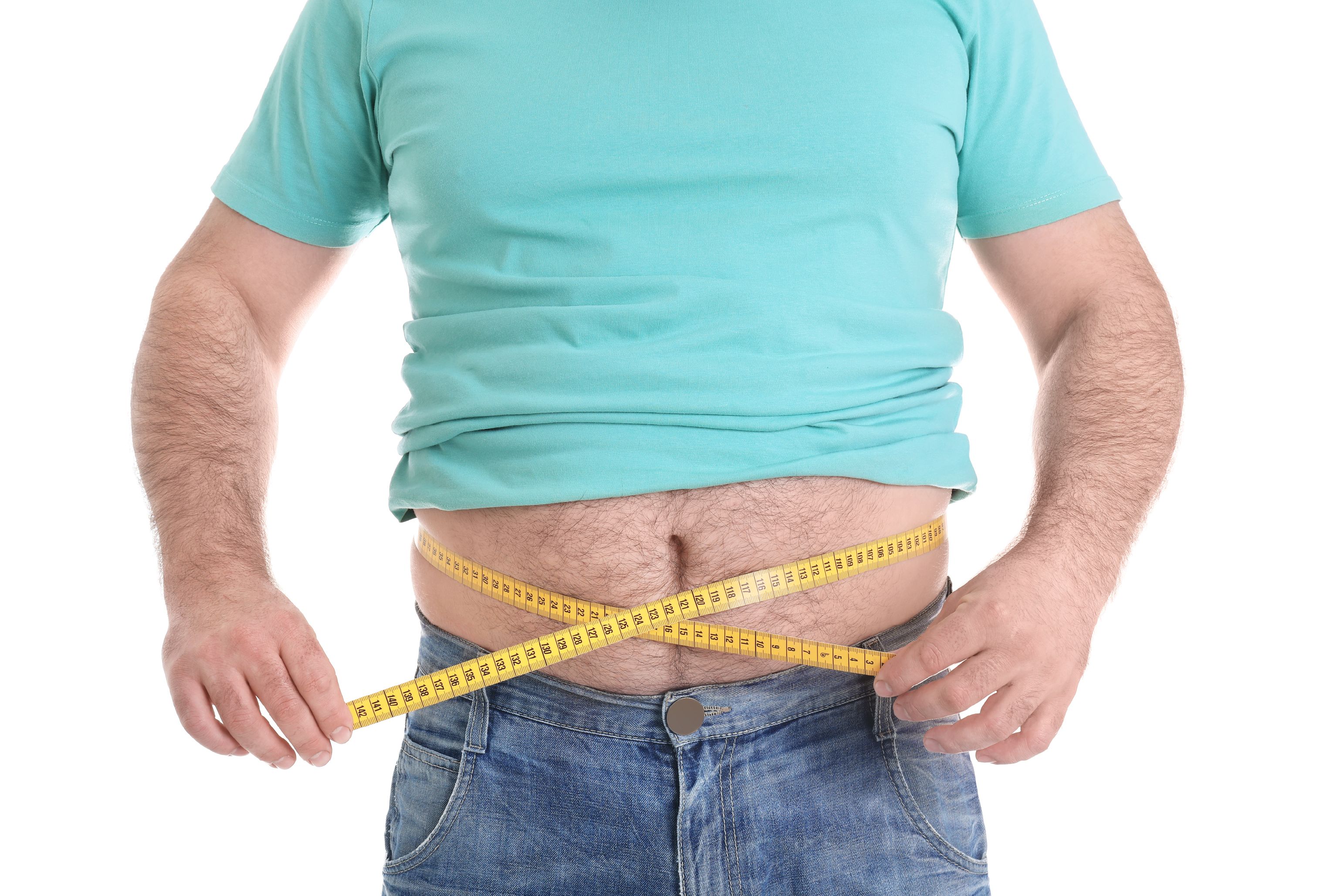

Achieving weight loss without the gym is often more dependent on daily eating habits than structured exercise. Creating a modest calorie deficit through balanced meals and sensible portion control can help support gradual and sustainable weight loss while fitting easily into everyday life.
Simple lifestyle changes such as increasing daily movement and incorporating home workouts for weight loss can further support progress. Combined with consistent healthy habits these approaches can help improve long-term weight management and overall wellbeing.
GLP-1
Wegovy
A weekly GLP-1 treatment proven to reduce hunger and support meaningful, long-term fat loss.
- ✔~16.9% average body weight loss
- ✔Boosts metabolic & cardiovascular health
- ✔Proven, long-established safety profile
- ✔Weekly injection, easy to use
GLP-1 / GIP
Mounjaro
Dual-agonist support that helps curb appetite, hunger, and cravings to drive substantial, sustained weight loss.
- ✔~22.5% average body weight loss
- ✔Significant weight reduction
- ✔Improves blood sugar levels
- ✔Clinically proven weight loss
Key Takeaways for Losing Weight Without a Gym
- ✔A calorie deficit is the foundation of successful weight loss.
- ✔Healthy food choices often have a greater impact than exercise alone.
- ✔Skipping meals and hidden calories can hinder progress.
- ✔Daily movement and home workouts can support weight management.
- ✔Prescribed treatments may help eligible adults achieve their goals.
Is It Possible to Lose Weight without Exercising?
Yes, it is possible to achieve weight loss without the gym if you consistently consume fewer calories than your body uses. Food choices and portion control often have a greater influence on weight loss than formal exercise, making nutrition a key factor in managing body weight.
According to studies, effective weight-management programmes typically combine calorie reduction with sustainable lifestyle changes to support healthy weight loss and long-term weight maintenance. While physical activity provides important health benefits, many people can still lose weight through improved eating habits, mindful calorie intake, and consistent daily routines.
Why Does Nutrition Play a Bigger Role Than Exercise in Weight Loss?
While exercise supports overall health, nutrition is often the main factor behind successful weight loss. Creating a calorie deficit through healthier food choices is generally easier and more sustainable than relying on exercise alone to burn excess calories. For this reason, dietary habits are often the foundation of long-term weight management.
Caloric Efficiency
It takes only a few minutes to consume hundreds of calories, but burning the same amount can require a much longer period of physical activity. This difference makes managing calorie intake through a balanced weight loss diet one of the most effective ways to support weight management.
Overestimating Calories Burned
Many people assume they burn more calories during exercise than they actually do. As a result, they may eat extra food afterwards, which can reduce or completely offset the calorie deficit needed for progress.
Increased Appetite After Exercise
Exercise can increase hunger, particularly after more intense workouts. Without mindful food choices, it can become harder to maintain a calorie deficit, making nutrition an important part of controlling appetite and supporting consistent results.
Everyday Food Choices Have a Bigger Impact
Small decisions made throughout the day, such as choosing nutritious meals and controlling portion sizes, can have a significant effect on calorie intake. These habits often influence body weight more consistently than occasional exercise sessions.
Nutrition Supports Healthy Weight Loss
Improving eating habits is often easier to maintain than a demanding exercise routine. Focusing on balanced meals, appropriate portions, and sustainable lifestyle changes can help support healthy weight loss and long-term success.
What Common Mistakes Can Make Weight Loss Without the Gym More Difficult?
Successful weight loss without regular gym sessions often depends on creating a sustainable calorie deficit through diet and lifestyle habits. However, certain common mistakes can make progress slower and harder to maintain, even when overall intentions are good.
Understanding these challenges can help you make more informed choices and build habits that support steady and long-term weight management.
Skipping Meals
Skipping meals may seem like a quick way to reduce calorie intake, but it can often lead to increased hunger later in the day. This may result in larger portions, unplanned snacking, or overeating, making it more difficult to maintain a balanced calorie deficit.
Drinking Hidden Calories
Many drinks contain more calories than people realise. Sugary coffees, soft drinks, fruit juices, and alcoholic beverages can add significant calories without providing the same feeling of fullness as solid foods, which can affect overall calorie control.
Following Restrictive Diets
Highly restrictive diets can be difficult to follow for long periods and may lead to feelings of deprivation. When eating plans are too strict, people are often more likely to abandon them and return to previous habits, making sustainable progress harder to achieve.
Relying on Weight Loss "Shortcuts"
Quick-fix solutions and unproven weight-loss methods may promise rapid results, but they rarely support lasting lifestyle changes. Sustainable weight management is usually achieved through balanced nutrition, consistent habits, and realistic long-term goals.
Expecting Rapid Results
Weight loss is often a gradual process, and expecting dramatic changes in a short period can lead to frustration. Focusing on steady progress rather than quick results can help build healthier habits and improve the likelihood of maintaining weight loss over time.
Can Medical Weight Loss Treatments Support Weight Loss Without Going to the Gym?
Yes, for eligible adults, a prescribed weight loss injection may provide additional support when achieving a calorie deficit through lifestyle changes alone is challenging. These treatments work by helping to regulate appetite, reduce hunger, and support better control over food intake, making it easier to follow a reduced-calorie eating plan.
Options such as Mounjaro for weight loss and the Wegovy injection may be considered following a clinical assessment. When used alongside healthier eating habits and long-term lifestyle changes, these treatments can support sustainable weight management, even for individuals who are unable to attend the gym regularly.
Learn how clinically prescribed weight-management treatments may support your goals alongside healthy lifestyle changes. Online Weight Loss Clinic provides guidance to help you understand your available options.
How Can You Create a Sustainable Weight Loss Routine at Home?
A sustainable weight-loss routine at home is often built on simple habits that can be maintained long term. By focusing on balanced nutrition, regular movement, and achievable lifestyle changes, you can support steady progress and build healthy routines that are more likely to deliver lasting results.
Setting Realistic Weekly Goals
Setting achievable targets can help maintain motivation and prevent frustration. A gradual rate of progress is generally considered more sustainable and easier to maintain than aiming for rapid changes in a short period.
Planning Meals in Advance
Planning meals ahead of time can make it easier to manage portions and make healthier food choices. It may also reduce the likelihood of relying on convenience foods or unplanned snacks that can increase overall calorie intake.
Staying Active at Home
Regular movement does not require a gym membership. Activities such as walking, bodyweight exercises, stretching, or short home workouts can help increase daily energy expenditure and support overall health.
Tracking Progress Beyond the Scales
Body weight is only one measure of progress. Monitoring factors such as energy levels, clothing fit, physical fitness, and healthy lifestyle habits can provide a broader view of improvements over time.
Building Habits You Can Maintain Long Term
Long-term success is often linked to habits that fit naturally into everyday life. Choosing realistic routines and making sustainable lifestyle changes can help support ongoing weight management and reduce the likelihood of regaining weight in the future.
Conclusion: Building Sustainable Weight-Loss Habits That Last
Achieving weight loss without the gym is possible when you focus on the factors that have the greatest impact on body weight, including nutrition, portion control, and consistent daily habits. Small lifestyle changes that can be maintained over time are often more effective than short-term or restrictive approaches.
While regular physical activity supports overall health, sustainable weight management is usually built on a balanced diet, realistic goals, and long-term consistency. For eligible adults, clinically prescribed weight-loss treatments may also provide additional support when used alongside healthy lifestyle changes and appropriate medical supervision.
GLP-1
Wegovy
A weekly GLP-1 treatment proven to reduce hunger and support meaningful, long-term fat loss.
- ✔~16.9% average body weight loss
- ✔Boosts metabolic & cardiovascular health
- ✔Proven, long-established safety profile
- ✔Weekly injection, easy to use
GLP-1 / GIP
Mounjaro
Dual-agonist support that helps curb appetite, hunger, and cravings to drive substantial, sustained weight loss.
- ✔~22.5% average body weight loss
- ✔Significant weight reduction
- ✔Improves blood sugar levels
- ✔Clinically proven weight loss
Frequently Asked Questions
Can I lose weight without going to the gym?
Yes. Many people lose weight by creating a calorie deficit through healthier eating habits, portion control, and increased daily movement without attending a gym.
What is the most important factor for weight loss?
Nutrition is often considered the most important factor because managing calorie intake generally has a greater effect on body weight than exercise alone.
How much weight can I safely lose each week?
A gradual rate of weight loss is typically considered more sustainable than rapid weight loss. Individual results can vary depending on starting weight, diet, and lifestyle factors.
Are home workouts effective for weight loss?
Home workouts can help increase calorie expenditure and improve fitness. When combined with a balanced diet, they can support overall weight-management efforts.
Why am I not losing weight even though I am eating less?
Factors such as hidden calories, portion sizes, inconsistent eating habits, poor sleep, and underlying health conditions can all influence weight-loss progress.
Can meal planning help with weight loss?
Yes. Planning meals in advance can help control portions, reduce impulsive food choices, and make it easier to maintain a consistent calorie deficit.
Are weight-loss injections available in the UK?
Yes. Certain prescription weight-loss treatments may be available for eligible adults following a clinical assessment and when used as part of a wider weight-management plan.
Is it possible to maintain weight loss long term?
Long-term success is often linked to sustainable habits, including balanced nutrition, regular physical activity, adequate sleep, and realistic lifestyle changes that can be maintained over time.