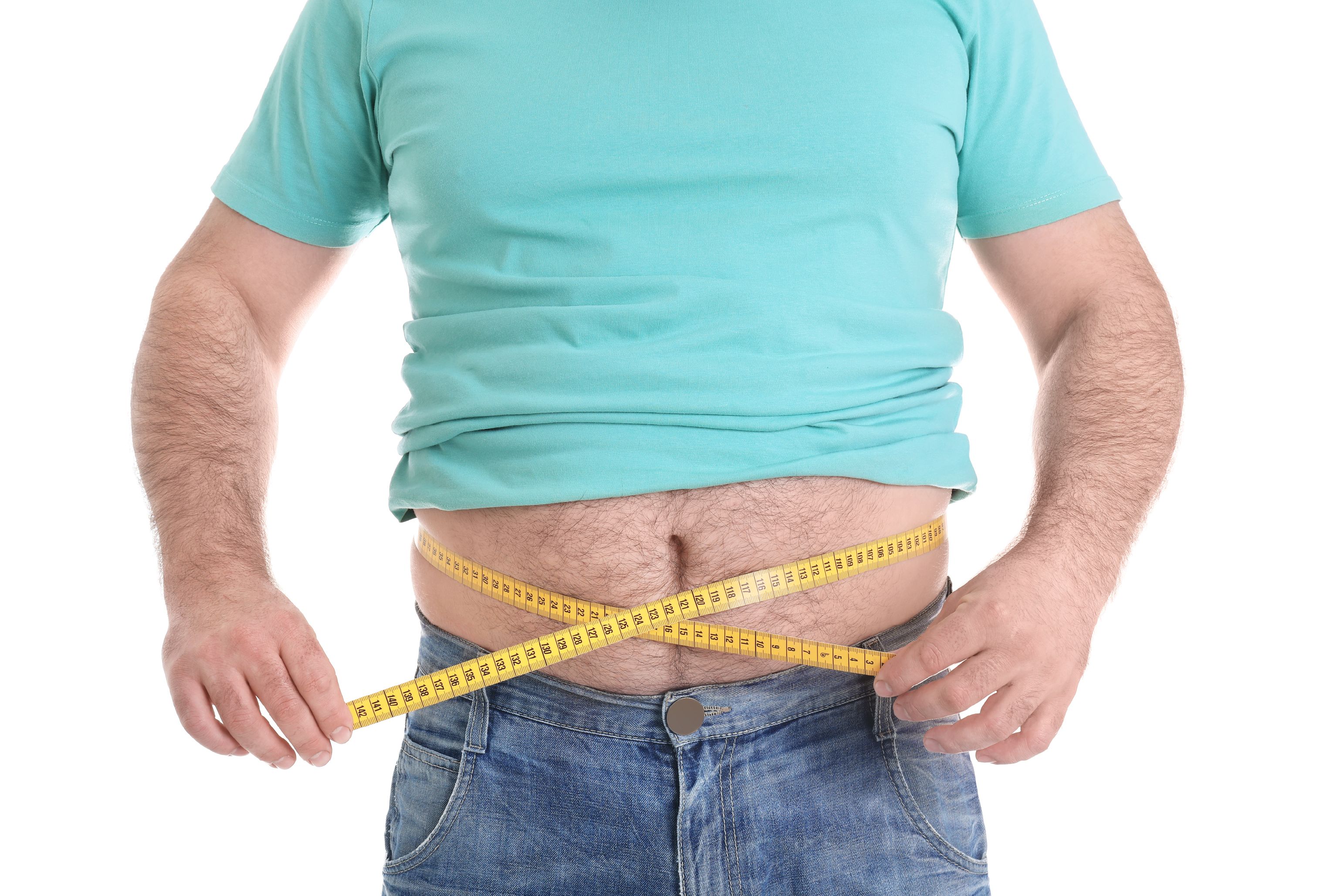

The scale of obesity across the UK continues to grow. Recent obesity statistics UK 2026 show that around two-thirds of adults and one-third of children leaving primary school are living with overweight or obesity. Higher rates are often reported in lower-income communities and in parts of the North of England and the Midlands.
According to recent studies, almost 70% of men are overweight or obese, while more than 26% of women are living with obesity. The highest rates are seen among adults aged 55 to 64, where up to 36% are classified as obese, highlighting the need for effective long-term weight management support.
GLP-1
Wegovy
A weekly GLP-1 treatment proven to reduce hunger and support meaningful, long-term fat loss.
- ✔~16.9% average body weight loss
- ✔Boosts metabolic & cardiovascular health
- ✔Proven, long-established safety profile
- ✔Weekly injection, easy to use
GLP-1 / GIP
Mounjaro
Dual-agonist support that helps curb appetite, hunger, and cravings to drive substantial, sustained weight loss.
- ✔~22.5% average body weight loss
- ✔Significant weight reduction
- ✔Improves blood sugar levels
- ✔Clinically proven weight loss
Key Insights Into Obesity Trends and Weight Management in the UK
- ✔Around two-thirds of UK adults are living with overweight or obesity.
- ✔Obesity is linked to Type 2 diabetes, heart disease, certain cancers, and reduced life expectancy.
- ✔Poor diet, inactivity, stress, and environmental factors all contribute to rising obesity rates.
- ✔More adults are seeking healthier lifestyles and structured weight-management support.
- ✔Medical weight-management treatments may support weight loss when combined with lifestyle changes.
How Many Adults in the UK Are Living With Obesity in 2026?
Obesity remains one of the most pressing health challenges facing the UK today. Recent obesity statistics UK 2026 show that around 30% of adults aged 16 and over are living with obesity, reflecting the growing impact of excess weight on public health.
According to the latest clinical data, approximately 66% of UK adults are either overweight or living with obesity. Rates are similar between men and women, with obesity affecting around 29% of men and 31% of women across the country.
How Does Obesity Impact Health in the UK?
Approximately 64% of adults in the UK are living with overweight or obesity, making excess weight one of the country's most significant health concerns. The continued rise in obesity in the UK has contributed to increasing rates of long-term health conditions and growing pressure on healthcare services.
Obesity Affect Physical and Mental Wellbeing
Long-Term Health Conditions: Obesity is associated with a higher risk of developing Type 2 diabetes, coronary heart disease, stroke, and certain cancers, including breast, bowel, and womb cancer.
Joint and Breathing Problems: Carrying excess weight places additional strain on the joints and spine, increasing the risk of osteoarthritis, back pain, and respiratory conditions such as sleep apnoea.
Mental and Emotional Wellbeing: Living with obesity can affect confidence, self-esteem, and overall mental health, while social stigma may contribute to feelings of anxiety and depression.
Reduced Life Expectancy: Research suggests that obesity can shorten life expectancy by between 2 and 10 years, depending on overall health and the presence of related medical conditions.
Regional Differences Across the UK: Current data on obesity rates UK by region shows that some parts of the country experience higher levels of obesity than others, highlighting ongoing health inequalities.
A Continuing Public Health Challenge: The UK obesity rate over time has steadily increased, reinforcing the importance of sustainable weight management, healthy lifestyle changes, and appropriate clinical support for eligible adults.
What Are the Main Causes Behind Rising Obesity Rates?
The growing prevalence of obesity and overweight in the UK is influenced by a combination of lifestyle, environmental, and social factors. While weight gain occurs when energy intake consistently exceeds energy expenditure, the causes of obesity are often complex and involve more than diet alone.
Dietary Habits
Modern diets often include high-calorie foods that are rich in sugar, saturated fat, and refined carbohydrates. Frequent consumption of takeaway meals, sugary drinks, and highly processed foods can make it easier to consume excess calories without feeling satisfied for long.
Physical Inactivity
Regular movement plays an important role in maintaining a healthy weight. Lower levels of physical activity can reduce daily energy expenditure, making it more difficult to achieve a balance between calories consumed and calories used.
Sedentary Lifestyles
Many people now spend large portions of the day sitting at desks, driving, or using digital devices. This reduction in everyday movement can contribute to gradual weight gain over time, particularly when combined with poor dietary habits.
Sleep and Stress
Poor sleep quality and ongoing stress may influence hormones that regulate appetite and hunger. As a result, some individuals may experience increased food cravings, changes in eating patterns, and difficulty maintaining healthy lifestyle habits.
Environmental and Social Factors
Access to affordable nutritious food, local facilities for physical activity, education, and socioeconomic circumstances can all affect weight management. These factors may influence food choices, activity levels, and overall health behaviours, contributing to rising obesity rates across the UK.
Are Adults Looking to Reduce Obesity in the UK?
As awareness of obesity-related health conditions continues to grow, increasing numbers of UK adults are looking for effective ways to manage their weight. Many are focusing on healthier eating patterns, regular exercise, weight loss injections, and structured support to improve their overall wellbeing.
However, weight management is influenced by more than personal choices alone. Environmental, social, and lifestyle factors can create barriers to healthy habits, making it harder for many people to lose weight and maintain their progress over time.
Can Medical Weight-Loss Treatments Help Address the Obesity Crisis?
Medical weight-management treatments are helping more people achieve clinically meaningful weight loss when used alongside healthy lifestyle changes. While they are not a standalone solution, these treatments can support long-term weight management by helping eligible adults better control appetite and improve overall health outcomes.
How Do These Treatments Support Weight Loss?
- Appetite Regulation: Treatments such as Wegovy treatment mimic natural hormones that help control appetite, helping people feel fuller and eat less.
- Clinically Significant Weight Reduction: Studies show that adults using weight loss injections alongside diet and exercise can lose an additional 3% to 12% of their starting body weight compared with lifestyle changes alone.
- Metabolic Health Benefits: These treatments may also improve blood sugar control, reduce insulin resistance, and support better cardiovascular health.
- Supporting Long-Term Weight Management: Options such as Mounjaro for weight loss can help support sustainable weight management when used alongside healthy eating, physical activity, and ongoing clinical support.
Taking the first step towards a healthier weight begins with understanding the available support. Online Weight Loss Clinic provides educational guidance on effective and sustainable weight-management approaches.
Final Thoughts: Weight Management in the UK
The latest UK obesity statistics 2026 highlight the scale of the challenges facing public health, with excess weight affecting millions of adults and children across the country. Obesity is influenced by a combination of lifestyle, environmental, social, and biological factors, making effective weight management a long-term process rather than a quick fix.
While obesity rates remain high, growing awareness, healthier lifestyle choices, and access to evidence-based weight-management support may help improve outcomes for eligible adults. Combining balanced nutrition, regular physical activity, behavioural changes, and appropriate clinical support can play an important role in achieving and maintaining a healthier weight.
GLP-1
Wegovy
A weekly GLP-1 treatment proven to reduce hunger and support meaningful, long-term fat loss.
- ✔~16.9% average body weight loss
- ✔Boosts metabolic & cardiovascular health
- ✔Proven, long-established safety profile
- ✔Weekly injection, easy to use
GLP-1 / GIP
Mounjaro
Dual-agonist support that helps curb appetite, hunger, and cravings to drive substantial, sustained weight loss.
- ✔~22.5% average body weight loss
- ✔Significant weight reduction
- ✔Improves blood sugar levels
- ✔Clinically proven weight loss
Frequently Asked Questions
What percentage of adults in the UK are living with obesity?
Recent data indicates that around 30% of UK adults aged 16 and over are living with obesity, while approximately 66% are either overweight or living with obesity.
Which age group has the highest obesity rates in the UK?
Adults aged 55 to 64 currently have some of the highest obesity rates, with around 36% classified as living with obesity.
Why are obesity rates increasing in the UK?
Several factors contribute to rising obesity rates, including dietary habits, physical inactivity, sedentary lifestyles, stress, sleep disruption, and wider environmental influences.
How does obesity affect overall health?
Obesity is associated with an increased risk of Type 2 diabetes, cardiovascular disease, certain cancers, joint problems, sleep apnoea, and mental health challenges.
Can obesity reduce life expectancy?
Research suggests that obesity may reduce life expectancy by between 2 and 10 years, depending on overall health and the presence of related medical conditions.
Are weight-loss injections available in the UK?
Clinically approved weight-management medications are available in the UK for eligible adults and are typically prescribed alongside lifestyle and behavioural support.
How do weight-management medications work?
These treatments help regulate appetite and feelings of fullness, which can support reduced calorie intake and assist with long-term weight management when combined with healthy lifestyle changes.
Can obesity be prevented?
Maintaining a balanced diet, staying physically active, getting adequate sleep, and addressing lifestyle factors can help reduce the risk of developing obesity and support overall health.