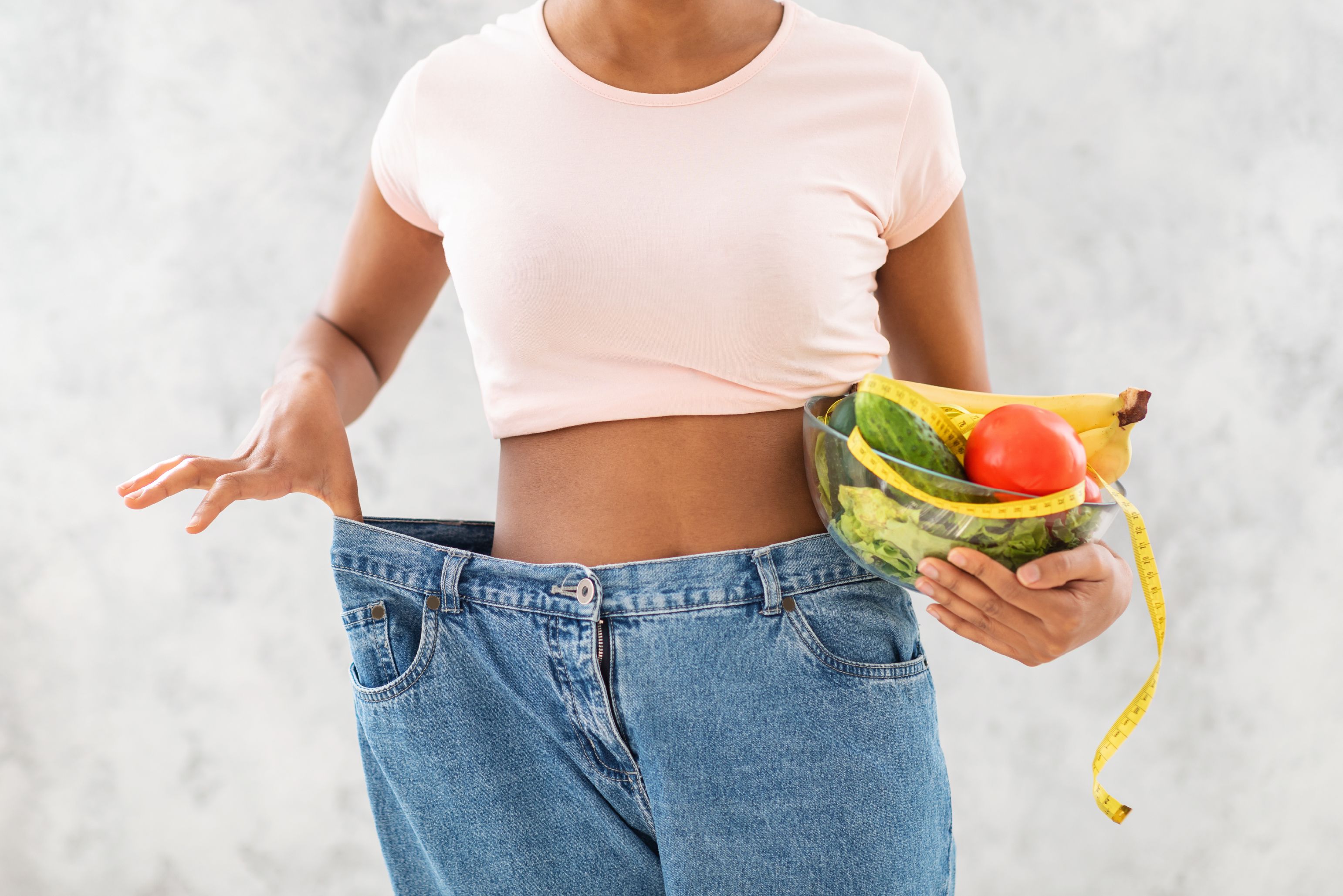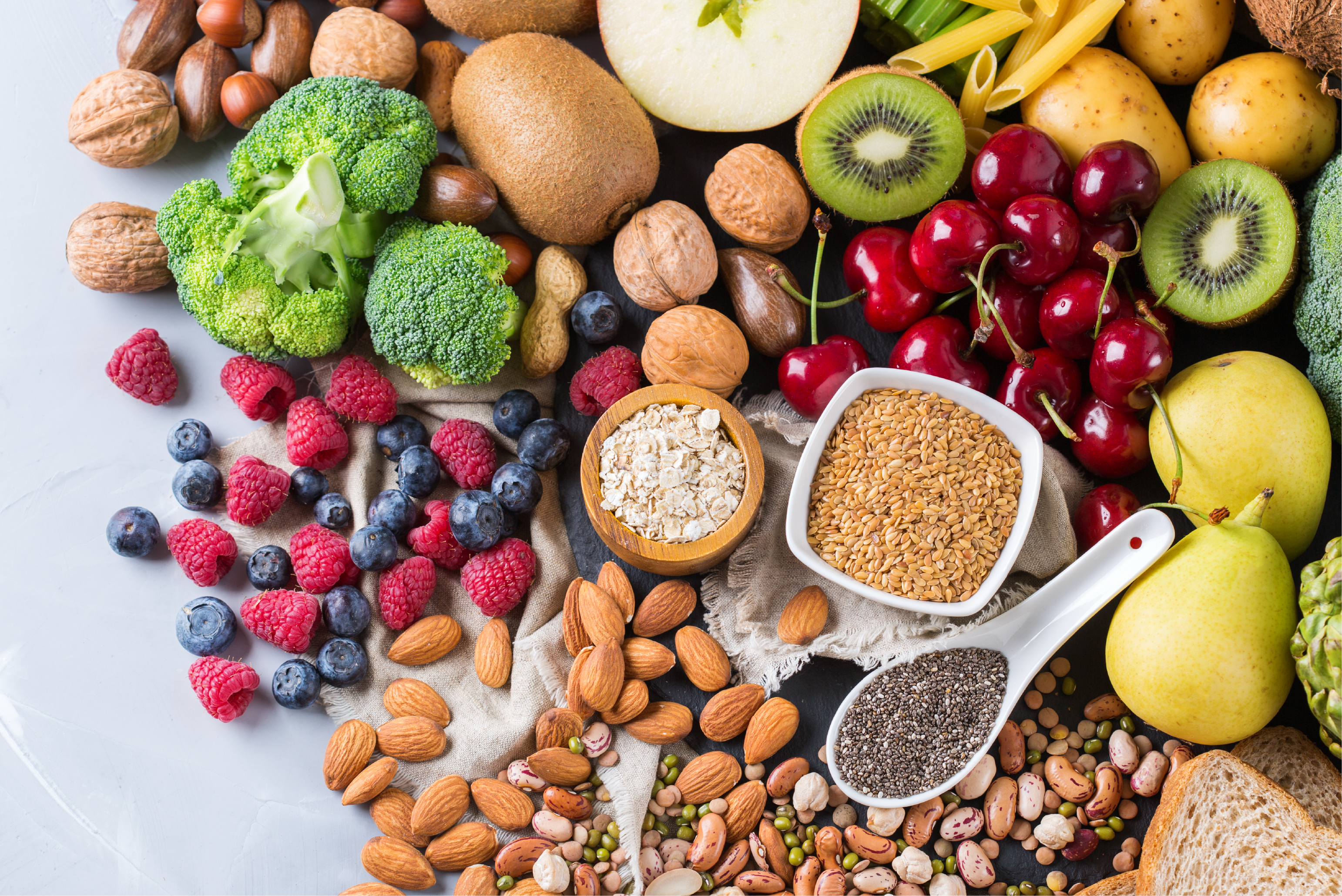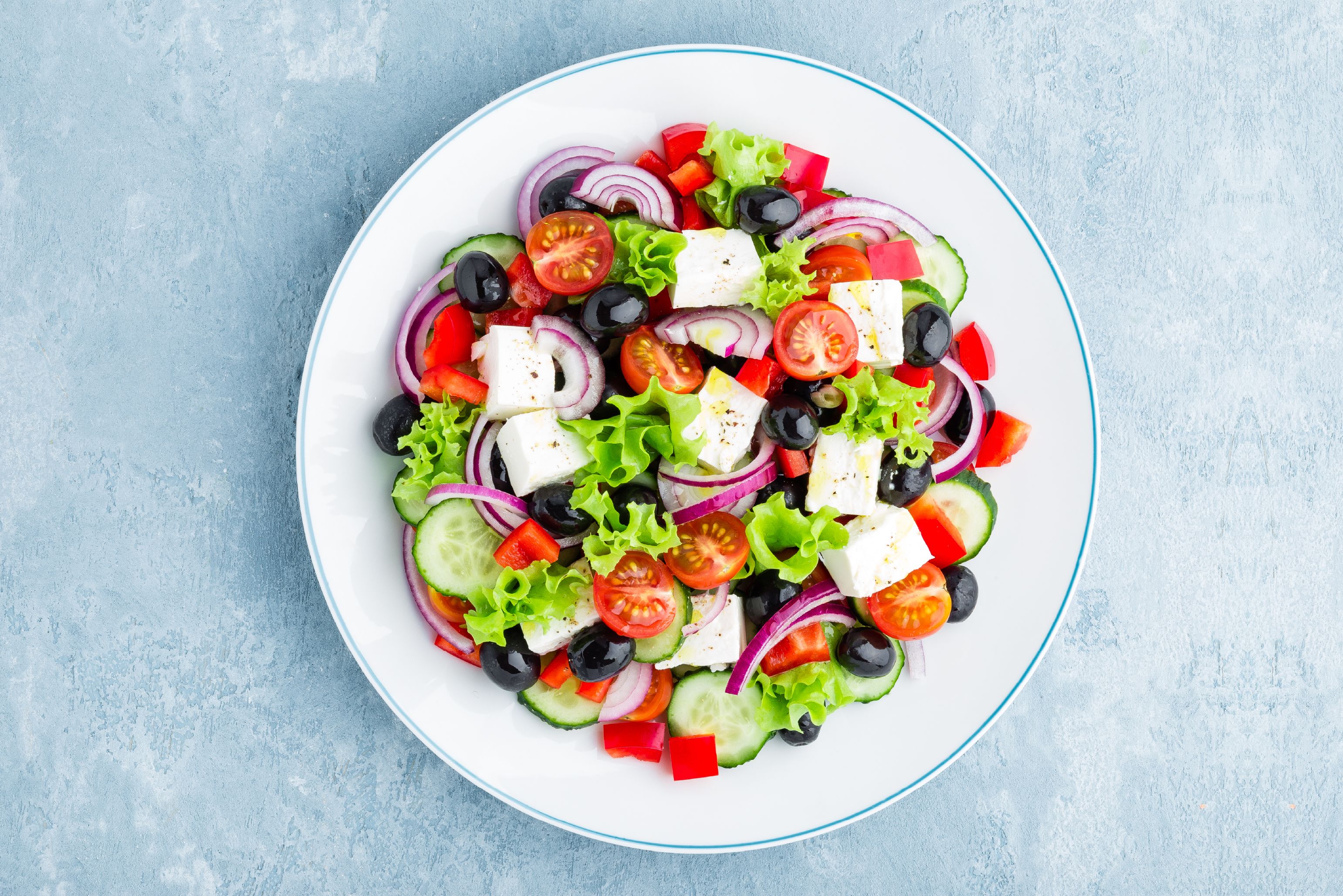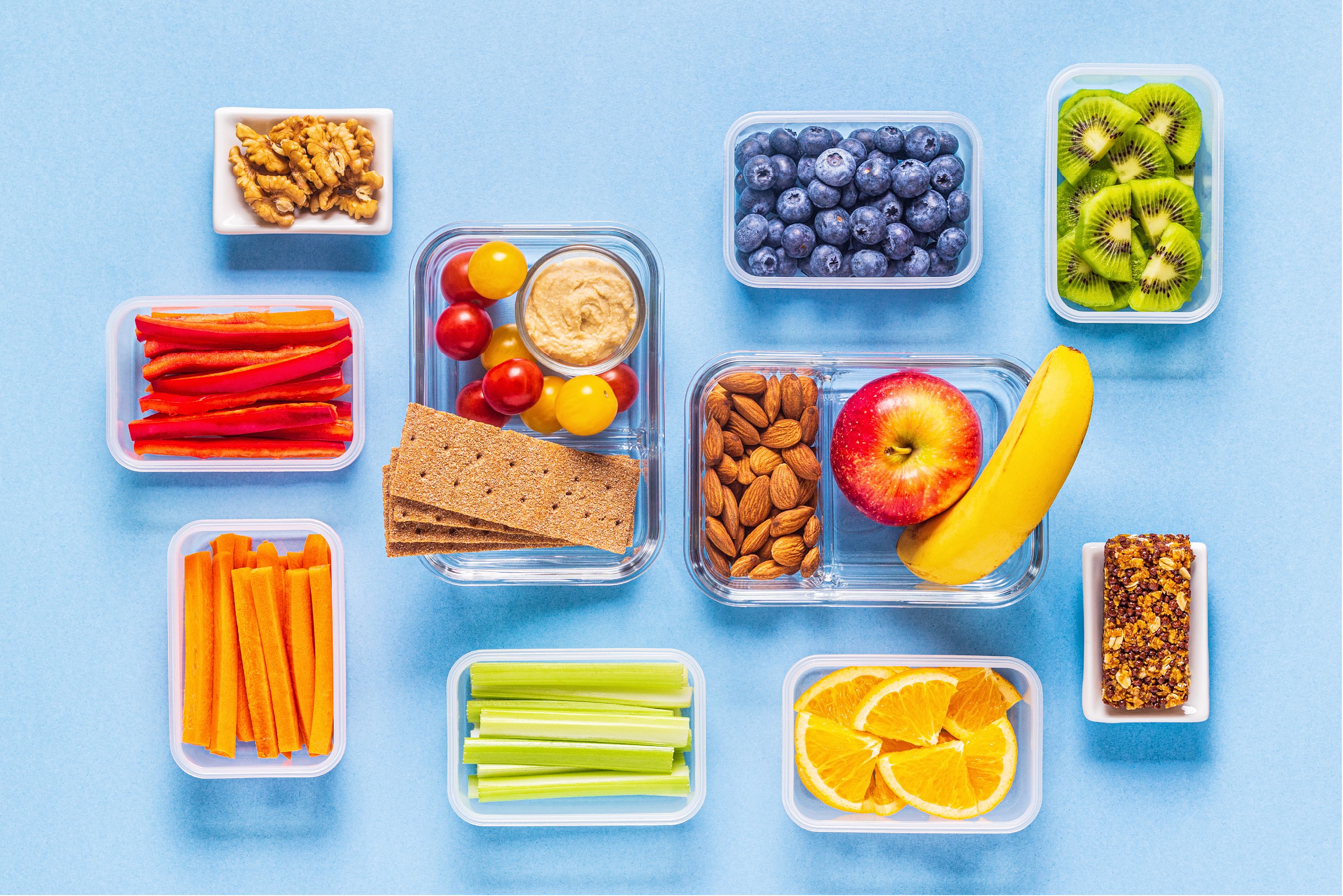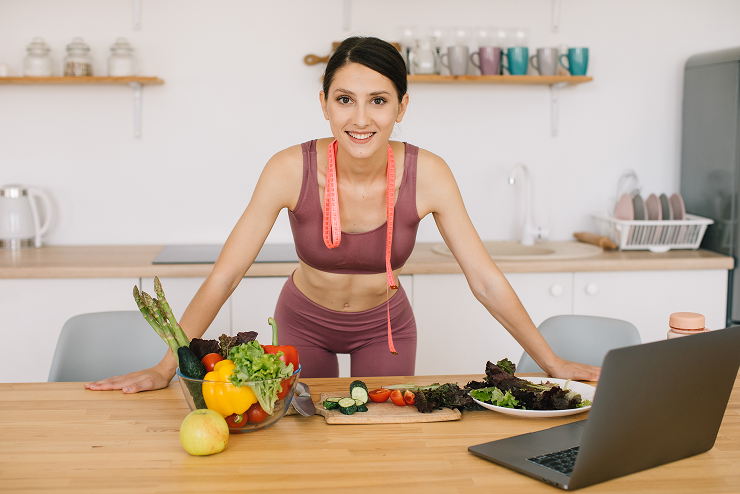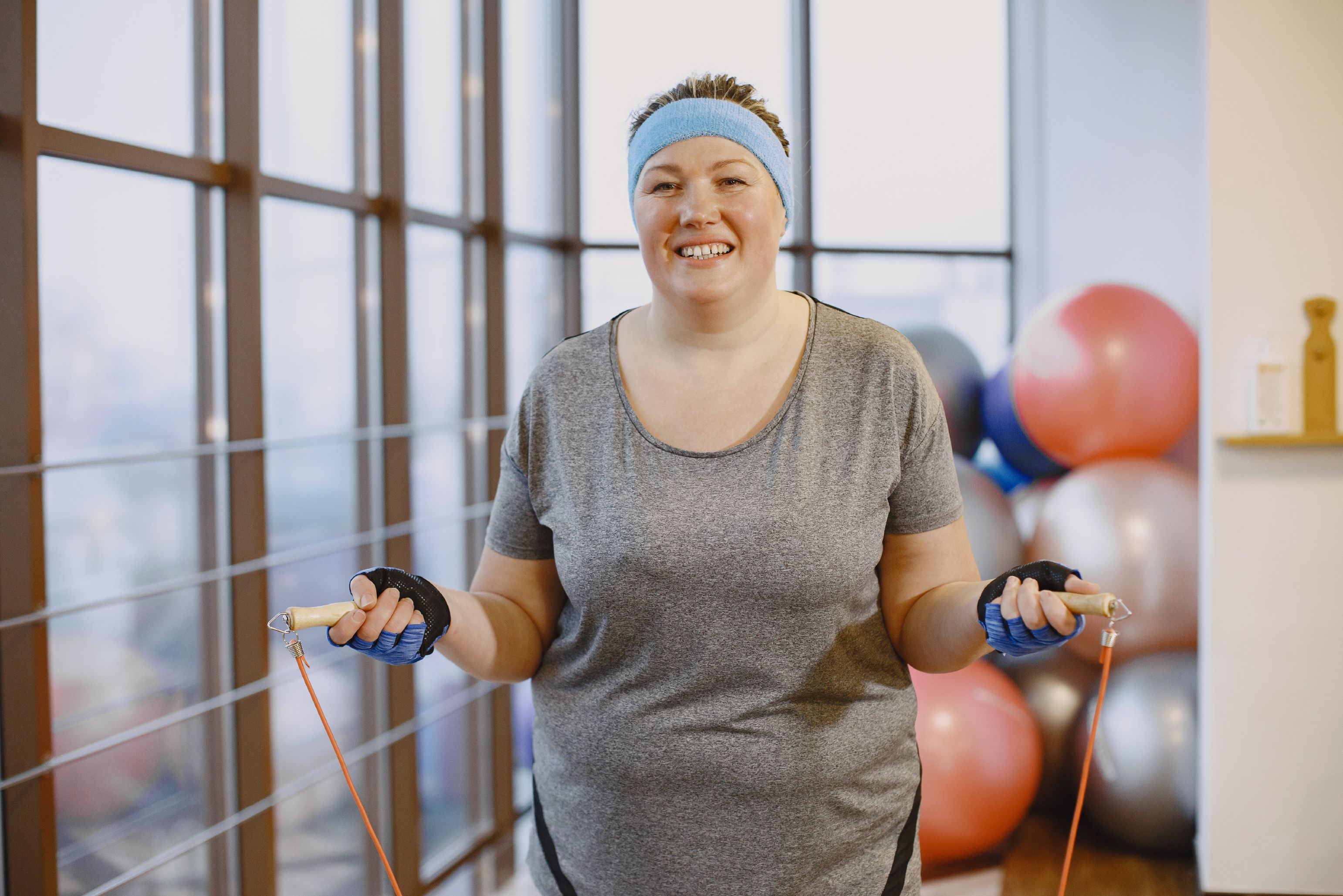
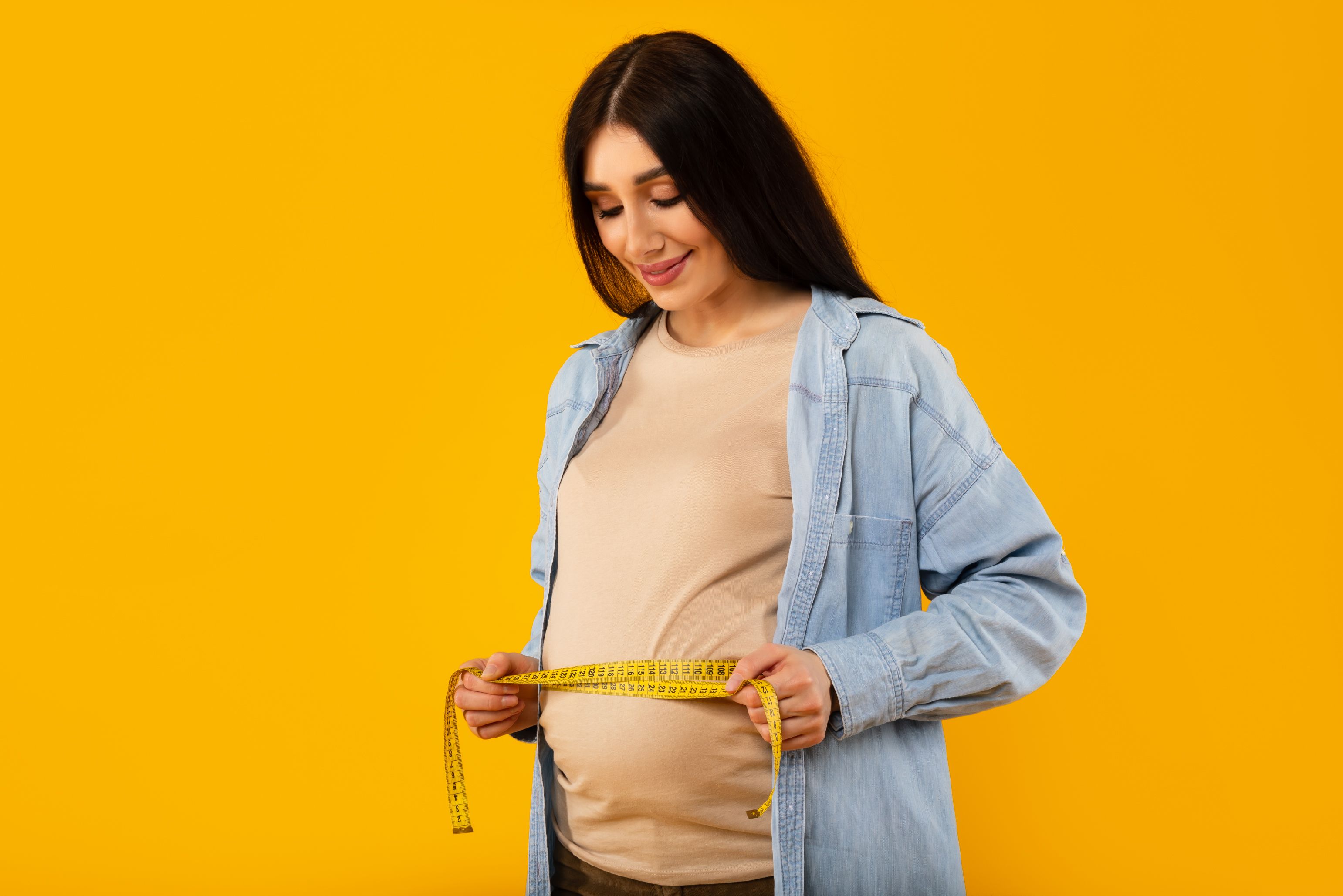
Healthy weight loss after pregnancy should focus on gradual progress rather than rapid results. A balanced diet rich in protein, fruit, vegetables, whole grains, and healthy fats can support recovery while helping manage weight in a sustainable way.
Regular movement can also support postnatal wellbeing and weight management. Activities such as walking and gentle exercise may help improve fitness, while good sleep, hydration, and consistent healthy habits can contribute to long-term success.
GLP-1
Wegovy
A weekly GLP-1 treatment proven to reduce hunger and support meaningful, long-term fat loss.
- ✔~16.9% average body weight loss
- ✔Boosts metabolic & cardiovascular health
- ✔Proven, long-established safety profile
- ✔Weekly injection, easy to use
GLP-1 / GIP
Mounjaro
Dual-agonist support that helps curb appetite, hunger, and cravings to drive substantial, sustained weight loss.
- ✔~22.5% average body weight loss
- ✔Significant weight reduction
- ✔Improves blood sugar levels
- ✔Clinically proven weight loss
Key Facts About Weight Loss After Pregnancy
- ✔Healthy postnatal weight loss should focus on gradual progress and recovery.
- ✔Most women lose some weight immediately after childbirth, with further changes occurring over time.
- ✔Hormonal changes, breastfeeding, and sleep disruption can affect weight-loss progress.
- ✔Walking, swimming, and gentle exercise can support healthy weight management.
- ✔Medical weight-loss treatments may be considered for eligible women after breastfeeding has ended.
How Much Weight Do Women Typically Lose After Giving Birth?
Many women notice an immediate reduction in body weight following childbirth. Clinical evidence indicates that women often lose around 4.5 to 6 kg (10 to 13 pounds) shortly after delivery, largely due to the weight of the baby, placenta, and amniotic fluid. Additional weight loss may occur during the following weeks as excess fluid retained during pregnancy is gradually eliminated.
However, postnatal weight loss varies from person to person and depends on factors such as pregnancy weight gain, activity levels, nutrition, sleep, and breastfeeding. While some women return to their pre-pregnancy weight within several months, others may take longer, making a gradual and sustainable approach the most appropriate way to support long-term health and wellbeing.
Why Does Weight Loss After Pregnancy Require a Different Approach?
Losing weight after having a baby is not the same as a typical weight-loss journey. During the postnatal period, the body is recovering from pregnancy and childbirth while adapting to significant hormonal, physical, and lifestyle changes. As a result, postpartum weight loss often requires a gradual, balanced approach that supports both recovery and overall wellbeing.
Hormonal Changes and Breastfeeding
Hormonal changes continue after childbirth and can affect appetite, energy levels, and how the body stores fat. Women who are breastfeeding also require additional energy to support milk production, making restrictive dieting unsuitable during this stage.
Physical Recovery After Childbirth
The body needs time to recover from pregnancy, labour, and, for some women, a caesarean birth. As fluid levels gradually return to normal, the average weight loss after birth can differ significantly from one woman to another.
Sleep Deprivation and Daily Stress
Interrupted sleep and the demands of caring for a newborn can make weight management more challenging. Poor sleep may increase hunger and fatigue, which is why gentle activity, balanced nutrition, and realistic goals are often the most effective approach.
What Are the Safest Ways to Lose Weight After Pregnancy?
Healthy weight loss after pregnancy should focus on recovery, balanced nutrition, and gradual lifestyle changes rather than rapid results. Every woman's postnatal journey is different, and sustainable habits are generally more effective than restrictive diets or intense exercise programmes.
While the average weight loss after birth varies, most women benefit from allowing their body time to recover before actively pursuing further weight loss. A steady and realistic approach can help support both physical wellbeing and long-term results.
The Right Approach to Diet
Nutrition plays an important role in postnatal recovery and weight management. Rather than following strict diets, focus on nutrient-rich foods such as lean protein, vegetables, fruit, whole grains, and healthy fats. Women who are breastfeeding may require additional energy intake, making regular meals and good hydration especially important.
Easing Into Physical Activity
Physical activity can be reintroduced gradually once it is appropriate to do so. Gentle activities such as walking, postnatal yoga, and pelvic floor exercises can help improve fitness and support healthy weight management. Before returning to high-impact exercise or heavy strength training, it is advisable to seek guidance from a healthcare professional.
Prioritising Self-Care
Sleep, rest, and emotional wellbeing can significantly influence losing weight after 40. Ongoing sleep disruption may affect appetite, energy levels, and motivation, making healthy habits more difficult to maintain. Support from family, friends, and local postnatal groups can help women stay active, connected, and focused on their recovery goals.
Can Medical Weight-Loss Treatments Be Considered After Pregnancy?
For some women, medical weight-management treatments may be considered after pregnancy when lifestyle changes alone have not achieved the desired results. However, postnatal recovery, overall health, and breastfeeding status should always be carefully assessed before any treatment is considered.
Certain weight loss injections are not recommended during pregnancy or breastfeeding. If appropriate, treatment options may be discussed with a qualified healthcare professional once breastfeeding has ended and a full medical assessment has been completed to determine suitability and support safe, sustainable weight management.
Safe and realistic weight-loss goals are often more effective than rapid approaches. Online Weight Loss Clinic explains the role of nutrition, physical activity, and medical support in long-term weight management.
What Are the Best Exercises for Weight Loss After Pregnancy?
After pregnancy, the most effective exercises are those that support recovery while gradually improving fitness. According to NHS guidance, activities such as walking with your baby, gentle postnatal exercise, swimming, and low-impact aerobic activity can help increase daily movement and support healthy weight management without placing excessive strain on the body.
As strength and confidence improve, women may gradually introduce resistance exercises using body weight or light weights to help maintain muscle mass and boost overall fitness. The key is to progress at a comfortable pace, focusing on consistency rather than intensity, while allowing the body adequate time to recover from childbirth.
Conclusion: Supporting Healthy Weight Loss After Pregnancy
Weight loss after pregnancy is a gradual process that should prioritise recovery, nutrition, physical activity, and overall wellbeing. While the average weight loss after birth varies between individuals, steady progress through healthy lifestyle habits is often the safest and most sustainable approach.
Every woman's postnatal experience is different, and there is no single timeline for reaching a desired weight. Focusing on realistic goals, allowing adequate time for recovery, and seeking professional advice when needed can help support long-term health while caring for a growing family.
GLP-1
Wegovy
A weekly GLP-1 treatment proven to reduce hunger and support meaningful, long-term fat loss.
- ✔~16.9% average body weight loss
- ✔Boosts metabolic & cardiovascular health
- ✔Proven, long-established safety profile
- ✔Weekly injection, easy to use
GLP-1 / GIP
Mounjaro
Dual-agonist support that helps curb appetite, hunger, and cravings to drive substantial, sustained weight loss.
- ✔~22.5% average body weight loss
- ✔Significant weight reduction
- ✔Improves blood sugar levels
- ✔Clinically proven weight loss
Frequently Asked Questions
How long does it take to lose pregnancy weight?
The timeframe varies considerably between women. Some may lose weight within a few months, while others may take a year or longer depending on lifestyle, breastfeeding, sleep, and overall health.
Is it safe to diet while breastfeeding?
Restrictive diets are generally not recommended while breastfeeding. A balanced diet that provides sufficient nutrients and energy is important for both maternal health and milk production.
When can I start exercising after giving birth?
Many women can begin gentle activities such as walking soon after birth, but the timing depends on individual recovery. It is advisable to follow guidance from a healthcare professional, particularly after a caesarean birth.
Does breastfeeding help with weight loss?
Breastfeeding increases energy expenditure and may support weight loss for some women. However, results vary, and breastfeeding alone does not guarantee significant weight reduction.
Why is losing weight after pregnancy often difficult?
Hormonal changes, sleep disruption, stress, and physical recovery can all affect appetite, energy levels, and weight management during the postnatal period.
What foods should I focus on after pregnancy?
A balanced diet including lean protein, vegetables, fruit, whole grains, dairy or alternatives, and healthy fats can help support recovery and healthy weight management.
Are weight loss injections suitable after pregnancy?
Some medical weight-management treatments may be considered after pregnancy following a clinical assessment. These treatments are not recommended during pregnancy or breastfeeding.
What is a realistic rate of weight loss after pregnancy?
A gradual and sustainable rate of weight loss is generally considered more appropriate than rapid weight reduction. Healthy lifestyle changes often provide the best long-term results.