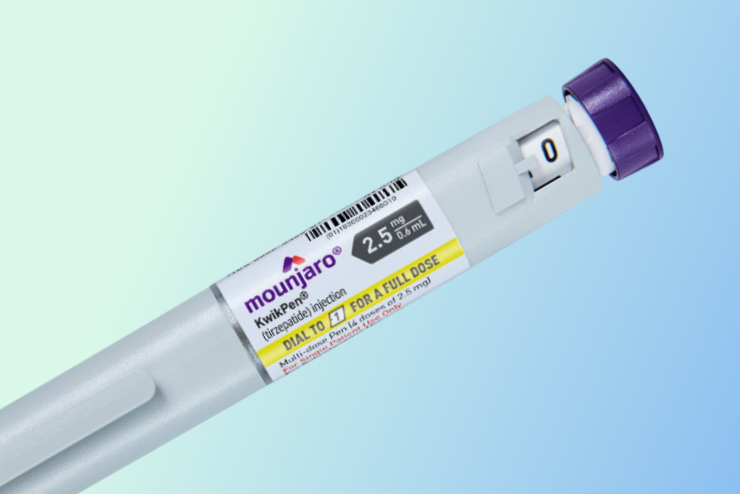

Some people taking Mounjaro notice unusual sensations in their legs, particularly at night, and wonder whether the medication is responsible. Although Mounjaro and restless legs are increasingly discussed, restless legs syndrome (RLS) is not recognised as a common side effect of tirzepatide in UK prescribing information or clinical studies.
Although symptoms may appear during treatment, they often reflect changes taking place in the body rather than the medication itself. Understanding these contributing factors can help explain why some people experience leg discomfort while using Mounjaro.
GLP-1 / GIP
Mounjaro
Dual-agonist support that helps curb appetite, hunger, and cravings to drive substantial, sustained weight loss.
- ✔~22.5% average body weight loss
- ✔Significant weight reduction
- ✔Improves blood sugar levels
- ✔Clinically proven weight loss

Key Takeaways: Eating Enough While Taking Mounjaro
- ✔Current evidence does not show that Mounjaro directly causes restless legs syndrome, but symptoms may occur due to dehydration, reduced appetite, nutritional deficiencies or underlying health conditions.
- ✔Restless legs syndrome is distinct from muscle cramps, neuropathy and circulation problems, so an accurate diagnosis is important.
- ✔Staying hydrated, eating a balanced nutrient-rich diet, remaining physically active and reviewing your treatment with a clinician may help manage symptoms.
- ✔Seek medical advice if symptoms are severe, persistent or accompanied by swelling, numbness, weakness or sudden leg pain, and do not stop Mounjaro without professional guidance.
Does Mounjaro Cause Restless Legs?
Current evidence does not show that Mounjaro injection directly causes restless legs syndrome, and Mounjaro and restless legs are not recognised as an established adverse effect in prescribing information. Although some people report symptoms after starting treatment, these reports do not confirm that the medicine is the cause.
Instead, healthcare professionals assess whether symptoms are linked to factors such as rapid weight loss, nutritional changes or underlying health conditions. Identifying the underlying cause is important, as it helps guide the most appropriate management and treatment of restless legs when needed.
What Are the Symptoms of Restless Legs Syndrome?
Restless legs syndrome (RLS) is a neurological condition that causes an uncontrollable urge to move the legs, usually because of uncomfortable sensations that develop during rest. Symptoms are often worse in the evening or at night and may improve for a short time after walking, stretching or moving the legs.
Common symptoms of restless legs syndrome include:
- A strong urge to move the legs, especially when sitting or lying down.
- Tingling, crawling, pulling, itching or aching sensations deep within the legs.
- Symptoms that become worse during the evening or at bedtime.
- Temporary relief after walking, stretching or changing position.
- Difficulty falling asleep or staying asleep because of ongoing discomfort.
RLS can occur on its own or be linked to other health conditions, including iron deficiency, kidney disease, pregnancy or peripheral nerve disorders. As several conditions can cause similar symptoms, a proper medical assessment is important to identify the contributing factor and determine the most appropriate treatment.
Why Can Restless Legs Symptoms Develop While Taking Mounjaro?
Treatment can sometimes make leg discomfort more noticeable without being the direct cause. Factors such as rapid weight loss, reduced food intake, dehydration, nutritional deficiencies, and underlying health conditions may contribute to symptoms resembling restless legs syndrome. Identifying these triggers is important for appropriate management and symptom relief.
Nutritional Shortfalls
Mounjaro commonly reduces appetite, which may lead to lower intakes of nutrients such as iron, magnesium, folate, and vitamin B12. These nutrients play an important role in healthy nerve and muscle function, and low levels may increase the likelihood of restless leg symptoms in some people, especially during rapid weight loss.
Dehydration and Electrolyte Imbalances
Nausea, vomiting, or diarrhea can reduce fluid levels and deplete essential electrolytes, including magnesium and potassium. These changes may affect normal muscle and nerve activity, contributing to Mounjaro muscle aches, cramping, or uncomfortable sensations in the legs if they are not corrected.
Reduced Calorie Intake
A significant reduction in calorie intake can temporarily affect muscle recovery and energy production while the body adapts to weight loss. Some people may experience Mounjaro aching legs or tired, heavy muscles, which can sometimes be mistaken for restless legs syndrome even though the contributing factor is different.
Existing Health Conditions
People with existing restless legs syndrome, diabetic neuropathy, poor circulation, kidney disease, or iron deficiency may notice symptoms becoming more noticeable during treatment. In these cases, Mounjaro may coincide with the symptoms rather than directly causing them.
Other Medications
Some medicines taken alongside Mounjaro, including certain sedating antihistamines or medications used for nausea or sleep, may trigger or worsen restless leg symptoms in susceptible individuals. Reviewing all prescription medicines, over-the-counter products, and supplements with a clinicianl can help identify contributing factors and guide the most appropriate treatment for restless legs.
Is It Restless Legs Syndrome or Another Leg Condition?
Not all leg discomfort has the same cause. While Mounjaro and restless legs are sometimes linked, symptoms may also result from muscle cramps, nerve problems, poor circulation, or even injection-site discomfort. Knowing how these conditions differ can help ensure the right diagnosis and treatment.
- Restless Legs Syndrome (RLS): It causes an irresistible urge to move the legs, often with crawling, pulling, or tingling sensations. Symptoms usually begin during rest, become worse in the evening, and improve temporarily with movement.
- Muscle Cramps: Muscle cramps cause sudden, painful tightening of the muscles rather than an urge to move. They can occur at any time and usually improve after gently stretching the affected muscle.
- Peripheral Neuropathy: Peripheral neuropathy commonly causes burning, numbness, or sharp shooting pain that remains present throughout the day. Unlike RLS, moving the legs does not usually relieve the discomfort.
- Poor Circulation: Poor circulation or vein problems often cause heavy, aching, or throbbing legs after prolonged standing or sitting. Elevating the legs or walking may help reduce these symptoms.
- Injection-Site Discomfort: An injection given in the thigh may occasionally cause temporary soreness or localized Mounjaro leg pain near the injection site. This discomfort is usually limited to the area of the injection and does not cause the urge to move the legs.
- When It's Not RLS: Seek medical advice if leg symptoms are persistent or occur with significant swelling, redness, warmth, severe weakness, loss of sensation, or sudden pain. These signs may indicate a condition other than RLS and should be assessed promptly.
Persistent leg discomfort while taking Mounjaro should be assessed by a clinician. An online consultation can help identify the cause and recommend appropriate treatment.
How Can You Manage Restless Legs Symptoms While Taking Mounjaro?
Managing Mounjaro and restless legs often involves addressing factors such as hydration, nutrition, daily habits, and sleep rather than assuming the medication is solely responsible. Simple lifestyle measures may help reduce discomfort, while persistent symptoms should be assessed through a clinical review.
Stay Hydrated
Drink enough water throughout the day, particularly if nausea, vomiting, or diarrhoea causes fluid loss. Staying hydrated supports normal nerve and muscle function and may reduce leg discomfort. If dehydration is significant, a clinician may recommend replacing lost electrolytes to help restore normal body function.
Eat a Nutrient-Rich Diet
Reduced appetite while taking Mounjaro can make it harder to meet your nutritional needs. Aim to eat enough protein and foods rich in iron, magnesium, folate, and vitamin B12. If a nutritional deficiency is suspected, blood tests and appropriate dietary advice or supplements may be recommended.
Stretch and Stay Active
Regular movement can help relieve leg discomfort and improve circulation. Gentle stretching, light exercise, or a short walk before bedtime may reduce symptoms, while avoiding long periods of sitting can prevent stiffness. Choose activities that feel comfortable and avoid overexertion if your legs are sore or fatigued.
Improve Your Sleep Routine
Following a consistent sleep schedule may help reduce nighttime symptoms. Keep your bedroom cool, quiet, and comfortable, and avoid screens before bed where possible. Good sleep habits can improve sleep quality and lessen the impact of restless legs syndrome on your overall wellbeing.
Avoid Evening Triggers
Caffeine, alcohol, and nicotine may worsen restless leg symptoms in some people, particularly later in the day. Limiting these triggers during the evening may improve comfort at night. Keeping a symptom diary can also help identify habits or foods that make symptoms worse.
Review Your Medications
Some prescription medicines and over-the-counter products, including certain antihistamines and sleep aids, may contribute to restless leg symptoms. Discuss your medicines and supplements with your prescriber to identify possible triggers and confirm they remain appropriate alongside your current treatment.
Don't Stop Mounjaro Without Medical Advice
If symptoms continue despite lifestyle changes, arrange a medication review before making any changes to your treatment. Your clinician can investigate contributing factors, recommend the most appropriate treatment for restless legs, and decide whether your treatment plan needs to be adjusted safely.
When Should You Speak to a Healthcare Professional?
Seek medical advice if you experience any of the following:
- Severe or worsening leg symptoms that do not improve with self-care.
- Frequent sleep disruption caused by ongoing leg discomfort or restlessness.
- Persistent numbness, weakness, or loss of sensation in one or both legs.
- Sudden swelling or pain in one leg, especially if it develops without an obvious cause.
- Redness, warmth, or fever, which may indicate an infection or another condition requiring prompt assessment.
- Sudden, severe leg pain or difficulty walking, which should be assessed urgently.
Your healthcare provider can determine what's driving the symptoms, such as nutritional deficiencies, nerve disorders, or circulation problems, and determine whether further tests or changes to your treatment are needed. Do not stop or adjust Mounjaro without medical advice. If you need ongoing support, Online Weight Loss Clinic can help ensure your treatment remains safe, effective, and tailored to your individual weight loss journey.
Conclusion: Mounjaro and Restless Legs
Living with Mounjaro and restless legs can be frustrating, but understanding what may influence these symptoms allows for a more informed and balanced approach to treatment. Paying attention to your nutrition, hydration, lifestyle, and overall health can make it easier to recognise changes that may require further assessment.
Taking a proactive approach throughout your weight loss journey can help support both symptom control and long-term treatment success. Monitoring how your body responds over time and addressing concerns promptly can help you continue treatment with greater confidence.
GLP-1
Wegovy
A weekly GLP-1 treatment proven to reduce hunger and support meaningful, long-term fat loss.
- ✔~16.9% average body weight loss
- ✔Boosts metabolic & cardiovascular health
- ✔Proven, long-established safety profile
- ✔Weekly injection, easy to use
GLP-1 / GIP
Mounjaro
Dual-agonist support that helps curb appetite, hunger, and cravings to drive substantial, sustained weight loss.
- ✔~22.5% average body weight loss
- ✔Significant weight reduction
- ✔Improves blood sugar levels
- ✔Clinically proven weight loss
FAQs About Mounjaro and Restless Legs
Can restless legs start after increasing your Mounjaro dose?
Some people notice leg symptoms after increasing their Mounjaro dose. This does not confirm the medication is the cause, as changes in appetite, hydration, and nutrient intake during dose escalation may also contribute.
Are restless legs more common at night while taking Mounjaro?
Yes. Restless legs syndrome naturally becomes more noticeable during the evening and at night, regardless of whether you are taking Mounjaro. Night-time symptoms often reflect the typical pattern of RLS rather than the timing of your injection.
Can dehydration from Mounjaro make restless legs worse?
Yes. Fluid loss from nausea, vomiting, or diarrhoea may affect muscle and nerve function, making leg discomfort worse. Staying hydrated and replacing electrolytes when needed may help relieve symptoms.
Should I change my Mounjaro injection site if I have leg discomfort?
Changing your injection site is unlikely to improve restless legs syndrome. However, rotating injection sites may help reduce local soreness or irritation after an injection.
Can iron supplements help restless legs while taking Mounjaro?
Iron supplements may help if an iron deficiency is confirmed. As Mounjaro can reduce appetite and food intake, some people may develop low iron levels. However, supplements should only be taken following appropriate assessment, as unnecessary iron is unlikely to relieve symptoms and may cause side effects.
How long do restless leg symptoms last while taking Mounjaro?
It depends on the cause. Symptoms related to dehydration or nutritional changes may improve once corrected, while other causes may require further assessment and treatment.
Can you continue taking Mounjaro if you develop restless legs?
In many cases, yes. Restless leg symptoms do not usually require stopping Mounjaro, but a clinician can determine whether your treatment plan needs reviewing.
Can weight loss itself trigger restless leg symptoms?
Rapid weight loss may contribute to nutritional deficiencies and metabolic changes that affect nerve and muscle function. Maintaining good nutrition and hydration may help reduce this risk.