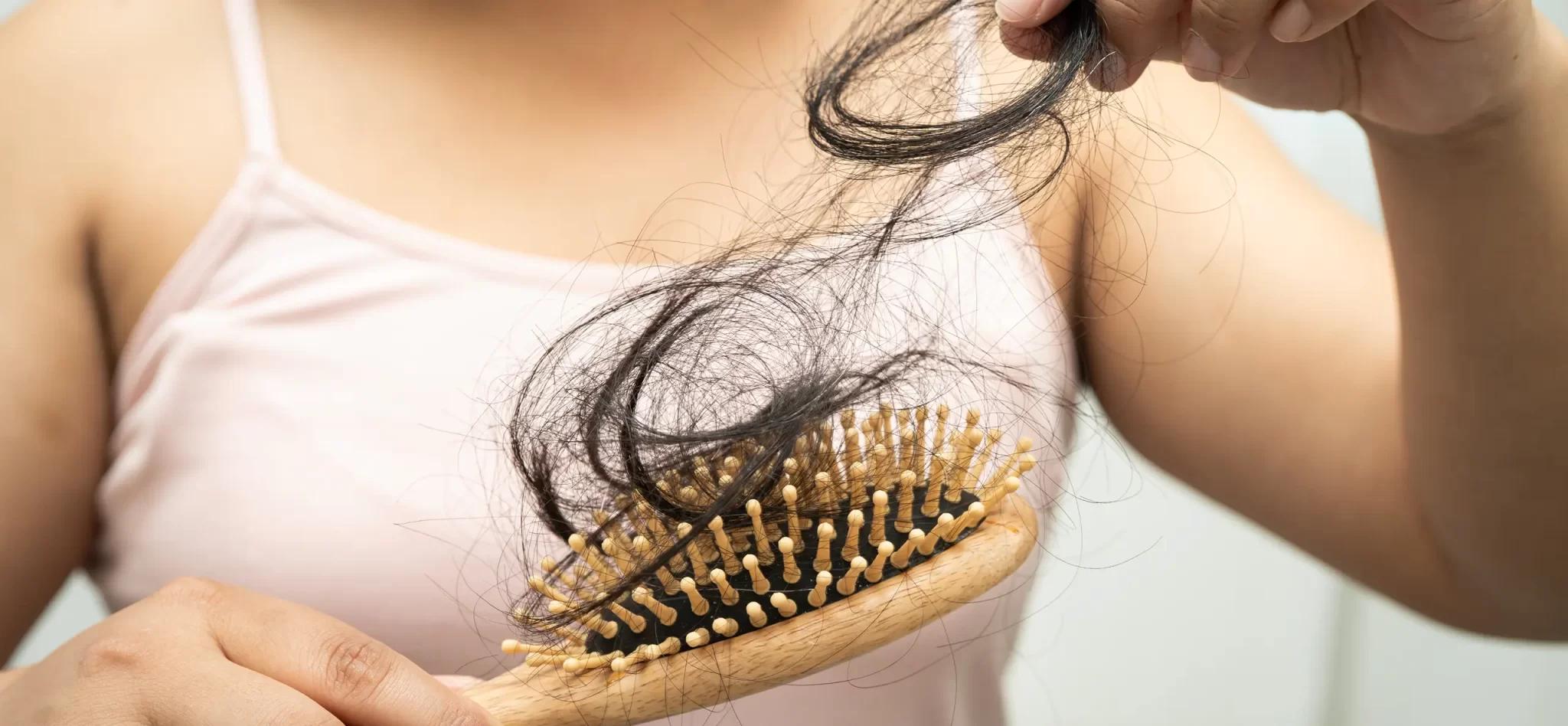
Hair loss with Mounjaro is not caused by damage to the hair follicles. Instead, temporary hair shedding may occur during rapid weight loss as the body responds to physical stress or reduced nutrient intake rather than the treatment itself.
For people using weight loss injection Mounjaro temporary hair shedding often improves as the body adapts to treatment. Following a balanced diet, meeting your nutritional needs and using the medication exactly as prescribed can help support healthy hair growth throughout your weight loss journey.
GLP-1 / GIP
Mounjaro
Dual-agonist support that helps curb appetite, hunger, and cravings to drive substantial, sustained weight loss.
- ✔~22.5% average body weight loss
- ✔Significant weight reduction
- ✔Improves blood sugar levels
- ✔Clinically proven weight loss
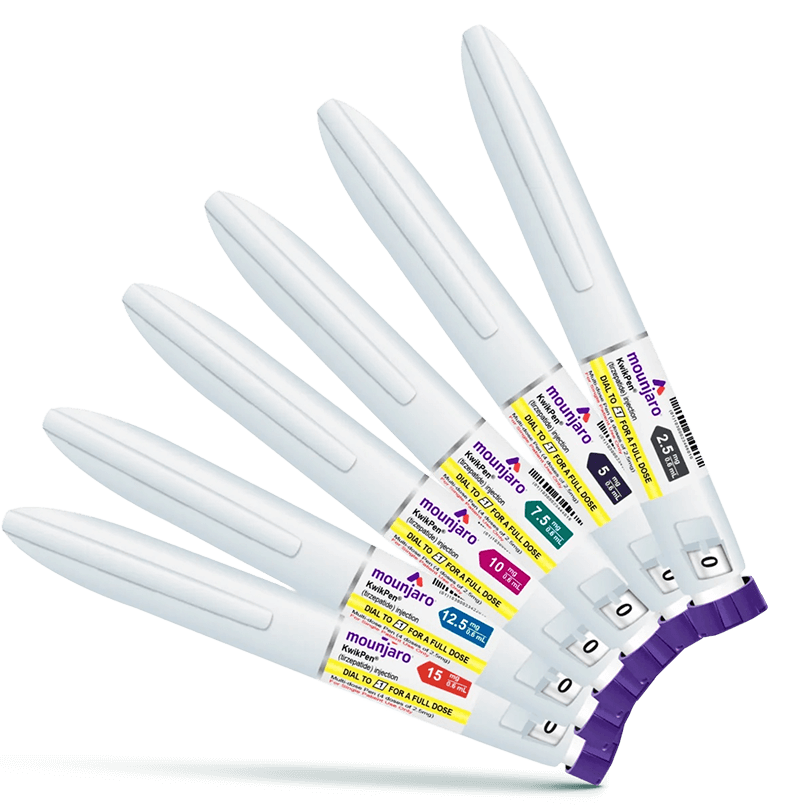
Key Insights on Mounjaro and Temporary Hair Loss
- ✔Hair shedding during Mounjaro treatment is usually temporary and is more commonly linked to rapid weight loss than the medication itself.
- ✔Maintaining adequate protein, vitamins and minerals can help support healthy hair growth throughout your weight loss journey.
- ✔Most people notice improvement within a few months as their weight, metabolism and nutritional intake become more stable.
- ✔Gradual, sustainable weight loss combined with healthy lifestyle habits may reduce the likelihood of temporary hair thinning.
- ✔If hair loss becomes persistent or concerning, a clinical review can help identify any underlying nutritional or medical factors.
What is Mounjaro Injection and How It Works
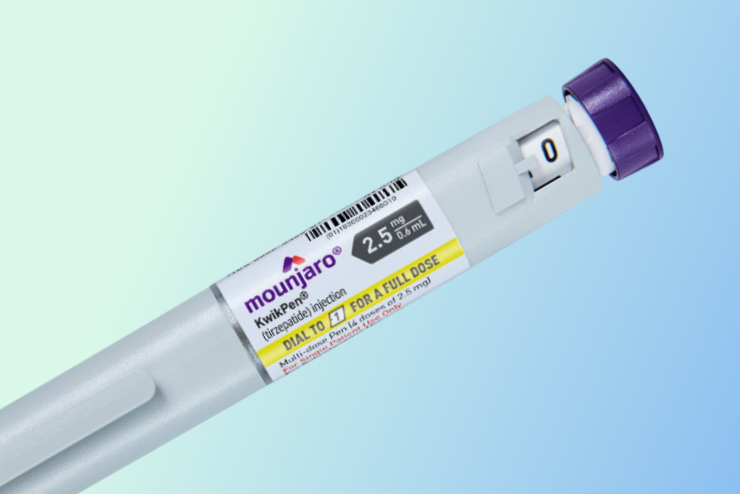
Mounjaro for weight loss is a clinically approved medication containing tirzepatide, offered to adults with obesity or overweight as part of a structured weight-management plan. It acts by stimulating the same gut hormones (GIP and GLP-1) that help control hunger, steady digestion, and signal fullness more quickly.
As a prescribed option, the weight loss injection Mounjaro is usually paired with guidance on nutrition and physical activity, as weight management works best when medication is supported by healthy daily routines.
Used responsibly, it may help reduce calorie intake, support fat loss, and improve metabolic markers. However, as with many potent treatments, it requires careful monitoring and a holistic approach.
Does Mounjaro Pen Cause Hair Loss?
Hair loss can occur while using Mounjaro for weight management and is recognised as a common side effect that may affect up to 1 in 10 people. Clinical studies have reported hair loss in around 4.9% to 5.7% of people receiving tirzepatide at doses of 5 mg, 10 mg and 15 mg.
Current evidence suggests that the treatment is unlikely to damage hair follicles directly. Instead, rapid weight loss can place temporary stress on the body, disrupting the normal hair growth cycle and leading to increased shedding. In most cases, this is temporary and hair growth gradually returns as weight and nutritional intake stabilise.
Why Mounjaro Might Be Linked to Hair Loss
Although Mounjaro and hair loss are sometimes linked, the treatment does not directly damage hair follicles. Temporary hair shedding is more commonly associated with rapid weight loss, reduced calorie intake and the body's natural response to these changes, rather than the medicine itself.
- Hair loss with Mounjaro is often linked to telogen effluvium, a temporary condition where more hairs than usual enter the resting phase after significant weight loss or physical stress.
- Reduced food intake during treatment may lower protein, iron, zinc and other nutrients needed to support normal hair growth and healthy follicles.
- Rapid changes in metabolism and the physical demands of losing weight can temporarily interrupt the normal hair growth cycle, leading to hair thinning on Mounjaro.
- In most cases, this type of hair shedding is temporary and gradually improves within a few months as your weight, nutrition and overall health become more stable.
- Eating enough protein, following a balanced diet and speaking with your clinician if you are concerned about nutrient intake can help support healthy hair growth during treatment.
Need personalised advice? If you are concerned about hair changes during treatment, booking a Mounjaro online consultation allows a qualified clinician to review your progress, discuss possible causes and provide guidance tailored to your individual treatment plan.
Benefits of Mounjaro for Weight Loss (Scientifically Supported)
Despite the hair-loss concern, many benefits of Mounjaro injection uk remain well-documented:
- Significant reductions in body weight, especially fat mass, when combined with lifestyle changes.
- Improvement in blood sugar control and metabolic markers in people with type 2 diabetes or pre-diabetes.
- Appetite reduction leading to easier calorie control, which may support long-term weight management.
- Potential improvement in cardiovascular risk factors (blood pressure, cholesterol) in some users.
These benefits underscore why many choose this weight loss injection Mounjaro, provided it’s managed responsibly.
Potential Side Effects Related to Hair Loss
Even though direct research linking Mounjaro weight loss in the UK and hair loss is limited, several risks merit attention:
- Telogen effluvium: triggered by rapid weight loss, nutrient deficiency or stress may cause diffuse hair thinning.
- Protein and micronutrient deficiencies: If the diet is inadequate, especially during appetite suppression.
- Metabolic stress: It is caused by rapid fat loss, hormonal and digestive changes.
- Emotional stress and body-image worries: They lead to sleep disruption or increased cortisol.
- Delayed hair growth cycle: Even once shedding slows, regrowth may take months.
It’s important to stress: these are possible side-effects, not certain outcomes. Many people complete treatment without noticeable hair changes.
What to Do if You Notice Hair Loss on Mounjaro?
If you notice hair shedding while using weight loss injection Mounjaro, it is usually temporary and often improves as your body adjusts to treatment and your weight stabilises. For most people, normal hair growth gradually returns over time without the need to stop treatment.
There are practical steps you can take to support healthy hair growth while continuing your treatment safely. Eating a balanced diet, getting enough protein and essential nutrients, staying well hydrated and following your clinician's advice can help reduce the risk of ongoing hair shedding and support your overall weight loss journey.
Who Is More Likely to Experience Hair Loss on Mounjaro?
Hair thinning during Mounjaro weight loss programmes seems more common in people who:
- Lose weight very rapidly (> 1 kg per week on average)
- Follow low-calorie or micronutrient-poor diets
- Already had fragile or thinning hair before starting treatment
- Have thyroid issues, iron deficiency or other metabolic/hormonal imbalances
- Face high stress levels or suffer from poor sleep
- Do not supplement with adequate protein, vitamins or minerals
Being aware of these risk factors helps you adjust your plan accordingly.
Practical Tips to Prevent or Reduce Hair Loss
If you choose the weight loss injection Mounjaro, here are practical ways to protect your hair:
- Ensure sufficient protein intake, aim for 1.0–1.5 g per kg body weight daily.
- Support with iron, zinc, biotin, B-vitamins and vitamin D.
- Stay hydrated; dehydration can impair hair follicle health.
- Maintain gentle physical activity, avoid extreme dieting or over-exercise.
- Use scalp care by using gentle shampoo, avoiding harsh treatments, and reducing heat styling.
- Manage stress & sleep, as restful sleep and stress reduction help maintain healthy hair cycles.
- Monitor gradual weight loss and avoid extreme calorie restriction where possible.
These simple steps can go a long way in reducing hair-loss risk, while still supporting fat loss.
Want to protect your hair while continuing your weight loss journey? Online Weight Loss Clinic offers clinician-led support to help you manage treatment safely while maintaining healthy lifestyle and dietary habits.
Conclusion: Supporting Healthy Weight Loss and Hair Health
Using weight loss injection Mounjaro can be an effective way to support long-term weight management when combined with a balanced diet and regular physical activity. Although some people may notice temporary hair shedding, this is usually linked to rapid weight loss and nutritional changes rather than damage caused by the medication itself.
Most cases of hair shedding improve as your weight, nutrition and overall health stabilise. Following your prescribed treatment plan, eating enough protein and essential nutrients, and seeking advice from your clinician if symptoms persist can help support healthy hair growth while keeping your weight loss journey on track.
GLP-1
Wegovy
A weekly GLP-1 treatment proven to reduce hunger and support meaningful, long-term fat loss.
- ✔~16.9% average body weight loss
- ✔Boosts metabolic & cardiovascular health
- ✔Proven, long-established safety profile
- ✔Weekly injection, easy to use
GLP-1 / GIP
Mounjaro
Dual-agonist support that helps curb appetite, hunger, and cravings to drive substantial, sustained weight loss.
- ✔~22.5% average body weight loss
- ✔Significant weight reduction
- ✔Improves blood sugar levels
- ✔Clinically proven weight loss
FAQs
Can Mounjaro cause hair loss?
Yes, hair loss can occur while using Mounjaro and is recognised as a common side effect for some people. However, current evidence suggests it is usually related to rapid weight loss, nutritional changes and temporary stress on the body rather than the medication directly damaging hair follicles.
Is hair loss a side effect of Mounjaro?
Yes. Hair loss is listed as a common side effect of Mounjaro used for weight management. It is generally temporary and often improves as your body adapts to treatment and your weight and nutritional intake become more stable.
How do I stop hair thinning on Mounjaro?
Hair thinning on Mounjaro is commonly linked to temporary telogen effluvium caused by rapid weight loss or reduced nutrient intake. Eating enough protein, maintaining a balanced diet, staying hydrated and treating your hair gently can help support healthy hair growth while your body recovers.
How many people experience hair loss on Mounjaro?
Clinical studies reported hair loss in around 4.9% to 5.7% of people taking tirzepatide for weight management. Product information also states that hair loss may affect up to 1 in 10 people, although not everyone will experience this side effect.
How long does hair loss last after stopping Mounjaro?
For most people, hair shedding gradually improves within three to six months once weight, nutrition and metabolism stabilise. Hair growth usually returns naturally over time, although recovery can vary from person to person.
Should I stop taking Mounjaro if my hair is thinning?
Do not stop taking Mounjaro without speaking to your prescribing clinician. If you experience noticeable hair thinning, your clinician can assess possible causes, review your nutritional intake and advise whether any changes to your treatment plan are needed.
Can taking vitamins help reduce hair loss on Mounjaro?
If hair shedding is linked to nutritional deficiencies, correcting low levels of nutrients such as protein, iron, zinc or vitamin D may help support healthy hair growth. Speak to your clinician before starting supplements to ensure they are appropriate for your individual needs.
When should I seek medical advice about hair loss on Mounjaro?
You should contact your clinician if your hair loss is severe, continues for several months, occurs in patches, or is accompanied by other symptoms such as fatigue, unexpected weight changes or signs of nutritional deficiency. A clinical assessment can help identify the underlying cause and recommend appropriate management.
References:
https://www.nhs.uk/conditions/obesity/treatment/
https://my.clevelandclinic.org/health/diseases/24486-telogen-effluvium
https://jamanetwork.com/journals/jamainternalmedicine/fullarticle/2836527