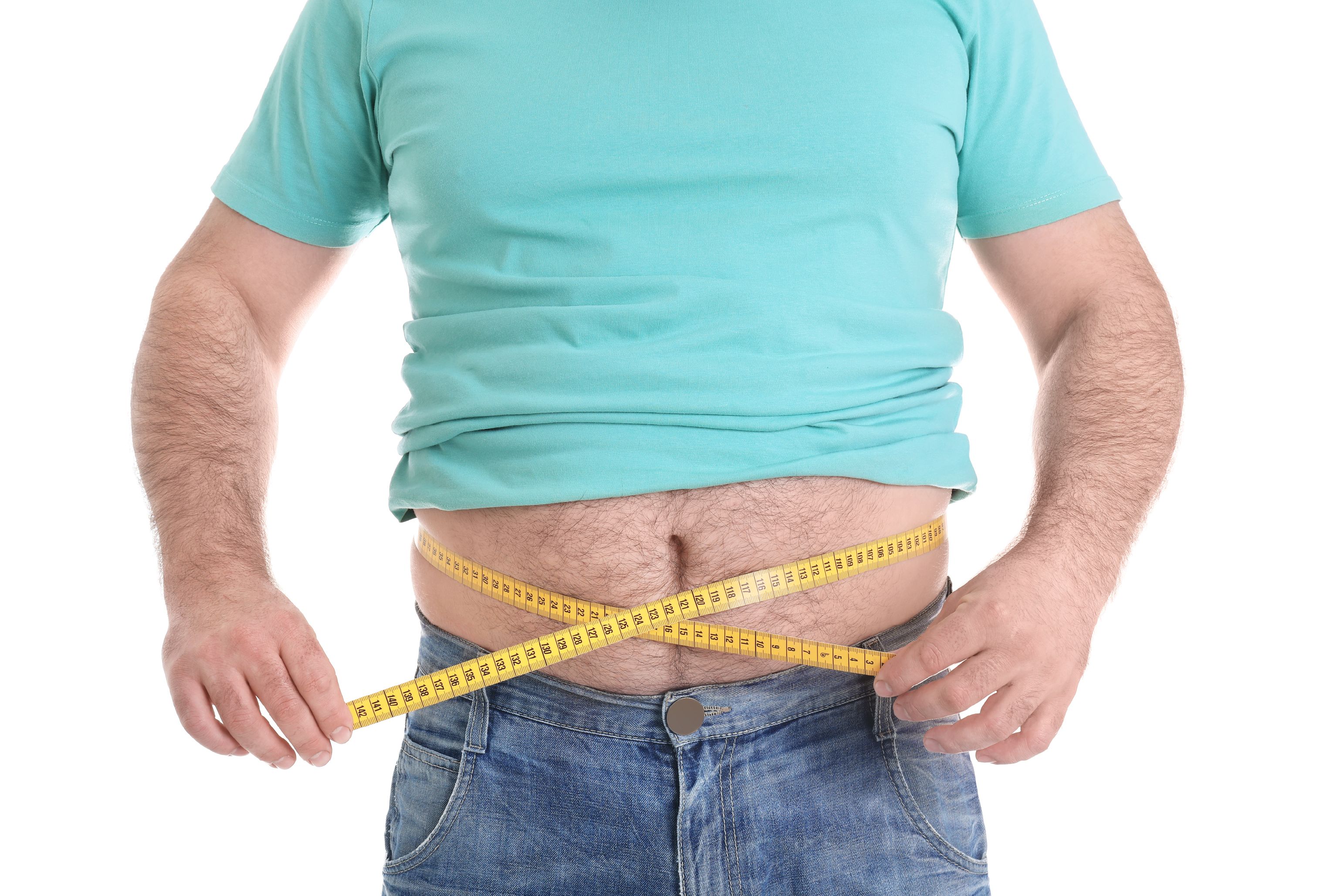

Understanding the average weight of men in the UK can provide valuable insight into wider health patterns across the population. Recent statistics show that the average adult man weighs approximately 86.2 kg (13.6 stone), a figure that has steadily increased over the past twenty years.
The average male height in the UK is around 176 cm (5 ft 9 in). However, weight alone does not determine overall health, as factors such as fitness, body composition, and medical history also play an important role.
How Does the Average Weight of Men Vary by Age?
Average weight tends to change throughout adulthood, with many men gaining weight during middle age before gradually losing weight in later years. Studies show that average male weight increases from around 188.6 pounds (85.5 kg) among men aged 20 to 29 to approximately 208.1 pounds (94.4 kg) in those aged 30 to 39, remaining relatively high through the 50s and 60s.
As men get older, average weight typically begins to decline. This trend is often linked to changes in metabolism, muscle mass, physical activity, and overall health. While age-related weight patterns are common, maintaining a healthy weight remains important at every stage of life.
GLP-1
Wegovy
A weekly GLP-1 treatment proven to reduce hunger and support meaningful, long-term fat loss.
- ✔~16.9% average body weight loss
- ✔Boosts metabolic & cardiovascular health
- ✔Proven, long-established safety profile
- ✔Weekly injection, easy to use
GLP-1 / GIP
Mounjaro
Dual-agonist support that helps curb appetite, hunger, and cravings to drive substantial, sustained weight loss.
- ✔~22.5% average body weight loss
- ✔Significant weight reduction
- ✔Improves blood sugar levels
- ✔Clinically proven weight loss
Key Insights Into Men's Weight and Long-Term Health
- ✔The average man in the UK weighs around 86.2 kg, although healthy weight varies between individuals.
- ✔Weight often increases during middle age before gradually declining in later life.
- ✔Excess weight can raise the risk of heart disease, Type 2 diabetes, and other health conditions.
- ✔Losing 5% to 10% of body weight may lead to meaningful improvements in overall health.
- ✔Sustainable habits and appropriate clinical support can help support long-term weight management.
What Factors Influence Weight Gain in Men?
The average weight of men in the UK has increased significantly over the past few decades, rising from approximately 78.9 kg to more than 86 kg. While average male height has remained largely unchanged, shifts in lifestyle, eating habits, and wider social factors have contributed to a growing gap between calorie intake and daily energy expenditure.
Reduced Physical Activity in Modern Life
Many men spend much of the day sitting at desks, travelling by car, or using digital devices. Lower levels of everyday movement can reduce calorie burn and contribute to gradual weight gain over time.
Changes in Eating Habits and Food Availability
Larger portion sizes, convenience meals, and frequent takeaway consumption have increased overall calorie intake. Many highly processed foods are also rich in calories, fat, and sugar while offering limited nutritional value.
The Impact of Social and Economic Circumstances
Weight management can be more difficult in some communities due to limited access to affordable healthy foods, exercise facilities, and health support services. These factors can influence long-term lifestyle choices and overall health outcomes.
What Health Risks Can Excess Weight Create for Men?
Carrying excess weight can affect several aspects of men's physical and mental health. Many of the common side effects of being overweight develop gradually and may increase the risk of long-term health conditions, particularly when excess weight is carried around the abdomen.
- Sexual and Reproductive Health: Excess weight can affect hormone levels, circulation, and reproductive health, potentially contributing to reduced libido, erectile dysfunction, and lower fertility.
- Heart and Blood Pressure Health: Additional body weight can place extra strain on the heart and blood vessels, increasing the risk of high blood pressure, raised cholesterol, and cardiovascular disease.
- Type 2 Diabetes: Excess body fat may reduce the body's ability to use insulin effectively, increasing the likelihood of developing Type 2 diabetes.
- Joint and Mobility Health: Extra weight places greater pressure on the knees, hips, and lower back, which can contribute to discomfort, stiffness, and reduced mobility.
- Sleep and Energy Levels: Men living with overweight or obesity are at greater risk of sleep apnoea, a condition that can disrupt sleep and lead to daytime tiredness and fatigue.
- Mental Wellbeing: The emotional effects of obesity can include lower self-confidence, increased stress, and a reduced quality of life, affecting overall wellbeing.
How Much Weight Loss Is Needed to Improve Health?
Many men believe they need to lose a significant amount of weight to improve their health, but research suggests that even modest weight loss can deliver meaningful benefits. Studies show that losing around 5% to 10% of total body weight may help reduce health risks and support improvements in overall wellbeing.
For example, a man weighing 91 kg (14.3 stone) may benefit from losing just 4.5 to 9 kg. This level of weight loss can help improve blood pressure, blood sugar control, cholesterol levels, and sleep quality, while reducing excess belly fat in men and supporting better long-term health.
Why Can Weight Loss Be More Challenging for Some Men?
Many men find that losing weight becomes harder with age. Hormonal changes, abdominal fat storage, stress, and a slower metabolism can all make it more difficult to achieve and maintain weight-loss goals.
- Declining Testosterone Levels: Testosterone naturally decreases with age, which can contribute to lower muscle mass and increased fat storage.
- Abdominal Fat Storage: Men are more likely to store fat around the waist, which is often linked to metabolic changes that can hinder weight loss.
- Stress and Cortisol: Chronic stress can raise cortisol levels, encouraging fat storage around the midsection and affecting appetite control.
- Slower Metabolism: Age-related muscle loss can reduce the number of calories burned at rest, making weight management more challenging.
What Strategies Can Help Men Reach a Healthy Weight?
Reaching and maintaining a healthy weight is often achieved through a combination of consistent lifestyle habits rather than a single approach. Research suggests that long-term success is supported by healthy eating, regular physical activity, good sleep, and other sustainable daily behaviours.
- Regular exercise, particularly strength training, can help maintain muscle mass and support a healthy metabolism.
- A balanced diet rich in lean protein, vegetables, fruit, and whole grains may support sustainable weight management.
- Reducing sugary drinks and other high-calorie beverages can help lower overall calorie intake.
- Getting enough quality sleep may support appetite control and healthy weight-loss efforts.
- Managing stress effectively can help reduce unhealthy eating patterns and support long-term wellbeing.
Can Medical Weight-Loss Treatments Support Men’s Weight-Loss Goals?
For some men who meet the prescribing criteria, a weight loss injection may provide additional support alongside healthy eating, regular physical activity, and sustainable lifestyle changes. These treatments are only recommended following a clinical assessment and form part of a broader weight-management approach.
Prescription options such as Mounjaro for weight loss and Wegovy for weight loss work by helping to regulate appetite and reduce hunger. Clinical studies have shown that, when used alongside lifestyle changes, these treatments can support significant weight loss in eligible adults and may contribute to improvements in overall health and wellbeing.
If you are exploring medical support for weight loss, understanding your options is an important first step. Online Weight Loss Clinic offers information on treatments and long-term weight-management strategies.
How Can Men Maintain a Healthy Weight Long Term?
Long-term weight management is usually built on consistent lifestyle habits rather than restrictive diets or short-term solutions. Small, sustainable changes are often easier to maintain and can support lasting improvements in health and wellbeing.
- Include strength-based activities such as weight training, resistance bands, or bodyweight exercises several times each week to help preserve muscle mass and support metabolism.
- Focus on meals rich in lean protein, vegetables, fruit, pulses, and whole grains, which may help improve fullness and support appetite control.
- Limit sugary drinks, energy drinks, and alcohol, as these can add significant calories without helping you feel satisfied.
- Keep track of your progress through regular weigh-ins, activity monitoring, or reviewing eating habits to help maintain awareness of long-term goals.
- Eat mindfully by slowing down, reducing distractions during meals, and paying attention to hunger and fullness signals to support healthier eating habits.
Conclusion: Understanding Weight Management for Men In the UK
Understanding the average weight of men in the UK provides useful context, but individual health is influenced by many factors beyond the number on the scales. Age, body composition, activity levels, lifestyle habits, and existing health conditions all play an important role in determining a healthy weight.
For many men, even modest weight loss can support meaningful improvements in health and wellbeing. Focusing on sustainable lifestyle changes, such as regular physical activity, balanced nutrition, quality sleep, and appropriate clinical support where needed, can help create lasting results and support long-term weight management.
GLP-1
Wegovy
A weekly GLP-1 treatment proven to reduce hunger and support meaningful, long-term fat loss.
- ✔~16.9% average body weight loss
- ✔Boosts metabolic & cardiovascular health
- ✔Proven, long-established safety profile
- ✔Weekly injection, easy to use
GLP-1 / GIP
Mounjaro
Dual-agonist support that helps curb appetite, hunger, and cravings to drive substantial, sustained weight loss.
- ✔~22.5% average body weight loss
- ✔Significant weight reduction
- ✔Improves blood sugar levels
- ✔Clinically proven weight loss
FAQs
Is 86.2 kg a healthy weight for all men in the UK?
No. A healthy weight varies between individuals and depends on factors such as height, body composition, age, and overall health rather than national averages alone.
At what age do men tend to gain the most weight?
Many men experience the greatest weight gain during their 30s, 40s, and 50s due to changes in lifestyle, activity levels, muscle mass, and metabolism.
Why do men often store fat around the stomach?
Men are biologically more likely to store fat around the abdomen. This pattern of fat storage is influenced by hormones, genetics, and lifestyle factors.
Can losing a small amount of weight improve health?
Yes. Research suggests that losing around 5% to 10% of body weight may help improve blood pressure, blood sugar levels, cholesterol, and overall wellbeing.
Does strength training help with weight loss?
Strength training can help preserve or build muscle mass, which supports metabolism and may assist with long-term weight management when combined with a balanced diet.
How does sleep affect weight management?
Poor sleep can influence appetite-regulating hormones, increase hunger, and make it more difficult to maintain healthy eating habits and weight-loss goals.
Who may be eligible for prescription weight-loss treatments?
Eligibility is determined through a clinical assessment and may depend on factors such as body mass index (BMI), weight-related health conditions, and previous weight-management efforts.
Can weight-loss injections replace healthy eating and exercise?
No. Prescription weight-loss treatments are intended to be used alongside healthy eating, increased physical activity, and long-term lifestyle changes as part of a comprehensive weight-management plan.