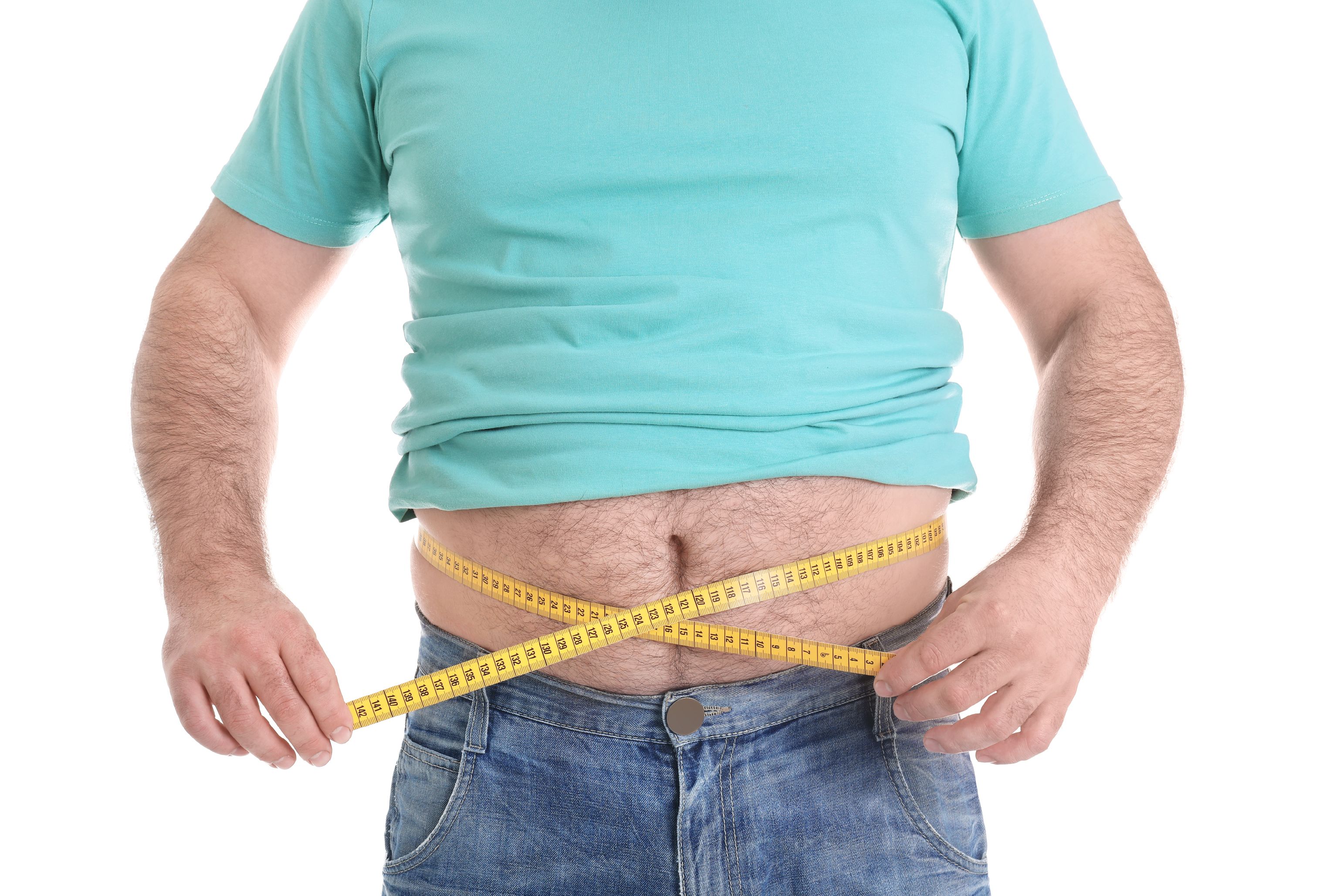
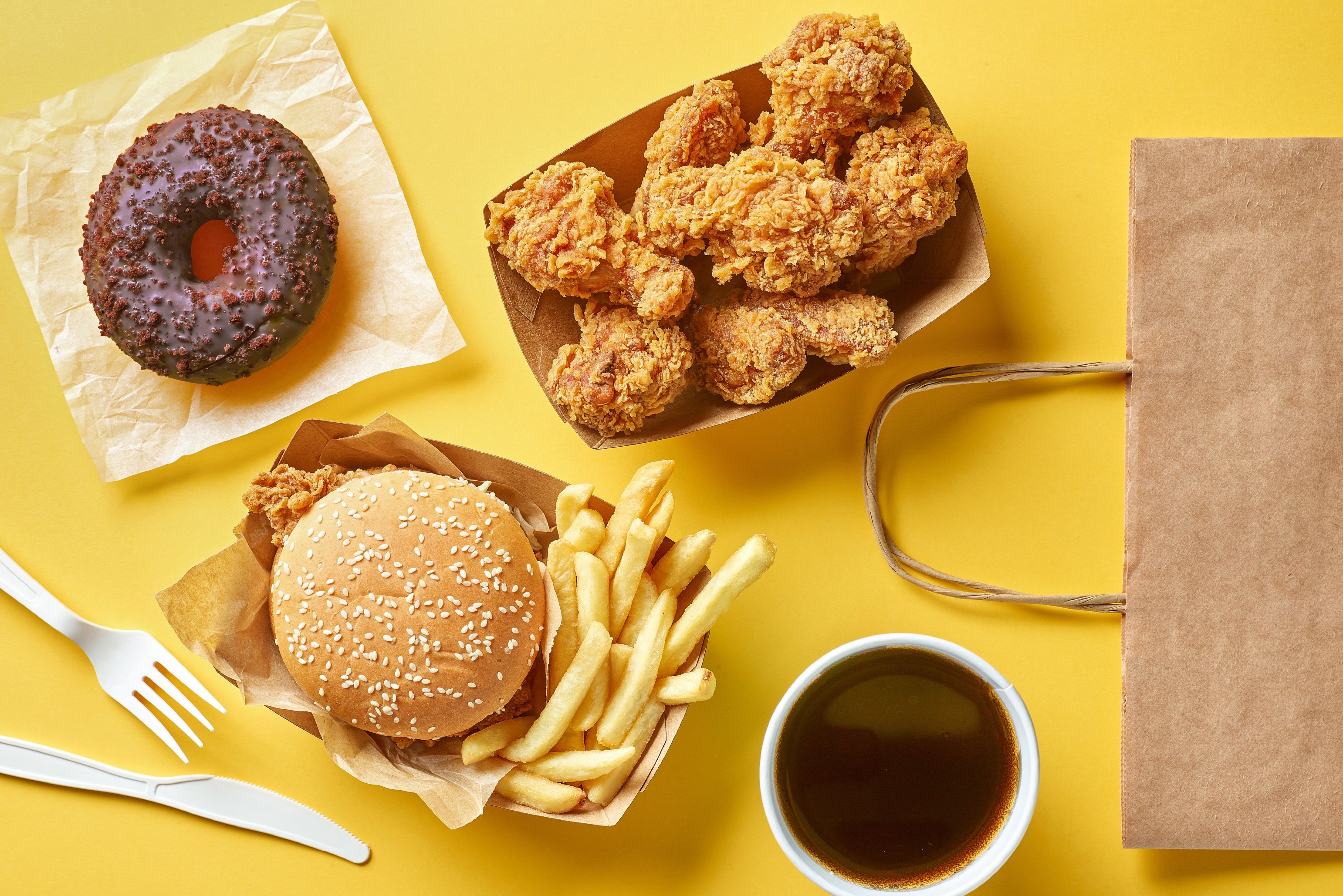
Many everyday foods can make it harder to manage calorie intake and maintain steady progress. Items such as biscuits, crisps, confectionery, sugary drinks, and highly processed snacks are often high in calories while providing little nutritional value. Limiting these foods may help support healthier eating habits and improve weight loss outcomes over time.
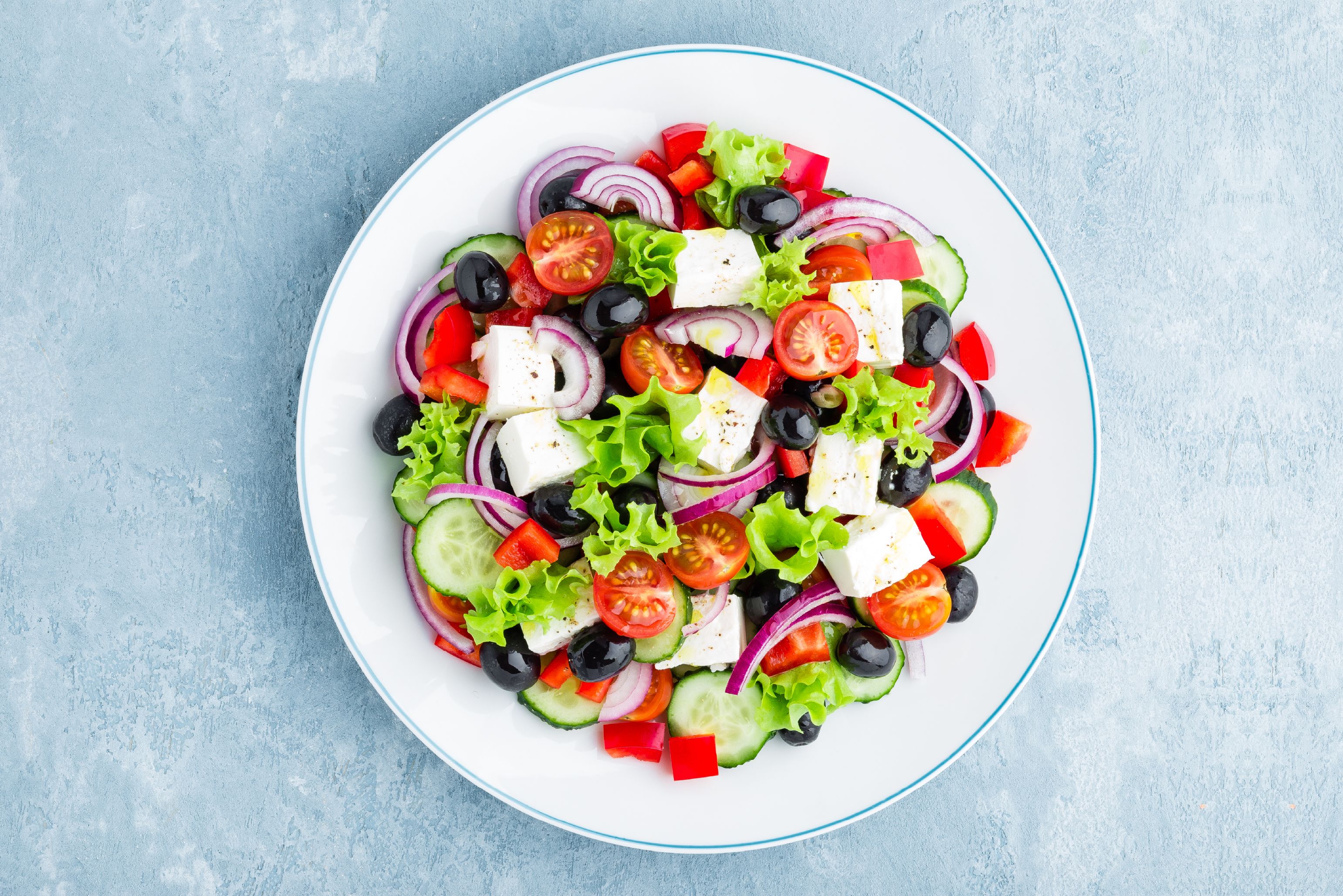
Takeaway meals that are deep-fried or heavily processed, including chips and battered foods, can also contribute to excess calorie consumption. Choosing meals rich in vegetables, lean protein, whole grains, and fibre may help you feel fuller for longer while supporting a balanced and sustainable approach to managing your weight.
GLP-1
Wegovy
A weekly GLP-1 treatment proven to reduce hunger and support meaningful, long-term fat loss.
- ✔~16.9% average body weight loss
- ✔Boosts metabolic & cardiovascular health
- ✔Proven, long-established safety profile
- ✔Weekly injection, easy to use
GLP-1 / GIP
Mounjaro
Dual-agonist support that helps curb appetite, hunger, and cravings to drive substantial, sustained weight loss.
- ✔~22.5% average body weight loss
- ✔Significant weight reduction
- ✔Improves blood sugar levels
- ✔Clinically proven weight loss
Key Facts About Better Weight-Loss Results
- ✔Cutting back on processed foods and sugary drinks may support healthier calorie control.
- ✔Protein and fibre-rich foods can help manage hunger and improve fullness.
- ✔Some foods may be less well tolerated while using weight-loss injections.
- ✔Habits such as snacking, meal skipping, and emotional eating can affect progress.
- ✔Small, sustainable lifestyle changes often support better long-term weight management.
Why Does Food Choice Matter for Weight Loss?
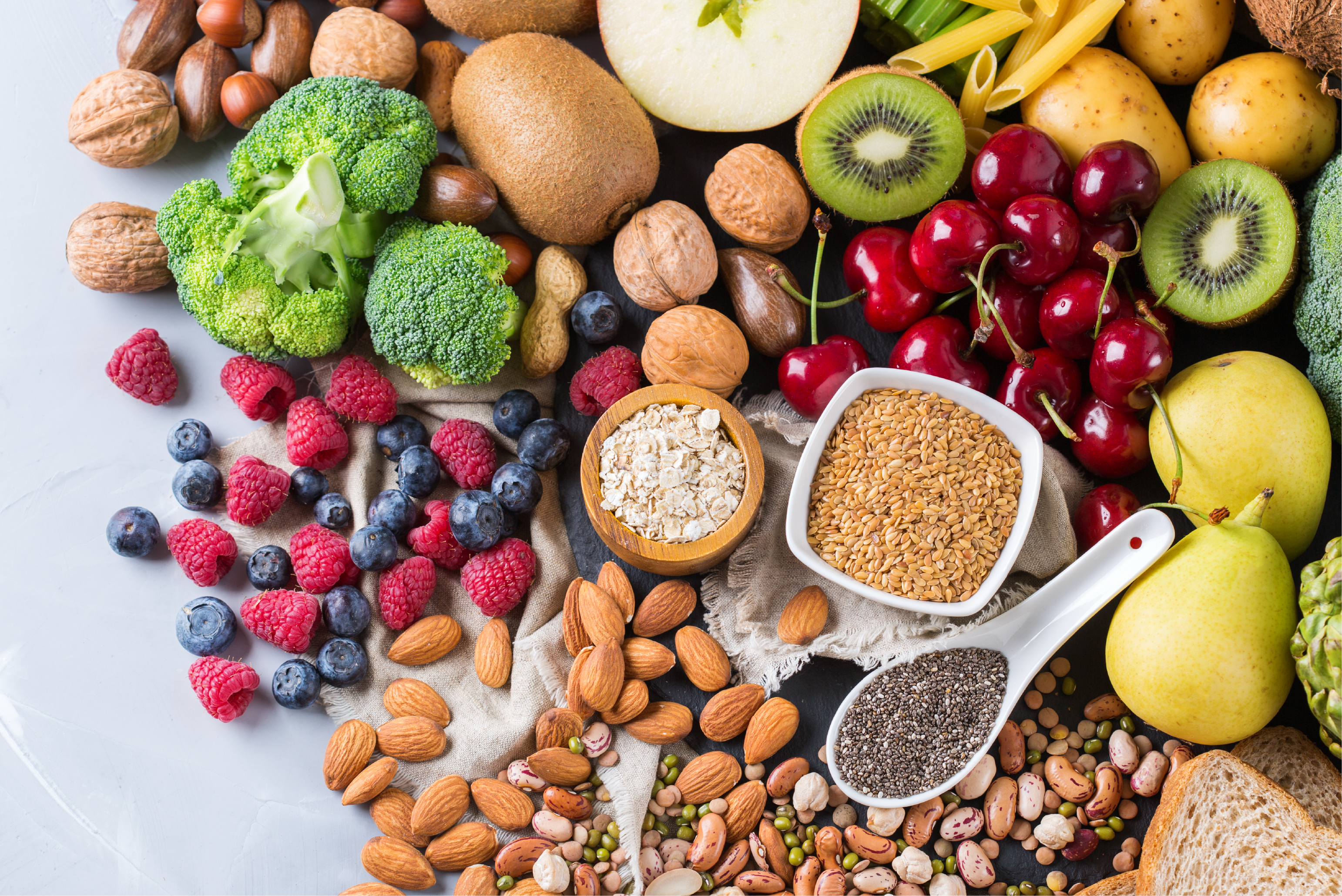
Food choice plays an important role in successful weight management because not all calories affect the body in the same way. Foods rich in protein, fibre, vitamins, and minerals can help keep you feeling satisfied for longer, making it easier to maintain a healthy eating pattern and reduce unnecessary snacking throughout the day.
Choosing nutrient-dense foods such as vegetables, fruits, lean proteins, pulses, and whole grains may also support stable energy levels and help preserve muscle mass during weight loss. A balanced approach that focuses on healthier food choices alongside regular physical activity can contribute to more sustainable and long-term results.
How Do Weight-Loss Injections Affect Food Choices?
People using weight loss injections may find that certain foods are harder to tolerate due to changes in appetite and digestion. Choosing lighter, balanced meals may help reduce digestive discomfort and support treatment adherence.
- High-fat and fried foods: Fried meals, fatty meats, and creamy sauces can be difficult to digest. Some people using a Wegovy injection may experience increased nausea or stomach discomfort after eating them.
- Sugary desserts: Cakes, pastries, and sweets can contribute to blood sugar fluctuations and may leave you feeling tired or unwell.
- Fizzy and sugary drinks: Carbonated drinks can worsen bloating, while sugary beverages add extra calories without providing lasting fullness.
- Alcohol: Alcohol may increase the risk of dehydration and can aggravate digestive side effects. Those using Mounjaro for weight loss may benefit from limiting alcohol intake.
- Large portions of refined carbohydrates: Large servings of white bread, pasta, or similar foods may cause uncomfortable fullness. Smaller portions are often easier to tolerate.
Understanding which foods are best tolerated during treatment may help improve comfort and support consistent progress. Online Weight Loss Clinic provides evidence-based guidance on nutrition and sustainable weight management.
How Can You Build a Sustainable Weight-Loss Diet?
A sustainable weight-loss diet is built on gradual, realistic changes rather than strict restrictions. Small improvements to your eating habits are often easier to maintain and can support steady, long-term progress.
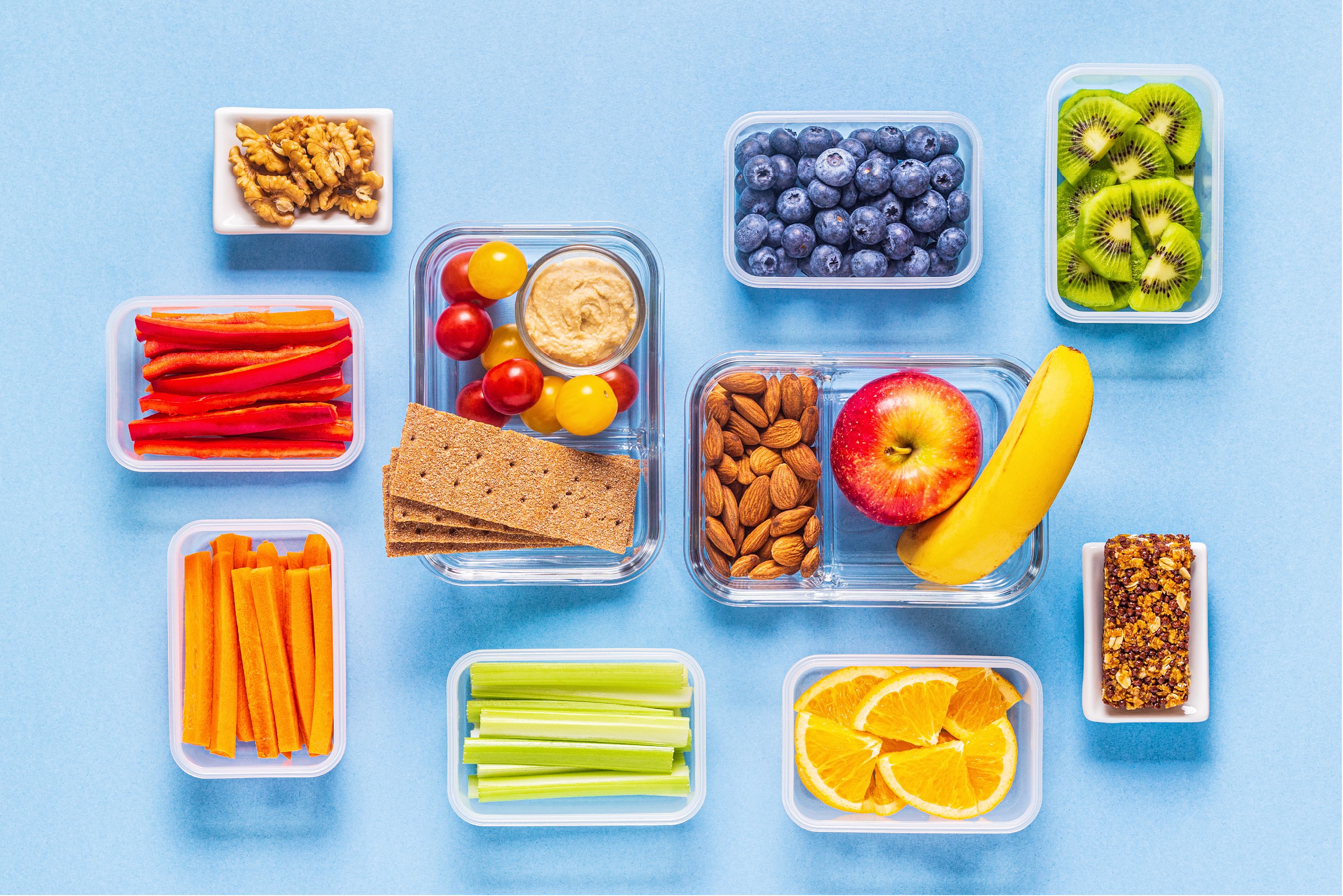
Focus on balanced meals that include lean protein, vegetables, fruit, and whole grains. A 2025 study published in Obesity Science & Practice found that higher protein and fibre intake was associated with greater weight loss, highlighting the value of nutrient-rich foods. Regular physical activity, good sleep, and consistent routines can further support long-term success.
Which Eating Habits Can Slow Down Weight Loss Progress?
Successful weight loss involves more than choosing healthier foods. Daily eating behaviours can also influence calorie intake, hunger levels, and long-term consistency. Identifying habits that contribute to overeating may help support a more balanced and sustainable approach to managing weight.
Mindless Snacking
Frequent snacking without genuine hunger can lead to consuming more calories than intended. Snacks eaten out of boredom, habit, or convenience may add up throughout the day and make it more difficult to maintain healthy eating patterns.
Late-Night Overeating
Eating large meals or high-calorie snacks late in the evening can increase overall daily calorie intake. Late-night eating is often linked to cravings, emotional triggers, or routine habits rather than physical hunger, which may affect weight management efforts.
Skipping Meals
Missing meals may seem like a way to reduce calories, but it can sometimes increase hunger later in the day. This may lead to larger portion sizes, increased snacking, or difficulty making balanced food choices at subsequent meals.
Emotional Eating
Stress, anxiety, sadness, and other emotions can influence eating behaviours. Turning to food for comfort rather than hunger may contribute to excess calorie consumption and make it harder to establish sustainable habits that support long-term weight goals.
Eating While Distracted
Eating while watching television, scrolling on a phone, or working can reduce awareness of portion sizes and fullness cues. Paying closer attention during meals may help improve satisfaction, support mindful eating, and contribute to healthier weight loss outcomes.
Conclusion: Food Choices for Long-Term Weight Management
Successful weight management is not about avoiding specific foods forever but creating sustainable eating habits that support your health goals. Choosing nutrient-dense foods, managing portion sizes, and recognising eating behaviours that contribute to excess calorie intake can help support steady and realistic progress.
For individuals using weight-loss treatments, understanding how different foods affect appetite, digestion, and overall wellbeing may also improve treatment tolerance. Combined with regular physical activity, good sleep, and consistent lifestyle habits, a balanced approach can help support long-term weight management and overall health.
GLP-1
Wegovy
A weekly GLP-1 treatment proven to reduce hunger and support meaningful, long-term fat loss.
- ✔~16.9% average body weight loss
- ✔Boosts metabolic & cardiovascular health
- ✔Proven, long-established safety profile
- ✔Weekly injection, easy to use
GLP-1 / GIP
Mounjaro
Dual-agonist support that helps curb appetite, hunger, and cravings to drive substantial, sustained weight loss.
- ✔~22.5% average body weight loss
- ✔Significant weight reduction
- ✔Improves blood sugar levels
- ✔Clinically proven weight loss
FAQs
Can I still eat treats while trying to lose weight?
Yes. Occasional treats can be included as part of a balanced diet. Moderation and portion control are generally more sustainable than complete restriction.
Are carbohydrates bad for weight loss?
No. Carbohydrates can form part of a healthy diet. Choosing wholegrain and higher-fibre options may help improve fullness and support balanced nutrition.
What foods help keep you full for longer?
Foods rich in protein and fibre, such as lean meats, fish, eggs, pulses, vegetables, and whole grains, can help increase satiety between meals.
Is skipping meals a good way to lose weight?
Skipping meals may increase hunger later in the day and can sometimes lead to overeating. Regular, balanced meals are often easier to maintain.
Should I avoid alcohol when trying to lose weight?
Alcohol contains calories and may affect food choices and appetite. Reducing alcohol intake can support weight management efforts for some individuals.
What foods may be harder to tolerate on weight-loss injections?
Some people find high-fat, fried, sugary, or highly processed foods more difficult to tolerate due to digestive side effects such as nausea or bloating.
Can drinking fizzy drinks affect weight-loss progress?
Fizzy drinks can contribute extra calories if they contain sugar and may increase bloating. Water and low-sugar alternatives are often better choices.
How quickly should I expect to lose weight?
Healthy weight loss is typically gradual and varies between individuals. Progress can depend on factors such as diet, physical activity, lifestyle habits, and any prescribed treatment.