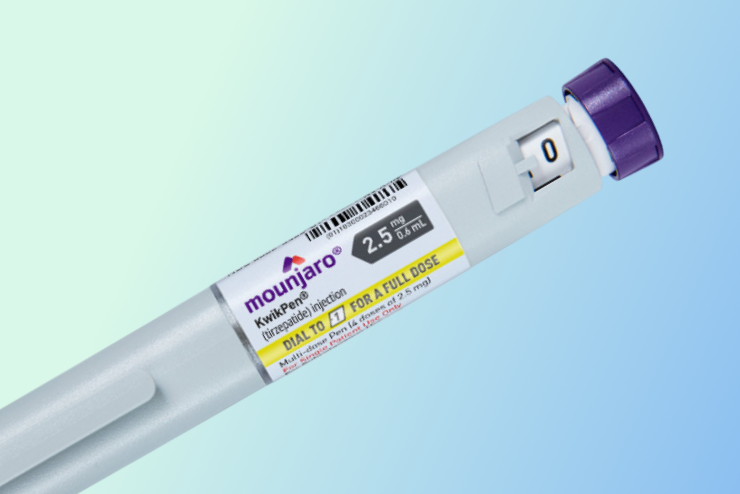

Starting a weight loss treatment often brings changes in appetite and eating habits, but a noticeable dip in energy can be less expected. Mounjaro (tirzepatide) can cause fatigue, particularly during the first few weeks or following dose increases. Reduced food intake, dehydration and blood sugar fluctuations may also contribute to tiredness.
While occasional tiredness may improve as your body adjusts, persistent exhaustion deserves closer attention. Understanding the connection between Mounjaro and fatigue can help you recognise possible triggers without overlooking other health concerns. This guide covers common causes, practical ways to maintain energy and warning signs that warrant medical advice.
Key Takeaways About Mounjaro and Fatigue
- ✔Mounjaro can cause fatigue, affecting up to 1 in 10 people during weight management treatment.
- ✔Low calorie intake, dehydration and blood sugar changes may contribute to tiredness.
- ✔Fatigue may ease within weeks, although duration and severity vary between individuals.
- ✔Balanced meals, hydration, adequate sleep and gentle exercise can help maintain energy.
- ✔Persistent fatigue, fainting, confusion or severe dehydration require medical attention.
- ✔Dose adjustments require professional guidance, and fatigue does not necessarily mean treatment must stop.
GLP-1 / GIP
Mounjaro
Dual-agonist support that helps curb appetite, hunger, and cravings to drive substantial, sustained weight loss.
- ✔~22.5% average body weight loss
- ✔Significant weight reduction
- ✔Improves blood sugar levels
- ✔Clinically proven weight loss

Can Mounjaro Cause Fatigue and Low Energy?
Yes, Mounjaro (tirzepatide) can cause tiredness and fatigue, although not everyone experiences these symptoms. The UK patient information leaflet classifies fatigue as a common side effect during weight management treatment, meaning it may affect up to 1 in 10 people. Some may notice unusual exhaustion or reduced stamina, particularly when starting treatment or increasing their dose.
However, experiencing fatigue during treatment does not necessarily mean Mounjaro is directly responsible. The timing of symptoms, other medications and existing health conditions may help explain why some people feel unusually tired while others experience no noticeable changes in energy.
What Causes Tiredness and Low Energy on Mounjaro?
Several factors can contribute to low energy during Mounjaro treatment, including changes in calorie intake, hydration, blood glucose and sleep quality. These factors may occur independently or together, making it important to understand what is contributing to your symptoms.
Reduced Calorie Intake and Rapid Weight Loss
Mounjaro suppresses appetite and slows stomach emptying, helping you feel fuller for longer. However, eating substantially fewer calories than your body requires can leave you physically drained. A considerable calorie deficit, particularly during rapid weight loss, may cause muscle weakness, poor concentration and mental fog, especially when meals lack essential nutrients.
Gastrointestinal Side Effects and Dehydration
Nausea, vomiting and diarrhoea are common Mounjaro side effects that may become more noticeable after dose increases. These symptoms can cause fluid and electrolyte loss, particularly when vomiting or diarrhoea persists. Dehydration reduces circulating blood volume and may lead to dizziness, headaches, weakness and exhaustion. Inadequate fluid replacement can make these symptoms worse.
Low Blood Sugar (Hypoglycaemia)
Mounjaro helps regulate blood glucose by stimulating insulin release when blood sugar is elevated. Although hypoglycaemia is less likely with Mounjaro alone, the risk increases when combined with insulin or sulphonylureas. A sudden drop in blood sugar can cause trembling, sweating, weakness, dizziness and confusion, sometimes resembling severe fatigue. Suspected hypoglycaemia requires prompt treatment.
Dose Increases and Treatment Adjustment
Mounjaro starts at 2.5 mg weekly for four weeks before increasing to 5 mg, with subsequent increases spaced at least four weeks apart. Stronger appetite suppression and digestive symptoms may contribute to fatigue. Although Mounjaro influences brain pathways regulating appetite, their direct role in fatigue remains unclear.
Disrupted Sleep and Underlying Health Conditions
Digestive discomfort, particularly acid reflux or nausea at night, may interrupt sleep and leave you exhausted the following day. Existing conditions such as obstructive sleep apnoea can also contribute to daytime sleepiness. Iron deficiency anaemia, thyroid disorders and inadequate nutrition are other possible explanations. Persistent fatigue should therefore be assessed rather than automatically attributed to Mounjaro.
How Can You Manage Fatigue While Taking Mounjaro?
Managing Mounjaro-related fatigue involves identifying what affects your energy levels and making practical adjustments to your daily routine. The following strategies focus on maintaining physical wellbeing, reducing avoidable exhaustion and recognising when additional medical guidance may be beneficial.
Stay Hydrated
Drink water regularly throughout the day, especially if nausea reduces your fluid intake. Vomiting and diarrhoea can cause dehydration and electrolyte loss, worsening dizziness, headaches and weakness. If these symptoms persist, ask a pharmacist about oral rehydration solutions to replace lost fluids and essential salts.
Eat Balanced Meals
Mounjaro's appetite-suppressing effects may leave you eating less than your body needs. Plan smaller, balanced meals containing lean protein, complex carbohydrates and healthy fats. Foods such as eggs, fish, lentils and wholegrains provide essential nutrients. Avoid skipping meals or excessively restricting calories, as inadequate nourishment can worsen exhaustion and poor concentration.
Monitor Blood Sugar
If you have diabetes, check your blood glucose as advised, particularly when taking insulin or sulphonylureas alongside Mounjaro. Sudden weakness, sweating, shakiness or confusion may indicate hypoglycaemia. Keep a fast-acting source of glucose available if you are at risk, and follow your prescribed treatment plan for low blood sugar.
Stay Physically Active
Light activity, such as walking, stretching or yoga, can support circulation, physical fitness and overall wellbeing. Begin with manageable sessions and gradually increase activity as your energy improves. Avoid strenuous workouts when feeling weak, dizzy or dehydrated, as pushing through exhaustion may worsen your symptoms.
Prioritise Sleep Quality
Aim for seven to nine hours of sleep, keeping consistent bedtime and waking routines. Limit screen exposure before bed and maintain a cool, dark sleeping environment. If nausea or acid reflux disrupts your sleep, discuss symptom management with your healthcare professional. Persistent daytime sleepiness despite adequate rest may warrant assessment for sleep apnoea.
Review Your Dosage
Fatigue may become more noticeable when starting Mounjaro or increasing the dose, particularly if digestive symptoms intensify. If tiredness persists or interferes with daily activities, your prescriber can review your treatment and consider delaying further dose increases where appropriate. Avoid independently changing your dosage or injection schedule.
If fatigue persists or affects your daily routine, an online consultation with a qualified healthcare professional can help assess your symptoms and review your Mounjaro treatment. They can also determine whether further medical evaluation is needed.
When Is Mounjaro-Related Fatigue a Warning Sign?
Mild fatigue may improve as your body adjusts to Mounjaro. However, exhaustion lasting two to three weeks, worsening after a dose increase or interfering with daily activities warrants medical assessment. Seek advice sooner if symptoms are severe or accompanied by warning signs.
- Persistent Fatigue: Ongoing exhaustion, worsening weakness or difficulty managing everyday activities.
- Dehydration: Persistent vomiting, diarrhoea, reduced urination, severe dizziness or difficulty keeping fluids down.
- Low Blood Sugar: Sweating, shaking, palpitations, blurred vision or confusion, particularly when taking insulin or sulphonylureas.
- Serious Symptoms: Fainting, sudden confusion, chest pain, breathing difficulties or severe, persistent abdominal pain spreading to the back, which may indicate pancreatitis.
Contact NHS 111 for urgent advice about dehydration or concerning symptoms. Call 999 for chest pain, severe breathing difficulties, unconsciousness or sudden confusion. Severe, persistent abdominal pain also requires immediate medical assessment.
Your clinician may assess your medication, blood glucose, hydration and nutritional intake to identify potential causes. Further investigations may be necessary if symptoms suggest an underlying condition rather than a direct treatment effect.
How Long Does Mounjaro Fatigue Last, and Should You Change Treatment?
Mounjaro-related fatigue may improve within two to four weeks, although this is not a clinically established recovery timeframe. Tiredness can also return after dose increases, particularly if digestive symptoms intensify. Its duration depends on individual tolerance and underlying causes. Fatigue associated with inadequate nutrition or dehydration may improve once these issues are addressed.
Persistent or worsening exhaustion should not be accepted as an unavoidable part of weight loss. Your prescriber may review your dosage, consider delaying further increases or investigate other medical causes. Switching medication is not automatically necessary, and any treatment changes should follow professional assessment rather than self-adjustment.
Conclusion: Managing Mounjaro Fatigue Safely
While Mounjaro and fatigue can sometimes go hand in hand, persistent tiredness should never be overlooked. Maintaining adequate nutrition, staying hydrated and recognising changes in your energy levels can help you manage symptoms while continuing your weight loss journey safely.
If exhaustion persists or worsens after dose increases, professional guidance can help identify possible causes and appropriate treatment adjustments. At Online Weight Loss Clinic, you can explore medically supervised weight loss treatments, access guidance on managing side effects and make informed decisions about your treatment while prioritising your health and wellbeing.
FAQs About Mounjaro and fatigue
Can Mounjaro cause headaches and fatigue together?
Yes, Mounjaro headache and fatigue symptoms can occur together, particularly if dehydration, insufficient food intake or low blood sugar is involved. However, these symptoms can have other causes, so persistent or worsening headaches should be medically assessed.
Does Mounjaro cause chronic fatigue?
Mounjaro can cause tiredness, but there is insufficient evidence that it directly causes chronic fatigue syndrome (ME/CFS). Mounjaro and chronic fatigue should not be treated as the same condition. Persistent, disabling exhaustion requires medical investigation.
Is feeling tired after a Mounjaro injection normal?
Some people notice tiredness following their weekly injection, although this pattern is not universal. Tracking when symptoms appear and how long they continue may help your prescriber identify whether they are related to treatment.
Does feeling tired mean Mounjaro is working?
No. Fatigue is not an indication that Mounjaro is working effectively. Treatment response is assessed through factors such as weight changes, appetite regulation and, where relevant, blood glucose control rather than tiredness.
Is it better to take Mounjaro at night to avoid fatigue?
Mounjaro can be injected at any time of day, regardless of meals. There is no established evidence that evening injections prevent fatigue. Consistency with your weekly injection schedule is more important.
Can you drink coffee if Mounjaro makes you tired?
Moderate coffee consumption is generally compatible with Mounjaro treatment. However, caffeine cannot correct dehydration or inadequate nutrition and may aggravate nausea, acid reflux or sleep problems in some people. Avoid relying on coffee to overcome persistent exhaustion.
Can vitamin supplements help with Mounjaro fatigue?
Vitamin supplements may help if tiredness is linked to a confirmed deficiency, such as low vitamin B12 or iron deficiency. However, supplements are not proven to treat Mounjaro-related fatigue directly. Seek professional advice before taking supplements specifically for exhaustion.
Is it safe to drive when feeling tired on Mounjaro?
Mounjaro is not generally expected to impair driving. However, significant fatigue, dizziness or hypoglycaemia can affect concentration and reaction times. Avoid driving if you feel unwell, particularly if you take insulin or sulphonylureas alongside Mounjaro.