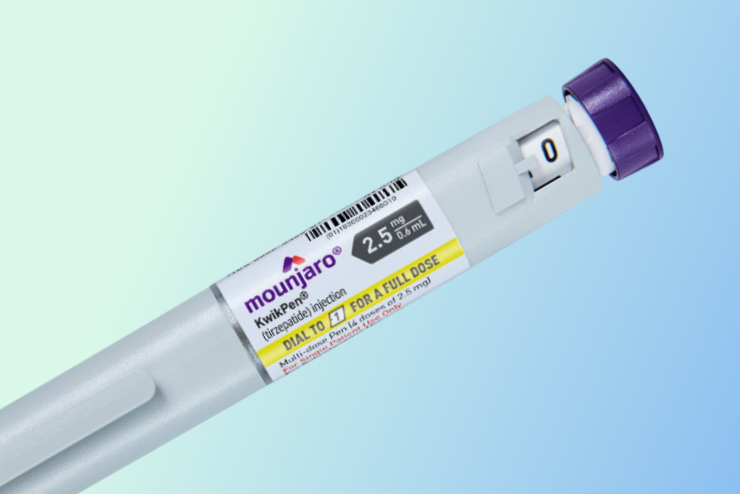

A sudden wave of heat, sweating or flushed skin can feel unexpected after starting Mounjaro (tirzepatide). Some people describe these experiences as hot flushes on Mounjaro, although they are not currently listed as an official side effect in clinical guidance.
While some patients report feeling warmer than usual during treatment, this does not confirm Mounjaro as the direct cause. Changes in appetite, weight loss, hydration or the body adjusting to treatment may play a role. Symptoms that continue or occur with dizziness, excessive sweating or feeling unwell should be discussed with a healthcare professional.
Key Facts About Hot Flashes on Mounjaro
- ✔Hot flushes are not a common Mounjaro side effect, but some people report warmth, sweating or flushing during treatment.
- ✔Possible triggers include weight changes, hormonal shifts, blood sugar changes and dehydration.
- ✔Sweating with shaking, dizziness or confusion may suggest low blood sugar and needs attention.
- ✔Tracking symptoms, hydration and triggers can help identify patterns.
- ✔Staying hydrated, keeping cool and avoiding triggers may improve comfort.
- ✔Seek medical advice if symptoms persist, worsen or occur with other concerning signs.
GLP-1 / GIP
Mounjaro
Dual-agonist support that helps curb appetite, hunger, and cravings to drive substantial, sustained weight loss.
- ✔~22.5% average body weight loss
- ✔Significant weight reduction
- ✔Improves blood sugar levels
- ✔Clinically proven weight loss
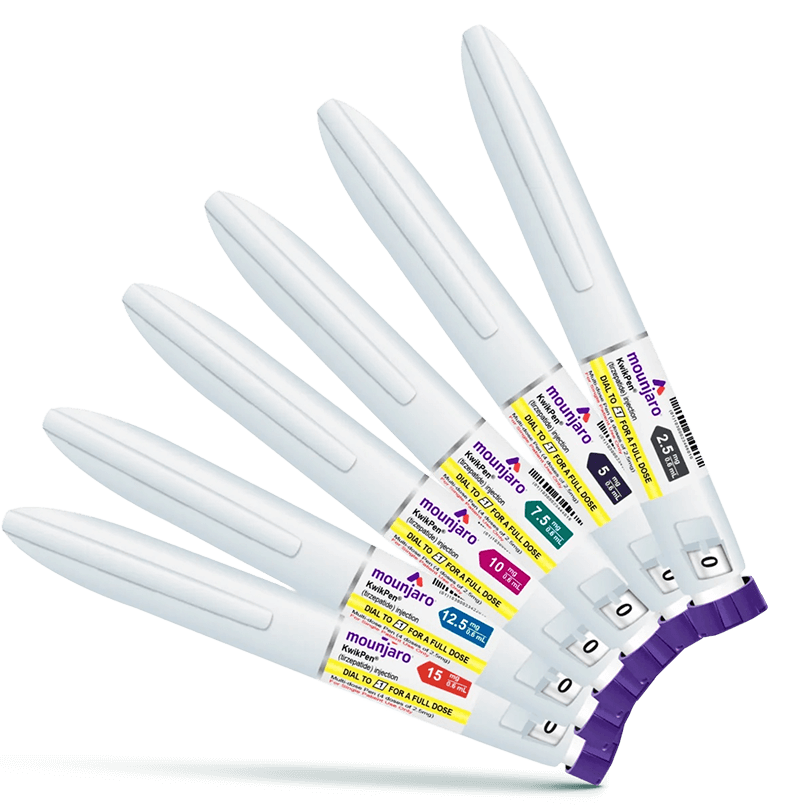
Can Mounjaro Cause Hot Flushes and Temperature Changes?
Hot flushes are not currently recognised as an official side effect of Mounjaro (tirzepatide) in approved prescribing guidance or patient information. The more commonly reported Mounjaro side effects are digestive symptoms, including nausea, diarrhoea, constipation and stomach discomfort, particularly when starting treatment or increasing doses.
However, some people report feeling sudden warmth, flushing or changes in body temperature while taking Mounjaro. These experiences do not confirm that tirzepatide is the direct cause, as symptoms may also relate to weight loss, hydration changes, appetite changes or other factors. Persistent or unusual symptoms should be monitored and assessed by a healthcare professional.
What Can Cause Hot Flushes While Taking Mounjaro?
Some people report warmth, sweating or flushing during Mounjaro treatment. These sensations may have several possible explanations, including hormonal shifts, blood sugar changes, reduced food intake, dehydration or changes as the body adjusts.
Hormone Shifts
Weight loss can influence hormone balance because body fat plays a role in hormone storage and production. Changes in body composition may cause temporary shifts that contribute to sensations such as warmth, flushing or sweating.
Blood Sugar Changes
For some people, symptoms that feel like hot flushes may actually be linked to changes in blood sugar levels. When blood glucose drops, particularly in those taking Mounjaro alongside insulin or sulfonylureas, the body may release stress hormones that can cause sweating, shakiness, sudden warmth or a flushed feeling.
Menopause Factors
Perimenopause and menopause can trigger hot flushes independently of Mounjaro due to natural hormonal fluctuations affecting temperature control. If symptoms begin during treatment, it does not necessarily mean tirzepatide is the cause. Changes in periods, sleep, mood or other hormonal symptoms may provide further context.
Metabolism and Temperature
Mounjaro works on GLP-1 and GIP pathways involved in appetite regulation and metabolism. Changes in energy intake, weight and metabolic activity may influence how some people perceive temperature, leading to sensations such as feeling unusually warm or noticing changes between feeling hot and cold during periods of adjustment.
Dehydration Effects
Reduced fluid intake, nausea, vomiting or diarrhoea may contribute to dehydration during treatment. This can affect temperature regulation and lead to symptoms such as overheating, dizziness, fatigue or increased sweating.
Common Triggers
Hot flushes can also be influenced by everyday factors unrelated to Mounjaro. Stress, anxiety, caffeine, spicy foods, alcohol and warm environments may trigger flushing or sweating in some people. Keeping track of when symptoms occur, including meals, hydration and dose changes, may help identify possible patterns.
Hot Flushes vs Other Mounjaro Symptoms: What Should You Watch For?
Not every episode of feeling hot while taking Mounjaro is a hot flush. Similar sensations can happen for different reasons, so it is important to consider the full pattern of symptoms rather than assuming they are caused by tirzepatide. Looking at accompanying signs can help identify whether it is a temporary temperature change or something that needs attention.
| Symptom | What it may suggest |
|---|---|
| Sudden warmth with sweating | A hot flush or temporary temperature response |
| Sweating with shaking or dizziness | Possible low blood sugar, especially with certain diabetes medicines |
| Feeling hot with a raised temperature | Possible fever or infection |
| Warmth with thirst and dark urine | Possible dehydration |
| Flushing with rash, swelling or breathing difficulty | Possible allergic reaction requiring urgent medical attention |
| Ongoing sweating with feeling very unwell | Symptoms should be assessed by a healthcare professional |
Mild episodes of warmth or sweating may settle as your body adjusts to treatment, but severe, persistent or unusual symptoms should not be ignored. Seek medical advice if symptoms feel concerning, worsen over time or appear alongside other warning signs.
Tips to Stay Comfortable When Feeling Hot on Mounjaro
Managing warmth or flushing during Mounjaro treatment focuses on reducing possible triggers, staying hydrated and supporting your body while it adjusts.
Stay Hydrated
Drink fluids regularly throughout the day to support your body’s temperature regulation. Reduced appetite, nausea, vomiting or diarrhoea may sometimes lead to lower fluid intake, which can contribute to feeling overheated, tired or uncomfortable.
Avoid Possible Triggers
Certain foods and drinks may make flushing episodes more noticeable for some people. Spicy foods, caffeine, alcohol and very hot drinks can sometimes increase feelings of warmth or sweating, so tracking personal triggers may help identify patterns.
Dress in Layers
Wearing loose, lightweight and breathable fabrics can make temperature changes easier to manage. Natural materials such as cotton and removable layers may help you stay comfortable when sudden warmth occurs.
Keep Cool
Simple environmental changes can reduce discomfort during a hot flush. Using a fan, improving ventilation, lowering room temperature or keeping a cool cloth nearby may help your body feel more comfortable during episodes.
Monitor Blood Sugar
If you use Mounjaro alongside insulin or certain diabetes medicines, sweating, shaking, dizziness and sudden warmth may sometimes be linked to low blood sugar. Monitoring glucose levels and discussing recurring symptoms with your healthcare professional can help identify the cause.
Review Your Symptoms
Keeping a record of injection timing, meals, drinks, stress levels and symptoms may help identify possible triggers. Discuss any treatment changes with your prescriber before adjusting your dose.
If hot flushes or other symptoms continue while taking Mounjaro, an online consultation can help review your experience, treatment progress and possible triggers. A healthcare professional can provide personalised advice and support your ongoing weight management plan.
When Should You Contact a Healthcare Professional About Hot Flushes?
Seek medical advice if hot flushes or sudden warmth while taking Mounjaro are:
- New, persistent, worsening or unexplained.
- Accompanied by vomiting, diarrhoea, dizziness, weakness or difficulty maintaining fluids.
- Linked with sweating, shaking or confusion, which may indicate low blood sugar, especially if you also use insulin or other diabetes medicines.
- Combined with urgent symptoms such as breathing difficulty, swelling, fainting or severe weakness.
Do not stop or change your Mounjaro dose because of hot flushes without speaking with your prescriber. If you need support understanding your symptoms or treatment options, Online Weight Loss Clinic can help you discuss your weight management journey with a healthcare professional through an online consultation.
Conclusion: Staying Comfortable During Mounjaro Treatment
Hot flushes during Mounjaro treatment can feel unexpected, but they do not always mean the medication is the direct cause. Changes in weight, hydration, hormones, appetite and blood sugar levels may all influence how your body responds while adjusting to treatment.
Keeping track of symptoms and possible triggers can help you understand patterns and know when further advice may be needed. If hot flushes on Mounjaro continue, become more noticeable or occur with other symptoms, speaking with a healthcare professional can help review your treatment and provide appropriate guidance.
GLP-1 / GIP
Mounjaro
Dual-agonist support that helps curb appetite, hunger, and cravings to drive substantial, sustained weight loss.
- ✔~22.5% average body weight loss
- ✔Significant weight reduction
- ✔Improves blood sugar levels
- ✔Clinically proven weight loss
FAQs: Hot Flushes on Mounjaro
Does Mounjaro cause night sweats?
Night sweats are not a commonly recognised side effect of Mounjaro. However, some people may notice sweating at night due to factors such as hormonal changes, dehydration, blood sugar changes or other underlying causes.
Can Mounjaro make you feel hot and cold?
Some people describe feeling hot and cold while taking Mounjaro. This experience may have several possible explanations, including changes in appetite, hydration, weight or how the body adjusts during treatment.
Are Mounjaro hot flashes the same as menopause hot flushes?
They can feel similar, with sudden warmth, sweating and flushing. However, menopause-related hot flushes are caused by hormonal changes, while symptoms during Mounjaro treatment may have several possible explanations.
Can weight loss cause hot flushes?
Rapid changes in weight can sometimes affect hormone balance and how the body regulates temperature. This may contribute to sensations such as warmth, sweating or flushing in some people.
Can Mounjaro cause sweating without feeling hot?
Sweating can happen for different reasons, including blood sugar changes, stress, dehydration or other health factors. If sweating is frequent or occurs with dizziness or shaking, it should be reviewed with your prescriber.
Do hot flushes mean Mounjaro is working?
Hot flushes are not a sign that Mounjaro is working. Weight loss results are related to how the medication affects appetite, metabolism and blood sugar regulation rather than temperature changes.
Should I stop Mounjaro if I experience hot flushes?
You should not stop or change your Mounjaro dose because of hot flushes without speaking with your prescriber. They can help identify possible causes and advise on the next steps.
Can menopause supplements help with hot flushes while taking Mounjaro?
Some people explore menopause supplements to manage hot flushes, but suitability can depend on your health, medications and symptoms. Discuss any supplements with a healthcare professional before starting them alongside Mounjaro.