
Mounjaro changes the way your body manages appetite and digestion, and those effects can sometimes come with an unsettled stomach. Nausea on Mounjaro is particularly common when starting treatment or moving to a higher dose, but it often becomes less troublesome as your body adjusts to tirzepatide.
Feeling sick can affect how much you eat, what foods you tolerate and even your normal routine. Understanding what causes Mounjaro nausea, how long it typically lasts and what may make it worse can make the symptom easier to navigate. This guide explores the causes and duration of nausea, along with practical ways to prevent and relieve it during treatment.
GLP-1
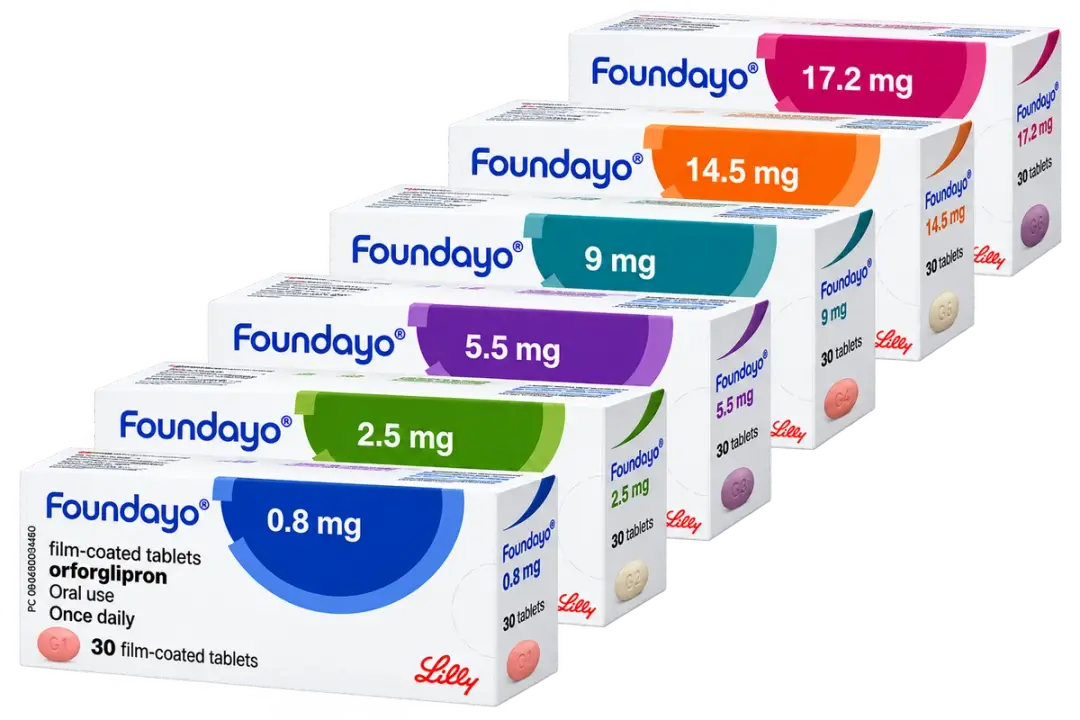
Foundayo
Daily GLP-1 support that helps control appetite, hunger, and cravings to support substantial, sustained weight loss.
- ✔Up to 12.4% average weight loss
- ✔Helps reduce hunger and cravings
- ✔Supports longer-lasting fullness
- ✔Clinically proven weight management
Key Takeaways About Nausea on Mounjaro
- ✔Nausea on Mounjaro is common, particularly when starting treatment or increasing the dose.
- ✔Symptoms may begin within 24–48 hours of an injection and often improve as your body adjusts to the dose.
- ✔Mounjaro can cause nausea by slowing stomach emptying and affecting appetite and fullness signals.
- ✔Smaller meals, bland, low-fat foods, slow eating and regular fluid intake may make nausea easier to manage.
- ✔Persistent vomiting, dehydration or severe abdominal pain requires medical advice and, in some cases, urgent assessment.
- ✔Do not reduce, delay or change your Mounjaro dose because of nausea without guidance from a qualified healthcare professional.
How Long Does Nausea Last on Mounjaro?
The duration of Mounjaro nausea varies, but symptoms are often more noticeable when you first start treatment or increase your dose. Understanding how long Mounjaro side effects last can provide useful context for what to expect as your body adjusts. A typical nausea pattern may look like this:
- Within 24–48 hours: Nausea may begin after your weekly injection.
- Days 2–4: Symptoms may be at their most noticeable.
- Days 5–7: Nausea may ease as you approach your next injection.
- Within 2–4 weeks: Symptoms may gradually settle as your body becomes accustomed to the same dose.
Not everyone follows this exact timeline. Your dose, individual tolerance and eating habits can influence how long nausea lasts, and symptoms may temporarily return after a dose increase.
Speak to your prescriber if nausea persists, worsens or prevents you from eating or drinking normally. Seek urgent medical advice if you develop severe, persistent abdominal pain, particularly if it spreads to your back or occurs with vomiting.
Why Does Mounjaro Cause Nausea?
Mounjaro mimics the effects of natural gut hormones involved in appetite and digestion. By activating GIP and GLP-1 receptors, tirzepatide slows digestion and strengthens fullness signals between the gut and brain. These same effects can contribute to nausea.
Slower Digestion
Mounjaro slows the movement of food from your stomach into the small intestine. Food therefore stays in the stomach for longer, which can leave you feeling unusually full, bloated or queasy. Large portions and high-fat meals may make this discomfort more noticeable.
Brain and Appetite Signals
Tirzepatide increases satiety signals, helping you feel full sooner and reducing appetite. Appetite loss on Mounjaro can also make it difficult to maintain adequate food intake during treatment. It also affects GLP-1-related pathways in the brain involved in nausea and vomiting, which may contribute to feeling sick. Eating beyond the point of comfortable fullness can make these symptoms worse.
Dose Changes
Nausea is often more noticeable when you first start Mounjaro or move to a higher dose. Your digestive system and appetite signals need time to adjust to the stronger effects of tirzepatide. Nausea may therefore temporarily increase after a dose increase before becoming easier to manage.
What Can You Do to Relieve Mounjaro Nausea?
If nausea on Mounjaro has already started, small changes to what you eat, how you drink and how you manage your symptoms may help settle your stomach. The following steps can make nausea easier to manage while your body adjusts to tirzepatide.
Sip Fluids Slowly
Take small, frequent sips of water or clear fluids throughout the day rather than drinking a large amount at once. If drinking with food increases fullness or nausea, have more of your fluids between meals. An electrolyte drink may be useful if vomiting or diarrhoea has caused fluid loss.
Choose Gentle Foods
When you feel able to eat, choose small amounts of bland, lower-fat foods that are easier to tolerate. Avoid greasy, fried, spicy or rich meals while your stomach is unsettled, as these may make nausea more noticeable.
Eat Little and Slowly
Instead of trying to manage a full meal, eat a small amount and see how your stomach responds. Chew thoroughly, eat slowly and stop as soon as you feel comfortably full. If nausea becomes stronger, give your stomach time to settle before eating again rather than forcing yourself to finish the meal.
Try Ginger or Peppermint
Some people find ginger or peppermint helpful when they feel queasy. You could try ginger or peppermint tea, or a small amount of ginger in another suitable form. These remedies may provide relief for some people, although evidence for their effectiveness specifically with Mounjaro-related nausea is limited.
Stay Upright and Get Fresh Air
Avoid lying down immediately after eating, as this may worsen digestive discomfort. Sitting upright, getting some fresh air or taking a gentle walk may feel more comfortable. Stop and rest if movement makes you feel more nauseous, dizzy or weak.
Review Your Dose With Your Prescriber
If nausea becomes troublesome after a dose increase, an online consultation can help a qualified prescriber review your symptoms, current dose and treatment progress. They can advise whether your dose-escalation plan needs adjusting. Do not reduce, delay or change your Mounjaro dose without professional guidance.
Ask About Anti-Sickness Treatment
Lifestyle measures may not be enough if nausea is persistent or significantly affects eating and drinking. Speak to your prescriber, GP or pharmacist about whether an appropriate anti-sickness medicine could help rather than self-treating ongoing symptoms.
If you cannot keep fluids down, show signs of dehydration, or your nausea is severe or worsening, seek medical advice. Severe and persistent abdominal pain, particularly pain that spreads to the back and may occur with vomiting, requires urgent medical assessment.
What Should You Eat When You Feel Sick on Mounjaro?
When nausea on Mounjaro makes eating difficult, bland, low-fat foods are often easier to tolerate. Choosing simple foods that may help reduce nausea or digestive issues can also help you avoid dietary triggers that make nausea worse.
| Foods to Try | Foods to Avoid or Limit | |||
|---|---|---|---|---|
| Dry toast, crackers, plain rice or pasta | Bananas, apple sauce or small portions of melon | Scrambled eggs, low-fat yoghurt or plain chicken and white fish | Clear soups and broths | Ginger or peppermint tea |
| Fried, greasy or high-fat foods | Spicy foods | Citrus and tomato-based foods if they worsen symptoms | Fizzy drinks and high-sugar juices | Large or heavy meals |
Rather than forcing yourself to finish a full meal, try smaller amounts throughout the day and gradually return to your usual diet as nausea improves. If nausea or vomiting makes it difficult to eat, drink or keep fluids down, contact your prescriber for advice rather than relying on dietary changes alone.
When Is Mounjaro Nausea a Reason to Contact Your Doctor?
Mild nausea is common with Mounjaro, especially when starting treatment or increasing the dose. However, severe, persistent or worsening symptoms may need medical assessment.
Persistent Nausea or Vomiting
Contact your prescriber if nausea continues to worsen, prevents you from eating normally or significantly affects your daily life. Repeated vomiting or being unable to keep fluids or medicines down also requires medical advice.
Signs of Dehydration
Vomiting and reduced fluid intake can lead to dehydration. Warning signs include extreme thirst, dry mouth, dark urine, urinating less than usual, dizziness, weakness or confusion. Severe dehydration requires urgent medical attention.
Severe Abdominal Pain
Seek urgent medical advice for severe or persistent abdominal pain, particularly if it spreads to your back or occurs with vomiting. This can be a warning sign of pancreatitis and should be assessed promptly.
Gallbladder Symptoms
Pain in the upper-right abdomen, especially when accompanied by fever or yellowing of the skin or whites of the eyes (jaundice), may indicate a gallbladder problem and requires medical assessment.
Other Serious Symptoms
Seek immediate medical attention for difficulty breathing, swelling of the face, lips, tongue or throat, fainting or other signs of a severe allergic reaction. If you use insulin or a sulphonylurea alongside Mounjaro, follow your healthcare team's guidance for symptoms of low blood sugar.
If nausea is making Mounjaro difficult to manage, Online Weight Loss Clinic can provide professional guidance on your symptoms, dosage and treatment progress. Do not stop or change your Mounjaro dose without advice from a qualified healthcare professional.
Conclusion: Managing Nausea on Mounjaro With Confidence
Nausea on Mounjaro is a common side effect, particularly when starting treatment or increasing your dose, but it often becomes easier to manage as your body adjusts. Smaller meals, gentle foods, adequate hydration and recognising personal triggers can help reduce the impact of nausea on your daily routine.
Persistent or severe nausea should not simply be tolerated, especially if you are struggling to eat, drink or continue treatment comfortably. Speak to your prescriber if symptoms are difficult to manage, and seek prompt medical attention for warning signs such as severe abdominal pain, repeated vomiting or significant dehydration.
FAQs About Nausea on Mounjaro
Does Mounjaro nausea mean the treatment is working?
No. Nausea is a side effect of Mounjaro and does not indicate how effectively the medicine is working. You can still respond well to treatment without experiencing nausea.
Does Mounjaro nausea get worse at higher doses?
Nausea may become more noticeable after a dose increase, but higher doses do not necessarily cause worse symptoms for everyone. Individual tolerance varies, which is why Mounjaro doses are usually increased gradually.
Can I take anti-sickness tablets with Mounjaro?
Some anti-sickness medicines may be suitable alongside Mounjaro, but the right option depends on your symptoms, medical history and other medicines. Ask your prescriber, GP or pharmacist before taking treatment for persistent nausea.
Can I change the day of my Mounjaro injection because of nausea?
It may be possible to change your weekly injection day, provided the dosing instructions are followed correctly. However, changing the day may not prevent nausea, so speak to your prescriber if symptoms are regularly affecting your routine.
Is it normal to suddenly feel nauseous after months on Mounjaro?
New nausea can occur after a dose increase or changes in eating habits, but symptoms appearing unexpectedly after months of stable treatment should not automatically be assumed to be caused by Mounjaro. Speak to a healthcare professional if they persist.
Can Mounjaro cause nausea without vomiting?
Yes. You can experience nausea without actually vomiting. Some people may instead notice queasiness, reduced appetite, bloating or uncomfortable fullness while taking Mounjaro.
Should I skip my Mounjaro injection if I feel sick?
Do not routinely skip, delay or alter your Mounjaro dose because of nausea without professional advice. If you are significantly unwell, vomiting repeatedly or unable to keep fluids down, contact your prescriber for guidance.
Can alcohol make Mounjaro nausea worse?
Alcohol may worsen nausea or other digestive symptoms in some people and can contribute to dehydration. If you notice that alcohol triggers or intensifies your symptoms, limiting or avoiding it may help.