Losing 20kg takes time and consistency. For most people, a healthy rate of weight loss is around 0.5kg to 1kg per week, meaning it may take approximately 5 to 10 months to reach a 20kg weight-loss goal.
Studies suggest that gradual weight loss is easier to maintain long term than rapid weight-loss methods. Combining healthy lifestyle changes with clinically approved weight-loss treatments may help eligible individuals achieve sustainable results and support long-term weight management.
GLP-1
Wegovy
A weekly GLP-1 treatment proven to reduce hunger and support meaningful, long-term fat loss.
- ✔~16.9% average body weight loss
- ✔Boosts metabolic & cardiovascular health
- ✔Proven, long-established safety profile
- ✔Weekly injection, easy to use
GLP-1 / GIP
Mounjaro
Dual-agonist support that helps curb appetite, hunger, and cravings to drive substantial, sustained weight loss.
- ✔~22.5% average body weight loss
- ✔Significant weight reduction
- ✔Improves blood sugar levels
- ✔Clinically proven weight loss
Key Takeaways for Reaching a 20kg Weight-Loss Goal
- ✔Losing 20kg typically takes around 5 to 10 months for most people.
- ✔A safe rate of weight loss is generally 0.5kg to 1kg per week.
- ✔Starting weight, age, activity levels, and health can affect progress.
- ✔Healthy eating, exercise, sleep, and stress management support lasting results.
- ✔Weight-loss treatments may help eligible adults achieve significant weight reduction.
How Long Does It Typically Take to Lose 20kg?
For most people, achieving a 20kg weight loss is a gradual process that typically takes between 5 and 10 months. Health guidance recommends aiming to lose around 0.5kg to 1kg per week, helping to support safe, sustainable progress rather than rapid weight-loss methods.
The exact timeframe can vary depending on your starting weight, eating habits, activity levels, and whether you are using clinically approved weight-management treatments. Focusing on long-term lifestyle changes can help improve your chances of maintaining your results and supporting overall health.
What Factors Influence How Quickly You Can Lose 20kg?
The time needed to achieve a 20kg weight loss varies between individuals. Factors such as starting weight, age, activity levels, health conditions, and lifestyle habits can all affect how quickly and safely weight loss occurs.
Starting Weight and BMI
People with a higher starting weight or BMI often lose weight more quickly during the early stages of a weight-loss programme. As body weight decreases, the rate of weight loss may gradually slow, making consistency increasingly important.
Age and Metabolism
Metabolism naturally changes with age, which can affect how efficiently the body uses energy. Older adults may find weight loss progresses more slowly, although healthy eating habits and regular physical activity can still produce meaningful results.
Activity Levels
Regular movement and exercise can increase daily energy expenditure and support a calorie deficit. Combining physical activity with a balanced diet can help improve weight-loss outcomes and support overall health.
Medical Conditions and Medications
Certain medical conditions and prescribed medications may influence appetite, metabolism, or weight regulation. If you have an underlying health condition, seeking professional medical guidance can help ensure a safe and appropriate weight-management approach.
Dietary Habits and Lifestyle
Long-term eating habits, sleep quality, stress levels, and daily routines all play an important role in weight loss. Building sustainable lifestyle habits is often more effective than following restrictive diets that are difficult to maintain.
How Much Weight Can You Realistically Lose Each Month?
For most people, a realistic and sustainable rate of weight loss is around 2kg to 4kg per month. Individual results vary, and weight loss is influenced by several factors beyond diet and exercise alone.
- Starting Weight: People with a higher body weight often lose weight more quickly during the early stages, as their bodies generally use more energy throughout the day.
- Calorie Deficit: Weight loss occurs when you consistently consume fewer calories than you burn. A moderate calorie deficit is usually more sustainable and easier to maintain long term.
- Water Weight Changes: It is common to notice a larger drop on the scales during the first few weeks. Much of this early weight loss may be due to changes in water balance rather than body fat.
- Body Weight Percentage: Weight loss is not the same for everyone. Losing a small percentage of your body weight each week can be a more realistic measure of progress than focusing on a fixed number.
- Maintaining Muscle Mass: Rapid weight-loss approaches can increase the risk of losing muscle as well as fat. A balanced diet, adequate protein intake, and regular activity can help support healthy body composition during weight loss.
How to Lose 20kg Safely and Maintain Your Results
Successfully losing 20kg is about more than reaching a target weight. The most sustainable results come from building healthy habits that can be maintained long after the weight is lost. Rather than relying on extreme diets, a gradual and balanced approach can support long-term weight management and overall wellbeing.
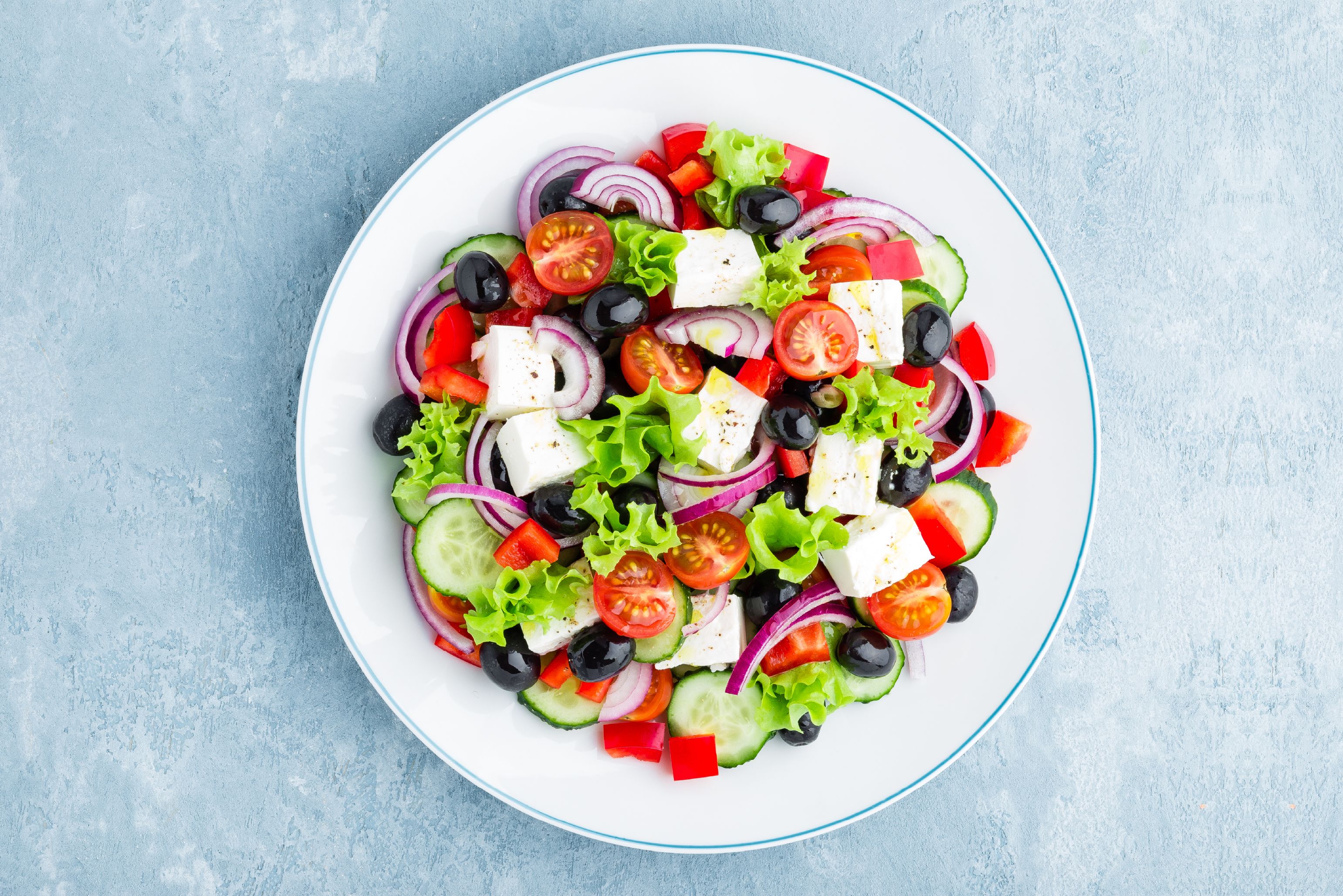
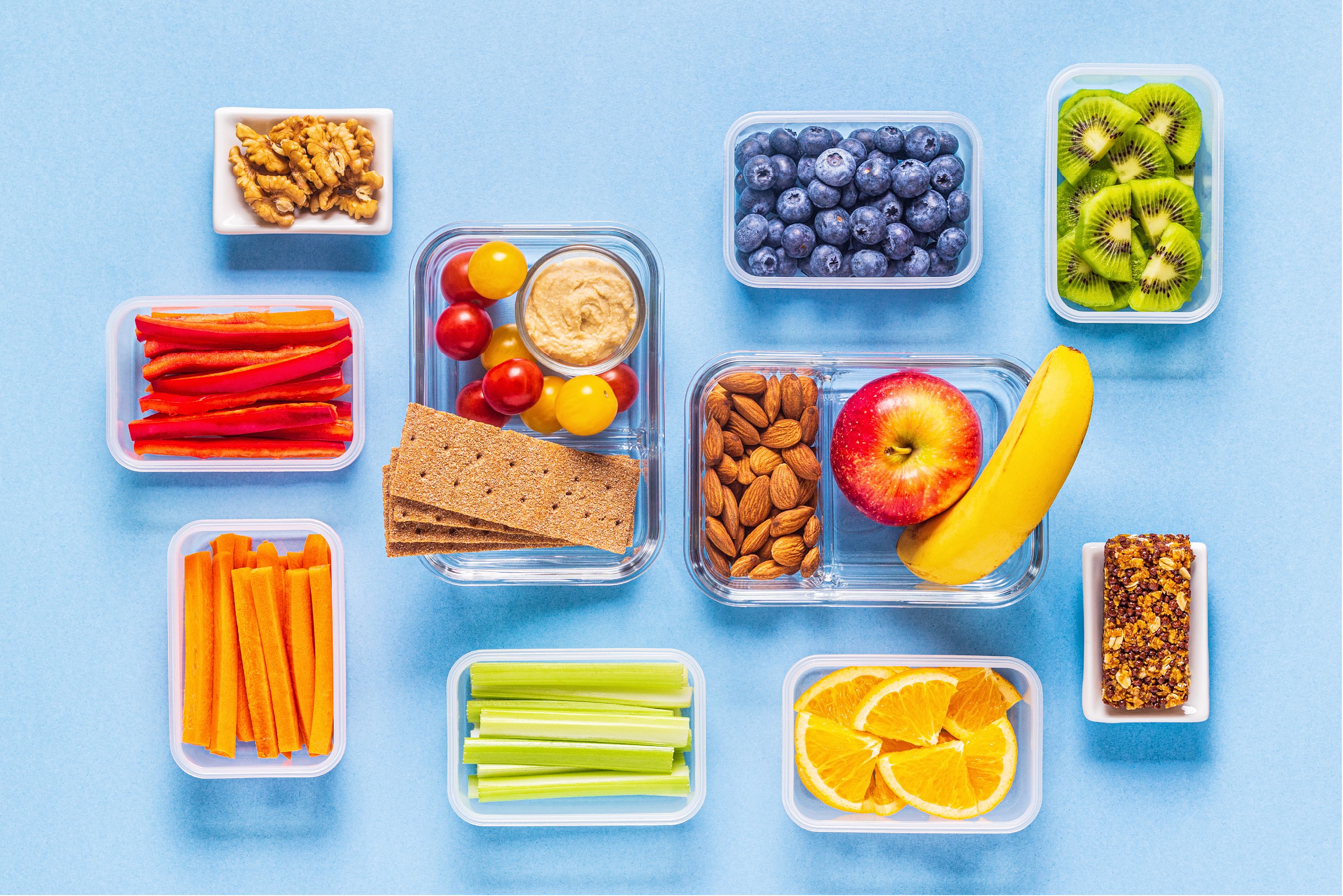
- Eat Smarter: Plan meals in advance, manage portion sizes, and choose nutrient-rich foods. Small, consistent dietary changes are often easier to maintain than restrictive diets.
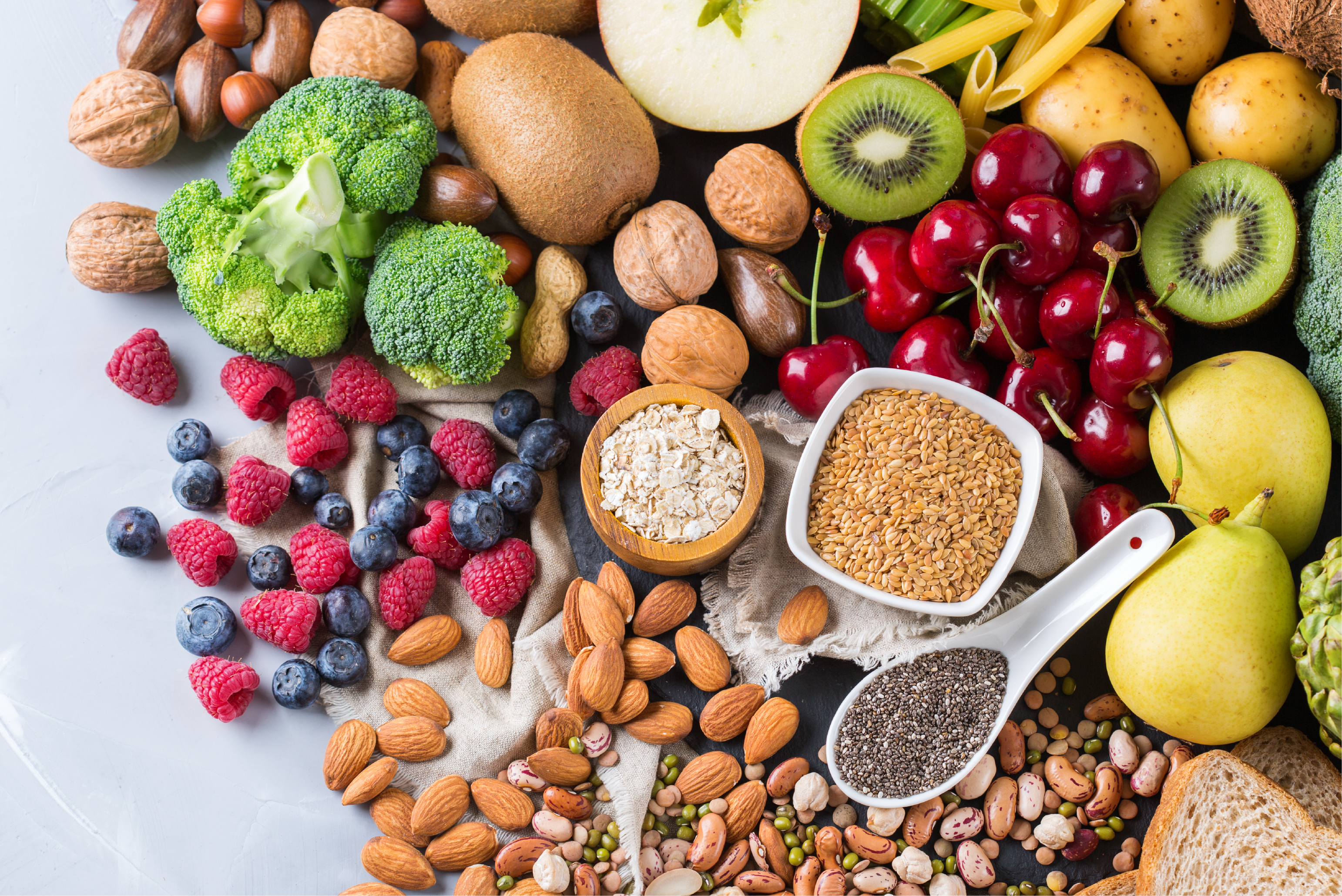
- Fuel Your Body: Include protein, vegetables, fruit, whole grains, and healthy fats in your diet. A balanced approach can help control hunger and support muscle maintenance during weight loss.
- Build Strength: Strength training helps preserve muscle while losing body fat. Regular activities such as walking, cycling, or swimming can also support calorie expenditure.
- Measure Progress: Look beyond the scales and monitor changes in body measurements, fitness, energy levels, and clothing fit. These can be valuable signs of progress.
- Stay Consistent: Maintain healthy eating habits, stay active, manage stress, and prioritise sleep. Consistency is one of the most important factors for keeping weight off long term.
Can Weight-Loss Injections Help You Reach a 20kg Weight-Loss Goal?
For eligible adults, weight loss injections can support significant weight reduction when combined with a reduced-calorie diet and increased physical activity. These treatments help regulate appetite, making it easier to consume fewer calories and maintain healthy lifestyle changes over time.
What Results Can You Expect from Different Treatments?
The amount of weight you may lose depends on factors such as your starting weight, treatment plan, and long-term adherence.
- Mounjaro injection has demonstrated weight-loss results of up to 22.5% of starting body weight in clinical studies over 72 weeks at the highest maintenance dose.
- Wegovy for weight loss has been shown to help people lose approximately 15% to 21% of their starting body weight over a similar period.
- For someone weighing 100kg, these results could equate to around 15kg to 22kg of weight loss, although individual outcomes vary.
How Important Is Long-Term Weight Maintenance?
Weight-loss treatments are most effective when used alongside sustainable lifestyle changes rather than as a standalone solution.
- Following a balanced diet and staying physically active can help maximise and maintain results.
- Appetite may gradually increase if treatment is stopped, which can make weight regain more likely for some people.
- Ongoing weight-management support and, where appropriate, continued treatment may help individuals maintain their weight loss over the longer term.
Weight-loss journeys are different for everyone, and knowing your options can help set realistic expectations. Online Weight Loss Clinic provides guidance on available treatment approaches.
Conclusion: Building a Sustainable Path to 20kg Weight Loss
Losing 20kg is a realistic goal for many people, but it requires patience, consistency, and a long-term approach. Most individuals achieve the best results by combining healthy eating habits, regular physical activity, and sustainable lifestyle changes that support gradual weight loss over time.
While clinically approved weight-management treatments may help eligible adults achieve significant weight loss, lasting success depends on maintaining healthy habits after reaching your target weight. Focusing on steady progress rather than quick fixes can help support both weight loss and long-term wellbeing.
GLP-1
Wegovy
A weekly GLP-1 treatment proven to reduce hunger and support meaningful, long-term fat loss.
- ✔~16.9% average body weight loss
- ✔Boosts metabolic & cardiovascular health
- ✔Proven, long-established safety profile
- ✔Weekly injection, easy to use
GLP-1 / GIP
Mounjaro
Dual-agonist support that helps curb appetite, hunger, and cravings to drive substantial, sustained weight loss.
- ✔~22.5% average body weight loss
- ✔Significant weight reduction
- ✔Improves blood sugar levels
- ✔Clinically proven weight loss
Frequently Asked Questions
How long does it usually take to lose 20kg?
For most people, losing 20kg can take approximately 5 to 10 months when following a safe and sustainable weight-loss plan.
Is losing 20kg in 3 months realistic?
For most individuals, losing 20kg in 3 months is considered too rapid and may be difficult to maintain. Gradual weight loss is generally recommended.
How much weight can I safely lose each month?
A realistic rate of weight loss is around 2kg to 4kg per month, although results vary based on individual circumstances.
Can I lose 20kg without exercise?
Weight loss is possible through dietary changes alone, but combining healthy eating with regular physical activity often produces better and more sustainable results.
Do weight-loss injections help with losing 20kg?
For eligible adults, weight-loss injections may support significant weight reduction when used alongside a reduced-calorie diet and increased physical activity.
What is the best diet for losing 20kg?
There is no single best diet. A balanced eating plan that includes protein, vegetables, fruit, whole grains, and healthy fats is often recommended.
Will I regain weight after losing 20kg?
Weight regain can occur if healthy habits are not maintained. Long-term success usually depends on ongoing lifestyle changes and weight-management strategies.
How do I maintain my weight after losing 20kg?
Maintaining weight loss involves continuing healthy eating habits, staying physically active, getting enough sleep, and managing stress consistently over time.