Losing weight over 60 is most successful when you take a gradual, sustainable approach rather than aiming for rapid results. A realistic target is around 1 to 2 lbs (0.5 to 1kg) per week, achieved by creating a modest daily calorie deficit while maintaining a nutritious, balanced diet.
Following the Eatwell Guide, staying physically active, and choosing exercises such as brisk walking or strength training can support losing weight over 60 safely. Building healthy habits that you can maintain long term is key to improving overall health and managing weight successfully.
GLP-1
Wegovy
A weekly GLP-1 treatment proven to reduce hunger and support meaningful, long-term fat loss.
- ✔~16.9% average body weight loss
- ✔Boosts metabolic & cardiovascular health
- ✔Proven, long-established safety profile
- ✔Weekly injection, easy to use
GLP-1 / GIP
Mounjaro
Dual-agonist support that helps curb appetite, hunger, and cravings to drive substantial, sustained weight loss.
- ✔~22.5% average body weight loss
- ✔Significant weight reduction
- ✔Improves blood sugar levels
- ✔Clinically proven weight loss
Key Takeaways for Healthy Weight Loss After 60
- ✔Aim for steady, sustainable weight loss with healthy daily habits rather than quick fixes.
- ✔Eat a balanced diet with plenty of protein, fibre, and nutrient-rich foods to help protect muscle and support overall health.
- ✔Combine strength training with low-impact cardio to improve fitness, mobility, and weight management.
- ✔Avoid restrictive diets, dehydration, and skipping protein, as these can slow your progress.
- ✔If clinically appropriate, prescription weight-loss treatments may support your lifestyle changes under professional supervision.
Is It Safe to Lose Weight After 60 in the UK?
For most adults, losing weight over 60 can be safe and beneficial when approached gradually and supported by healthy lifestyle changes. Rather than following restrictive diets, the focus should be on protecting muscle, maintaining bone health, and improving overall wellbeing with realistic, sustainable habits.
The Challenge of Muscle Loss
One of the biggest challenges with weight loss after 60 is the natural decline in muscle mass. Adults may lose around 1% to 2% of muscle each year after the age of 50, making it important to include strength-based activities such as resistance band exercises, yoga, or light weights. Combining these with a balanced eating plan can help preserve muscle while supporting healthy fat loss.
Prioritise Protein and Essential Nutrients
Successful weight loss for over 60 depends on getting enough protein and key nutrients, even though overall calorie needs are lower. Meals rich in lean protein, vegetables, fruit, wholegrains, fibre, and nutrients such as vitamin B12 can help maintain muscle, support energy levels, and provide the nutrition needed during a gradual weight loss journey.
Consult Your Healthcare Provider
Before starting weight loss over 60 women or men, it is sensible to speak with a healthcare professional, particularly if you have existing medical conditions or take regular medication. They can recommend a suitable eating plan, safe physical activity, and, where clinically appropriate, discuss evidence-based treatment options as part of a personalised weight management programme.
What Is a Realistic Weight-Loss Goal for Adults Over 60?
A safe and realistic goal for losing weight over 60 is around ½ to 1lb (0.25 to 0.5kg) per week, or approximately 5% to 10% of your starting body weight over six months. This gradual pace helps support long-term success while reducing the risk of losing muscle and bone mass, making it a healthier approach for older adults.
Why Are Weight-Loss Goals Different After 60?
- Focus on Body Composition: A healthy weight-loss plan should aim to reduce body fat while protecting muscle strength. Include regular strength-based activities, alongside a balanced eating plan, to support mobility and long-term health.
- Prioritise Protein: Eating enough protein each day helps maintain muscle and supports recovery during weight loss. Choose lean protein sources as part of a nutritious, balanced diet.
- Aim for Better Health, Not Perfection: Even modest weight loss can improve overall wellbeing, support joint health, increase mobility, and help manage conditions linked with excess weight.
- Create a Sustainable Calorie Deficit: Reducing your calorie intake gradually while staying physically active can encourage steady progress. Avoid extreme dieting, as a balanced and sustainable approach is safer and easier to maintain.
Can Prescription Weight-Loss Treatments Support Adults Over 60?
For some adults over 60, a clinically supervised weight loss treatment may complement a balanced diet, regular physical activity, and long-term lifestyle changes. Before treatment is prescribed, a healthcare professional will assess your overall health, medical history, and individual weight management goals to determine the most appropriate option.
Where clinically suitable, medicines such as Mounjaro for weight loss, the Wegovy injection, or the Wegovy pill may help reduce appetite and support sustainable weight management as part of a personalised care plan. Ongoing medical reviews help monitor progress, manage side effects, and ensure treatment continues to meet your individual needs.
Speak with the healthcare professionals at Online Weight Loss Clinic to understand your treatment options and receive personalised support throughout your weight management journey.
Which Weight-Loss Mistakes Should You Avoid After 60?
Successful losing weight after 60 is about more than simply eating less. Age-related changes in muscle mass, metabolism, and nutritional needs mean that healthy, sustainable habits are far more effective than restrictive diets or quick fixes. Avoiding common mistakes can help you achieve better long-term results while protecting your overall health.
Relying Only on Cardio
Walking, cycling, and swimming are excellent for cardiovascular fitness, but they should be combined with strength-based exercise. Resistance training helps preserve muscle, supports metabolism, and is an important part of managing weight and aging successfully.
Not Eating Enough Protein
Protein plays an essential role in maintaining muscle as you lose weight. Including lean protein sources with each meal can help preserve strength, improve fullness, and support healthy weight loss for women over 60 and men alike.
Forgetting to Stay Hydrated
Hydration is often overlooked but remains essential for overall health during weight loss. Drinking enough water throughout the day supports normal body functions and may help prevent thirst from being mistaken for hunger.
Depending on Processed Diet Foods
Foods labelled as "diet" or "low fat" can still contain added sugars or highly processed ingredients. Choosing whole foods such as lean proteins, vegetables, fruit, pulses, and wholegrains provides better nutrition and supports sustainable weight management.
Overlooking the Impact of Medication
Some prescribed medicines may influence appetite, body weight, or fluid balance. If your progress has stalled despite healthy lifestyle changes, speak with your healthcare professional, who can review your treatment and recommend the safest approach for your individual circumstances.
What Should You Eat When Trying to Lose Weight Over 60?
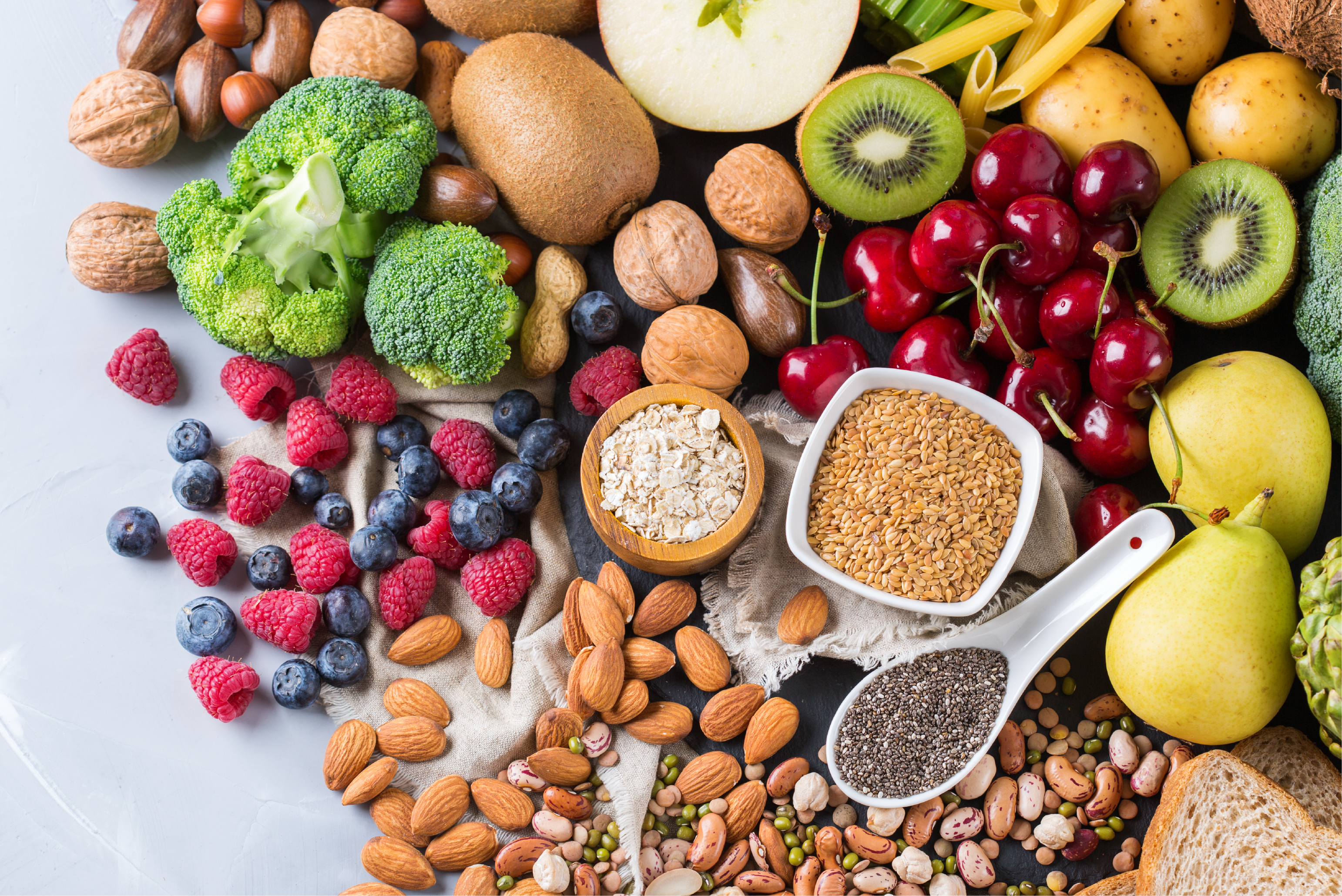
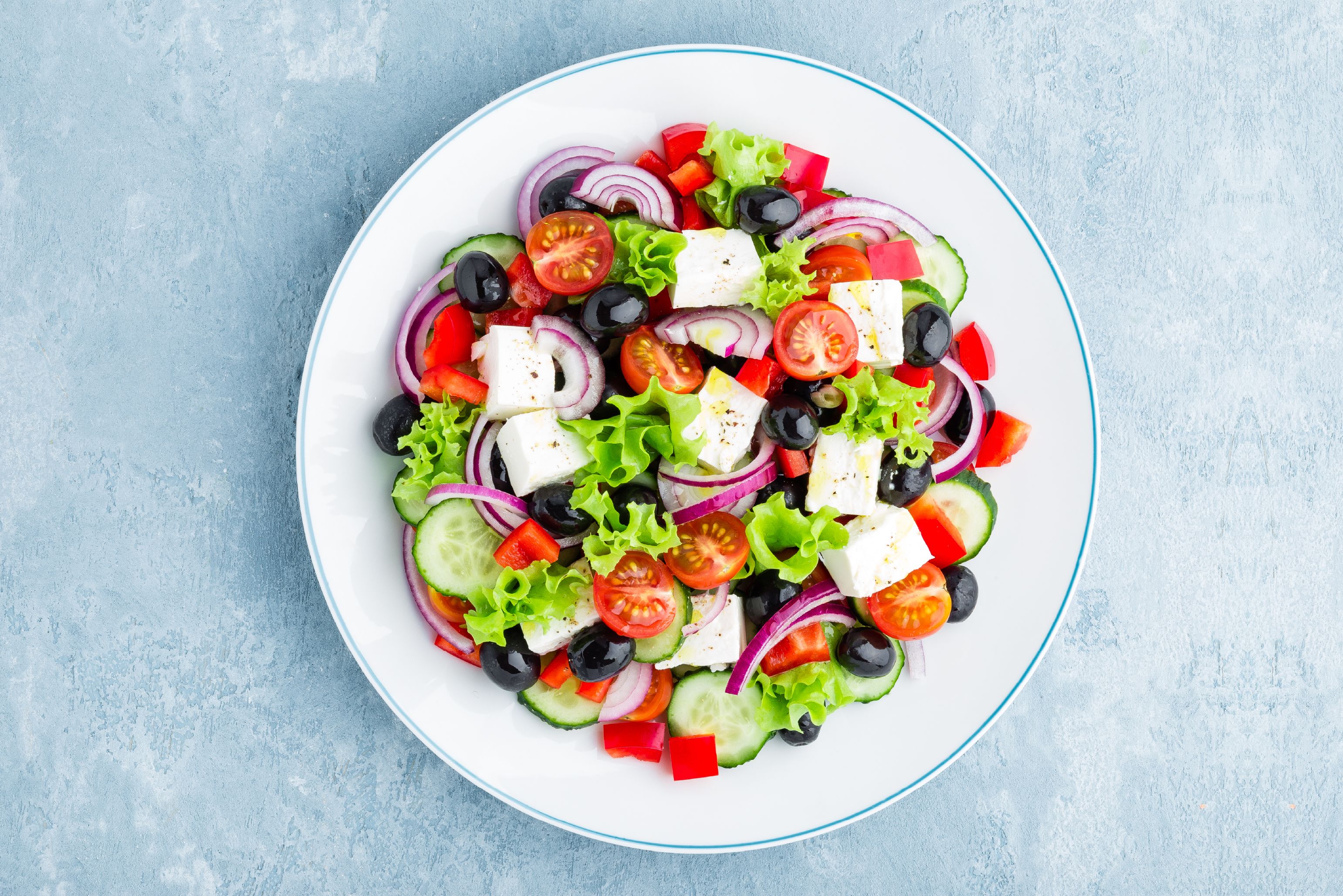
A balanced diet is essential for healthy weight loss after 60. Aim to fill half your plate with vegetables, include lean protein with every meal, choose wholegrain or high-fibre carbohydrates, and limit foods high in added sugars and saturated fats. This approach supports steady progress while helping to maintain muscle, bone health, and overall wellbeing.
- Choose Lean Protein: Include foods such as skinless chicken, fish, eggs, beans, or tofu to help preserve muscle and keep you feeling satisfied throughout the day.
- Eat More Fibre-Rich Foods: Wholegrains, vegetables, fruit, lentils, and beans provide lasting energy, support digestive health, and can help you stay fuller for longer.
- Include Healthy Fats: Moderate portions of foods such as nuts, seeds, avocados, and olive oil provide essential nutrients and support heart health as part of a balanced diet.
- Support Bone Health: Choose calcium- and vitamin D-rich foods, including low-fat dairy products, fortified alternatives, and leafy green vegetables, to help maintain healthy bones.
- Stay Well Hydrated: Drinking enough water each day supports normal body functions, helps regulate appetite, and is an important part of managing ageing and weight effectively.
What Types of Exercise Are Best for Losing Weight Over 60?
The best exercise plan for losing weight over 60 combines strength training with regular aerobic activity. This balanced approach helps preserve muscle, supports mobility, improves fitness, and encourages sustainable weight loss while being kinder to ageing joints.
- Strength Training: Bodyweight exercises, resistance bands, or light weights can help maintain muscle strength, improve balance, and support a healthy metabolism.
- Brisk Walking: A simple, low-impact activity that helps improve cardiovascular fitness, burn calories, and can easily be incorporated into your daily routine.
- Swimming and Water Aerobics: Exercising in water provides gentle resistance while reducing pressure on the joints, making it suitable for many older adults.
- Interval Walking: Alternating between a faster and a slower walking pace can increase the intensity of your workout while remaining joint friendly.
- Cycling or Elliptical Training: These low-impact aerobic exercises help improve endurance and support calorie burning with less strain on the knees and hips than higher-impact activities.
Conclusion: Take a Sustainable Approach to Weight Loss After 60
Losing weight over 60 is most effective when you focus on gradual, sustainable lifestyle changes rather than quick fixes. A balanced diet, regular physical activity, and realistic goals can help improve overall health while supporting muscle strength, mobility, and long-term weight management.
If lifestyle changes alone are not enough, a healthcare professional can assess whether additional support is appropriate based on your individual health needs. A personalised approach, regular monitoring, and healthy daily habits offer the best foundation for achieving and maintaining lasting results safely.
GLP-1
Wegovy
A weekly GLP-1 treatment proven to reduce hunger and support meaningful, long-term fat loss.
- ✔~16.9% average body weight loss
- ✔Boosts metabolic & cardiovascular health
- ✔Proven, long-established safety profile
- ✔Weekly injection, easy to use
GLP-1 / GIP
Mounjaro
Dual-agonist support that helps curb appetite, hunger, and cravings to drive substantial, sustained weight loss.
- ✔~22.5% average body weight loss
- ✔Significant weight reduction
- ✔Improves blood sugar levels
- ✔Clinically proven weight loss
FAQs
Is it harder to lose weight after the age of 60?
Yes. Ageing naturally slows metabolism and reduces muscle mass, making weight loss more challenging. However, a balanced diet, regular exercise, and consistent healthy habits can still lead to successful long-term results.
How much weight is it safe to lose each week after 60?
A gradual rate of around ½ to 1lb (0.25 to 0.5kg) per week is generally considered a realistic and sustainable target for most older adults.
How much protein should adults over 60 eat?
Protein needs vary between individuals. Including lean protein with each meal can help maintain muscle mass and support healthy weight management as part of a balanced diet.
Can walking alone help with weight loss after 60?
Walking is an excellent low-impact exercise that supports calorie burning and cardiovascular health. Combining it with strength training usually provides better long-term results.
Are weight-loss medications suitable for adults over 60?
Some adults may be eligible for prescription treatments following a clinical assessment. A healthcare professional will determine whether treatment is appropriate based on your medical history and individual needs.
Which foods should I limit when trying to lose weight?
Limiting foods high in added sugars, refined carbohydrates, and saturated fats while choosing whole, nutrient-rich foods can support healthier weight management.
Why is strength training important after 60?
Strength training helps preserve muscle mass, improve balance, and support mobility, making it an important part of a healthy weight-loss programme for older adults.
How can I maintain weight loss after reaching my goal?
Maintaining a balanced diet, staying physically active, monitoring your weight regularly, and continuing healthy lifestyle habits can help you maintain your results over the long term.