
Weight loss journeys with Mounjaro can lead people to explore additional treatments, including Botox, especially as facial features change during weight reduction. The question many patients ask is whether Mounjaro and botox can work alongside each other. Generally, they can, but timing, side effects and personal circumstances should guide decisions.
The key considerations are how your body is adjusting to treatment, including side effects, weight loss progress and changes in facial appearance. Appetite changes, nausea, weight loss pace and shifts in facial volume may affect aesthetic choices. A healthcare professional can help determine when Botox is suitable during your Mounjaro journey.
Key Takeaways: Mounjaro and Botox
- ✔Mounjaro and Botox work in different ways, and there is currently no known direct interaction between the two treatments.
- ✔Botox can often be considered while taking Mounjaro, depending on your health, treatment stage and individual circumstances.
- ✔Weight loss with Mounjaro may change facial volume and contours, which can affect how Botox results appear.
- ✔Changes in facial appearance do not necessarily mean Botox is less effective.
- ✔Botox timing should be based on your wellbeing, Mounjaro side effects and treatment stability rather than a fixed waiting period.
- ✔Keeping your injector informed about your Mounjaro use helps ensure a safe and personalised treatment approach.
GLP-1 / GIP
Mounjaro
Dual-agonist support that helps curb appetite, hunger, and cravings to drive substantial, sustained weight loss.
- ✔~22.5% average body weight loss
- ✔Significant weight reduction
- ✔Improves blood sugar levels
- ✔Clinically proven weight loss
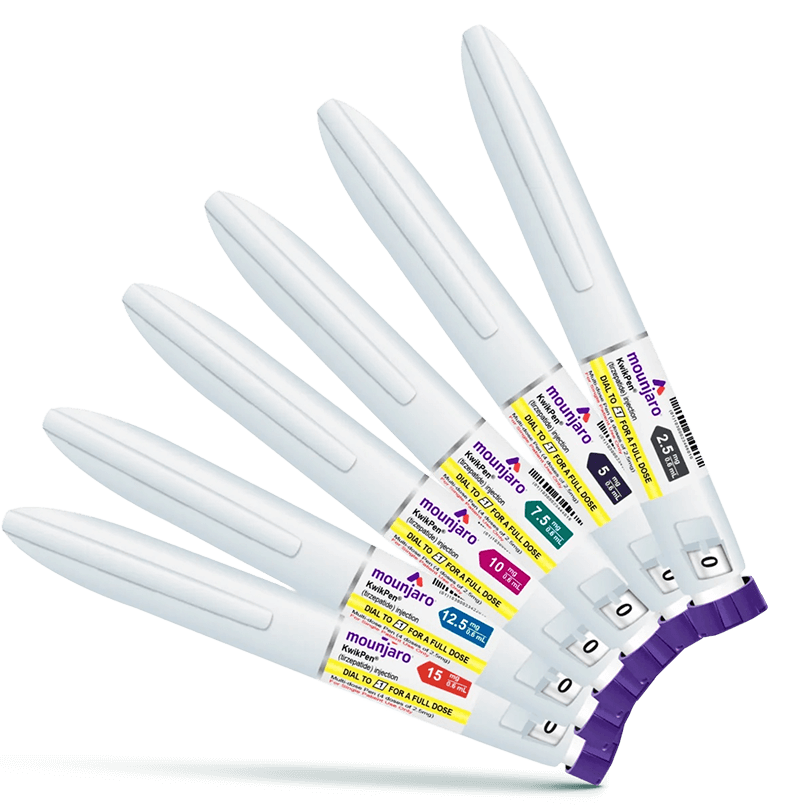
Understanding Mounjaro and Botox: How They Work
Mounjaro and Botox are two treatments designed for different purposes. Mounjaro supports weight management by influencing appetite and metabolic signals, while Botox is an aesthetic treatment that targets specific facial muscles. Understanding these differences helps explain how each treatment works within the body.
Mounjaro and Weight Loss
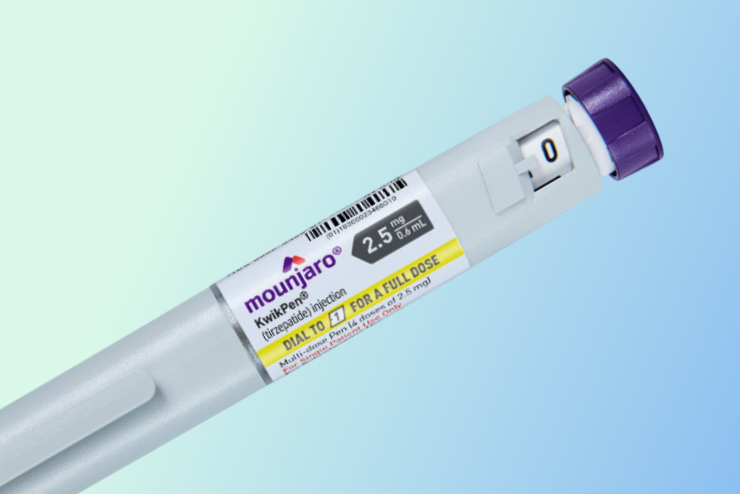
Mounjaro (tirzepatide) works by activating GIP and GLP-1 hormone receptors involved in appetite control, digestion and blood sugar regulation. By helping people feel fuller for longer and reducing hunger signals, it supports weight loss alongside healthy lifestyle changes.
Botox and Facial Lines
Botox contains botulinum toxin type A, which temporarily reduces muscle activity by blocking nerve signals in targeted areas. It is commonly used to soften dynamic wrinkles, including forehead lines, frown lines and crow’s feet caused by repeated facial movements.
Different Ways They Work
Mounjaro works through metabolic pathways throughout the body, while Botox acts locally on specific muscles. Since they affect different systems, their functions do not directly overlap, although weight loss changes may influence how people approach aesthetic treatments.
Can You Have Botox While Taking Mounjaro?
Yes, many people may be able to have Botox while taking Mounjaro if they are considered suitable for treatment. There is currently no known direct interaction between tirzepatide (Mounjaro) and Botox. However, your healthcare professional may consider factors such as your current dose, side effects, overall health and stage of weight loss before treatment.
Is There a Direct Interaction?
Current evidence does not show a confirmed interaction between Mounjaro and Botox when both treatments are used appropriately. Their different mechanisms mean they are not expected to interfere with each other’s primary effects.
The main consideration is your individual situation rather than a direct drug reaction. Your injector should know that you are using Mounjaro, as they may assess your treatment stage, wellbeing and any ongoing side effects before proceeding.
When Botox May Need to Be Delayed
Although using Botox and Mounjaro together may be suitable for some people, Botox may be postponed if you are experiencing symptoms that could affect your wellbeing during treatment.
A delay may be recommended if you have:
- Significant nausea or vomiting
- Signs of dehydration
- Feeling unwell or unusually fatigued
- An acute illness or infection
- Concerns identified during your pre-treatment assessment
Waiting until these issues improve can help ensure you are in a suitable condition for Botox. Your healthcare professional or injector can advise on the most appropriate timing based on your circumstances.
How Does Weight Loss on Mounjaro Affect Botox Results?
Mounjaro does not directly stop Botox from working, but weight loss can change how your face looks after treatment. Botox targets muscle activity, while Mounjaro-related weight loss can affect facial volume, skin support and contours. These changes may influence cosmetic results without meaning Botox has become less effective.
Facial Fat Loss Can Change Appearance
Weight loss can reduce fullness in areas such as the cheeks, temples and jawline, which may alter facial proportions. When the underlying structure changes, Botox results may appear different because there is less volume supporting the skin. These changes are related to weight reduction rather than a reaction between Botox and Mounjaro.
Skin Elasticity May Affect Results
The skin’s ability to adapt during weight loss can influence facial appearance after cosmetic treatments. Factors such as age, weight loss speed and natural skin elasticity may affect firmness and smoothness. Some people refer to these changes as Mounjaro face aging, although they are linked to volume changes rather than accelerated ageing.
Botox Effectiveness Is Separate
Botox continues to work by reducing muscle movement in targeted areas. However, changes in facial structure during weight loss can influence how those results appear. A difference in appearance does not always mean Botox is wearing off or working differently.
Treatment Plans May Need Adjusting
As weight loss progresses and your facial features change, your injector may reassess treatment areas, dosage or timing. Reviewing your Botox plan after your weight stabilises can help ensure results remain balanced and suited to your current facial structure and aesthetic goals.
When Should You Schedule Botox Around Mounjaro?
Botox timing is usually based on your wellbeing, treatment stage and how your body is responding to Mounjaro rather than needing to separate the two treatments. The timing is less about separating the two treatments and more about choosing a point when you feel well and your body has adjusted to your medication.
Before or After Mounjaro Injection?
There is no required rule to have Botox before or after your Mounjaro injection. However, it may be helpful to avoid booking Botox during the early adjustment phase or while your dose is being increased, as side effects can be more noticeable during these periods.
Choosing a time when your Mounjaro dose is stable and you are feeling well can make the treatment experience more comfortable. Your injector can also advise based on your individual circumstances.
If You Have Side Effects
If you experience Mounjaro side effects such as nausea, vomiting, fatigue or dehydration, it may be best to postpone Botox until you feel better. Delaying treatment in these situations is mainly about ensuring you feel well enough for the procedure and allowing your practitioner to assess your suitability.
It is also important to tell your aesthetic practitioner that you are taking Mounjaro, including any recent dose changes or side effects. As weight loss can change facial volume and skin support, your injector can consider these factors when planning Botox treatment and provide advice that suits your changing facial features.
What Should You Tell Your Botox Provider Before Treatment?
Before having Botox while taking Mounjaro, share key details with your injector so they can assess your suitability and plan treatment appropriately.
- Confirm that you are taking Mounjaro (tirzepatide).
- Share your current dose, treatment duration and any recent dose increases.
- Mention side effects such as nausea, vomiting, reduced appetite, fatigue or dehydration.
- Explain your weight loss progress and whether your weight is still changing significantly.
- Provide details of other medicines, medical conditions and previous cosmetic treatments.
- Discussing your full medical and aesthetic history helps your practitioner make informed decisions and tailor your Botox treatment safely.
If you are considering Mounjaro for weight management, an online consultation can help you understand your suitability, treatment options and the next steps based on your individual needs.
Conclusion: Managing Mounjaro and Botox Together
Using Mounjaro and botox together may be suitable for some people, but decisions should be based on individual health, treatment progress and how your body responds to weight loss. Understanding how each treatment works can help you set realistic expectations and recognise when adjustments may be needed.
As weight loss changes facial volume, skin support and overall features, Botox results may appear different over time without meaning the treatment is less effective. Online Weight Loss Clinic provides personalised weight management support, helping patients understand their treatment options and make informed choices throughout their weight loss journey.
GLP-1 / GIP
Mounjaro
Dual-agonist support that helps curb appetite, hunger, and cravings to drive substantial, sustained weight loss.
- ✔~22.5% average body weight loss
- ✔Significant weight reduction
- ✔Improves blood sugar levels
- ✔Clinically proven weight loss
FAQs: Mounjaro and Botox
Can Mounjaro affect Botox results?
Mounjaro does not directly affect how Botox works, but weight loss can change facial volume and contours. These changes may alter how your results appear over time, even when Botox is working as expected.
Does Mounjaro cause facial ageing?
Mounjaro does not cause premature ageing, but weight loss can reduce facial fat and change skin support. Some people describe these changes as “Mounjaro face aging”, although they are linked to volume loss rather than ageing caused by the medication.
Can I have dermal fillers while taking Mounjaro?
Some people may consider dermal fillers during or after weight loss, but suitability depends on individual factors. A qualified practitioner can assess changes in facial volume and recommend the most appropriate approach.
Should I wait until I reach my goal weight before having Botox?
Not necessarily. Botox can be considered during your weight loss journey, but your facial features may continue changing. Some people prefer to review cosmetic plans once their weight becomes more stable.
Does losing weight make wrinkles more noticeable?
Weight loss can sometimes make wrinkles appear more visible due to reduced facial volume or changes in skin support. This does not mean the skin has been damaged; it may reflect changes in facial structure.
Can Mounjaro change my face shape?
Yes, weight loss with Mounjaro can change facial contours by reducing fat in areas such as the cheeks, temples and jawline. The extent of change varies between individuals.
How long do Botox results usually last while losing weight?
Botox duration varies between individuals and depends on factors such as the treated area, muscle activity and personal response. Weight loss may change how results appear, but it does not guarantee that Botox will wear off faster or slower.
Can I stop Mounjaro before having Botox?
You should not change or stop your Mounjaro treatment plan specifically for Botox unless this has been discussed with your prescribing healthcare professional. The decision should be based on your overall health, treatment goals and individual circumstances.