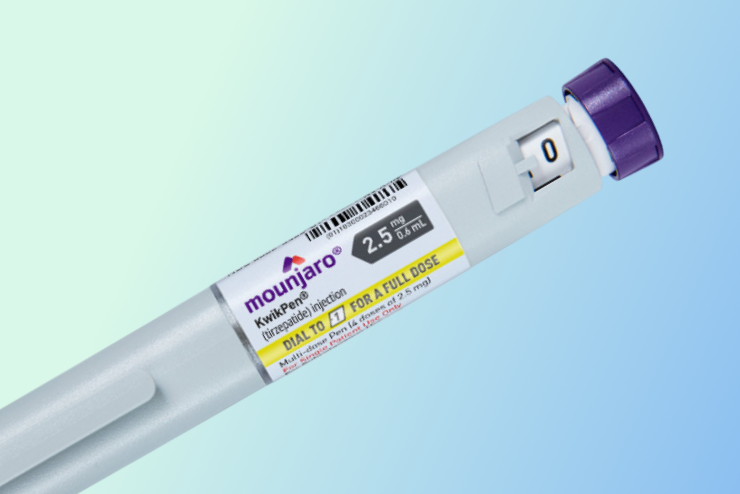

A sudden dizzy spell when standing up or walking can be unsettling, especially after starting Mounjaro (tirzepatide). Although Mounjaro can cause dizziness, dehydration, reduced food intake and lower blood pressure may also contribute. Low blood sugar is another concern, particularly when treatment is combined with insulin or certain diabetes medicines.
Dizziness does not always feel the same. You might become briefly light-headed, feel weak or struggle with your balance. Noticing when symptoms begin, how long they last and whether nausea or fainting occurs can help identify possible causes. This guide explains Mounjaro and dizziness, practical relief methods and warning signs.
GLP-1 / GIP
Mounjaro
Dual-agonist support that helps curb appetite, hunger, and cravings to drive substantial, sustained weight loss.
- ✔~22.5% average body weight loss
- ✔Significant weight reduction
- ✔Improves blood sugar levels
- ✔Clinically proven weight loss
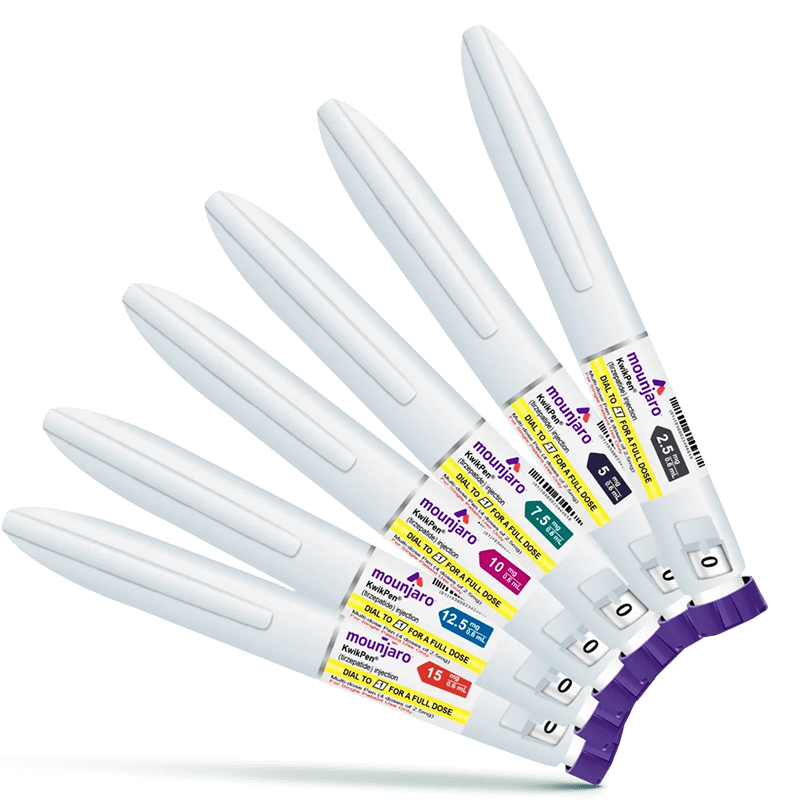
Key Insights About Mounjaro and Dizziness
- ✔Dizziness is a common Mounjaro side effect, affecting up to 1 in 10 people using it for weight management.
- ✔Dehydration, reduced food intake, low blood pressure and hypoglycaemia may contribute to dizziness.
- ✔Symptoms may occur after starting treatment or increasing the dose, with no fixed recovery timeframe.
- ✔Resting, staying hydrated, eating balanced meals and monitoring blood sugar where appropriate may help manage symptoms.
- ✔Persistent or worsening dizziness, fainting or severe accompanying symptoms require medical attention.
- ✔Never change your Mounjaro dose independently; discuss recurring dizziness with your prescribing clinician.
Can Mounjaro Make You Feel Dizzy?
Dizziness is a recognised side effect of Mounjaro (tirzepatide) when used for weight management. According to the UK Patient Information Leaflet, it is classed as common, meaning it can affect up to 1 in 10 people. Symptoms may include feeling faint, light-headed or briefly losing your sense of balance.
However, dizziness during treatment does not always result directly from the medication. Changes in hydration, food intake or blood pressure may also play a role. Considering when dizziness develops and whether other symptoms occur alongside it can help your clinician identify possible contributing factors.
How Long Can Dizziness Last While Taking Mounjaro?
Dizziness during Mounjaro treatment can vary in duration and frequency. Some people experience brief spells of light-headedness, while others notice repeated episodes over several days. Symptoms may appear during the early stages of treatment or following a dose increase, particularly when accompanied by dehydration or reduced food intake.
Mild dizziness may gradually settle as your body adapts to treatment and contributing factors improve. The time it takes for symptoms to improve may depend on their underlying cause and whether contributing factors have been addressed. If dizziness persists for weeks, becomes increasingly troublesome or affects everyday activities, your prescribing clinician should investigate whether another health condition or treatment-related issue is responsible.
Possible Causes of Dizziness During Mounjaro Treatment
Several factors may explain Mounjaro and dizziness, including changes in blood sugar, fluid balance, blood pressure and nutritional intake. The symptoms you experience alongside dizziness can help identify the underlying problem. For example, dizziness when standing may suggest low blood pressure, while shaking and sweating could indicate hypoglycaemia.
Low Blood Pressure and Postural Changes
Blood pressure may decrease during Mounjaro treatment, partly due to weight loss. In the SURMOUNT-1 trial, dizziness was reported in 4.6% of participants receiving tirzepatide, compared with 2.3% taking placebo. A sudden blood pressure drop when standing, known as postural hypotension, may explain brief episodes of light-headedness.
Reduced Food Intake
A smaller appetite is an expected effect of Mounjaro, but consistently eating too little can leave you feeling weak or unsteady. Missing meals may also contribute to tiredness, making Mounjaro fatigue and dizziness noticeable together. Maintaining adequate nutrition is important even when your appetite has decreased considerably.
Fluid Loss and Dehydration
Vomiting, diarrhoea and nausea can make it difficult to maintain adequate hydration while using Mounjaro. Fluid loss, combined with drinking less than usual, may lead to dizziness. Other clues include headaches, increased thirst, a dry mouth and dark urine. These symptoms may suggest dehydration rather than a direct reaction to tirzepatide.
Changes in Blood Sugar Levels
Although Mounjaro helps control blood glucose, the risk of hypoglycaemia increases when it is used with insulin or sulphonylureas. Low blood sugar may cause trembling, sweating, a racing heartbeat, confusion or dizziness. People taking these medicines may need closer glucose monitoring and clinician-guided treatment adjustments.
Early Treatment and Dose Increases
Starting Mounjaro or increasing its dose can bring changes in appetite and digestive comfort. Some people may experience dizziness during these periods, particularly if their food or fluid intake decreases. However, ongoing or worsening symptoms should be investigated rather than assumed to be a normal part of treatment.
Allergic Reactions
A sudden dizzy spell accompanied by facial swelling, breathing difficulties, throat tightness or a spreading rash could indicate a serious allergic reaction. Although severe allergic reactions to Mounjaro are rare, they require immediate medical attention.
Other Health Conditions
Dizziness is not always connected to weight loss medication. Inner-ear problems, anaemia, infections and certain prescription medicines can also affect balance or cause light-headedness. If your symptoms continue despite adequate food and fluid intake, a healthcare professional may need to investigate other medical causes.
How to Manage Dizziness While Taking Mounjaro
Feeling dizzy during Mounjaro treatment can affect your balance and increase the risk of falling. Taking immediate precautions and addressing possible causes, such as dehydration or insufficient food intake, may help relieve mild symptoms. Repeated episodes should be monitored to identify whether further medical assessment is needed.
Rest Until the Dizziness Passes
Find a safe place to sit or lie down as soon as you become light-headed. Avoid sudden movements and allow yourself time to recover before standing again. Getting up slowly, particularly after resting or sleeping, may help prevent dizziness linked to a sudden drop in blood pressure.
Maintain Adequate Hydration
Drinking enough fluids is especially important if you experience vomiting or diarrhoea while taking Mounjaro. Take frequent, small sips of water throughout the day to replace lost fluids. Oral rehydration solutions may be helpful following significant fluid loss, but follow medical advice if you have fluid restrictions.
Maintain Balanced Nutrition
Even when Mounjaro reduces your appetite, your body still needs sufficient energy and nutrients. Aim for regular, nutritious meals rather than going long periods without eating. If dizziness occurs alongside weakness or tiredness, reviewing your daily food intake may help identify whether inadequate nutrition is contributing.
Monitor Blood Glucose
If you have diabetes and monitor your blood sugar, check your glucose when dizziness occurs, particularly if you also experience sweating, trembling or confusion. A reading below 4 mmol/L indicates hypoglycaemia and requires prompt treatment. Follow your diabetes care plan or the NHS guidance on low blood sugar.
Limit Activities That Require Balance
Avoid driving, cycling, using heavy machinery or working at heights until you feel completely steady. Dizziness can affect concentration and coordination, increasing the chance of accidents. If symptoms develop while walking, stop and use nearby support until your balance returns.
Record Episodes and Possible Triggers
Keep a brief record of when dizziness occurs, its duration and any related symptoms. Include details such as missed meals, fluid intake, recent dose increases or digestive problems. Your prescriber can use this information to assess possible causes and recommend appropriate care. Do not independently change or stop your Mounjaro dose.
When to Seek Medical Attention for Mounjaro Dizziness
Occasional light-headedness during Mounjaro treatment may improve with rest, adequate hydration or food. However, dizziness that becomes frequent, worsens or affects your daily routine should be assessed by a healthcare professional. Certain symptoms may indicate a more serious problem requiring immediate medical attention.
Seek urgent medical help if dizziness is accompanied by:
- Fainting or confusion: Loss of consciousness, severe weakness or difficulty staying alert.
- Severe dizziness: Sudden, intense symptoms that do not improve with rest.
- Persistent low blood sugar: Hypoglycaemia that does not respond to appropriate treatment.
- Breathing difficulties or swelling: Trouble breathing or swallowing, particularly with swelling of the face, lips, tongue or throat.
- Repeated vomiting: Inability to retain fluids or signs of worsening dehydration.
- Significant fluid loss: Very little urine, extreme thirst or severe weakness.
- Neurological symptoms: Sudden speech difficulties, facial drooping or weakness affecting one side of the body.
Call 999 for potentially life-threatening symptoms, including stroke signs, severe allergic reactions or loss of consciousness.
Persistent dizziness should not be overlooked, as it may indicate dehydration, low blood sugar or another underlying health problem. If symptoms continue but do not require urgent care, an online consultation with a qualified prescribing clinician can help assess possible causes, review your Mounjaro treatment and recommend appropriate next steps.
Conclusion: Managing Dizziness on Mounjaro
Understanding how your body responds to Mounjaro can help you recognise changes in dizziness and respond appropriately. While mild episodes may improve with rest and simple adjustments, repeated or worsening symptoms need closer attention. Recognising possible triggers can help you manage dizziness without overlooking important health concerns.
At Online Weight Loss Clinic, our qualified healthcare professionals can assess ongoing dizziness, review your medication and provide personalised advice based on your treatment needs. Professional guidance can help you address symptoms safely while continuing towards your weight management goals.
FAQs About Mounjaro and Dizziness
Can Mounjaro cause dizziness the day after an injection?
Some people may notice dizziness the day after taking Mounjaro, but there is no established timeframe for when it occurs. The timing alone cannot confirm that the injection is responsible, particularly when other factors may contribute.
Is dizziness more common with Mounjaro than Wegovy?
Both Mounjaro and Wegovy can cause dizziness during weight management treatment. However, differences between clinical trials make direct comparisons difficult, and there is insufficient evidence to establish which medication causes dizziness more frequently.
Can Mounjaro cause dizziness without nausea?
Yes. Dizziness can occur without nausea or other digestive symptoms. Since dizziness has several possible causes, experiencing it alone does not necessarily indicate a digestive side effect or confirm that Mounjaro is responsible.
Can Mounjaro cause vertigo?
Mounjaro may cause dizziness, but vertigo is a specific sensation of spinning or movement. These symptoms are not identical, and vertigo may indicate an inner-ear or balance disorder requiring medical assessment.
Can Mounjaro cause dizziness at night?
Dizziness may occur at any time during treatment, including at night. However, there is no established evidence that Mounjaro specifically causes nighttime dizziness. The timing and accompanying symptoms may help identify other contributing factors.
Is dizziness a sign that Mounjaro is working?
No. Feeling dizzy does not indicate that Mounjaro is producing better weight loss results. Treatment effectiveness is assessed through weight changes, health improvements and clinical monitoring rather than the presence of side effects.
Can Mounjaro cause headaches and dizziness together?
Yes. Headaches and dizziness may occur together during treatment, sometimes due to dehydration, reduced food intake or other contributing factors. Persistent or worsening symptoms should be discussed with your prescribing clinician.
Can Mounjaro cause dizziness even at the lowest dose?
Yes. Dizziness can occur at any prescribed Mounjaro dose, including the starting 2.5 mg dose. Individual responses vary, and experiencing symptoms at a lower dose does not necessarily mean they will worsen as treatment continues.