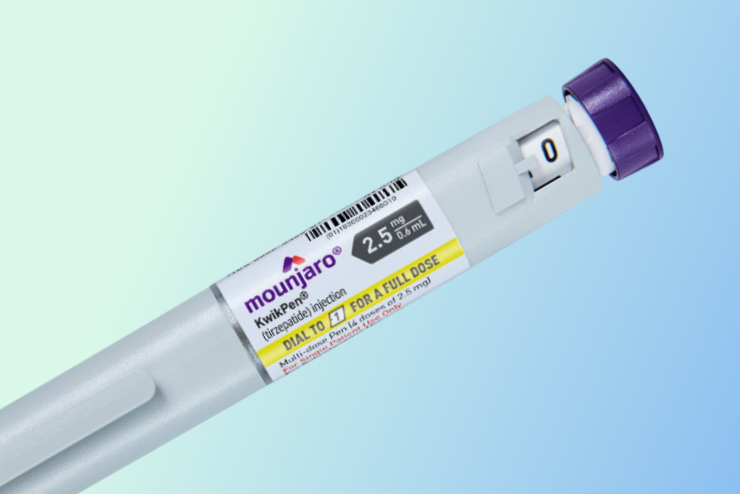
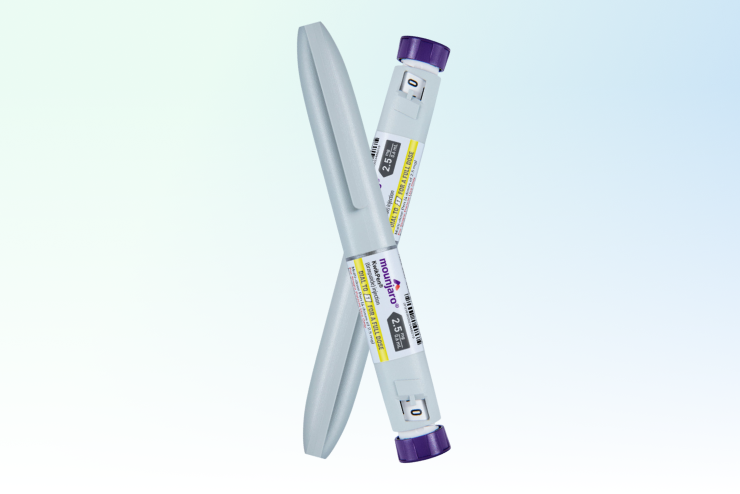
A metallic, bitter or strange aftertaste can occasionally appear while taking Mounjaro (tirzepatide). Taste changes are not among its most prominent common side effects, and the injection may not always be the direct cause. Dry mouth, reflux, slower digestion or altered eating patterns can influence how familiar foods, drinks and even water taste.
Mounjaro may be associated with altered taste, but its cause and timing can differ between individuals. Some notice it around treatment changes or alongside nausea, thirst or digestive discomfort. Hydration, oral care and dietary adjustments may help make the sensation manageable, while persistent changes that interfere with eating or drinking warrant medical advice.
Key Facts About Mounjaro and Metallic Taste
- ✔Mounjaro can cause altered taste, or dysgeusia, but it affects fewer than 1 in 100 people.
- ✔Reflux, dry mouth, dietary changes, oral health and other medicines may also contribute to a metallic taste.
- ✔Taste changes can feel metallic, bitter, salty or like a general unpleasant aftertaste.
- ✔Staying hydrated, maintaining good oral hygiene and managing reflux triggers may help.
- ✔There is no fixed duration, and symptoms may improve as the body adjusts to treatment.
- ✔Speak to your prescriber if the taste persists, worsens or interferes with eating or drinking.
GLP-1 / GIP
Mounjaro
Dual-agonist support that helps curb appetite, hunger, and cravings to drive substantial, sustained weight loss.
- ✔~22.5% average body weight loss
- ✔Significant weight reduction
- ✔Improves blood sugar levels
- ✔Clinically proven weight loss
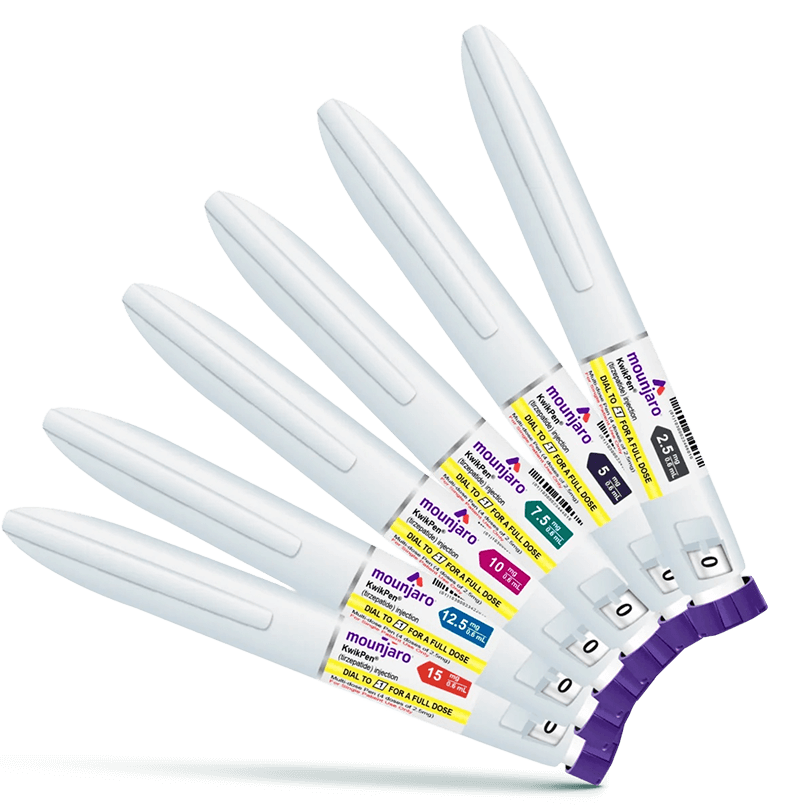
Mounjaro and Metallic Taste: Is There a Link?
Yes. Mounjaro (tirzepatide) can cause a metallic or altered taste, medically known as dysgeusia. It is considered an uncommon side effect, affecting fewer than 1 in 100 people. A metallic taste in the mouth on Mounjaro does not, however, suggest that the medicine is damaging the taste buds.
The sensation may have more than one explanation. Mounjaro can influence digestion and appetite, while reflux, nausea, dry mouth, reduced food intake and dietary changes during weight loss may alter how flavours are perceived. Noticing a Mounjaro taste in the mouth soon after an injection can suggest a connection, but timing alone cannot establish the underlying cause.
Metallic, Bitter and Bad Taste: How They Differ
Altered taste does not always feel the same. Some people notice metal, while others experience bitterness, saltiness or a strange aftertaste in the mouth. Identifying the sensation can provide useful clues about what may be contributing to the change.
Metallic Taste
A metallic taste typically resembles coins, foil or sometimes blood and may linger even when you have not eaten. A metallic taste in the mouth on Mounjaro may occur during treatment, but medicines are only one possible explanation. Dry mouth, gum problems, nutritional deficiencies and other health factors can also affect taste.
Bitter Taste
A bitter taste tends to feel sharp and unpleasant, sometimes lingering towards the back of the mouth or throat. Digestive problems such as acid reflux can allow stomach contents to reach the throat and influence taste. This may be particularly relevant when a Mounjaro bad taste in the mouth occurs alongside heartburn or indigestion.
General Bad or Foul Taste
A bad or foul taste is broader and may be difficult to describe as specifically metallic, bitter or sour. Dry mouth, bacteria, dental problems and changes in oral hygiene can all contribute. If your mouth tastes of salt or food suddenly tastes unusual, the sensation may represent another form of altered taste rather than a metallic taste specifically.
Why Might Mounjaro Cause or Contribute to a Metallic Taste?
A Mounjaro metallic taste may have several possible explanations rather than one clear cause. Delayed stomach emptying, reflux, dehydration and metabolic changes can influence taste during treatment. Mounjaro’s effects on appetite and hormone signalling may also play a part in how flavours are experienced.
Digestive Changes and Acid Reflux
Mounjaro delays gastric emptying, so food moves from the stomach more slowly. This can contribute to digestive symptoms such as indigestion, regurgitation or acid reflux in some people. Even mild reflux may bring stomach contents towards the throat, leaving a lingering metallic, sour or bitter taste that is noticeable between meals.
Dry Mouth and Reduced Saliva
Reduced appetite, nausea or simply drinking less can contribute to dehydration and dry mouth, while vomiting or diarrhoea can increase fluid loss. Saliva normally moistens the mouth and helps clear food particles and other substances. When saliva production falls, an unpleasant taste may become more noticeable or linger for longer.
Metabolic Changes During Weight Loss
Eating substantially less or going longer between meals can change how the body uses energy. If carbohydrate intake becomes low enough, increased fat breakdown produces ketones, which can affect breath and taste. This could explain a strange aftertaste in the mouth for some people, although metallic taste alone does not confirm ketosis.
Brain and Hormone Signalling
Tirzepatide acts on GLP-1 and GIP receptors, influencing appetite, digestion and signalling between the gut and brain. These pathways may potentially affect how taste or smell is perceived during treatment. However, the precise relationship between Mounjaro and sensory changes remains uncertain, so this should be considered a possible mechanism rather than an established cause.
Oral and Dietary Factors
Mounjaro is not the only possible explanation when food suddenly tastes different. A coated tongue, gum problems, poor oral hygiene, certain foods, vitamin or mineral supplements and other medicines can produce similar changes. These alternative causes are particularly worth considering when a metallic taste in the mouth on Mounjaro persists without other digestive symptoms.
How to Get Rid of a Metallic Taste While Taking Mounjaro
A Mounjaro metallic taste may be easier to manage by keeping the mouth moist, maintaining good oral hygiene and adjusting eating habits. Because slower digestion, reflux, dry mouth and metabolic changes can contribute, the most useful strategy depends on what appears to trigger the taste.
- Sip water regularly: Staying hydrated supports saliva production and helps rinse lingering flavours from the mouth. Cold water or occasional ice chips may feel more refreshing when nausea or dry mouth is present.
- Clean your teeth and tongue: Brush twice daily, floss regularly and gently clean the tongue, where bacteria and food residue can accumulate and intensify an unpleasant aftertaste.
- Stimulate saliva: Sugar-free gum or mints can increase saliva flow and temporarily make a Mounjaro bad taste in the mouth less noticeable.
- Choose smaller, regular meals: Light meals may be easier to tolerate when digestion feels slower. Avoiding very long gaps without food may also help if an empty stomach appears to worsen the taste.
- Watch for reflux triggers: Notice whether particular foods make heartburn, regurgitation or the metallic sensation worse. Remaining upright after meals rather than lying down immediately may help reduce reflux.
- Try non-metal cutlery: If metal utensils seem to intensify the flavour, plastic, wooden or other non-metal alternatives may make meals more comfortable.
- Track the pattern: Note when the taste develops in relation to injections, meals, dose changes, nausea, reflux and hydration. This can reveal patterns that are otherwise easy to miss.
- Avoid relying on sugar: Regularly using sweets or sugary drinks to cover a strange aftertaste in the mouth may mask it briefly without addressing the underlying trigger.
Find the Trigger, Not Just the Taste
Look beyond the taste itself and consider when it appears, what accompanies it and what makes it better or worse. Identifying this pattern can help pinpoint the likely trigger and guide more targeted relief. If symptoms persist, complete a free online consultation for personalised treatment guidance.
When Is a Metallic Taste on Mounjaro a Reason to Speak to a Doctor?
A mild Mounjaro metallic taste may not require medical attention, but speak to a healthcare professional if it becomes persistent, severe or starts interfering with eating or drinking.
- The taste continues, worsens or becomes difficult to tolerate.
- You experience persistent vomiting or significant abdominal symptoms.
- You have difficulty swallowing or keeping fluids down.
- You develop signs of dehydration, such as dizziness, excessive thirst or reduced urination.
- The taste appears alongside other new or concerning symptoms.
- You take other medicines or have a health condition that could also affect taste.
Do not stop Mounjaro or alter your dose because of a metallic taste without consulting your prescriber, particularly if the change is sudden or accompanied by concerning symptoms. If taste changes or other side effects are affecting treatment, Online Weight Loss Clinic can review your symptoms, progress and dose and provide ongoing support as treatment continues.
How Long Does Mounjaro Metallic Taste Last?
A Mounjaro metallic taste is often temporary, but there is no established timeline that applies to everyone. Some reports suggest taste changes become more noticeable around weeks 3–4 and improve by weeks 7–8 as the body adjusts. Others notice them during the first few weeks, following a dose increase or briefly around their weekly injection.
Duration can also depend on what is contributing to the taste. Addressing dehydration, dry mouth or reflux may help it settle sooner, while persistent symptoms may have another cause. If it does not improve as expected, your prescriber can assess whether another medical, dental or medication-related factor could be contributing.
Conclusion: Managing Mounjaro Metallic Taste With Confidence
A Mounjaro metallic taste can be unpleasant, but understanding its pattern can make it easier to manage. Rather than assuming every taste change comes directly from the injection, consider when it appears, what accompanies it and whether anything consistently makes it better or worse.
Taste changes may improve as treatment continues or when an underlying trigger is addressed, although there is no fixed timeline for everyone. If a metallic taste in the mouth on Mounjaro persists, worsens or affects eating and drinking, speak to your prescriber rather than changing your dose or stopping treatment independently.
GLP-1 / GIP
Mounjaro
Dual-agonist support that helps curb appetite, hunger, and cravings to drive substantial, sustained weight loss.
- ✔~22.5% average body weight loss
- ✔Significant weight reduction
- ✔Improves blood sugar levels
- ✔Clinically proven weight loss
FAQs About Mounjaro and Metallic Taste
Can Mounjaro make water taste metallic?
Yes, some people experiencing dysgeusia may notice that plain water tastes metallic, bitter or simply different. The sensation may be influenced by dry mouth, reflux or changes in taste perception rather than the water itself.
Can Mounjaro make food taste different?
Taste changes can affect more than metallic flavours. Foods that were previously enjoyable may seem sweeter, blander, bitter or unusually strong during treatment. Changes in appetite, smell, dry mouth and digestion may all influence how food tastes.
Why do I have a metallic taste and nausea on Mounjaro?
A taste of metal in the mouth and nausea can occur together, although one does not necessarily cause the other. Nausea may reduce food and fluid intake, contributing to dry mouth, while slower gastric emptying and reflux may also influence taste.
Can Mounjaro make my mouth taste salty?
If your mouth tastes of salt, several explanations are possible, including dry mouth, dehydration, oral factors or another form of altered taste. A persistent salty taste should not automatically be attributed to Mounjaro, particularly if it occurs without other treatment-related symptoms.
Does a metallic taste mean my Mounjaro dose is too high?
Not necessarily. Metallic taste can occur at different stages of treatment and does not by itself show that your dose is too high. If it begins after a dose increase and is persistent or accompanied by troublesome side effects, discuss the symptoms with your prescriber.
Can other medicines make a metallic taste worse while taking Mounjaro?
Yes. Some medicines and supplements can alter taste independently of Mounjaro, making it difficult to identify a single cause. If the symptom started after another medicine was introduced or changed, ask your pharmacist or prescriber to review your medicines rather than stopping them yourself.
Can vitamin or mineral deficiencies cause a metallic taste on Mounjaro?
Certain nutritional deficiencies can affect taste, so Mounjaro may not always be responsible. If reduced appetite has significantly changed your diet or the taste change persists alongside other symptoms, a healthcare professional can assess whether nutritional or other medical factors need investigating.
Should I see a dentist about a metallic taste while taking Mounjaro?
Consider a dental assessment if the taste occurs alongside bleeding gums, tooth pain, persistent bad breath, mouth soreness or other oral changes. Gum disease, dental problems and oral infections can alter taste and may occur independently of Mounjaro treatment.