
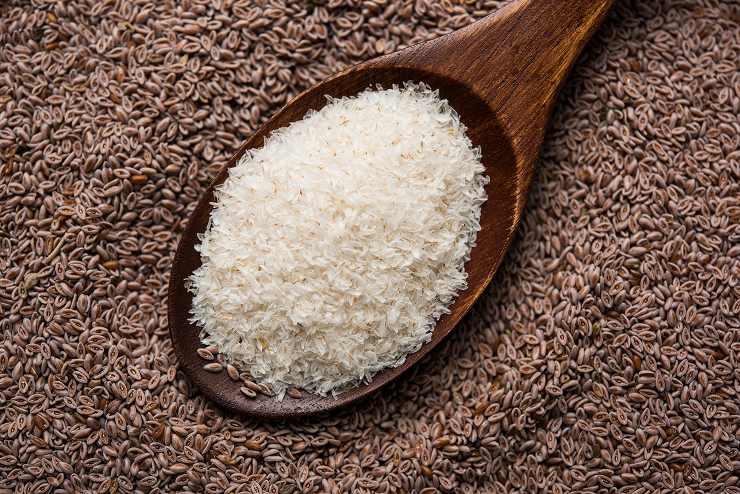
Mounjaro can change bowel habits, leaving some people looking for a simple way to increase fibre or ease constipation. Psyllium husk is one option because it absorbs water and adds bulk to stools. However, constipation on Mounjaro varies, so extra fibre will not suit every digestive complaint or individual equally.
Psyllium Husk and Mounjaro can generally be used during the same treatment period because no direct interaction is known. The important details are practical: take psyllium with enough fluid and check its timing around oral medicines, as it may alter their absorption.
Key Facts About Psyllium Husk and Mounjaro
- ✔Psyllium husk and Mounjaro can generally be used together, with no established direct interaction.
- ✔Psyllium may help manage mild constipation on Mounjaro by adding soluble fibre and supporting regular bowel movements.
- ✔Psyllium should always be taken with sufficient fluid and introduced gradually to reduce digestive discomfort.
- ✔Psyllium may affect the absorption of some oral medicines, so check appropriate timing with a pharmacist or prescriber.
- ✔Extra fibre may not help if constipation is persistent or accompanied by worsening digestive symptoms.
- ✔Severe abdominal pain, repeated vomiting, pronounced swelling or difficulty passing stool or wind requires medical attention.
GLP-1 / GIP
Mounjaro
Dual-agonist support that helps curb appetite, hunger, and cravings to drive substantial, sustained weight loss.
- ✔~22.5% average body weight loss
- ✔Significant weight reduction
- ✔Improves blood sugar levels
- ✔Clinically proven weight loss

What Are Psyllium Husk and Mounjaro?
Psyllium husk and Mounjaro serve very different purposes. Psyllium is an over-the-counter soluble fibre supplement commonly used to support bowel regularity, whereas Mounjaro (tirzepatide) is a prescription-only, once-weekly injection used for type 2 diabetes and weight management in eligible adults.
What Is Psyllium Husk?
Psyllium, or ispaghula husk, comes from the seeds of the Plantago ovata plant. It works as a bulk-forming laxative by absorbing water in the gut and creating a gel that softens and increases the bulk of stools. Alongside relieving constipation, psyllium may increase feelings of fullness and can contribute to modest reductions in cholesterol.
What Is Mounjaro?
Mounjaro contains tirzepatide, a dual GIP and GLP-1 receptor agonist administered by injection under the skin once a week. By acting on these gut-hormone pathways, it increases insulin release when glucose levels are raised, reduces appetite and slows gastric emptying. These effects support blood glucose control and weight management.
How Their Digestive Effects Differ
The connection between psyllium husk and Mounjaro lies in their different effects on digestion. Psyllium acts primarily within the bowel by retaining water, while tirzepatide changes appetite and gastrointestinal function through hormonal pathways. This distinction becomes particularly relevant when considering psyllium for constipation from Mounjaro.
Is Psyllium Husk Safe to Take with Mounjaro?
Yes, psyllium husk can generally be taken while using Mounjaro. There is no established direct interaction between psyllium and tirzepatide. They also work through separate mechanisms: psyllium acts as soluble fibre within the digestive tract, while Mounjaro targets GIP and GLP-1 receptors and is delivered as a once-weekly injection under the skin.
Psyllium and Mounjaro Timing
You do not usually need to separate psyllium from the Mounjaro injection to protect tirzepatide absorption. As Mounjaro is injected rather than absorbed through the intestine, psyllium in the gut does not directly interfere with its uptake. However, introduce fibre carefully if treatment is already causing nausea, bloating or changes in bowel habits.
Timing Oral Medicines
Timing becomes more important when psyllium husk and Mounjaro are used alongside medicines taken by mouth. Psyllium absorbs fluid and forms a gel in the gut, which can alter the absorption of certain tablets or capsules. The appropriate interval varies, so follow the medicine's instructions or ask a pharmacist or prescriber for individual advice.
Oral Contraceptives
Mounjaro slows gastric emptying, which can affect the absorption of oral medicines independently of psyllium. This is particularly relevant to oral contraceptives. UK guidance advises using a barrier method or switching to non-oral contraception for four weeks after starting tirzepatide and for four weeks following each dose increase.
Can Psyllium Husk Help Constipation While Taking Mounjaro?
Yes, psyllium may help relieve mild constipation on Mounjaro. Tirzepatide can slow gastric emptying and gut movement, contributing to harder or less frequent stools. Psyllium absorbs water and forms a gel that softens and bulks stools, encouraging regular bowel movements. Adequate hydration remains essential for psyllium to work appropriately.
Psyllium vs Food Fibre
Psyllium provides a concentrated source of soluble fibre, while oats, fruit, vegetables, pulses and whole grains offer fibre alongside other nutrients. Neither approach needs to involve a sudden dietary change. Increasing fibre gradually gives the digestive system time to adjust and may reduce unwanted effects such as wind, cramping and bloating.
When Fibre Is Not Enough
Psyllium is not a guaranteed solution for constipation with Mounjaro, particularly when symptoms are persistent or worsening. If constipation persists or worsens despite additional fibre, it may require a different management approach. In these circumstances, adding more fibre without assessing the underlying problem may be inappropriate.
Safe Psyllium Husk Use During Mounjaro Treatment
Using psyllium during Mounjaro treatment requires a few practical precautions. Follow the product directions and pay attention to how your digestive system responds as you introduce it. If you are using it for constipation from Mounjaro, monitor whether your symptoms actually improve rather than simply increasing the amount.
Build Up Gradually
Begin with the amount recommended on the product and avoid making a sudden large increase in fibre. Giving your gut time to adapt may reduce wind, bloating and abdominal cramping. If a higher amount is needed, increase it only in line with the product directions or advice from a healthcare professional.
Take It With Water
Always mix psyllium with the recommended volume of fluid and drink it promptly before it thickens. Continue drinking enough water throughout the day. Psyllium should never be swallowed dry because it expands on contact with liquid and could create a choking or blockage risk if taken without sufficient fluid.
Check Medicine Timing
Psyllium can affect how certain tablets and capsules are absorbed. If you take regular oral medicines, check their instructions or ask a pharmacist how far apart the doses should be. This timing precaution applies to medicines absorbed through the digestive tract rather than to the weekly Mounjaro injection itself.
Choose the Right Time
Avoid taking psyllium immediately before going to bed. Taking it earlier gives you time to consume sufficient fluid and notice how your digestive system responds. A regular time that fits comfortably around meals and other medicines can also make consistent fibre intake easier to maintain.
Watch Your Symptoms
Your response to psyllium matters more than simply increasing the amount. If psyllium causes increasing bloating, discomfort or does not improve your bowel movements, do not keep raising the amount without advice. Persistent constipation may require changes to hydration, diet or a different treatment recommended by a pharmacist or prescriber.
Get Medical Advice
Speak to a pharmacist, GP or prescriber before regularly using psyllium if you have a digestive condition, difficulty swallowing or take medicines that may be affected by fibre. For treatment-specific guidance, complete a free online consultation with a qualified prescriber.
When Psyllium May Not Help on Mounjaro
Psyllium may not suit every digestive problem during Mounjaro treatment. Take particular care if:
- Bloating or wind increases: Adding fibre too quickly can worsen fullness, gas and cramping.
- You have vomiting or diarrhoea: Extra fibre may be poorly tolerated while these symptoms are active.
- You are not drinking enough: Psyllium needs fluid to work; inadequate hydration may worsen constipation.
- Symptoms are not improving: If bowel movements remain difficult despite appropriate psyllium use, simply increasing the amount may not resolve the problem.
When Digestive Symptoms Need Medical Attention
Seek medical advice rather than increasing psyllium if you experience:
- Persistent constipation that does not improve with diet, fluids and activity.
- Severe or continuing abdominal pain or pronounced swelling.
- Repeated vomiting or difficulty keeping fluids down.
- Difficulty passing stool or wind.
- Problems swallowing after taking psyllium.
- New or worsening symptoms after starting Mounjaro or increasing your dose.
- Multiple oral medicines, where a pharmacist or prescriber can advise on safe psyllium timing.
Conclusion: Using Psyllium Husk and Mounjaro Wisely
Psyllium can be a useful addition during Mounjaro treatment when mild constipation or low fibre intake is a concern. Its suitability depends on your digestive symptoms, gradual introduction, adequate fluid intake and appropriate timing around medicines taken by mouth.
Managing constipation with Mounjaro is not simply about adding more fibre. Pay attention to how your digestive system responds and seek professional advice if bowel problems continue despite appropriate dietary and lifestyle measures. Online Weight Loss Clinic provides helpful information and ongoing guidance to support people throughout their Mounjaro weight loss treatment.
GLP-1 / GIP
Mounjaro
Dual-agonist support that helps curb appetite, hunger, and cravings to drive substantial, sustained weight loss.
- ✔~22.5% average body weight loss
- ✔Significant weight reduction
- ✔Improves blood sugar levels
- ✔Clinically proven weight loss
FAQs About Psyllium Husk and Mounjaro
Does Mounjaro make you constipated?
Yes. Constipation is a recognised side effect of Mounjaro. Changes in digestion, appetite and food intake during treatment can affect bowel habits, although not everyone taking tirzepatide will experience constipation.
How long does Mounjaro constipation last?
There is no fixed duration. Some people notice digestive side effects when starting Mounjaro or after a dose increase, and these may improve as the body adjusts. Persistent or worsening constipation should be discussed with your prescriber.
What can I take for constipation while on Mounjaro?
Depending on your symptoms, options may include dietary changes, fibre supplements or certain laxatives. The most appropriate choice varies between individuals, particularly if you take other medicines, so ask a pharmacist or prescriber before starting a constipation treatment.
Can I take Fybogel with Mounjaro?
Fybogel contains ispaghula husk, another name for psyllium husk. There is no established direct interaction with injected tirzepatide, but Fybogel should be taken according to its instructions and may need to be separated from certain oral medicines.
Can I take psyllium husk every day while on Mounjaro?
Psyllium products may be suitable for regular use when taken according to their instructions, but daily use will not be appropriate for everyone. If you continually need psyllium to manage bowel movements during Mounjaro treatment, discuss this with a healthcare professional.
Can psyllium husk affect blood sugar while taking Mounjaro?
Psyllium can influence how quickly carbohydrates are absorbed and may have a modest effect on blood glucose. If you have diabetes and use Mounjaro alongside other glucose-lowering medicines, follow your prescribed monitoring and treatment plan.
Can you take other laxatives with Mounjaro?
Some laxatives may be used during Mounjaro treatment, but the appropriate type depends on the cause and severity of constipation. Avoid combining or repeatedly using laxatives without advice from a pharmacist, GP or prescriber.
How to help constipation on Mounjaro?
Alongside any recommended treatment, maintaining adequate fluid intake, gradually increasing suitable dietary fibre and staying physically active may support regular bowel movements. If these measures do not help, speak to a healthcare professional rather than continually increasing fibre or laxatives.