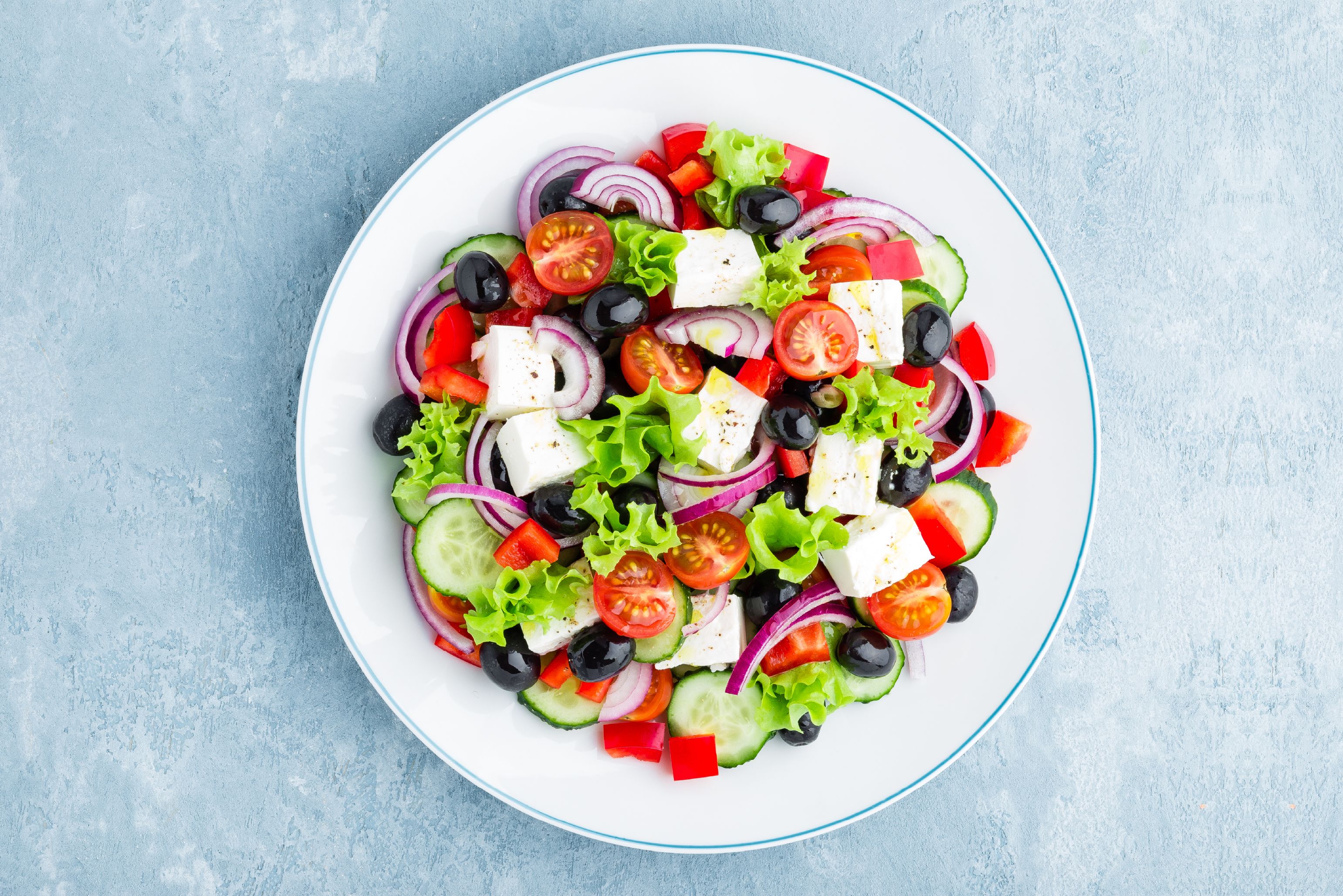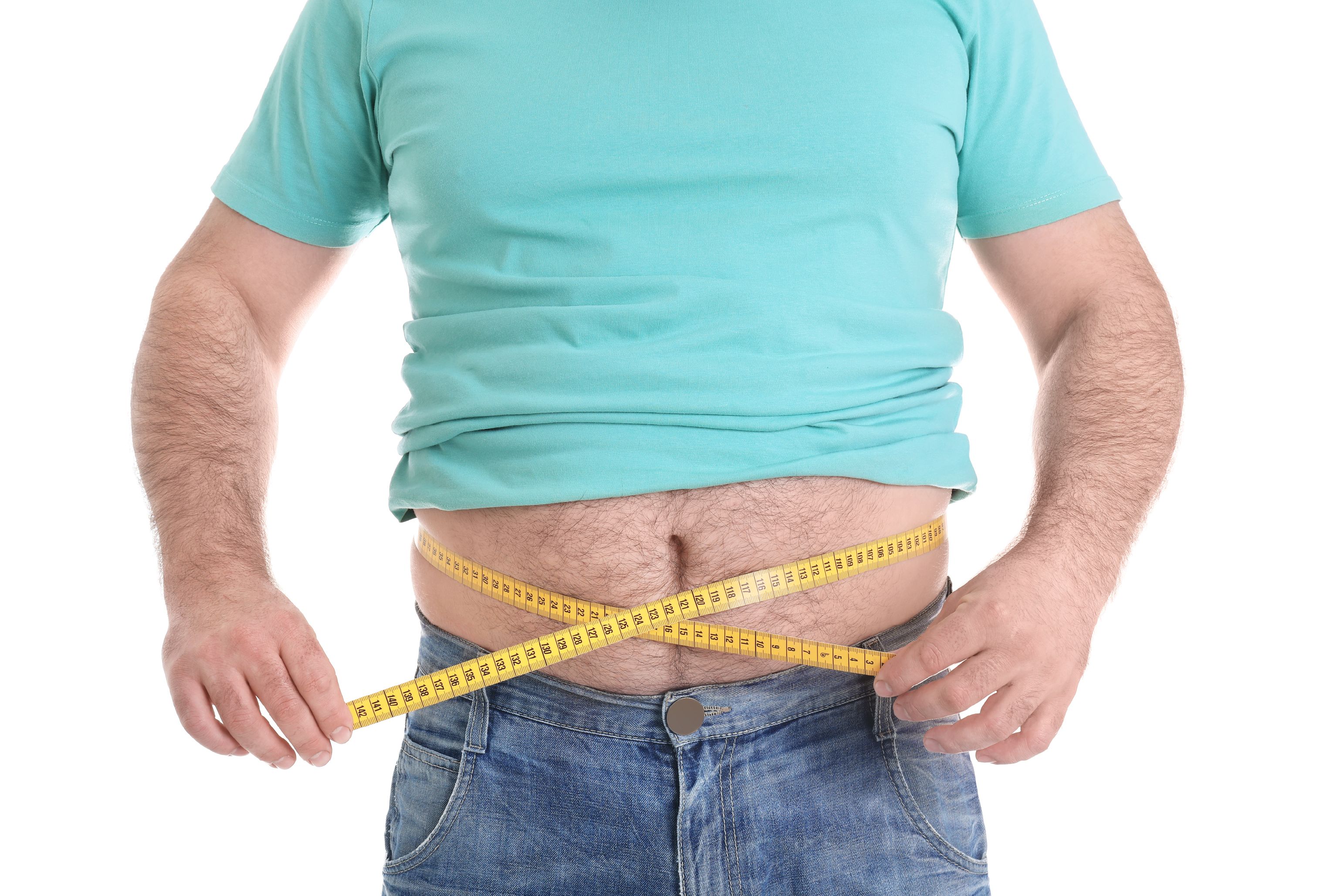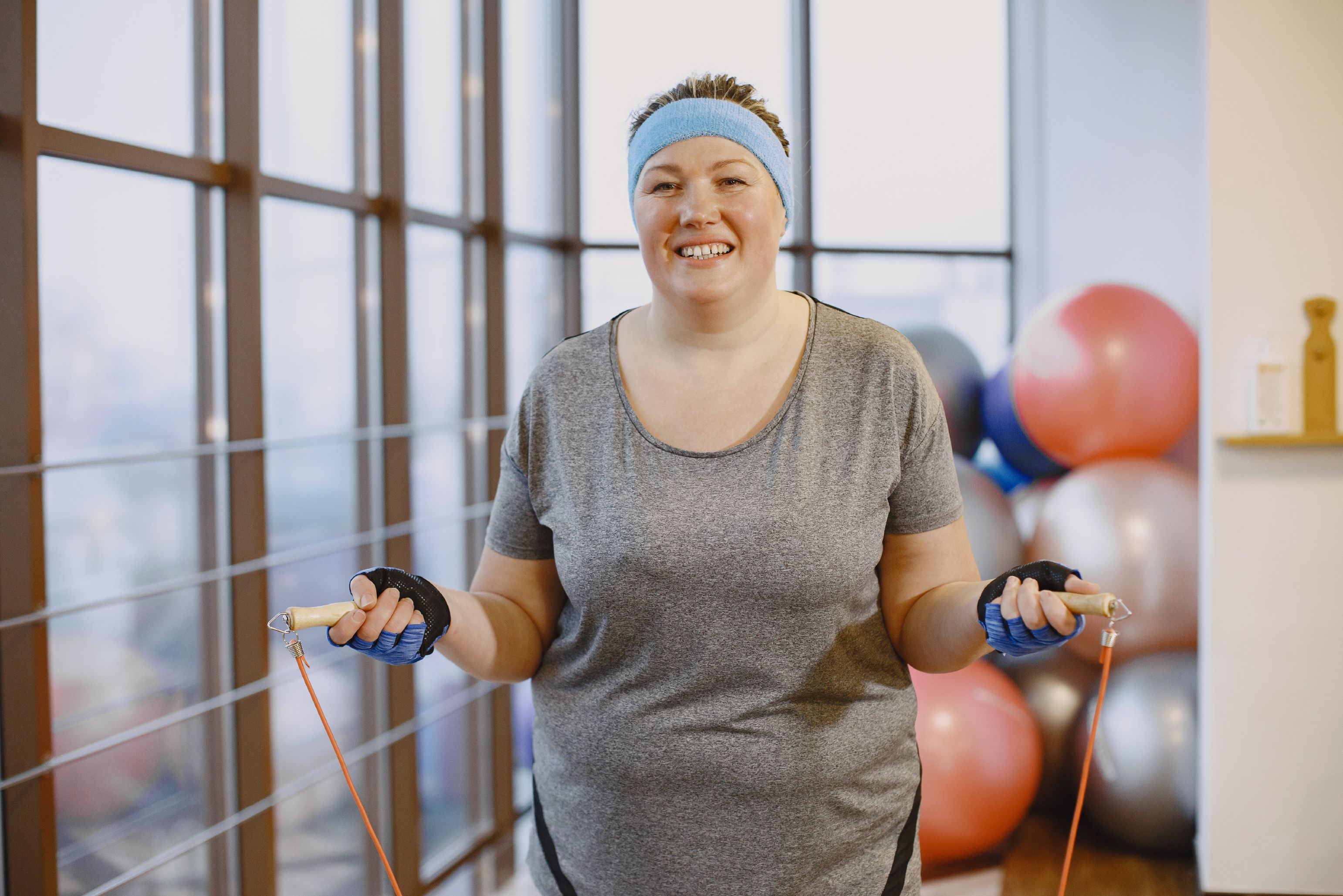
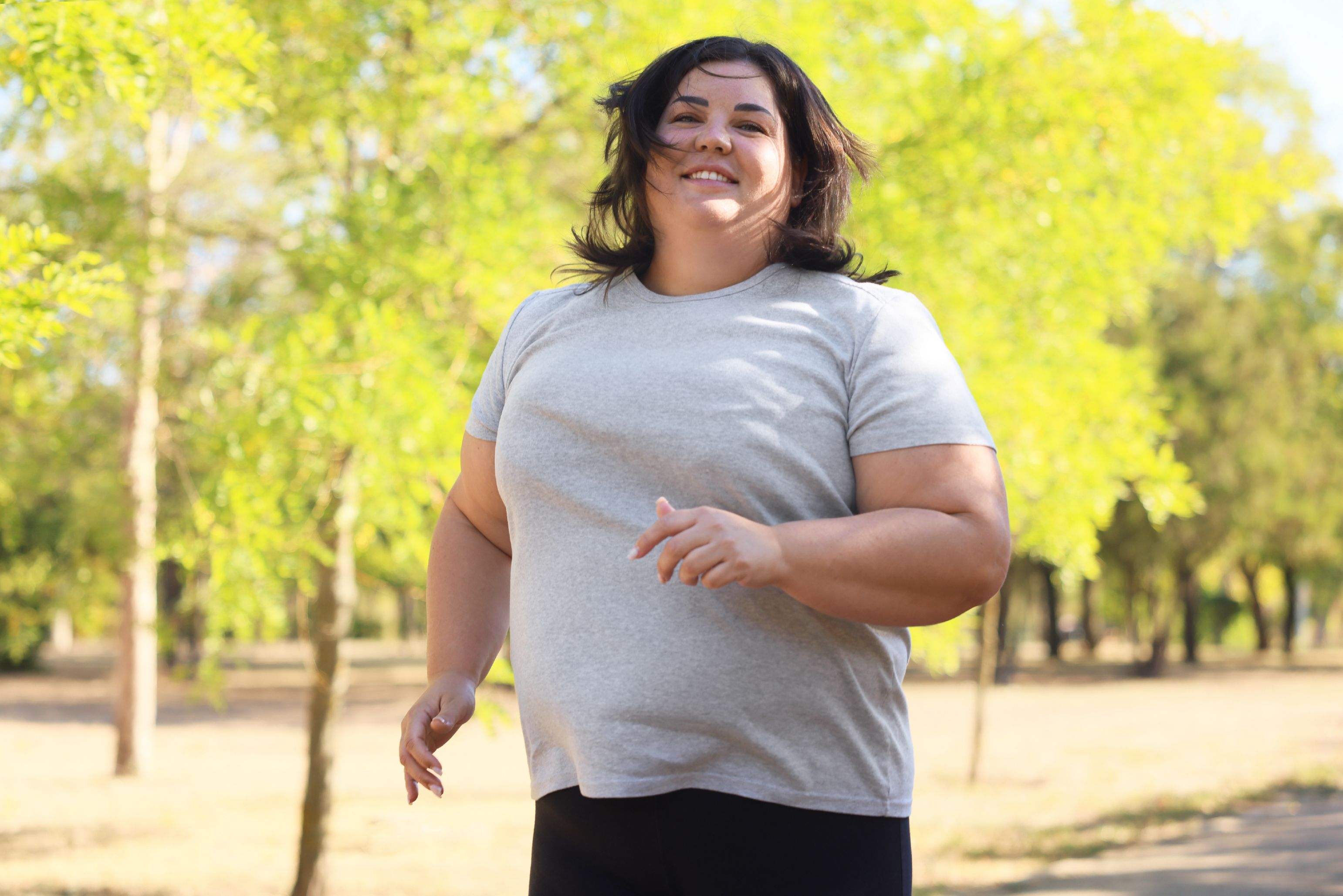
Walking for weight loss is one of the simplest ways to become more active while supporting a healthy weight. A brisk walk for 30 to 60 minutes on most days of the week, combined with a balanced, calorie-controlled diet, can help create the calorie deficit needed for gradual, sustainable weight loss.
If you're walking to lose weight, focus on staying consistent, maintaining a comfortable pace that raises your heart rate, and gradually increasing your distance or speed as your fitness improves. Long-term lifestyle changes are more effective than quick fixes and can help you maintain your results over time.
GLP-1
Wegovy
A weekly GLP-1 treatment proven to reduce hunger and support meaningful, long-term fat loss.
- ✔~16.9% average body weight loss
- ✔Boosts metabolic & cardiovascular health
- ✔Proven, long-established safety profile
- ✔Weekly injection, easy to use
GLP-1 / GIP
Mounjaro
Dual-agonist support that helps curb appetite, hunger, and cravings to drive substantial, sustained weight loss.
- ✔~22.5% average body weight loss
- ✔Significant weight reduction
- ✔Improves blood sugar levels
- ✔Clinically proven weight loss
Key Takeaways About Smarter Walking for Weight Loss
- ✔Walk regularly with a balanced, calorie-controlled diet to support healthy weight loss.
- ✔Maintain a brisk pace and stay consistent to maximise your walking routine.
- ✔Add intervals, hills, or strength exercises to increase calorie burn.
- ✔Track your steps and keep your walks enjoyable to build lasting habits.
- ✔If appropriate, prescribed weight management medication can support lifestyle changes under clinical guidance.
Why Is Walking Good for Weight Loss?
Walking is one of the most sustainable forms of exercise because it helps increase daily energy expenditure while placing less strain on the joints than many higher-impact activities. Walking for weight loss works best when combined with a balanced, calorie-controlled diet and consistent healthy habits, making it easier to achieve and maintain gradual, long-term results.
- Burns More Calories: A brisk walk increases your daily energy use, helping create the calorie deficit needed for healthy weight management.
- Supports Fat Reduction: Regular walking can contribute to fat loss by walking, including reducing excess body fat when paired with a balanced diet.
- Protects Lean Muscle: Walking is a low-impact activity that helps you stay active while supporting the maintenance of lean muscle during weight loss.
- Helps Regulate Blood Sugar: Walking after meals encourages your muscles to use glucose more efficiently, supporting healthy blood sugar control.
- Supports Appetite Management: Moderate walking is less likely to leave you feeling excessively hungry than some high-intensity workouts, making healthy eating habits easier to maintain.
- Aim for Weekly Activity Targets: A brisk 10-minute walk each day contributes towards the recommended 150 minutes of moderate-intensity physical activity per week for adults aged 19 to 64 and provides a range of health benefits.
- Build Up Your Daily Steps: Your steps per day goal by age may vary depending on your health and fitness, but gradually increasing your daily step count alongside a calorie-controlled diet can support sustainable weight loss.
What Walking Pace Helps You Lose Weight Most Effectively?
A steady, brisk pace is generally the most effective approach for walking for weight loss. You should be walking quickly enough to raise your heart rate and breathing while still being able to hold a conversation. Combined with a balanced, calorie-controlled diet and regular activity, this approach supports gradual, sustainable weight management.
Focus on Creating a Calorie Deficit
Successful weight loss depends on using more energy than you consume. A brisk walk can increase your daily calorie expenditure, helping support fat loss by walking when paired with healthy eating habits. Consistency over time is more important than walking as fast as possible.
Vary Your Route and Terrain
Adding gentle hills or walking on an incline can increase the intensity of your walks without requiring a much faster pace. This challenges more muscle groups, increases energy expenditure, and can make walking and fat loss more effective as part of your overall routine.
Aim for Enough Activity Each Week
For long-term health and weight management, aim to build up to 150–300 minutes of moderate-intensity physical activity each week. Spreading your walks across most days makes it easier to stay consistent and maintain healthy lifestyle habits over time.
How Can You Burn More Calories During Your Walks?
Getting more from walking for weight loss is not just about covering a greater distance. Small changes to your pace, route, and technique can increase the intensity of your walks, helping you use more energy while keeping your routine enjoyable and sustainable.
Change Your Walking Pace
Alternate between a brisk pace and a slower recovery pace using interval walking. These short bursts of faster walking increase your energy expenditure and make walking to burn fat more effective without needing to exercise for much longer.
Walk Uphill Whenever Possible
Choose routes with gentle hills, use an inclined treadmill, or include slopes in your regular walks. Walking uphill works your leg and glute muscles harder, increasing the effort required and helping you burn more calories.
Add Strength Exercises During Your Walk
Pause every few minutes to perform simple bodyweight exercises such as squats, lunges, or calf raises. Combining walking with strength movements supports muscle maintenance and increases the overall intensity of your workout.
Focus on Good Walking Form
Stand tall, engage your core, keep your shoulders relaxed, and swing your arms naturally as you walk. Good posture improves walking efficiency and is one of the often-overlooked benefits of walking, helping you stay comfortable during longer sessions.
Track Your Daily Steps
Using a fitness tracker or smartphone app can help you monitor your progress and stay motivated. Gradually increasing your daily step count over time encourages consistency, making it easier to build healthy habits that support long-term weight management.
Can Weight Loss Medication Support Your Walking Programme?
For some people, prescribed weight loss treatment may complement healthy lifestyle changes, including regular walking and a balanced, calorie-controlled diet. Medicines such as Mounajaro for weight loss, the Wegovy injection, and the Wegovy pill (where clinically appropriate and available) are intended to be used alongside long-term healthy habits rather than as a replacement for physical activity.
- Supports Muscle Maintenance: Walking, particularly when combined with strength exercises, helps preserve lean muscle during weight loss and supports healthier body composition.
- Promotes Overall Metabolic Health: Regular walking supports cardiovascular health, encourages normal insulin function, and helps improve overall fitness as part of a healthy lifestyle.
- Encourages Long-Term Success: Combining prescribed weight management medication with regular physical activity and healthy eating can make it easier to maintain positive lifestyle changes and support weight management over time.
If you have questions about combining regular walking with prescribed weight management medication, Online Weight Loss Clinic provides reliable, evidence-based information to help you make informed decisions with your healthcare professional.
Should You Walk Before or After Meals?
The timing of your walk can make a difference, but the best choice is the one that fits your daily routine. A brisk 15 to 30-minute walk after eating can help support healthy blood sugar regulation while increasing your daily activity, contributing to fat loss by walking when combined with a balanced, calorie-controlled diet.
Walking before meals is also a healthy option and can help boost your overall daily energy expenditure. Whether you choose to walk before or after eating, staying active consistently is the key to achieving and maintaining long-term weight management goals.
How Can You Build a Walking Routine That Lasts?
The key to walking to lose weight is creating a routine that fits naturally into your lifestyle. Starting with manageable goals, staying consistent, and making your walks enjoyable can help you build healthy habits that are easier to maintain over the long term.
- Start Small and Stay Consistent: Begin with a 15 to 20-minute walk at a comfortable pace and gradually increase your time or distance as your fitness improves. Building the habit is more important than doing too much too soon.
- Walk at the Right Intensity: Use the talk test to guide your pace. You should be able to hold a conversation comfortably, but singing should feel difficult, indicating moderate-intensity activity.
- Schedule and Track Your Walks: Set a regular time for your walks and monitor your progress with a fitness app, smartwatch, or journal. Tracking your activity helps maintain motivation and consistency.
- Make Walking Enjoyable: Listen to your favourite music, podcast, or audiobook to make each walk something you look forward to, helping you stay committed to your routine.
- Keep Your Walks Interesting: Vary your routes by exploring local parks, neighbourhoods, or gentle hills. Changing your surroundings can prevent boredom and encourage you to stay active over time.
Conclusion: Walking for Long-Term Weight Loss
Walking for weight loss is a simple, practical, and sustainable way to support your health when combined with a balanced, calorie-controlled diet and consistent lifestyle habits. Small daily improvements can add up over time, helping you build a routine that supports gradual, long-term weight management.
Whether you choose short daily walks or longer sessions throughout the week, consistency matters more than perfection. If you're finding it difficult to achieve your weight management goals through lifestyle changes alone, speaking with a qualified healthcare professional can help you explore the most appropriate treatment options for your individual needs.
GLP-1
Wegovy
A weekly GLP-1 treatment proven to reduce hunger and support meaningful, long-term fat loss.
- ✔~16.9% average body weight loss
- ✔Boosts metabolic & cardiovascular health
- ✔Proven, long-established safety profile
- ✔Weekly injection, easy to use
GLP-1 / GIP
Mounjaro
Dual-agonist support that helps curb appetite, hunger, and cravings to drive substantial, sustained weight loss.
- ✔~22.5% average body weight loss
- ✔Significant weight reduction
- ✔Improves blood sugar levels
- ✔Clinically proven weight loss
FAQs
Can you lose weight from walking?
Yes. Can you lose weight from walking? Absolutely. Walking can support weight loss by increasing your daily energy expenditure when combined with a calorie-controlled diet and regular healthy habits.
How long should I walk each day to lose weight?
Many adults benefit from walking for 30 to 60 minutes on most days of the week. The right duration depends on your fitness level, overall activity, and weight management goals.
Is walking every day better than running for weight loss?
Walking and running both burn calories, but walking is lower impact and easier for many people to maintain consistently over the long term.
Does walking help reduce belly fat?
Regular walking can contribute to reducing overall body fat, including abdominal fat, when paired with a balanced diet and a sustainable calorie deficit.
Should I walk faster or longer to burn more calories?
Both approaches can increase calorie expenditure. Gradually increasing your pace, duration, or adding gentle inclines can help you burn more energy safely.
Can I split my daily walk into shorter sessions?
Yes. Several shorter walks throughout the day can provide similar health benefits to one longer walk and may be easier to fit into a busy schedule.
Is walking enough on its own for weight loss?
Walking is an effective form of physical activity, but the best results usually come from combining it with healthy eating, good sleep, and other positive lifestyle habits.
Can weight loss medication be used alongside a walking programme?
For some people, prescribed weight management medication may be recommended alongside regular physical activity and dietary changes. It should always be used under the guidance of a qualified healthcare professional as part of a wider weight management plan.