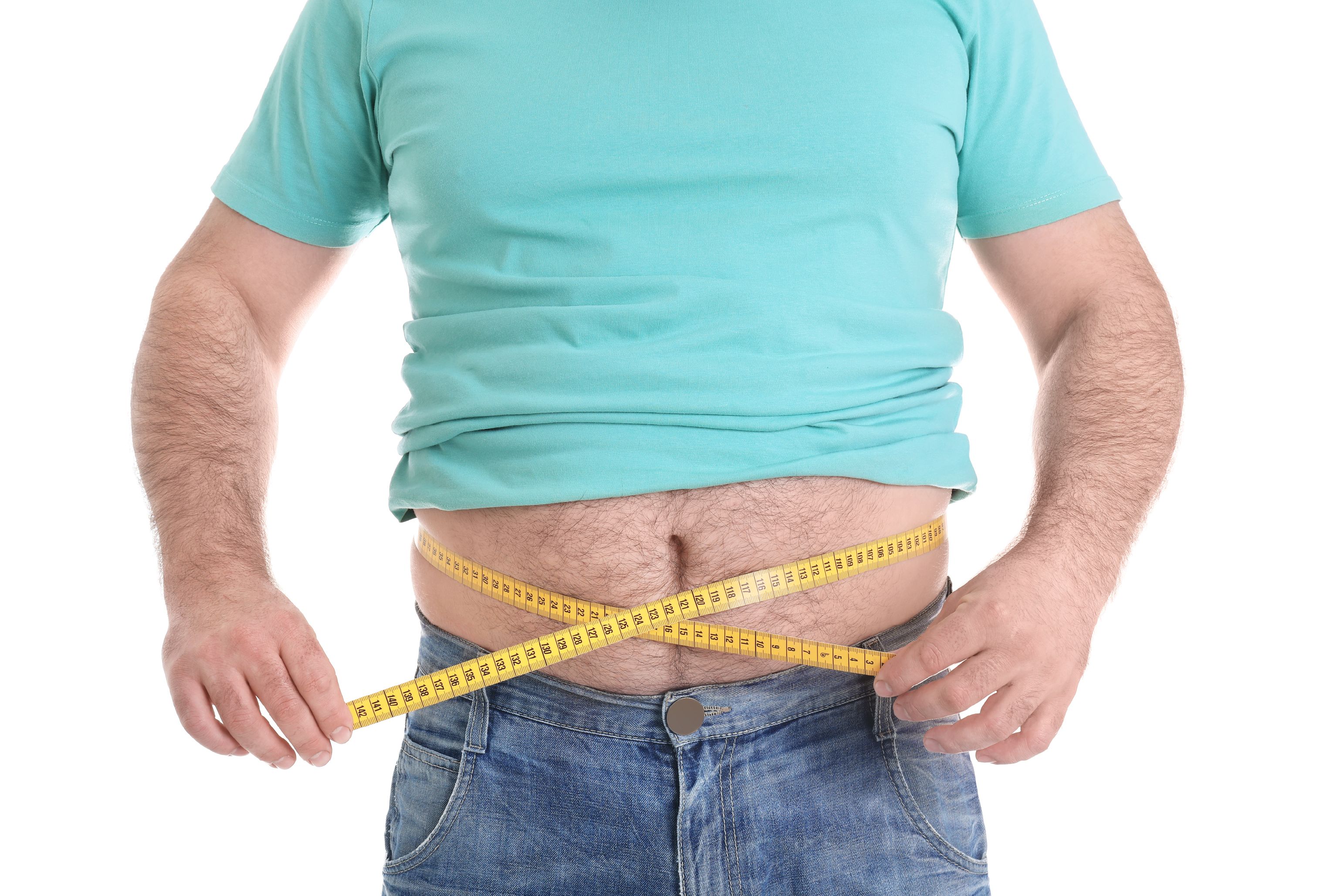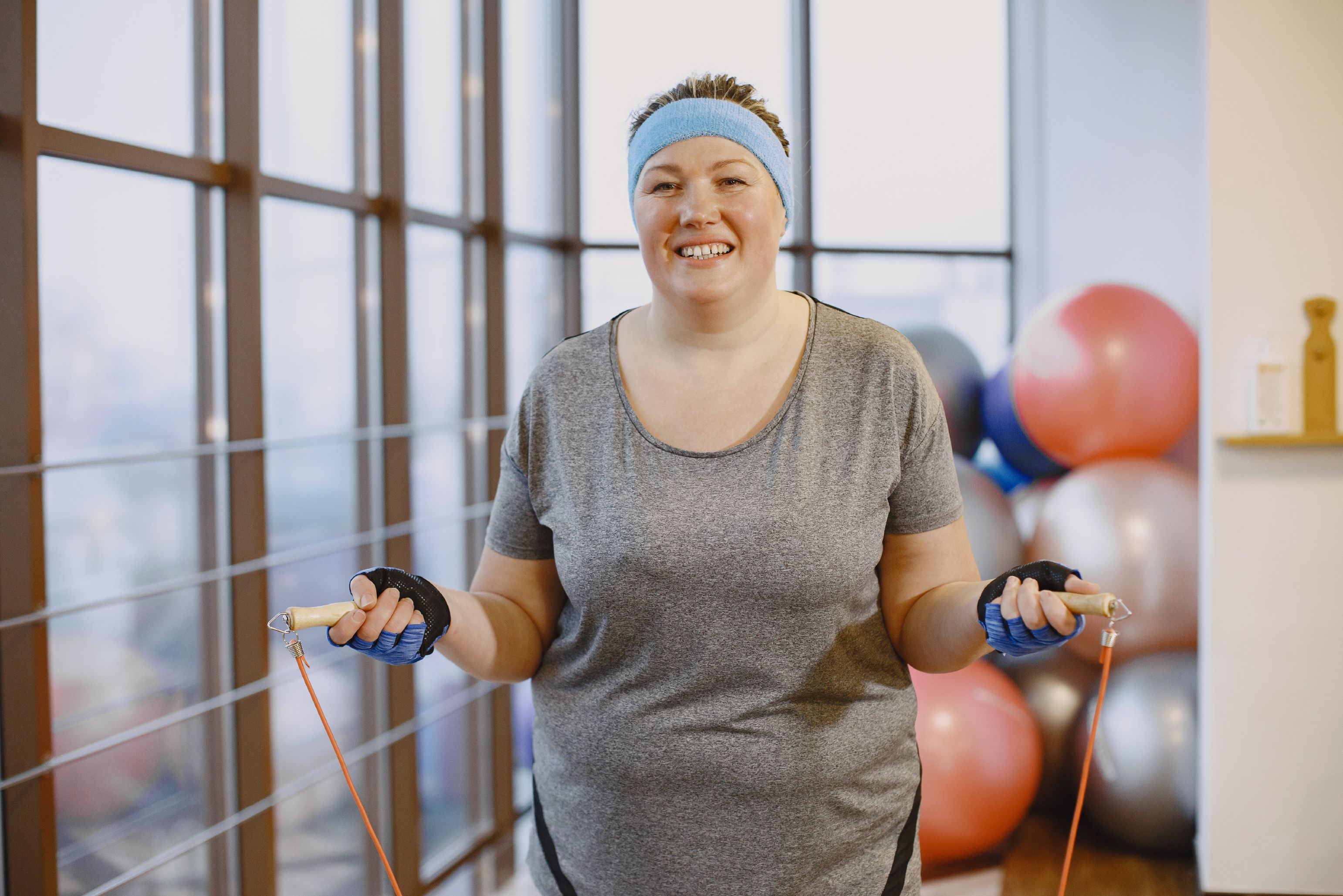

Achieving weight loss for women over 40 often requires a different approach than in earlier years. Natural changes in hormone levels, muscle mass, and metabolism can influence how the body uses energy, making it important to focus on balanced nutrition, regular physical activity, and realistic long-term habits rather than restrictive diets.
Sustainable weight loss for women is typically supported by strength-based exercise, adequate protein intake, stress management, and consistent sleep patterns. These lifestyle factors can help preserve muscle, support appetite control, and improve overall wellbeing, while clinically supervised weight-management treatments may be considered for eligible adults when lifestyle measures alone do not provide sufficient results.
GLP-1
Wegovy
A weekly GLP-1 treatment proven to reduce hunger and support meaningful, long-term fat loss.
- ✔~16.9% average body weight loss
- ✔Boosts metabolic & cardiovascular health
- ✔Proven, long-established safety profile
- ✔Weekly injection, easy to use
GLP-1 / GIP
Mounjaro
Dual-agonist support that helps curb appetite, hunger, and cravings to drive substantial, sustained weight loss.
- ✔~22.5% average body weight loss
- ✔Significant weight reduction
- ✔Improves blood sugar levels
- ✔Clinically proven weight loss
Key Takeaways for Women Over 40
- ✔Hormonal and metabolic changes can make weight loss slower after 40.
- ✔Strength training, protein, sleep, and stress management support better results.
- ✔Avoiding restrictive diets and skipped meals can help maintain progress.
- ✔A gradual weight loss of 1–2 pounds (0.5–1kg) per week is often realistic.
- ✔Clinician-led treatments may provide additional support for eligible adults.
Why Does Weight Loss Become More Difficult for Women Over 40?
Many women find that losing weight becomes more challenging after 40 due to natural changes in hormones, metabolism, muscle mass, sleep patterns, and daily stress levels. Understanding these factors can support healthy weight loss and help create a more effective approach to long-term weight management.
Natural Muscle Loss
Muscle mass naturally declines with age, and because muscle burns more calories than fat, this can gradually slow the body's metabolism. As a result, fewer calories are burned at rest, making it easier to gain weight and harder to lose it.
Hormonal Shifts
As women approach perimenopause and menopause, falling oestrogen levels can influence how the body stores fat. These hormonal changes often encourage fat accumulation around the abdomen, which can make weight loss for women over 40 more difficult than in earlier years.
Increased Insulin Resistance
Midlife hormonal changes can affect the body's ability to process carbohydrates efficiently. This may lead to higher blood sugar levels and an increased tendency to store excess energy as body fat over time.
Life Stress and Cortisol
Ongoing work, family, and lifestyle pressures can raise cortisol levels, a hormone associated with increased abdominal fat storage. Higher stress levels may also contribute to emotional eating and make healthy habits harder to maintain.
Sleep Disturbances
Changes in sleep quality are common during midlife and can affect hormones that regulate hunger and fullness. Poor sleep may increase cravings, reduce energy levels, and create additional challenges for successful weight loss for women.
What Is a Realistic Weight Loss Goal for Women Over 40?
For most women over 40, a realistic approach is to aim for gradual and steady weight loss rather than rapid results. Losing around 1–2 pounds (0.5–1kg) per week is generally considered achievable and can help support long-term success while reducing the likelihood of regaining weight.
A well-structured weight loss plan should focus on sustainable lifestyle changes, including balanced nutrition, regular physical activity, quality sleep, and stress management. Many health professionals also use a target of losing 5–10% of starting body weight, as even modest weight reduction can contribute to meaningful improvements in overall health and wellbeing.
What Common Weight Loss Mistakes Should Women Over 40 Avoid?
As metabolism, hormone levels, and body composition naturally change with age, some common habits can make healthy weight loss more difficult. Recognising and avoiding these mistakes can help support more consistent and sustainable results over time.
Following Restrictive Diets
Restrictive eating plans may lead to short-term weight loss, but they are often difficult to maintain and can leave you feeling hungry, tired, and less motivated. A balanced weight loss diet is generally more effective for long-term success.
Skipping Meals
Skipping meals may seem like a simple way to reduce calorie intake, but it can increase hunger later in the day and encourage overeating. Regular, nutritious meals can help support appetite control and steady energy levels.
Focusing Only on the Scales
Body weight can fluctuate due to factors such as hydration, hormones, and muscle gain. Looking beyond the scales and recognising improvements in fitness, strength, and wellbeing can provide a more accurate picture of progress.
Ignoring Strength-Based Activity
Strength-based exercise plays an important role in maintaining muscle mass as you age. Preserving muscle can help support metabolism and make weight loss for women more manageable over the long term.
Expecting Immediate Results
Healthy and sustainable weight loss rarely happens overnight. Setting realistic expectations and focusing on consistent habits can help create lasting results and reduce the risk of regaining weight.
Can Medical Weight Loss Treatments Support Women Over 40?
For some women over 40, losing weight can become more challenging due to changes in hormone levels, appetite regulation, body composition, and metabolism. When healthy lifestyle measures alone have not provided sufficient results, clinician-prescribed weight loss injections may be considered as part of a broader weight-management plan for eligible adults.
Options such as the Mounjaro injection and Wegovy weight loss injection are designed to help regulate appetite, reduce hunger, and support lower calorie intake. When used alongside a balanced diet, regular physical activity, and ongoing clinical guidance, these treatments may help some women achieve and maintain meaningful weight loss over time.
How Can Women Over 40 Build a Sustainable Weight Loss Plan?
A sustainable approach to weight loss for women over 40 focuses on building realistic habits that support long-term health. Rather than relying on restrictive diets, combining balanced nutrition, regular activity, quality sleep, and stress management can help create a foundation for lasting results.
Prioritise Strength Training
Strength training helps preserve muscle mass, which naturally declines with age and can affect metabolism. Including resistance-based exercise a few times each week can support strength, mobility, and more effective weight management.
Focus on Protein and Fibre
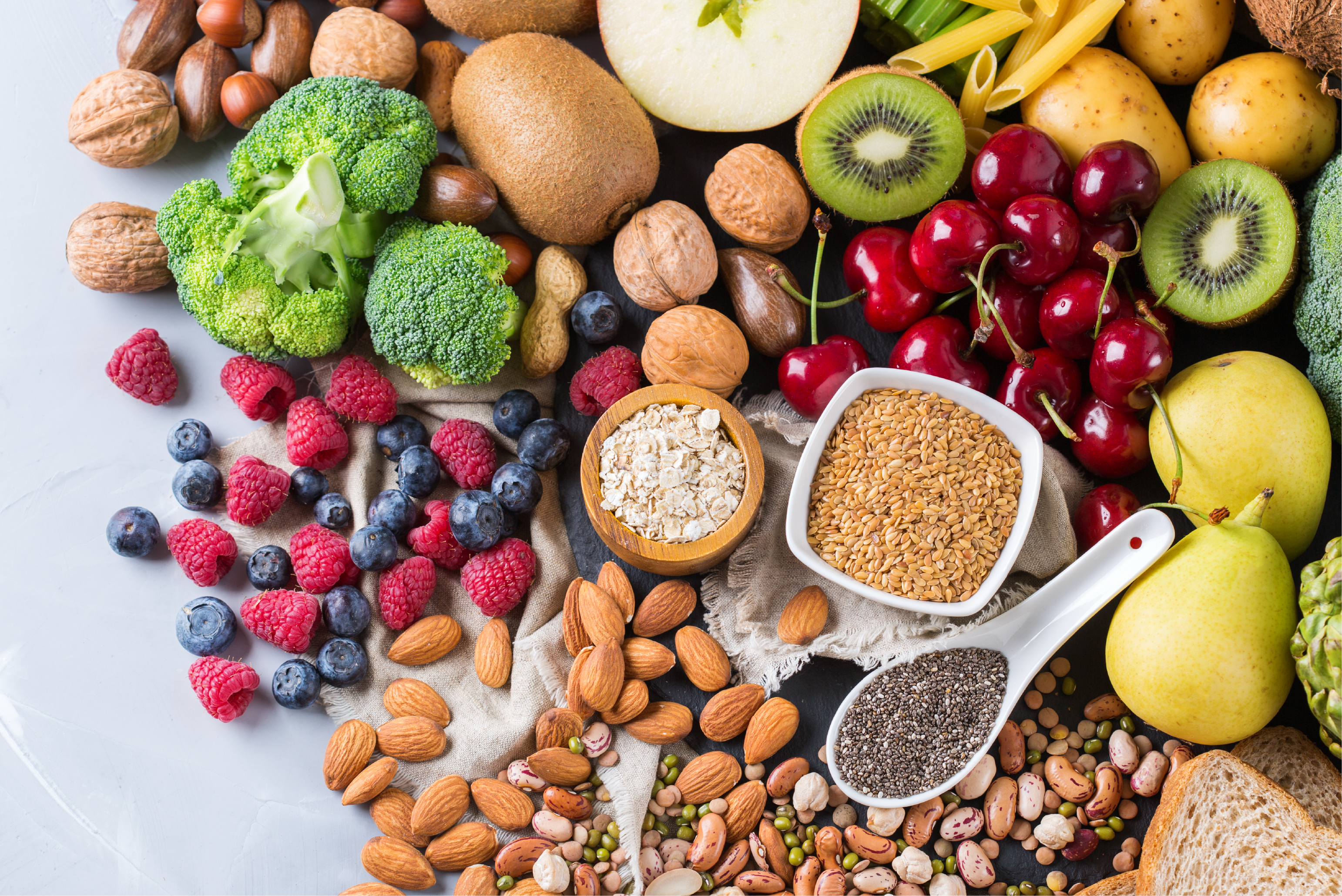
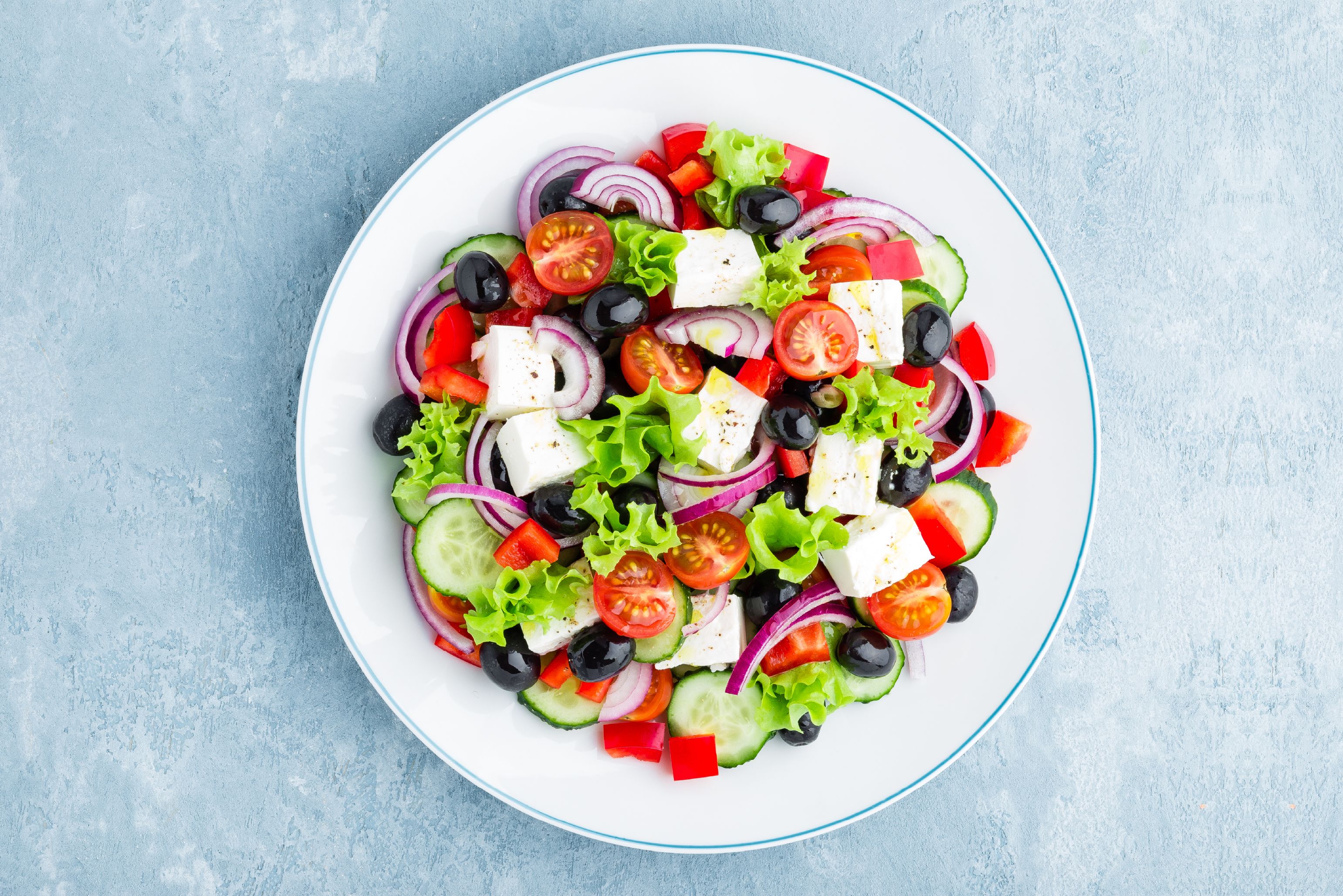
Meals rich in protein and fibre can help keep you satisfied for longer and support muscle maintenance during weight loss. Choosing foods such as lean meats, fish, eggs, vegetables, pulses, and wholegrains can contribute to a balanced diet.
Adjust Calorie Intake Gradually
A moderate reduction in calorie intake is often easier to maintain than extreme dieting. Gradual changes can support healthy weight loss while helping to preserve energy levels and overall wellbeing.
Prioritise Recovery and Sleep
Good-quality sleep and effective stress management play an important role in appetite regulation and daily energy balance. Consistently getting enough rest may help support healthier lifestyle choices and weight-loss efforts.
Build Balanced Long-Term Habits
Long-term success is often achieved through small, sustainable changes rather than short-term solutions. Establishing regular eating patterns, staying active, and setting realistic goals can help support ongoing weight management and overall health.
Conclusion: Weight Loss Journey for Women over 40
Achieving weight loss for women over 40 is not about following extreme diets or searching for quick fixes. A combination of balanced nutrition, regular physical activity, quality sleep, and effective stress management can help support long-term weight management and overall wellbeing.
While hormonal and metabolic changes can make weight loss more challenging, sustainable progress is still achievable with realistic goals and consistent habits. For women who need additional support, clinician-led weight-management treatments may be considered alongside healthy lifestyle changes as part of a personalised approach.
GLP-1
Wegovy
A weekly GLP-1 treatment proven to reduce hunger and support meaningful, long-term fat loss.
- ✔~16.9% average body weight loss
- ✔Boosts metabolic & cardiovascular health
- ✔Proven, long-established safety profile
- ✔Weekly injection, easy to use
GLP-1 / GIP
Mounjaro
Dual-agonist support that helps curb appetite, hunger, and cravings to drive substantial, sustained weight loss.
- ✔~22.5% average body weight loss
- ✔Significant weight reduction
- ✔Improves blood sugar levels
- ✔Clinically proven weight loss
FAQs
Is it harder to lose weight after 40?
Yes, many women find weight loss becomes more challenging after 40 due to changes in hormone levels, muscle mass, metabolism, sleep quality, and lifestyle factors.
How much weight can a woman over 40 safely lose per week?
A gradual weight loss of around 1–2 pounds (0.5–1kg) per week is generally considered a realistic and sustainable target for most adults.
Why does belly fat increase during perimenopause and menopause?
Falling oestrogen levels can influence where the body stores fat, often leading to increased fat accumulation around the abdominal area.
What type of exercise is best for women over 40 trying to lose weight?
A combination of strength training, cardiovascular activity, and regular daily movement can help support weight loss, fitness, and muscle preservation.
How important is protein for women over 40?
Protein can help maintain muscle mass, support recovery, and improve feelings of fullness, making it an important part of a balanced weight-loss plan.
Can poor sleep affect weight loss?
Yes, inadequate sleep can affect hormones that regulate hunger and appetite, potentially increasing cravings and making weight management more difficult.
Are weight-loss injections available for women over 40?
Clinician-prescribed weight-management treatments may be suitable for some eligible adults following an assessment and should be used alongside lifestyle changes.
How can women maintain weight loss long term?
Long-term success is often supported by consistent eating habits, regular physical activity, realistic goals, and lifestyle changes that can be maintained over time.