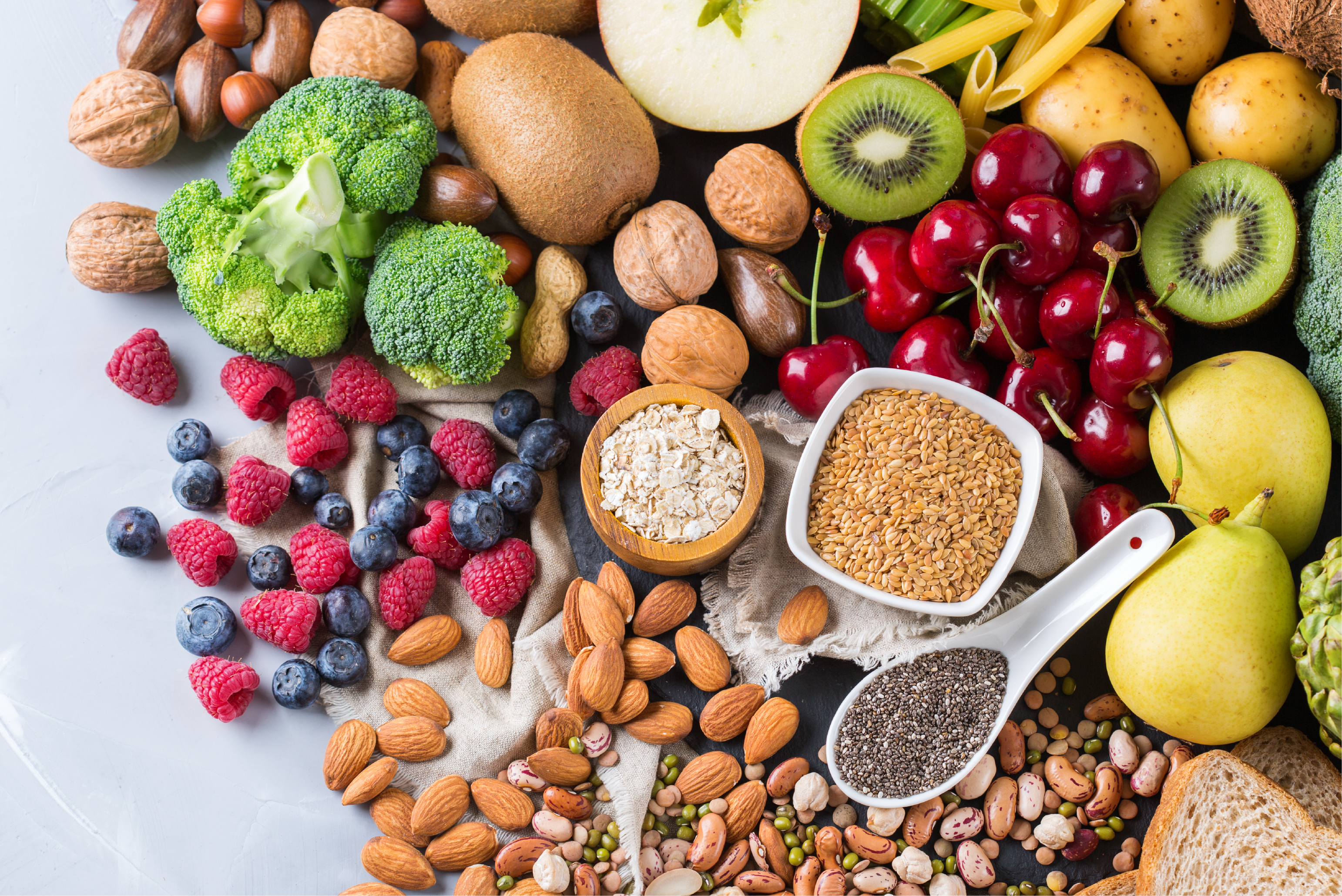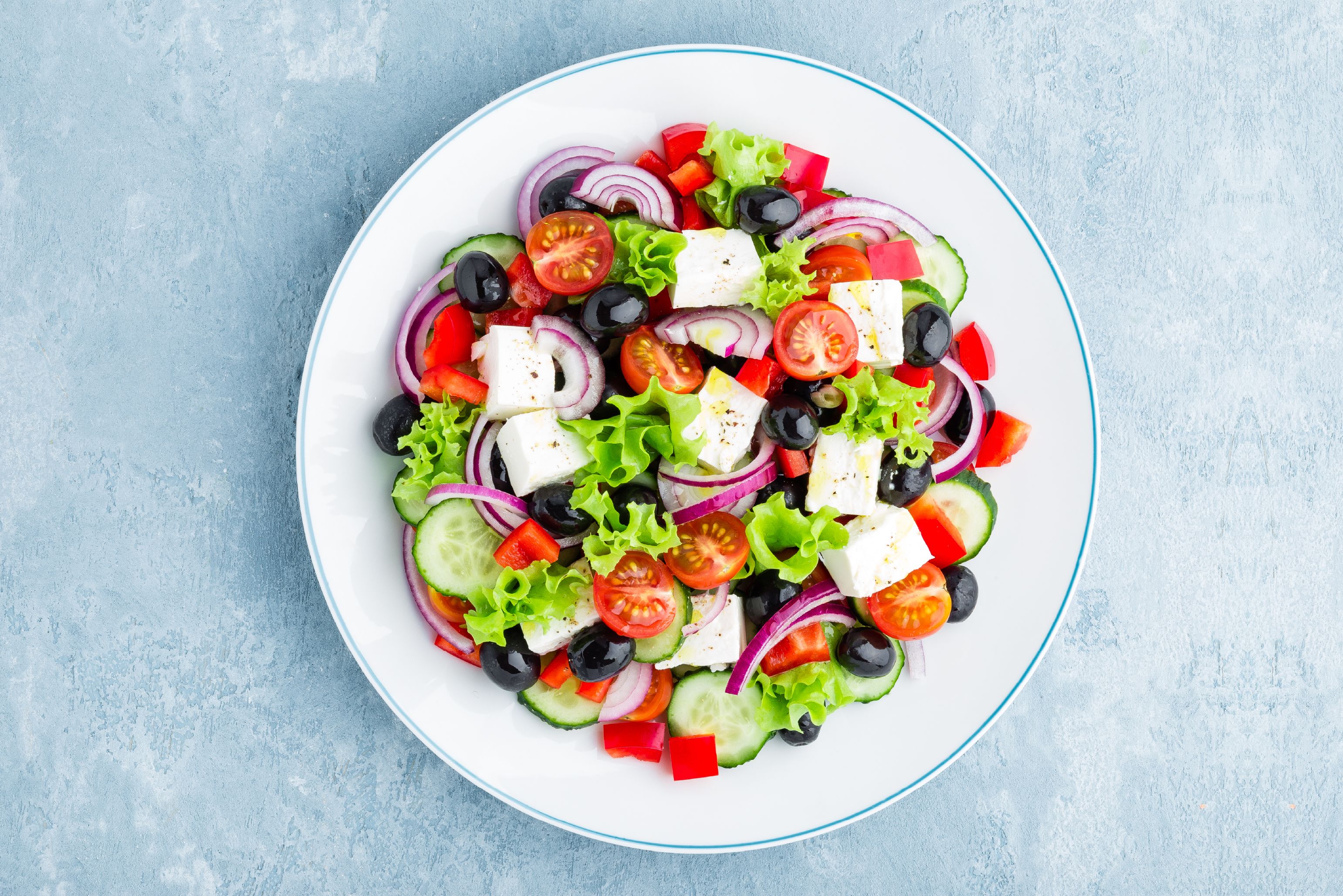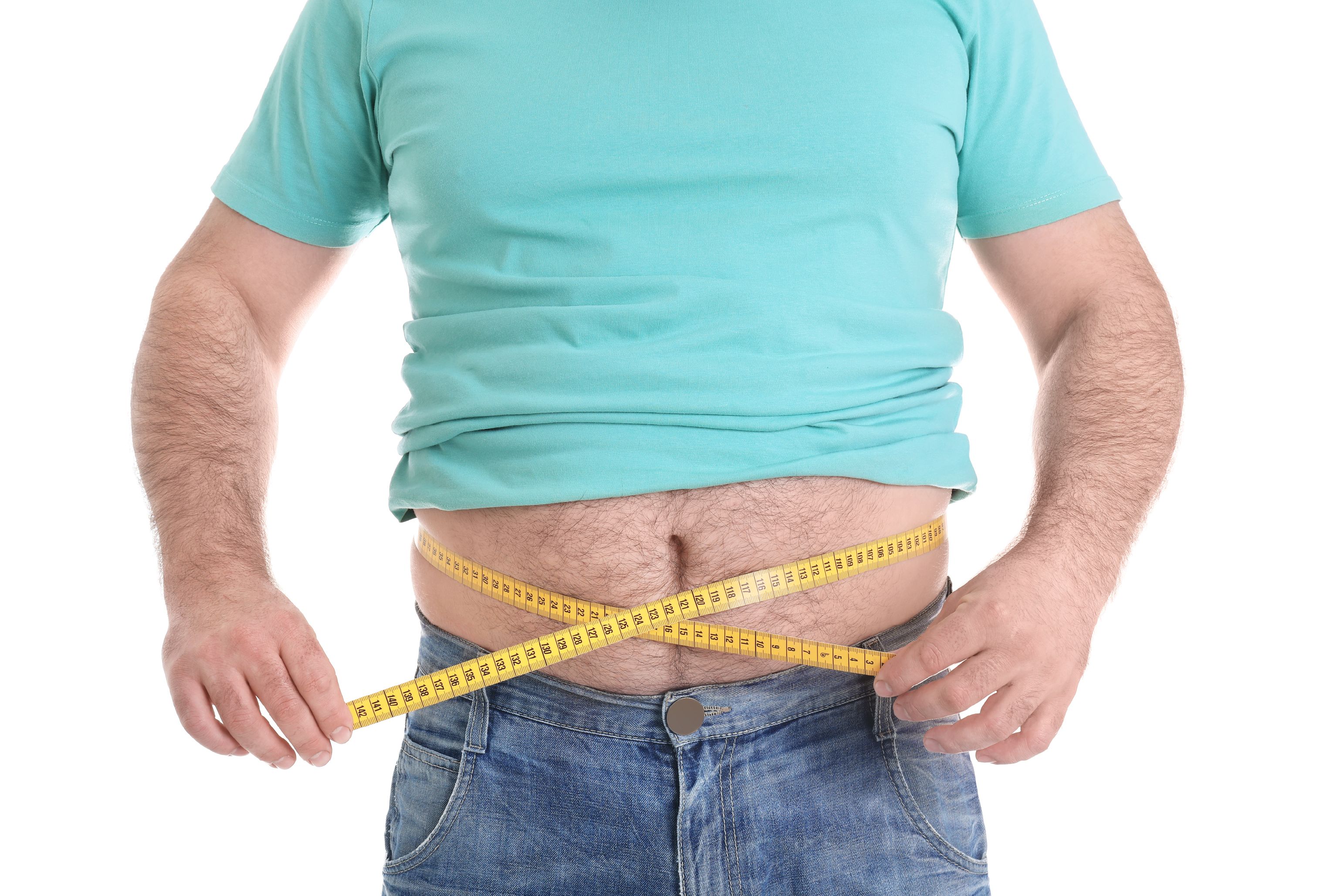

Losing weight during menopause can be more challenging due to hormonal changes that may affect appetite, fat distribution, and metabolism. However, sustainable weight loss for menopause is achievable by creating a modest calorie deficit, choosing nutrient-rich foods, and following a balanced eating pattern such as the Mediterranean diet, which is rich in vegetables, fruit, whole grains, lean protein, and healthy fats.
Regular strength training can help preserve muscle mass and support metabolism, while aiming for 7–9 hours of quality sleep may help regulate hunger and energy levels. For some women, additional support from healthcare professionals and clinically appropriate weight-management treatments may also be considered as part of a personalised approach to long-term weight control.
GLP-1
Wegovy
A weekly GLP-1 treatment proven to reduce hunger and support meaningful, long-term fat loss.
- ✔~16.9% average body weight loss
- ✔Boosts metabolic & cardiovascular health
- ✔Proven, long-established safety profile
- ✔Weekly injection, easy to use
GLP-1 / GIP
Mounjaro
Dual-agonist support that helps curb appetite, hunger, and cravings to drive substantial, sustained weight loss.
- ✔~22.5% average body weight loss
- ✔Significant weight reduction
- ✔Improves blood sugar levels
- ✔Clinically proven weight loss
Key Menopause Weight-Loss Insights
- ✔Hormonal changes can slow metabolism and make weight management more difficult.
- ✔Strength training and regular exercise can help support muscle mass and calorie burn.
- ✔Eating more protein and whole foods can help control hunger and support weight loss.
- ✔Good sleep and stress management are important for healthy weight control.
- ✔Clinically prescribed treatments may provide additional support for eligible women.
Why Does Menopause Make Weight Loss More Difficult?
Many women notice that maintaining their usual weight becomes more challenging during menopause, even when their eating habits and activity levels remain unchanged. This is because hormonal changes affect the way the body uses energy, stores fat, regulates appetite, and maintains muscle mass. Understanding these biological changes can help make menopause weight loss feel more manageable and support realistic long-term goals.
Slowed Metabolism
As oestrogen levels decline, the body's resting metabolic rate gradually decreases. This means you naturally burn fewer calories throughout the day than you did in earlier years. Even small changes in calorie intake can therefore have a greater impact on weight over time.
Loss of Muscle Mass
Ageing and hormonal changes can contribute to a gradual reduction in lean muscle tissue. Because muscle requires more energy to maintain than fat, losing muscle can lower your daily calorie expenditure. This can make menopause and weight loss more challenging without regular physical activity and strength-based exercise.
Shift in Fat Distribution
Lower oestrogen levels can change where the body stores fat. Many women notice an increase in abdominal fat during menopause, even if their overall weight changes very little. This shift from the hips and thighs to the waist area is a common hormonal response.
Increased Cortisol and Stress
Menopause symptoms such as night sweats, hot flushes, and sleep disturbances can affect sleep quality. Poor sleep may increase cortisol, a stress hormone linked with greater fat storage and stronger cravings for high-calorie foods. Over time, this can make it harder to lose weight during menopause.
Changes in Hunger Hormones
Hormonal changes can influence appetite-regulating hormones, affecting feelings of hunger and fullness. Reduced oestrogen levels may make it easier to feel hungry more often and harder to feel satisfied after meals. This can contribute to increased calorie intake and make weight loss for menopause more difficult without a structured eating plan.
How Much Weight Do Women Typically Gain During Menopause?
Many women experience gradual weight gain during the menopause transition, even if their diet and activity levels have not changed significantly. Research suggests that women gain around 0.5 to 0.7 kg per year during perimenopause, which can add up over several years before menopause is reached.
By the time menopause occurs, the average total weight gain may be around 5 kg or more. Hormonal changes, reduced muscle mass, and a slower metabolism can all contribute to this increase. While weight gain is common, losing weight during menopause is still achievable with healthy eating habits, regular physical activity, and appropriate clinical support where needed.
What Is the Safest Way to Lose Weight During Menopause?
The safest and most effective way to manage weight during menopause is through sustainable lifestyle changes rather than quick-fix diets. As hormonal changes can affect metabolism, appetite, and body composition, successful weight loss for menopause typically involves a combination of regular physical activity, balanced nutrition, quality sleep, stress management, and, where appropriate, clinically supervised treatment options.
Shift to Strength Training
Muscle mass naturally declines with age, which can reduce the number of calories your body burns each day. Strength-based activities such as resistance training, Pilates, or weightlifting performed two to three times weekly can help preserve and build lean muscle.
Maintain Regular Cardio Activity
Aerobic exercise remains an important part of fat loss during menopause. Activities such as brisk walking, cycling, swimming, or dancing can support calorie expenditure and cardiovascular health. Aim for around 150 to 200 minutes of moderate-intensity activity each week.
Prioritise Protein at Every Meal
Including a good source of lean protein with meals can help support muscle maintenance and increase feelings of fullness. Foods such as fish, eggs, chicken, Greek yoghurt, beans, and tofu may help reduce hunger and support long-term weight control during menopause.
Prioritise Sleep and Manage Stress
Poor sleep and ongoing stress can influence hormones that affect hunger and fat storage, particularly around the abdomen. Aim for 7–9 hours of sleep each night and consider relaxation techniques such as yoga, mindfulness, or deep breathing to support overall wellbeing and healthy weight management.
Limit High-Calorie Foods
Some foods may make it more difficult to achieve healthy weight-loss goals during menopause. Foods high in added sugars, refined carbohydrates, and saturated fats can increase calorie intake without providing lasting fullness. Limiting items such as sugary drinks, biscuits, cakes, sweets, and heavily processed snacks may help support appetite control and improve overall weight-management efforts.
Can Weight-Loss Injections Help Women During Menopause?
For some women, clinically prescribed weight loss injections may provide additional support when hormonal changes make weight management more challenging during menopause. These treatments are designed to help regulate appetite, reduce hunger, and support healthier eating habits when used alongside a balanced diet and regular physical activity.
Options such as the Wegovy injection and Mounjaro for weight loss may be considered for eligible adults following a medical assessment. By helping to control appetite and improve metabolic function, these treatments can support weight-loss efforts during and after menopause as part of a comprehensive weight-management plan.
If menopause-related changes are affecting your weight-management efforts, Online Weight Loss Clinic provides guidance on treatment options and eligibility requirements.
How Can Women Maintain Weight Loss After Menopause?
Maintaining weight loss after menopause often requires long-term lifestyle changes that support a slower metabolism and hormonal shifts. Focusing on muscle preservation, balanced nutrition, regular activity, and healthy habits can help support lasting results.
- Strength Training: Strength training can support weight loss for menopause by helping maintain muscle mass and supporting metabolism. Aim for resistance-based exercise at least twice weekly.
- Cardio Exercise: Regular cardio can support menopause weight loss and improve overall health. Walking, cycling, and swimming are excellent options.
- Protein and Nutrition: Protein helps maintain muscle and supports fullness. A balanced diet can also aid menopause and weight loss goals.
- Portion Control: Managing portion sizes can help prevent weight regain. Limiting sugary and highly processed foods may also be beneficial.
- Sleep and Movement: Quality sleep and daily activity are important for losing weight during menopause. Even simple activities such as walking can support long-term results.
Conclusion Weight Management During Menopause
Menopause can bring changes that make weight management more challenging, but lasting results are still achievable with the right approach. A combination of regular exercise, balanced nutrition, quality sleep, and healthy daily habits can help support weight loss for menopause while improving overall wellbeing and confidence.
Rather than focusing on rapid results, aim for gradual and sustainable progress that fits your lifestyle. For some women, additional support from healthcare professionals and clinically appropriate treatment options may provide further assistance as part of a personalised long-term weight-management plan.
GLP-1
Wegovy
A weekly GLP-1 treatment proven to reduce hunger and support meaningful, long-term fat loss.
- ✔~16.9% average body weight loss
- ✔Boosts metabolic & cardiovascular health
- ✔Proven, long-established safety profile
- ✔Weekly injection, easy to use
GLP-1 / GIP
Mounjaro
Dual-agonist support that helps curb appetite, hunger, and cravings to drive substantial, sustained weight loss.
- ✔~22.5% average body weight loss
- ✔Significant weight reduction
- ✔Improves blood sugar levels
- ✔Clinically proven weight loss
FAQs
Is it harder to lose weight during menopause?
Yes, hormonal changes can affect metabolism, appetite, and fat distribution, which may make weight loss slower than before menopause.
What is the best diet for menopause weight loss?
A balanced eating pattern rich in vegetables, fruit, wholegrains, lean protein, and healthy fats is often recommended for long-term weight management.
How much exercise should women do during menopause?
Most adults should aim for at least 150 minutes of moderate physical activity each week alongside regular strength-training exercises.
Why does menopause cause belly fat?
Lower oestrogen levels can change how the body stores fat, leading to a greater tendency for fat to accumulate around the abdomen.
Can strength training help with menopause weight gain?
Yes, strength training can help preserve muscle mass, support metabolism, and improve overall body composition.
Are weight-loss injections suitable during menopause?
Some women may be eligible for prescribed weight-management treatments following a medical assessment and clinical review.
How important is sleep for weight management during menopause?
Sleep plays a key role in regulating hunger hormones, energy levels, and overall health, making it an important part of weight management.
Can women maintain weight loss after menopause?
Yes, long-term success is possible through consistent healthy eating habits, regular physical activity, good sleep, and ongoing lifestyle changes.