Managing type 2 diabetes sometimes requires more than one treatment to keep blood glucose levels under control. For some people, taking Mounjaro and insulin together can offer additional benefits, including improved blood sugar management and weight loss. However, combining these medicines requires medical supervision, as their overlapping effects may increase the risk of hypoglycaemia (low blood sugar).
Adding Mounjaro (tirzepatide) to an existing insulin regimen may also change how much insulin your body needs. This makes dose adjustments and regular glucose monitoring particularly important. Knowing why these treatments may be prescribed together, how they interact and what precautions to take can help make combined treatment safer and more effective.
Key Facts About Mounjaro and Insulin
- ✔Mounjaro and insulin can be used together for type 2 diabetes under specialist supervision.
- ✔Combined treatment may improve blood sugar control, support weight loss and reduce insulin requirements.
- ✔Hypoglycaemia is the primary risk, particularly when insulin doses are not appropriately adjusted.
- ✔Insulin adjustments must be individualised and guided by a healthcare professional.
- ✔Regular glucose monitoring is essential, especially when starting Mounjaro or increasing its dose.
- ✔Proper injection techniques, hydration and medical reviews help maintain safe and effective treatment.
GLP-1 / GIP
Mounjaro
Dual-agonist support that helps curb appetite, hunger, and cravings to drive substantial, sustained weight loss.
- ✔~22.5% average body weight loss
- ✔Significant weight reduction
- ✔Improves blood sugar levels
- ✔Clinically proven weight loss
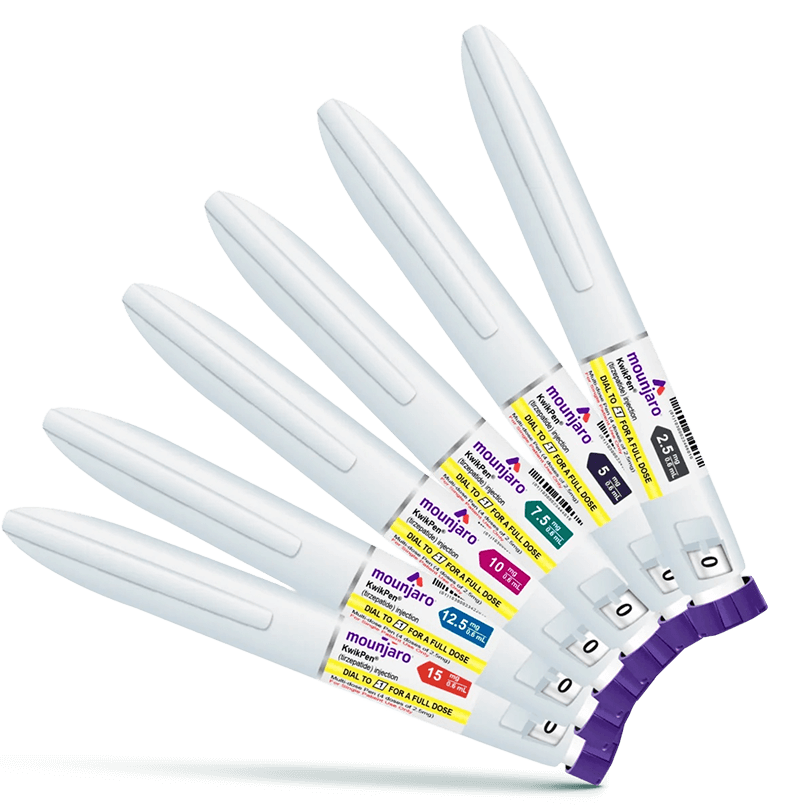
Is it Safe to Take Mounjaro and Insulin Together?
Yes, Mounjaro (tirzepatide) and insulin can be prescribed together for people with type 2 diabetes under specialist supervision. This combination may improve blood glucose control, support weight loss and limit insulin dose increases. However, Mounjaro does not replace insulin, and treatment must be tailored to individual needs and glucose readings.
The SURPASS-5 clinical trial, involving 475 adults, found that adding tirzepatide to insulin glargine reduced HbA1c by approximately 2.1–2.4 percentage points and body weight by 5.4–8.8 kg over 40 weeks. However, combining these medicines increases hypoglycaemia risk. Never reduce or stop insulin without medical guidance, as dangerously high blood glucose may result.
How Do Mounjaro and Insulin Work Together?
Mounjaro and insulin work through different but complementary mechanisms to regulate blood glucose in people with type 2 diabetes. Insulin helps move glucose from the bloodstream into the body's cells, while Mounjaro enhances natural hormonal responses involved in blood sugar control. Their combined action may help manage persistently elevated glucose levels when insulin treatment alone is insufficient.
How Insulin Works
Insulin helps move glucose from the bloodstream into muscle and fat cells, where it can be used for energy or stored for later. It also limits excess glucose production by the liver. For people with type 2 diabetes who cannot produce or use enough insulin effectively, prescribed insulin helps maintain healthier blood sugar levels.
How Mounjaro Works
Mounjaro (tirzepatide) activates GIP and GLP-1 receptors, stimulating the pancreas to release more insulin when blood glucose rises. It also reduces inappropriate glucagon secretion, slows stomach emptying and increases feelings of fullness. These actions help control post-meal glucose spikes, reduce calorie intake and support weight loss without directly replacing insulin.
How Their Combined Effects Improve Blood Sugar Control
Using insulin and Mounjaro together can improve HbA1c levels by addressing blood glucose regulation through separate pathways. Mounjaro's effects on appetite and body weight may also help counteract weight gain associated with insulin treatment and improve insulin sensitivity. However, the additional glucose-lowering effect increases hypoglycaemia risk, making individualised insulin adjustments and regular monitoring essential.
Why Is Regular Blood Glucose Monitoring Important?
Taking Mounjaro and insulin together requires regular blood glucose monitoring to prevent hypoglycaemia (low blood sugar). As Mounjaro begins improving glucose control, your previous insulin dose may become excessive, increasing the importance of tracking glucose readings and identifying changes in insulin requirements.
Several factors can influence your insulin needs:
- Reduced appetite: Eating less or consuming fewer carbohydrates can increase the risk of low blood sugar. Understanding your daily calorie needs can help maintain adequate nutrition while managing insulin requirements.
- Improved insulin sensitivity: Weight loss may help your body use insulin more effectively, reducing insulin requirements.
- Changes in meal timing: Skipping or delaying meals can affect glucose levels, particularly with rapid-acting insulin.
- Dose increases: Blood sugar levels may change as Mounjaro treatment progresses, requiring insulin adjustments.
Your diabetes specialist may recommend frequent finger-prick tests or continuous glucose monitoring (CGM). According to NICE guidance, insulin reductions should be gradual and tailored to your HbA1c, glucose readings and treatment response. Never adjust your insulin dose without medical guidance.
What Are the Risks of Taking Mounjaro With Insulin?
Taking Mounjaro and insulin together increases the risk of hypoglycaemia, particularly if insulin doses are not adjusted appropriately. Digestive side effects, dehydration and changes in food intake can also complicate blood glucose management.
Low Blood Sugar (Hypoglycaemia)
Combining Mounjaro with insulin can cause blood glucose to fall below 4 mmol/L, triggering sweating, shaking, dizziness, palpitations or confusion. If this occurs, consume fast-acting sugar and recheck glucose after 10–15 minutes. Repeat if necessary. Seizures or unconsciousness require emergency assistance. Insulin adjustments must be medically supervised.
Gastrointestinal Side Effects
Mounjaro commonly causes nausea, vomiting, diarrhoea, constipation and reduced appetite, particularly during dose increases. Slower stomach emptying can also affect how quickly glucose enters the bloodstream. Eating less while taking insulin may increase hypoglycaemia risk. Monitor glucose levels and consult your diabetes specialist if symptoms disrupt regular meals.
Dehydration and Illness
Persistent vomiting or diarrhoea may cause dehydration, electrolyte imbalances and kidney problems. Illness can also make blood glucose harder to control. Maintain fluid intake, follow your diabetes sick-day plan and seek medical advice if symptoms persist or you cannot retain fluids. Never stop insulin without medical guidance.
If you are taking insulin and considering Mounjaro, an online consultation with a qualified healthcare professional can help assess whether combined treatment is appropriate. A review of your medical history, current insulin regimen and blood glucose readings can help identify potential risks and determine whether your treatment needs adjusting.
How to Use Mounjaro and Insulin Safely
Using Mounjaro and insulin together requires careful dosing, proper injection techniques and regular glucose monitoring. Although Mounjaro is administered once weekly, insulin schedules vary depending on the type prescribed and your diabetes management needs.
- Follow your prescribed schedule: Take Mounjaro on the same day each week and administer insulin as directed. Never change or skip doses independently.
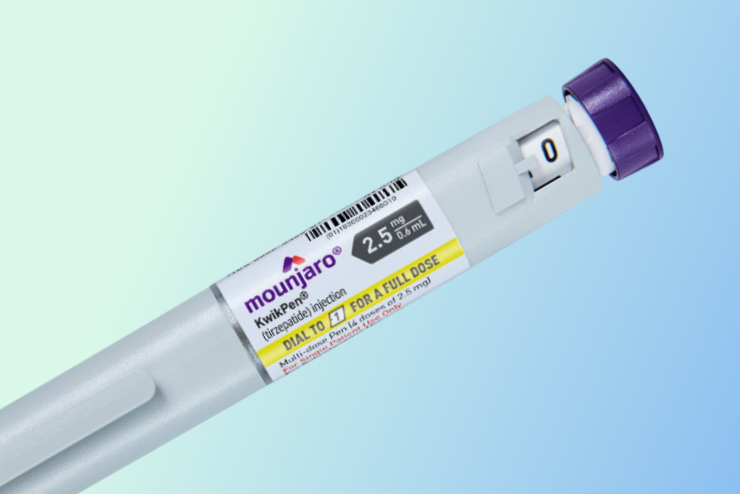
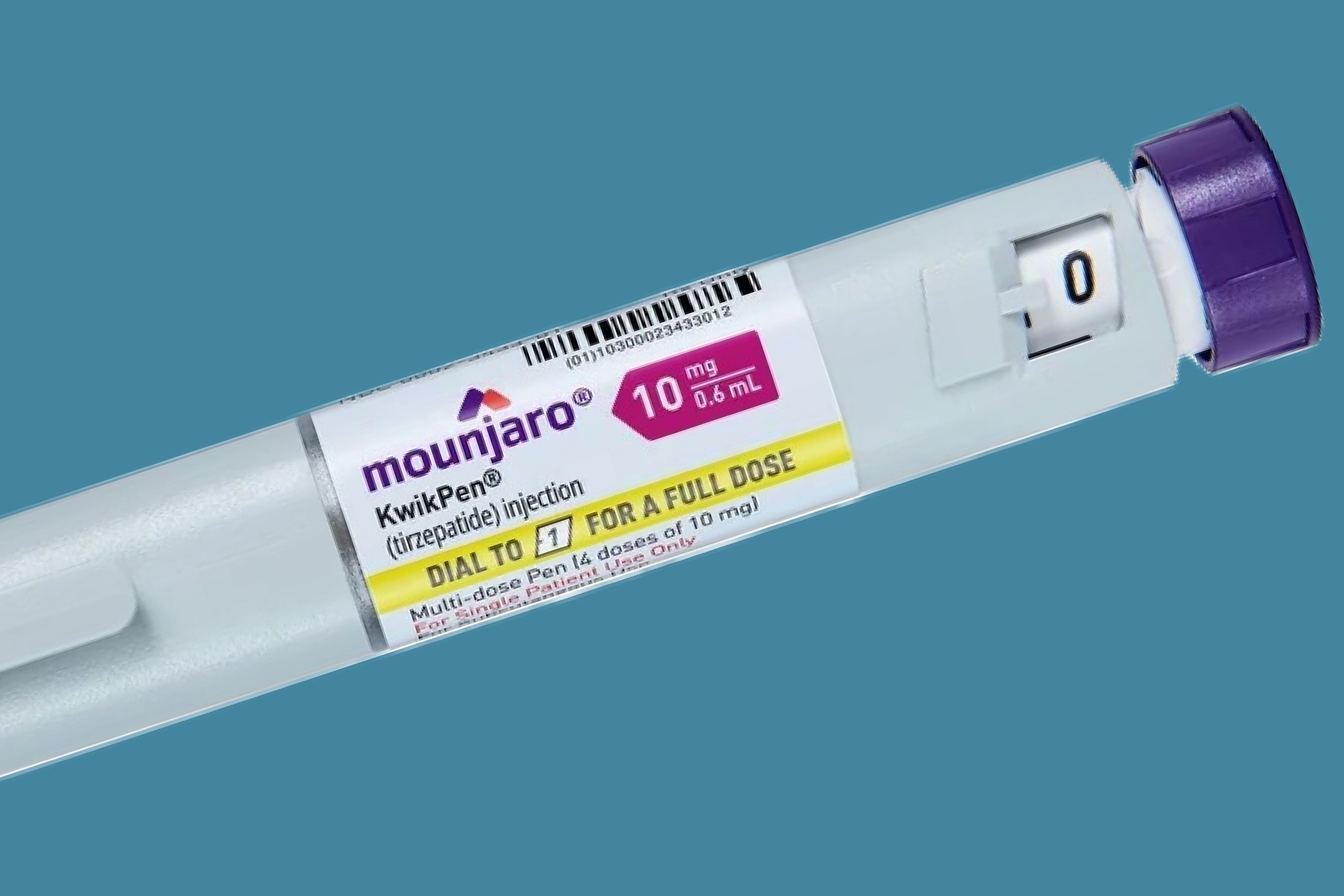
- Check medication labels: Confirm the medicine, strength and prescribed dose before each injection to avoid errors.
- Practise safe injections: Wash your hands, use a new needle for each pen injection and follow the device's preparation instructions.
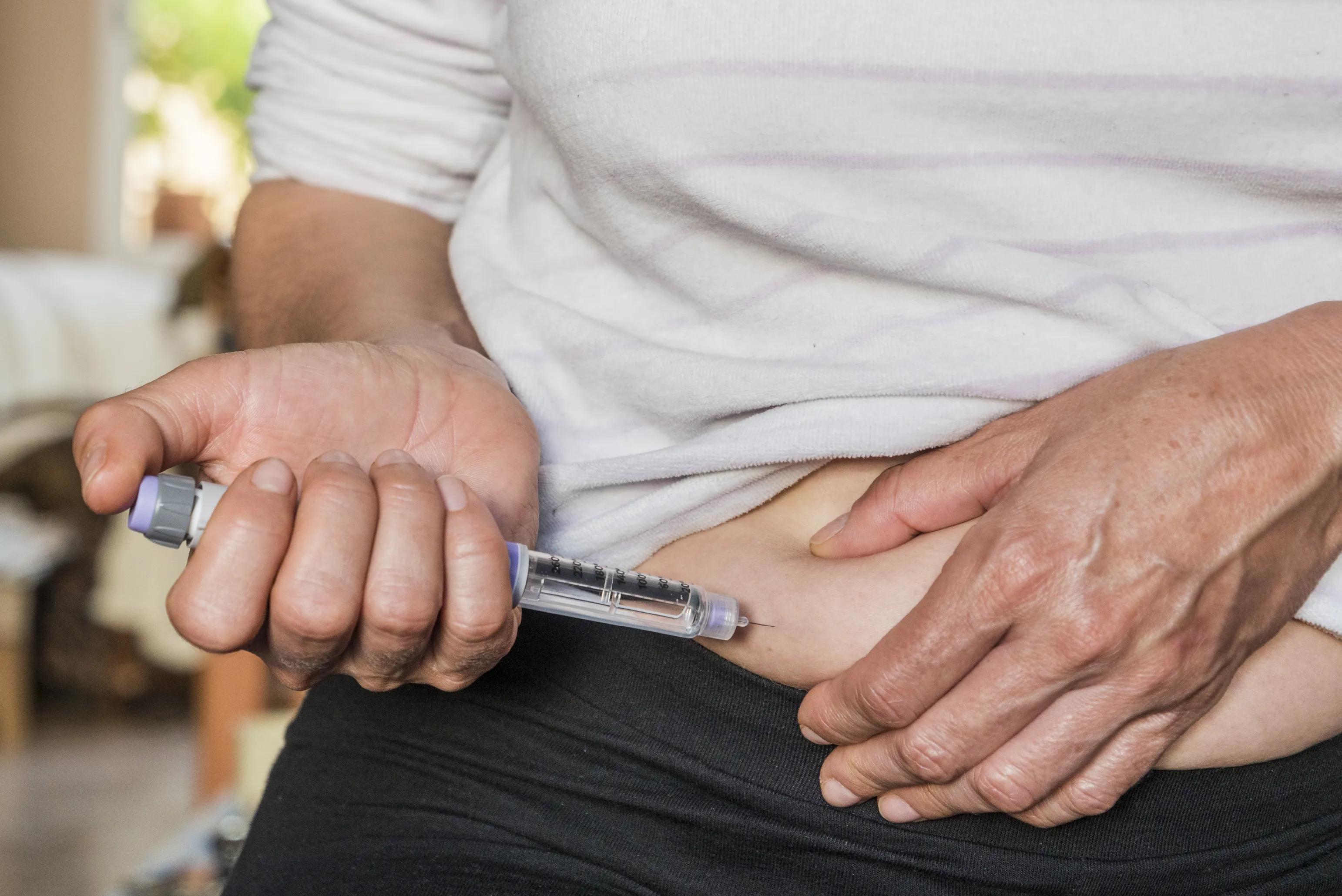
- Use separate injection sites: Never mix Mounjaro and insulin in the same syringe. Both can be injected into the same suitable body area, such as the abdomen, but use different spots and rotate injection sites to minimise skin irritation.
- Monitor blood glucose: Check readings as advised and keep fast-acting glucose available to manage hypoglycaemia.
- Maintain hydration: Drink sufficient fluids, particularly when nausea, vomiting or diarrhoea affects your usual intake.
- Review other diabetes medicines: Inform your prescriber about any additional treatments, especially sulphonylureas, which can increase hypoglycaemia risk.
- Attend follow-up appointments: Regular reviews help assess glucose control, insulin requirements and treatment tolerance.
Seek medical advice for persistent digestive symptoms, repeated hypoglycaemia or difficulty eating and drinking. Keep an agreed hypoglycaemia action plan accessible and ensure someone close to you knows how to respond during an emergency.
Conclusion: Managing Mounjaro and Insulin Together Safely
Taking Mounjaro and insulin together may improve blood glucose control and support weight loss in people with type 2 diabetes. However, the combination requires careful monitoring to prevent hypoglycaemia. As insulin requirements change, regular glucose checks, appropriate dose adjustments and specialist supervision help maintain safe and effective diabetes management.
At Online Weight Loss Clinic, clinically supervised weight management services are tailored to individual health needs. If you use insulin and are considering Mounjaro, our healthcare professionals can assess treatment suitability, explain potential risks and provide personalised weight management guidance alongside your existing diabetes care, without replacing your diabetes specialist.
FAQs About Mounjaro and Insulin
Can you take Mounjaro and insulin together on the same day?
Yes, both medicines can be administered on the same day when prescribed together. Mounjaro is injected weekly, while insulin follows your prescribed schedule. There is no need to separate their administration times, but each medicine must be injected separately using the correct technique.
Can you take insulin and Mounjaro together if you have type 1 diabetes?
Mounjaro is not licensed in the UK for treating type 1 diabetes. Although research has explored its potential benefits, it cannot replace insulin. People with type 1 diabetes should continue their prescribed insulin regimen and consult their specialist before considering tirzepatide.
Can you take Mounjaro while using an insulin pump?
Mounjaro may be considered for some people with type 2 diabetes who use insulin pumps. However, tirzepatide can change insulin requirements, including basal rates and mealtime doses. Your diabetes specialist must assess suitability and determine whether pump settings need adjusting.
Can you get Mounjaro on the NHS if you already take insulin?
Yes, eligible adults with type 2 diabetes may receive Mounjaro through the NHS. Access depends on NICE prescribing criteria, previous treatments and individual clinical needs. Taking insulin does not automatically exclude you, but your diabetes team must assess whether tirzepatide is appropriate.
What happens if you miss a Mounjaro dose while taking insulin?
Take the missed Mounjaro dose within four days (96 hours). If more than four days have passed, skip it and resume your usual weekly schedule, ensuring at least three days between injections. Continue insulin as prescribed and contact your diabetes team if glucose levels become unstable.
Can you take Mounjaro with insulin and metformin?
Yes, Mounjaro can be prescribed alongside insulin and metformin for type 2 diabetes. These medicines improve glucose control through different mechanisms. Although metformin alone rarely causes hypoglycaemia, combining Mounjaro with insulin increases this risk, so treatment should remain medically supervised.
Can you drive while taking Mounjaro and insulin?
Yes, provided your blood glucose is controlled and you meet DVLA requirements. Insulin-treated drivers should check glucose before driving and at least every two hours during journeys. Never drive during hypoglycaemia, and inform the DVLA about insulin treatment when required.
Can you use Mounjaro and insulin together during pregnancy?
Mounjaro is not recommended during pregnancy due to insufficient safety data. Tirzepatide should be stopped at least four weeks before a planned pregnancy. Insulin may still be needed to manage diabetes safely. Consult your diabetes and maternity care teams if you become pregnant while taking these medicines.