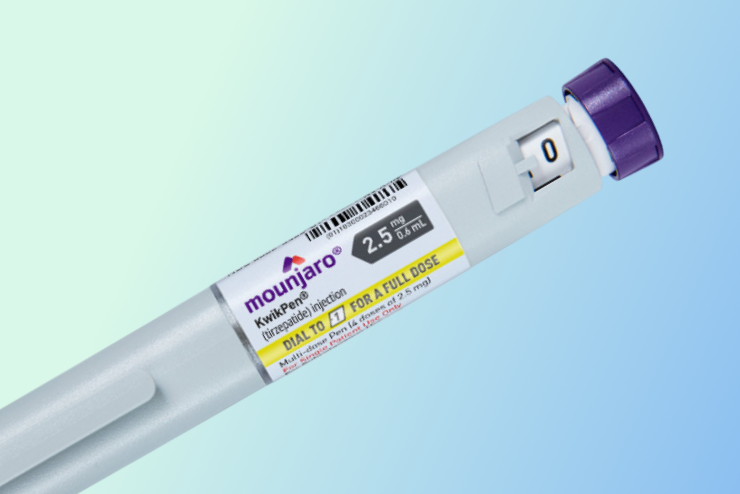

Weight loss treatment can bring unexpected digestive changes, including sudden trips to the toilet. As tirzepatide affects gut function, Mounjaro and diarrhoea may become a concern, particularly during early treatment or following dose increases. These digestive disturbances are recognised side effects, although their frequency and severity vary between individuals.
While symptoms often ease with time, frequent loose stools can affect hydration, energy levels and everyday comfort. Understanding potential triggers, effective relief measures and when medical advice is necessary can help patients manage symptoms safely throughout treatment.
GLP-1 / GIP
Mounjaro
Dual-agonist support that helps curb appetite, hunger, and cravings to drive substantial, sustained weight loss.
- ✔~22.5% average body weight loss
- ✔Significant weight reduction
- ✔Improves blood sugar levels
- ✔Clinically proven weight loss

Key Facts About Mounjaro and Diarrhoea
- ✔Mounjaro and diarrhoea are commonly linked, particularly during early treatment or dose increases.
- ✔Around 19–23% of trial participants without type 2 diabetes experienced diarrhoea, depending on dosage.
- ✔Gut hormone changes, dietary triggers and dose adjustments may contribute to loose stools.
- ✔Smaller meals, adequate hydration and oral rehydration solutions can help manage symptoms.
- ✔Diarrhoea often improves within days to weeks, although duration varies between individuals.
- ✔Persistent diarrhoea, dehydration, severe abdominal pain or bloody stools require prompt medical assessment.
How Frequently Does Mounjaro Cause Diarrhoea?
Diarrhoea is among the commonly reported gastrointestinal side effects of Mounjaro (tirzepatide). It tends to occur more frequently during the initial stages of treatment or following dose increases. Most reported cases are mild to moderate, although the severity and frequency of symptoms differ between patients.
Although digestive discomfort usually improves over time, prolonged or severe diarrhoea may lead to dehydration and require medical assessment. Monitoring bowel movements, symptom severity and fluid intake can help patients recognise when further care is necessary.
For further information, explore our guide to Mounjaro side effects to understand other potential reactions and their management.
What Causes Diarrhoea During Mounjaro Treatment?
The relationship between Mounjaro and diarrhoea involves tirzepatide's effects on gastrointestinal function and the body's response to treatment. According to the European Medicines Agency (EMA), approximately 19–23% of trial participants without type 2 diabetes experienced diarrhoea, depending on dosage. Dietary habits, dose adjustments and individual digestive sensitivity may also contribute to symptoms.
Dietary Triggers
Large meals and foods high in fat may aggravate digestive discomfort during treatment. Greasy, rich or spicy dishes can also worsen loose stools in some patients. Eating smaller portions and identifying personal food triggers may help improve tolerance without compromising nutritional intake.
Changes in Gut Hormones
Tirzepatide activates GIP and GLP-1 receptors, which influence appetite and gastrointestinal function. These hormonal effects may alter bowel activity and contribute to diarrhoea, although the precise mechanisms are not fully understood. Individual responses can vary throughout treatment.
Effects on Gastric Emptying
Mounjaro weight loss treatment delays the movement of food from the stomach into the small intestine. Although this helps promote fullness, changes in gastrointestinal activity may accompany digestive symptoms. Slower gastric emptying alone does not fully explain why diarrhoea develops.
Dose Increases and Digestive Adjustment
Gastrointestinal symptoms may become more noticeable when treatment begins or the dose increases, such as from 2.5 mg to 5 mg. Gradual dose escalation allows time to assess tolerability and may help limit digestive discomfort. Following the prescribed schedule is important when managing Mounjaro injection side effects.
Changes in Intestinal Fluid Balance
Diarrhoea develops when the intestines absorb insufficient fluid or release more fluid than usual, resulting in watery stools. Tirzepatide-related changes in gastrointestinal function may contribute to this process, although a direct effect on intestinal fluid secretion has not been firmly established.
Understanding these contributing factors can help patients recognise possible triggers and make appropriate dietary adjustments. Persistent symptoms should be assessed by a healthcare professional to determine whether further management is needed.
How to Manage Diarrhoea While Taking Mounjaro
Managing Mounjaro and diarrhoea involves reducing digestive irritation, replacing lost fluids and monitoring how symptoms respond to treatment. Although mild episodes often improve over time, practical adjustments can help ease discomfort and minimise dehydration risks.
Practical Ways to Relieve Diarrhoea
- Choose Easily Digestible Foods: Opt for smaller portions of rice, bananas, toast or potatoes. Limit fatty, heavily seasoned meals and other foods that appear to aggravate symptoms.
- Replace Lost Fluids: Sip water regularly and consider oral rehydration solutions if diarrhoea causes substantial fluid loss. These help replenish water and essential electrolytes.
- Maintain Your Prescribed Dose: Avoid increasing your Mounjaro dose independently. If diarrhoea becomes troublesome, consult your prescriber before making treatment adjustments.
- Track Digestive Symptoms: Record how frequently loose stools occur, how long episodes last and whether particular foods or dose changes appear to trigger them.
- Recognise Concerning Changes: Seek medical advice for persistent diarrhoea, signs of dehydration or increasing abdominal discomfort. Severe abdominal pain or an inability to retain fluids requires prompt assessment.
- Review Treatment Tolerance: Ongoing symptoms may require a clinician to assess dietary factors, existing digestive conditions and whether your dosing schedule remains suitable.
If diarrhoea continues despite these measures, an online consultation can help review symptoms, assess treatment tolerance and determine whether further medical guidance is needed.
How Long Can Mounjaro Diarrhoea Continue?
The duration of diarrhoea varies between patients, with symptoms often improving within a few days to several weeks. Digestive disturbances are more likely to develop during early treatment or following dose adjustments, although some people may experience recurring episodes as their body responds to tirzepatide.
Diarrhoea that continues or worsens should not be dismissed as a normal treatment response. Prolonged fluid loss can lead to dehydration and electrolyte imbalances, making medical assessment important. A healthcare professional can review symptom severity, hydration and treatment tolerance to determine whether further intervention is necessary.
Who May Be More Prone to Diarrhoea on Mounjaro?
Digestive tolerance varies between individuals, and certain health conditions or dietary habits may make Mounjaro weight loss treatment more challenging. Although these factors do not necessarily predict diarrhoea, they may influence how patients respond to gastrointestinal changes during treatment.
Factors That May Increase Digestive Sensitivity
- Irritable Bowel Syndrome (IBS): People with IBS may already experience irregular bowel movements, making treatment-related digestive changes more difficult to manage.
- Inflammatory Bowel Disease (IBD): Patients with Crohn's disease or ulcerative colitis require individual assessment, particularly when existing symptoms include frequent loose stools.
- Sensitive Digestive System: Those who regularly experience food intolerances or gastrointestinal discomfort may find it harder to distinguish treatment effects from existing symptoms.
- Sudden Dietary Changes: Abrupt changes in meal size, food choices or fibre consumption may aggravate bowel disturbances.
These factors do not automatically make Mounjaro unsuitable, but they highlight the importance of reviewing existing digestive conditions before treatment begins. A healthcare professional can assess individual suitability and recommend appropriate monitoring to support safe weight management.
How Is Mounjaro Treatment Monitored for Safety?
Regular clinical reviews help ensure Mounjaro remains suitable and well tolerated. Healthcare professionals assess weight loss progress, dose response and gastrointestinal symptoms, particularly persistent diarrhoea. Monitoring also includes hydration status, potential electrolyte imbalances and treatment adjustments when necessary, helping identify complications early and support safer ongoing weight management.
Assessing Mounjaro injection side effects also involves reviewing nutritional intake, existing medical conditions and overall wellbeing. Early recognition of concerns allows clinicians to recommend appropriate management or reassess treatment suitability. Mounjaro should be prescribed through a regulated UK healthcare service, with individual assessment and ongoing monitoring throughout treatment.
When Does Mounjaro Diarrhoea Require Medical Attention?
Although digestive side effects often improve during treatment, certain symptoms may indicate dehydration, infection or another underlying complication. Persistent or worsening Mounjaro diarrhoea should not be ignored, particularly when accompanied by abdominal pain or changes in overall health.
Warning Signs That Need Medical Assessment
- Severe Abdominal Pain: Intense or persistent stomach pain, particularly if it spreads to the back or occurs with vomiting, requires urgent assessment.
- Prolonged Diarrhoea: Frequent loose stools continuing for several days or worsening despite adequate hydration need medical review.
- Dehydration Symptoms: Dizziness, dark urine, reduced urination or pronounced weakness may indicate significant fluid loss.
- Blood in Stools: Bloody diarrhoea or black, tarry stools require prompt medical attention.
- High Fever: Fever accompanying diarrhoea may suggest an infection or another condition requiring investigation.
- Difficulty Keeping Fluids Down: Repeated vomiting alongside diarrhoea increases the risk of dehydration and electrolyte disturbances.
Severe abdominal pain, fainting, confusion or signs of serious dehydration require emergency assessment. For persistent or concerning symptoms, patients can seek medical guidance from Online Weight Loss Clinic to review treatment tolerance and determine appropriate next steps.
GLP-1 / GIP
Mounjaro
Dual-agonist support that helps curb appetite, hunger, and cravings to drive substantial, sustained weight loss.
- ✔~22.5% average body weight loss
- ✔Significant weight reduction
- ✔Improves blood sugar levels
- ✔Clinically proven weight loss
Conclusion: Managing Mounjaro Diarrhoea Safely
Maintaining digestive comfort during Mounjaro treatment requires recognising how your body responds and making appropriate adjustments when symptoms develop. Consistent hydration, suitable dietary choices and adherence to prescribed dosing can help minimise discomfort while supporting weight management progress.
Persistent diarrhoea should not be overlooked, particularly when accompanied by dehydration, severe abdominal pain, fever or blood in the stools. Timely medical assessment and regular treatment reviews can help prevent complications and ensure Mounjaro weight loss remains appropriate for individual health needs.
FAQs About Mounjaro and Diarrhoea
Can Mounjaro cause diarrhoea after every injection?
Diarrhoea does not necessarily occur after every Mounjaro injection. Some patients experience occasional episodes, while others notice symptoms following particular doses. Individual digestive responses can vary throughout treatment.
Can you take Imodium while using Mounjaro?
Imodium (loperamide) may be suitable for short-term diarrhoea relief in some patients taking Mounjaro. However, consult a pharmacist before use, particularly if symptoms persist or occur alongside fever, bloody stools or severe abdominal pain.
Can Mounjaro cause diarrhoea at night?
Yes, diarrhoea may occur at night, although this is not a specific established pattern of Mounjaro side effects. Repeated nocturnal diarrhoea should be medically assessed to exclude other gastrointestinal conditions.
Does Mounjaro diarrhoea affect weight loss results?
Diarrhoea may temporarily lower scale weight through fluid loss, but this does not represent additional fat reduction. Persistent symptoms can also affect hydration and nutritional intake, potentially compromising overall health.
Can Mounjaro cause yellow or green diarrhoea?
Stool colour may change when intestinal contents move through the bowel more quickly, sometimes appearing yellow or green. However, these changes are not specific to Mounjaro and may have other dietary or medical causes.
Does Mounjaro diarrhoea affect the contraceptive pill?
Tirzepatide can reduce the effectiveness of oral contraceptives due to delayed gastric emptying. UK guidance recommends additional barrier contraception or switching to a non-oral method for four weeks after starting treatment and following each dose increase. Severe diarrhoea may also affect pill absorption.
Can probiotics help with Mounjaro diarrhoea?
Probiotics may help certain digestive conditions, but evidence supporting their effectiveness specifically for Mounjaro-related diarrhoea is limited. Patients should seek professional advice before relying on supplements for persistent symptoms.
Can Mounjaro diarrhoea cause kidney problems?
Severe or prolonged diarrhoea can cause dehydration, potentially reducing kidney function and increasing the risk of acute kidney injury. Maintaining fluid intake and seeking medical assessment for significant dehydration are important during treatment.